
Breakfast & Brunch
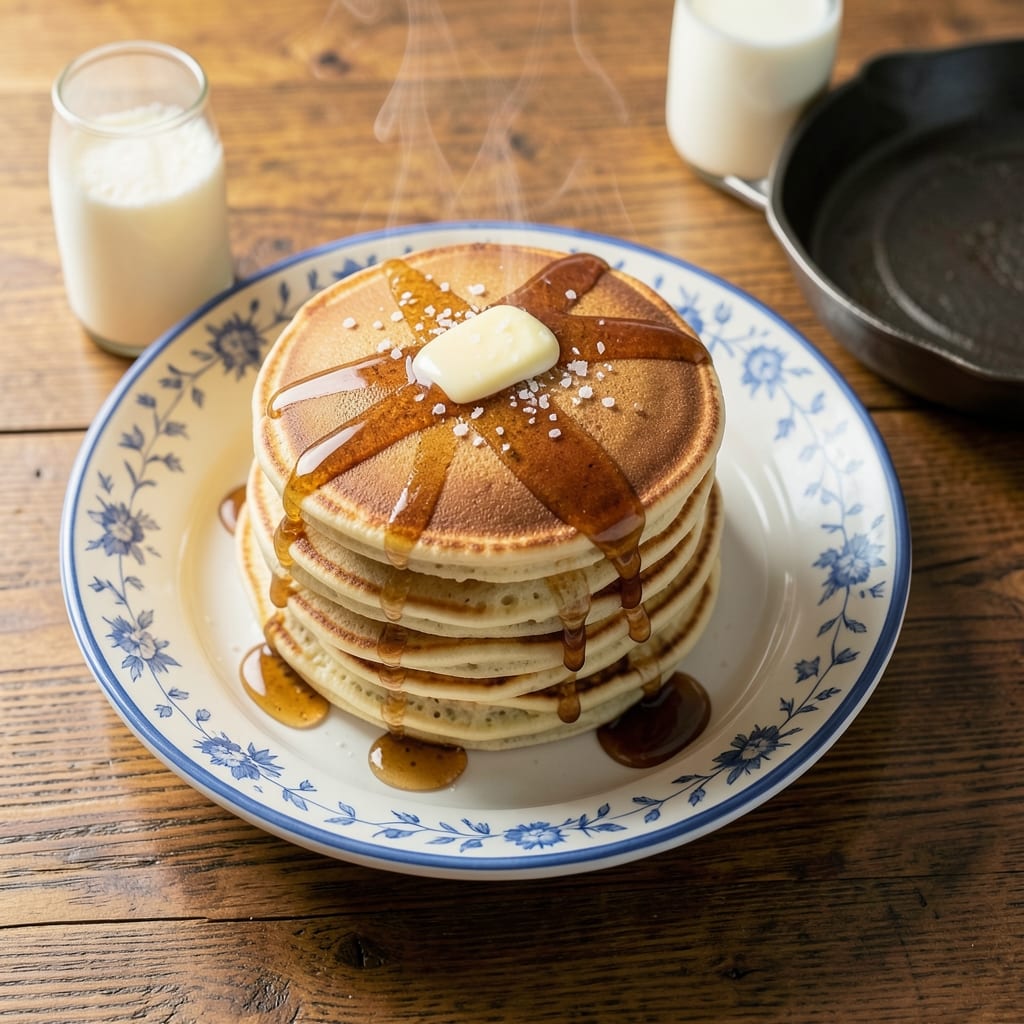
This 1 cup pancake mix recipe delivers perfectly fluffy stacks every time—no lumps, no burning, just golden-brown pancakes with that classic tender interior. The secret lies in the right batter-to-liquid ratio and medium-high heat, which I perfected after years of weekend breakfast experiments. What makes this recipe foolproof is how it converts store-bought mix into restaurant-quality results with minimal effort, ideal for busy mornings when you still crave a homemade feel.
Start with 1 cup pancake mix combined with ¾ cup milk (whole milk works best for richness) and 1 egg—this ratio guarantees a light, airy batter that rises beautifully. The key technique is letting the batter rest for 5 minutes before cooking; this allows the dry ingredients to hydrate fully, preventing those dreaded lumps. Cook on a non-stick griddle heated to medium-high (375°F), where each pancake forms bubbles along the edges before flipping—2-3 minutes per side yields perfect doneness.
What you’ll end up with is a stack of golden-brown pancakes with crisp edges and a velvety interior that holds up to syrup without turning soggy. The beauty of this recipe is its flexibility: add blueberries to the batter for a fruity twist, or keep it classic with a sprinkle of cinnamon sugar. Serve with warm maple syrup, fresh berries, or whipped cream for that ultimate brunch experience—all while keeping prep under 15 minutes and cleanup to a single pan.
Even better, this recipe scales perfectly for 2-4 servings—just double the ingredients without adjusting cooking times. The method works with any 1 cup pancake mix brand, so you can stock up on your favorite. For troubleshooting, remember: overmixing causes lumps, and low heat causes greasy pancakes. Master these, and you’ll have weekend breakfast perfection every time.
Ingredients for 1 cup pancake mix
Here's what transforms your basic pancake mix into restaurant-quality stacks—just 12 ingredients, no lumps, no stress.
| Ingredient | Amount | Notes |
|---|---|---|
| Pancake Mix (1 cup box) 🍞 | 1 cup | Any brand, but check for baking powder |
| Whole Milk 🥛 | ¾ cup | Room temperature preferred |
| Large Eggs 🥚 | 1 whole | Room temperature for best mixing |
| Unsalted Butter 🧈 | 1 tbsp | Melted for greasing griddle |
| Vanilla Extract 🌸 | ½ tsp | Pure extract, not imitation |
| Granulated Sugar 🍬 | 1 tbsp | Optional for sweetness boost |
| Cinnamon Sugar 🌿 | ¼ cup | For topping (mix 2 tbsp sugar + 0.5 tsp cinnamon) |
| Maple Syrup 🍁 | ½ cup | Grade B for richer flavor |
| Fresh Blueberries 🫐 | ½ cup | Optional for fruity twist |
| Salt 🧂 | ¼ tsp | Kosher or sea salt |
| Baking Powder 🍞 | ½ tsp | Add if mix lacks leavening |
| Vegetable Oil 🫒 | 1 tsp | For griddle coating |
The pancake mix is your foundation, but not all brands are created equal. I swear by Betty Crocker or Krusteaz for consistent results—they're formulated with proper leavening agents. Check the ingredient list for baking powder; if it's missing, add 0.5 tsp yourself. For the milk, whole milk gives the richest flavor, but 2% works too. Room temperature ingredients mix better, so take them out 10 minutes before starting. The butter matters here—Land O'Lakes unsalted melts perfectly without adding saltiness. Pro tip: if your mix calls for water, use milk instead for extra tenderness.
No vanilla? Almond extract at half the amount works in a pinch, but vanilla is ideal. Running short on butter? Coconut oil works for greasing, though it has a slight coconut aroma. Want extra fluff? Add 0.25 tsp baking powder to the dry mix. The blueberries should be fresh or frozen—no syrup needed. For the cinnamon sugar topping, Bob's Red Mill cinnamon has the best flavor. If you're making this for a crowd, double the entire recipe—just keep the batter rested 5 minutes before cooking to prevent lumps. The maple syrup? Grade B has that perfect balance of sweet and smoky.
Batter keeps 2 days in the fridge—just whisk before using. For make-ahead stacks, cook pancakes, cool completely, then freeze between parchment paper. Reheat in a 350°F oven for 10 minutes. The griddle stays hot for 8-10 pancakes before needing a quick wipe with a paper towel. Leftovers? Store in an airtight container with parchment between layers. Trust me, no one will guess these started as mix—they'll think you slaved over homemade batter all morning.
Why You'll Love This Recipe
- Here’s what sold me: that first bite where the buttery richness from the melted butter meets the warm vanilla—it’s like a hug in pancake form. The mix gives you a solid base, but adding those two ingredients? Instantly makes them taste like something from a cozy diner, not a box.
- I’ll be real: I almost always make extra batter. The leftovers keep in the fridge for days, and I can reheat them in a toaster or skillet without drying them out. Plus, the cost? Ridiculously cheap. A box of mix, a few eggs, and milk I already had—this is my go-to when I’m pinching pennies but still want something that feels special.
Step-by-step instructions for fluffy pancakes from box mix
Here's how to transform basic pancake mix into restaurant-quality stacks with crisp edges and cloud-soft centers.
Whisk Wet Ingredients to Perfect Consistency
In a medium bowl, combine the 0.75 cup whole milk, 1 whole large egg, 0.5 teaspoon vanilla extract, 1 tablespoon granulated sugar, and 0.25 teaspoon salt. Whisk vigorously for 30 seconds until fully blended—you'll notice the mixture become slightly thicker as the egg begins to emulsify.
This step is where flavor and texture magic happens. The room-temperature milk and egg blend more smoothly, preventing lumps that lead to dense pancakes. If your mix lacks baking powder, add the 0.5 teaspoon baking powder now and whisk again. The mixture should be thin but not watery—think heavy cream consistency.
Fold in Pancake Mix Gently for Light Batter
Gradually sprinkle the 1 cup pancake mix over the wet ingredients while continuing to whisk. The key here is patience—let the mix settle between each addition to prevent overmixing. Once fully incorporated, the batter should coat the back of your spoon but still flow easily when you lift it.
I always give the batter one final stir to ensure no dry pockets remain. If it's too thick, add 1-2 teaspoons of milk to reach that perfect ribbon consistency. The batter should rest for 5 minutes before cooking—this allows the gluten to relax, resulting in tender pancakes rather than tough ones.
Preheat Griddle and Test with Butter
Heat a griddle or non-stick skillet over medium heat until a drop of water skitters across it. Melt the 1 tablespoon unsalted butter and spread it evenly across the surface using a paper towel. This creates a non-stick barrier and adds rich flavor to each pancake.
Here's the thing about griddle temperature—too hot and your pancakes burn before cooking through; too cool and they turn gummy. The butter should foam gently for 30 seconds before you're ready to cook. If you don't have a thermometer, the medium heat setting on most stoves corresponds to about 350°F, which is ideal for pancakes.
Cook Pancakes Until Golden and Bubbly
Pour ¼ cup batter for each pancake onto the griddle, immediately spreading it into a 4-inch circle with the back of your measuring cup. Cook until bubbles form on the surface (2-3 minutes), then flip carefully with a spatula. The underside should be golden brown with crisp edges when ready.
Don't rush the flipping—wait until you see those telltale bubbles that pop when you tap the pancake lightly. The first pancake is always your test; if it browns too quickly, reduce the heat slightly. Stack completed pancakes on a wire rack or clean towel to keep them warm and prevent sogginess.
Serve with Warm Toppings and Syrup
While pancakes are still warm, arrange them on plates and drizzle with 0.5 cup maple syrup. Sprinkle each stack with 0.25 cup cinnamon sugar and top with 0.5 cup fresh blueberries for a fruity contrast. The warm syrup will melt slightly into the pancakes, creating that perfect balance of sweetness and texture.
Here's my pro tip: Serve immediately with extra butter on the side. The residual heat from the pancakes will melt the butter beautifully, adding richness to each bite. These pancakes hold their shape well when stacked, making them perfect for that classic tower presentation—just like your favorite diner!
Pro Tips For Making 1 Cup Pancake Mix
- WHISK THE MILK FIRST: Mix the milk and egg together before adding them to the dry mix—this keeps the batter smoother and prevents lumps. I learned this the hard way after scraping a grater trying to fix clumpy batter mid-stir.
- MEASURE THE BUTTER COLD: Use a chilled stick of butter straight from the fridge instead of melted—it adds richness without making the batter greasy. Yes, it’s a pain to cut, but your pancakes will thank you with better texture.
- LET THE BATTER REST: Give the batter 5 minutes after mixing before cooking—this lets the flour absorb the liquid properly. Skipping this means your pancakes will be dense or fall apart when flipping.
- USE A LITTLE EXTRA VANILLA: Add ½ teaspoon of vanilla extract on top of the box’s recommendation—it balances the sweetness and adds depth. Trust me, the difference is noticeable, especially if you’re using whole milk.
Regional styles of this 1 cup pancake mix
Southern Buttermilk Twist
In the South, pancakes get a tangy upgrade by replacing milk with ¾ cup buttermilk (or regular milk + 1 tsp vinegar let sit 5 minutes). Add 1 tbsp melted butter to the batter for extra richness. Top with peach preserves and a dollop of whipped cream for that classic Southern brunch vibe. The acidity in buttermilk creates taller, fluffier pancakes with a subtle tang that balances sweet toppings beautifully. 🍑
Midwest Blueberry Buckwheat
The Midwest loves hearty pancakes, so swap ½ cup pancake mix for ½ cup buckwheat flour (found in baking aisles). Fold in ½ cup fresh blueberries and a pinch of cardamom for depth. Cook on medium-low heat to prevent burning the buckwheat's nutty flavor. Serve with maple walnut butter (mix walnuts + maple syrup + cream cheese) for that iconic Midwest touch. The buckwheat adds a subtle earthiness that pairs perfectly with the blueberries.
Pacific Northwest Lemon Lavender
Out West, they embrace floral notes—add ½ tsp dried culinary lavender and zest of 1 lemon to the batter. Use almond milk instead of dairy for a lighter texture. Top with raspberry compote and a sprinkle of toasted almonds. The lavender's floral aroma complements the citrus perfectly, creating a sophisticated yet approachable brunch option. This variation works especially well for brunch crowds who appreciate unique flavors. 🌸
New England Cinnamon Apple
Up North, they keep it classic but add ½ cup diced apple (peeled, no core) to the batter along with 1 tsp cinnamon. Use ½ cup apple cider instead of milk for moisture. Cook on medium heat to caramelize the apples slightly. Top with caramelized onions and a drizzle of honey butter. The apple adds natural sweetness that reduces the need for extra sugar, and the cinnamon enhances the apple's warmth. This is a staple at New England diners!
Tex-Mex Cinnamon Spice
For a Southwestern twist, add ½ tsp ground cumin and ¼ tsp cayenne to the batter. Use ½ cup orange juice instead of milk for brightness. Top with sautéed peaches (tossed with chili powder) and a dollop of sour cream. The cumin adds an earthy depth while the cayenne gives a gentle kick. This variation is perfect for breakfast-for-dinner occasions with a Mexican flair. 🌶️
Classic Canadian Maple Bacon
Our neighbors to the north take pancakes seriously—add ½ cup crumbled bacon (cooked crispy) and 2 tbsp maple syrup to the batter. Use ½ cup heavy cream instead of milk for extra richness. Cook on medium-high heat for crispy edges. Top with more bacon and a generous drizzle of Grade A maple syrup. This decadent version is a brunch favorite across Canada, balancing salty and sweet perfectly. The bacon adds a smoky depth that elevates the pancakes to next-level status.
Nutrition facts
Frequently asked questions
Why does my pancake batter get lumpy?
Overmixing is the #1 culprit! Once you fold in the dry mix, stir just until combined—about 10-15 strokes. The 5-minute rest before cooking also helps prevent lumps by letting the gluten relax. If lumps appear, gently press them with the back of your spoon while cooking—they'll flatten out.
Can I make these pancakes without eggs?
Replace the 1 egg with ¼ cup unsweetened applesauce or ¼ cup plain yogurt. For extra fluffiness, add ½ tsp baking powder to compensate for the missing leavening. The texture will be slightly denser but still delicious—great for vegan diets or egg allergies.
How do I keep pancakes warm while cooking?
Transfer cooked pancakes to a wire rack or clean kitchen towel instead of stacking them directly. This prevents sogginess. For larger batches, keep them in a 200°F oven on a wire rack for up to 15 minutes. Pro tip: Wrap the stack in a clean towel to retain heat during serving.
What's the best way to store leftover pancakes?
Cool completely, then store between layers of parchment paper in an airtight container. They'll stay fresh for 3 days at room temperature. For longer storage, freeze between parchment and reheat in a 350°F oven for 10 minutes or microwave for 20 seconds. Never stack frozen pancakes directly—they'll stick together!
Why are my pancakes browning too fast?
Your heat is likely too high! Reduce to medium (350°F) and let the butter foam for 30 seconds before adding batter. If using a non-stick pan, you may need to lower heat even more. The edges should bubble before flipping—golden brown means they're ready, not burnt.