
Why this site exists
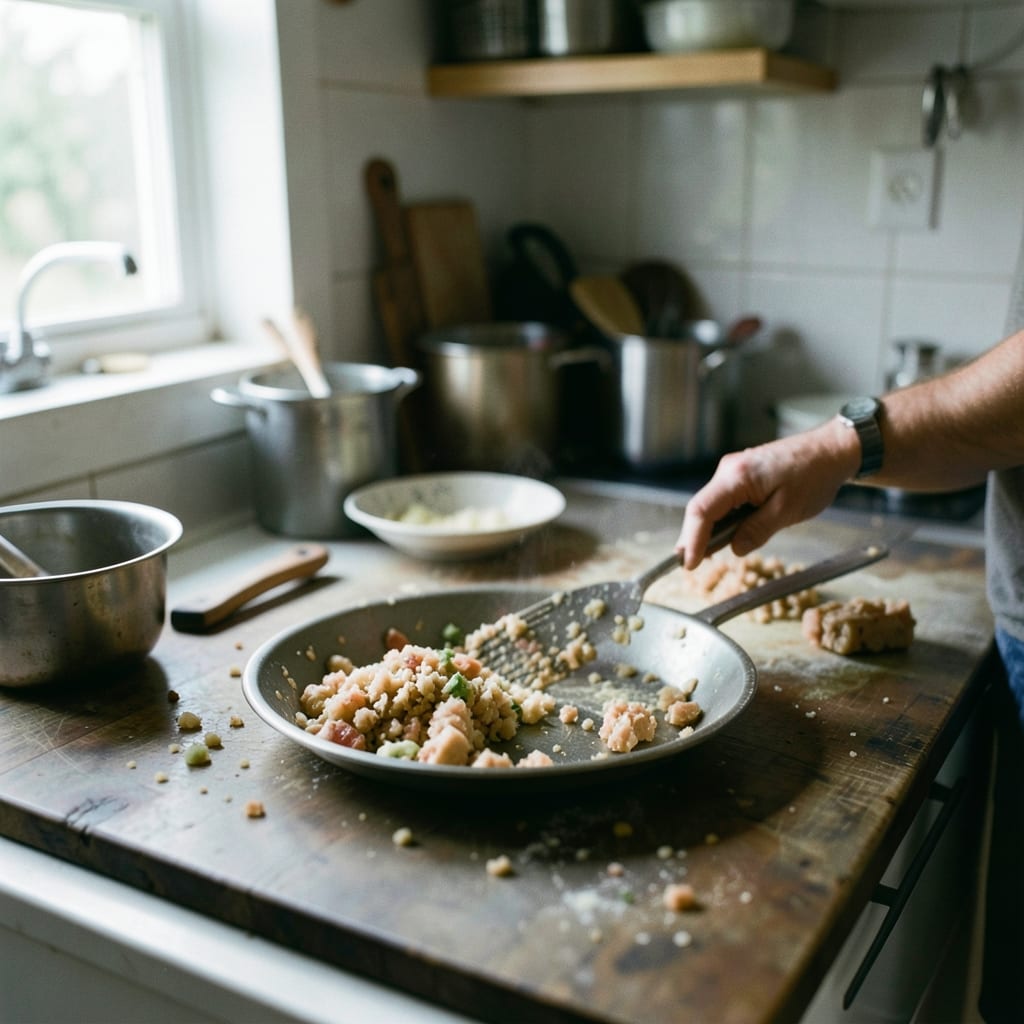
You’re standing in the kitchen with a list of ingredients, a recipe card, and a sinking feeling that something might go wrong. The instructions say ‘fold gently,’ but you’ve never folded anything in your life and now the batter looks like a science experiment gone sideways.
This site exists to turn those moments into something reliable. Every recipe here is tested until it works—not just once, but enough times to know what can go wrong and how to fix it before it does.
Who writes this site
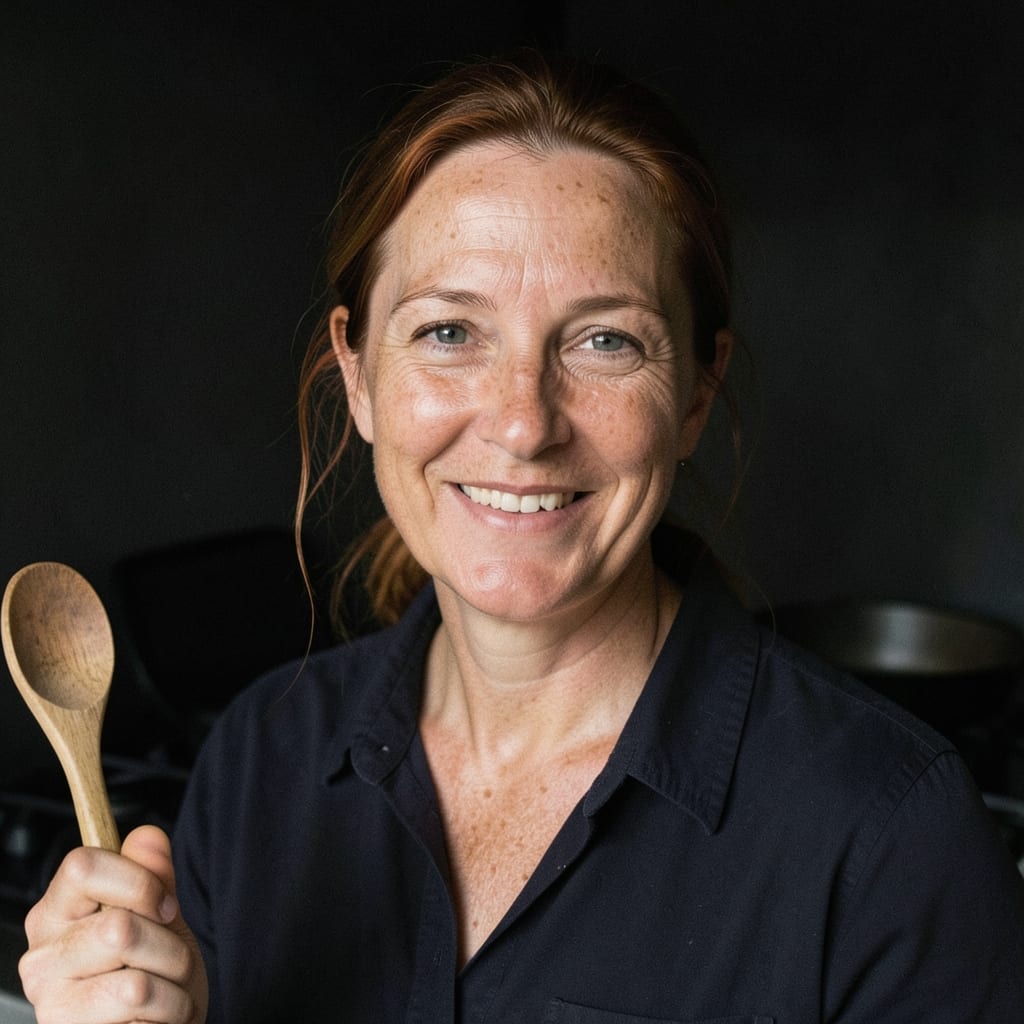
Harriet Ortega is the founder and editor.
Do you test recipes more than once?
Every recipe is tested at least three times—sometimes more if it’s stubborn. If a cake collapses or a cookie burns, I don’t just blame the oven. I figure out why and fix it.
What do you get wrong?
Everything, at first. Measurements, temperatures, even the order of steps. The difference is I write it down so you don’t have to guess. And yes, I’ve set off the smoke alarm more times than I’ll admit.
Why isn’t that recipe/dish here?
If it’s missing, it’s either too complicated for its own good, or I haven’t made it work yet. No recipes are excluded for being ‘uncool’—just for not being reliable.
The kitchen radio is always tuned to old jazz stations, even when no one’s listening. It’s a habit from her grandmother’s house, where cooking and music were never separate.
How a recipe is built
A recipe starts with a question: *What’s the one thing that would make this better?* It’s not always an ingredient—sometimes it’s time, sometimes it’s letting the dough rest, sometimes it’s ignoring the recipe entirely and trusting your nose.
The first draft
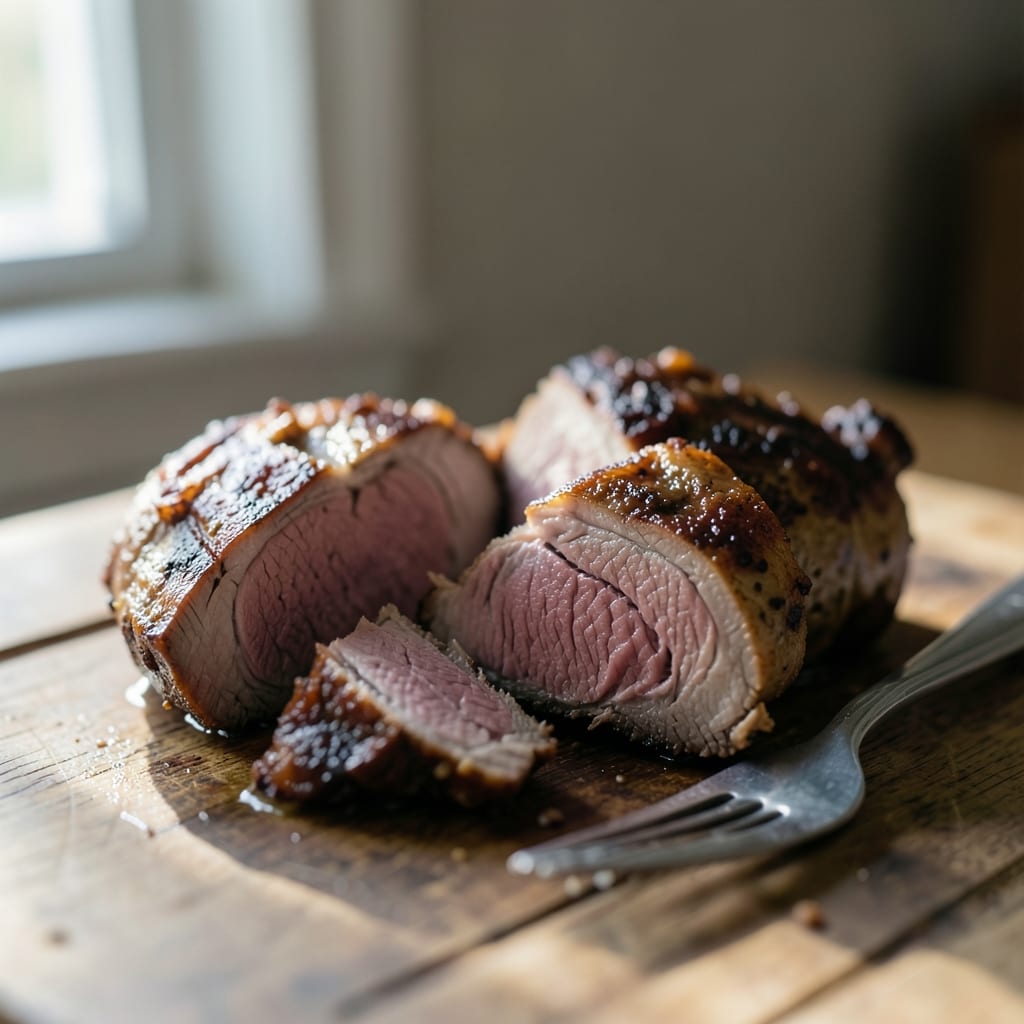
The first batch is always messy. Ingredients are measured by volume and weight, temperatures are eyeballed, and the oven is preheated ‘just right’ (which means it’s never right). If it fails, the notes say *why*—underbaked? Overmixed? The wrong pan? No excuses, just facts.
The fixes
The second draft adjusts for the first. Eggs are weighed instead of counted. The mixer runs for exactly 30 seconds, no more. The recipe is tested in three different pans to see which one actually works. If a step feels unnecessary, it’s cut—but only if it doesn’t ruin the result.
What we will not do
This isn’t a place for recipes that require rare ingredients, obscure techniques, or a budget that doesn’t exist for most people. If it can’t be made with what’s already in your pantry—or what you can buy at a regular grocery store—it’s not here.
Things you will never find here
- Recipes that skip steps because ‘you’ll figure it out.’
- Dishes that take longer to explain than they do to make.
- Foods that rely on ‘tricks’ instead of real cooking.
- Anything that sounds fancier than it tastes.
Where to start
If you’re new, begin with the ‘Beginner’s Guide’ section—it’s for people who’ve burned toast but want to try something new. If you’re looking for a specific recipe, search by ingredient or technique. If you still can’t find it, the contact page can help track down what’s missing.
Say hello
We love hearing about the disasters and the triumphs—especially the ones that didn’t go as planned. If you’ve remade a recipe, improved it, or just want to ask why we do things a certain way, the contact page is the place to go.
The recipes are grouped by category: Appetizers, Beverages, Breakfast & Brunch, Desserts, Main Courses and Reviews.