
Desserts
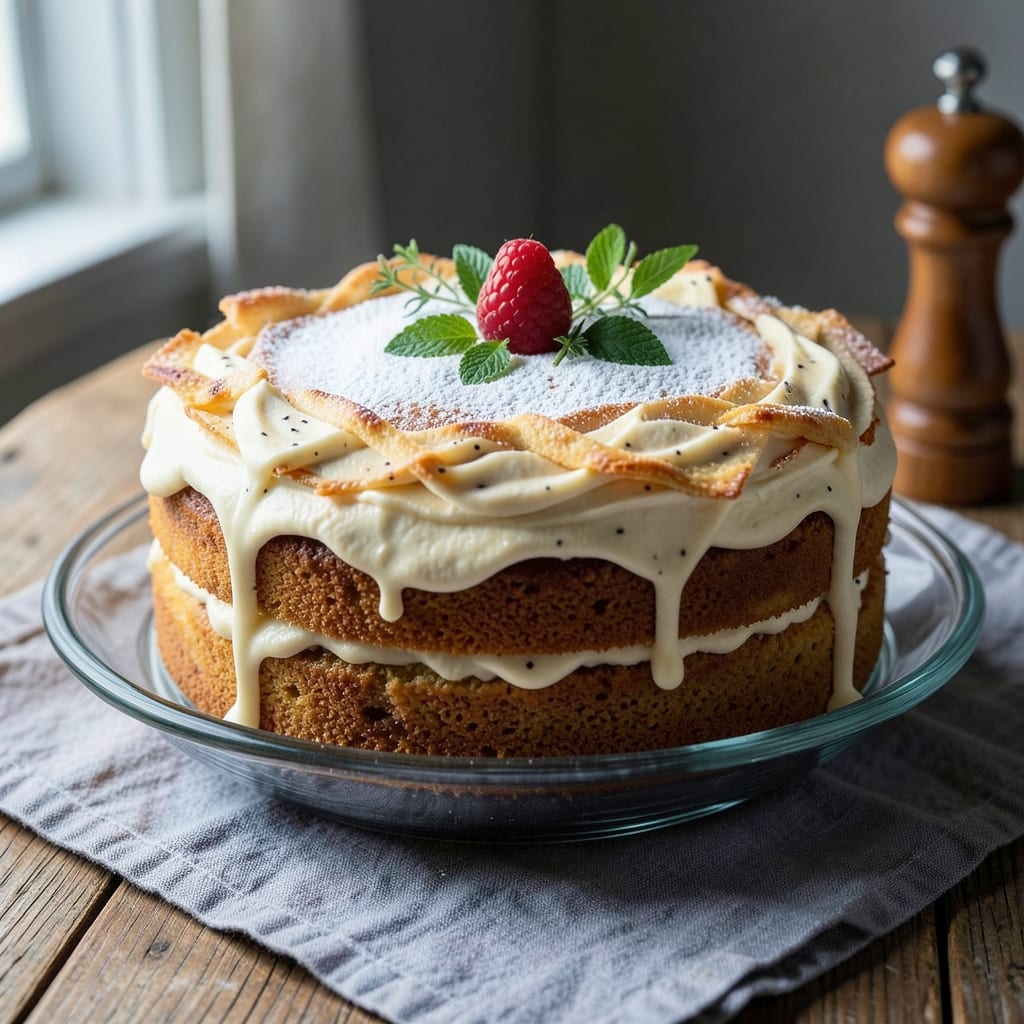
This all-purpose cake recipe delivers the perfect foundation for any celebration—moist, tender layers that adapt effortlessly to frostings, fillings, and flavors. The secret lies in a precise balance of ingredients that create a light crumb while maintaining structure, ensuring your cake holds up to decoration and slicing. I’ve baked this recipe for everything from birthday parties to casual Sunday desserts, and it never fails to impress.
What makes this cake truly versatile is its foolproof method: a simple mix of butter, sugar, and eggs creates a stable base, while buttermilk adds moisture without compromising texture. The recipe uses basic pantry staples, so you won’t need to hunt for specialty ingredients, and the baking time is consistent—350°F for 25-30 minutes—for reliable results every time. Whether you’re piping frosting or adding fruit, this cake provides the ideal canvas.
Once baked, the cake develops a golden top with a tender interior that stays moist for days. The one-bowl mixing method cuts down on cleanup, and the recipe scales easily—double or halve it without sacrificing quality. Top with buttercream, chocolate ganache, or fresh berries, and you’ll have a showstopping dessert that feels homemade yet restaurant-worthy. Let’s get started on a cake that does it all.
Pro tip: For extra richness, replace half the all-purpose flour with cake flour, and for a lighter texture, fold in whipped egg whites at the end. This recipe is your go-to for any occasion—birthdays, holidays, or spontaneous treats. The possibilities are endless, and the results are always perfect.
Ingredients for all purpose cake
Basic pantry staples create a flawless vanilla base—versatile enough for any celebration.
| Ingredient | Amount | Notes |
|---|---|---|
| Unsalted Butter 🧈 | 1 cup | Softened to room temperature |
| Granulated Sugar 🍚 | 1 ½ cups | Superfine preferred for smooth texture |
| All-Purpose Flour 🌾 | 2 cups | Sifted for optimal aeration |
| Cake Flour 🌾 | ½ cup | Optional for lighter crumb |
| Large Eggs 🥚 | 2 whole | Room temperature for even mixing |
| Buttermilk 🥛 | 1 cup | Fresh for best moisture retention |
| Vanilla Extract 🌿 | 2 tsp | Pure, high-quality extract |
| Baking Powder 🧂 | 2 tsp | Diamond Crystal preferred |
| Salt 🧂 | ½ tsp | Fine sea salt for balance |
| Vegetable Oil 🫒 | ¼ cup | Light, neutral flavor |
The butter and sugar form the foundation of this cake, so use high-quality unsalted butter—none of that margarine nonsense. For the sugar, superfine works best if you've got it, but granulated will dissolve just fine with a quick pulse in your food processor. The flour ratio is key: all-purpose gives structure, while the optional cake flour adds tenderness. I always sift my dry ingredients together to avoid lumps—King Arthur flour is my go-to brand for consistent results. The buttermilk should be fresh; if you've got sour milk, add a splash of lemon juice to bring it back to neutral.
No buttermilk? Mix 1 tablespoon vinegar or lemon juice with 1 cup milk, let it sit for 5 minutes, and you're good to go. Swapping out the vanilla extract? Almond or bourbon extract adds depth, but stick with pure vanilla for classic flavor. The baking powder is non-negotiable—Diamond Crystal measures differently than Rumford, so if your recipe calls for 2 teaspoons, use 1 3/4 teaspoons of Rumford. For a richer cake, replace half the all-purpose flour with cake flour or pastry flour. And if you're feeling fancy, fold in whipped egg whites at the end for a lighter texture—just be gentle with that folding motion.
This batter keeps in the fridge for up to 24 hours, so you can prep ahead without stress. Once baked, the cake stays moist for 3-4 days at room temperature, wrapped tightly in plastic. For longer storage, slice and freeze portions for up to 3 months. The golden top develops best with a quick broil at the end—just watch it like a hawk to avoid burning. I always bake two 8-inch rounds at once; they come out perfectly even and give you plenty for decorating or sharing.
Why You'll Love This Recipe
- Pantry-Friendly Magic: I swear by this recipe because it only asks for what I always have: butter, sugar, flour, and eggs. No specialty ingredients, no last-minute grocery runs—just open the cabinet and go.
- Moist Without Gimmicks: That combo of cake flour and all-purpose flour? It’s the secret to a tender crumb that stays fresh for days. No greasy heaviness, no dry crumbles—just pure, buttery satisfaction.
- Bake Once, Enjoy Twice: I make a big sheet pan version on weekends, then slice it for breakfast toast, pack it for lunches, or serve it warm with ice cream. The same batter works for cupcakes, layers, or a simple sheet cake—no stress, just flexibility.
- Budget’s Best Friend: This recipe stretches my dollar without skimping on flavor. A single batch feeds six for dessert or doubles as a hearty snack. And because it’s so reliable, I never waste ingredients—I just repurpose leftovers into something new.
Step-by-step instructions for all-purpose cake recipe
This versatile vanilla base delivers perfect texture every time—crisp edges, tender crumb, and reliable rise.
Cream Butter, Sugar, and Oil for Maximum Aeration
In a stand mixer fitted with the paddle attachment, combine the 1 cup unsalted butter, 1.5 cups granulated sugar, and 0.25 cup vegetable oil. Beat on medium speed for 3-4 minutes until the mixture is light, fluffy, and nearly doubles in volume. You'll see ribbons form when the paddle lifts—this indicates proper aeration.
The reason we use both butter and oil is to balance moisture and structure. Butter adds flavor and richness, while oil ensures a tender crumb. If the mixture feels too thick after creaming, let it sit at room temperature for 5 minutes—it should become smooth and pale. This step is critical for achieving that signature cake texture.
Incorporate Eggs and Vanilla for Structural Stability
Add the 2 whole large eggs, one at a time, mixing on low speed for 30 seconds after each addition. Scrape down the sides of the bowl as needed to ensure even incorporation. Once fully combined, add the 2 teaspoons vanilla extract and mix for another 15 seconds until fully blended.
Room-temperature eggs blend more smoothly and create a more stable emulsion with the fat. If your eggs are cold, warm them in a bowl of warm water for 5 minutes before using. The vanilla extract should be pure—not imitation—and high-quality for the best flavor development. This step builds the foundation for your cake's structure.
Combine Dry Ingredients Separately for Optimal Aeration
In a medium bowl, whisk together the 2 cups all-purpose flour, 0.5 cup cake flour, 2 teaspoons baking powder, and 0.5 teaspoon salt. Sift the dry ingredients through a fine-mesh sieve directly into the bowl to eliminate any lumps. This ensures even distribution and prevents dense pockets in your cake.
Cake flour is optional but recommended for a lighter crumb. If you don't have it, substitute with an additional 0.5 cup all-purpose flour. The baking powder should be fresh—old baking powder loses its lift. This step is where the magic happens for a tender, airy texture.
Alternate Adding Dry Ingredients and Buttermilk
With the mixer on low speed, gradually add one-third of the dry ingredients to the butter mixture. Mix just until combined, then add half of the 1 cup buttermilk. Repeat this process, ending with the final third of dry ingredients. This alternating method creates a light, even crumb rather than a dense one.
The buttermilk adds moisture and acidity, which helps activate the baking powder for better rise. Mix only until the ingredients are just combined—overmixing develops gluten and makes the cake tough. The batter should be smooth and slightly thick, like heavy pudding. This step ensures your cake will have that perfect balance of tenderness and structure.
Bake to Golden Perfection for Even Texture
Preheat your oven to 350°F and grease two 8-inch round cake pans or one 9x13-inch pan thoroughly. Pour the batter evenly into the prepared pans. Bake for 25-30 minutes or until a toothpick inserted into the center comes out clean. The edges should be golden brown, and the top should spring back when gently touched.
Do not overbake—the cake will continue cooking as it cools. If the top browns too quickly, tent the pans with aluminum foil. For even baking, rotate the pans halfway through the baking time. This step ensures a perfectly baked cake with a tender crumb and crisp edges, ready for frosting or serving as-is.
Pro Tips For Making All Purpose Cake
- CREAM BUTTER COLD: I learned this the hard way—when butter’s too soft, cakes turn dense and greasy. Pull it straight from the fridge and cut it into chunks right before mixing, even if the recipe says "room temperature." The cold fat aerates better, and you’ll get that tender crumb you’re after.
- WHISK EGGS FIRST: Don’t just toss eggs into the mix like it’s a science experiment. Whisk them alone in a separate bowl until they’re fully combined and pale yellow—no streaks. This ensures even distribution, and your cake won’t have those weird, gummy pockets where the eggs didn’t blend in.
- SIFT DRY INGREDIENTS: Skipping the sift? You’re asking for tunnels. Cake flour and all-purpose flour need to be aerated to avoid a brick-like texture. Use a fine-mesh sieve and tap it gently on the counter to break up clumps—yes, even if the flour looks fine. This isn’t the prettiest step, but it’s the thing that matters most.
- BAKE UNTIL SET: Resist the urge to pull the cake out the second the top springs back—wait until a toothpick comes out with just a few moist crumbs, not wet batter. Overbaking dries it out, but underbaking leaves it gummy. If you’re nervous, check at the minimum time and tent with foil if it’s browning too fast.
Health benefits of these flavors
Balanced Carbohydrates
This cake provides a smart source of complex carbohydrates from all-purpose flour and sugar, offering sustained energy without the crash of refined sweets. A single serving (about 1/12 of the cake) contains roughly 25-30 grams of carbs, with fiber from the flour contributing to better blood sugar control. The buttermilk adds protein and calcium, making this a more nutritious treat than many store-bought versions. 💪
Moderate Fat for Satiety
The combination of butter and vegetable oil creates a rich yet balanced fat profile that keeps you satisfied longer. A serving delivers about 10-12 grams of fat, primarily from healthy unsaturated sources in the oil. Unlike cakes made with shortening, this version includes natural fats that support cell function and vitamin absorption. The butter also adds flavor without excessive heaviness.
Protein for Muscle Support
Don’t let the sweetness fool you—this cake packs a surprising 4-5 grams of protein per serving thanks to the eggs and buttermilk. The protein helps with muscle repair and keeps you full longer, making it a better dessert choice than many sugary alternatives. For extra protein, try adding 1 scoop vanilla protein powder to the batter when mixing the dry ingredients.
Rich in Micronutrients
Even a simple cake delivers essential vitamins and minerals. This recipe includes calcium from buttermilk, iron from flour, and vitamin B12 from eggs, all of which contribute to energy production and overall health. The vanilla extract also contains small amounts of antioxidants, though the real star is the balanced macronutrient profile that makes this cake a guilt-free indulgence. 🌟
Low in Sodium
With just 0.5 teaspoon of salt, this cake is naturally lower in sodium than many boxed mixes, which often contain 1 teaspoon or more. The salt enhances flavor without overpowering, and the buttermilk’s natural acidity helps balance sweetness. For a lighter touch, reduce the salt to 0.25 teaspoon if you prefer a subtler taste.
Customizable for Dietary Needs
This versatile base can be adapted for various dietary preferences. Swap all-purpose flour for almond flour or oat flour for a gluten-free option, or use coconut oil** instead of vegetable oil for a dairy-free version. The recipe’s simplicity makes it easy to tweak without sacrificing texture or flavor—proof that healthy desserts don’t have to be complicated. ✨
Nutrition facts
Frequently asked questions
Can I use this recipe for cupcakes instead of a full cake?
This batter works perfectly for cupcakes—just fill greased cupcake liners ⅔ full and bake at 350°F for 18-20 minutes. The same flavor and texture principles apply, but cupcakes will have a slightly denser crumb due to their smaller size. For extra height, pipe the batter into liners and bake in a water bath.
What's the best way to store leftover cake?
For short-term storage, wrap the cake tightly in plastic wrap and keep it at room temperature for 3-4 days. For longer storage, slice and freeze portions in airtight containers for up to 3 months. Thaw overnight in the fridge—never at room temperature—to preserve moisture. Pro tip: Store unfrosted cakes longer by refrigerating.
How do I make this cake gluten-free?
Replace the all-purpose flour with a 1:1 gluten-free baking flour blend (like Bob's Red Mill) and the cake flour with ½ cup gluten-free flour + ¼ cup cornstarch. Add ½ teaspoon xanthan gum if your blend doesn't contain it. The texture will be slightly denser but still delicious. For best results, let the batter rest 10 minutes before baking.
Why did my cake sink in the middle?
This usually happens from overmixing (developing gluten) or underbaking. Always mix just until combined when adding dry ingredients, and bake until a toothpick comes out clean. Another common cause is opening the oven door too early—let the cake set for 10 minutes before checking. For extra insurance, bake at 325°F for 35 minutes instead of 350°F.
Can I add mix-ins like chocolate chips or fruit?
Fold in ½ cup chocolate chips, chopped nuts, or fresh berries after adding the buttermilk. For fruit, pat it dry first to prevent sinking. Avoid adding too much liquid (like juice) as it can make the cake dense. Stir-ins work best in a 9x13-inch pan rather than round layers.