
Desserts
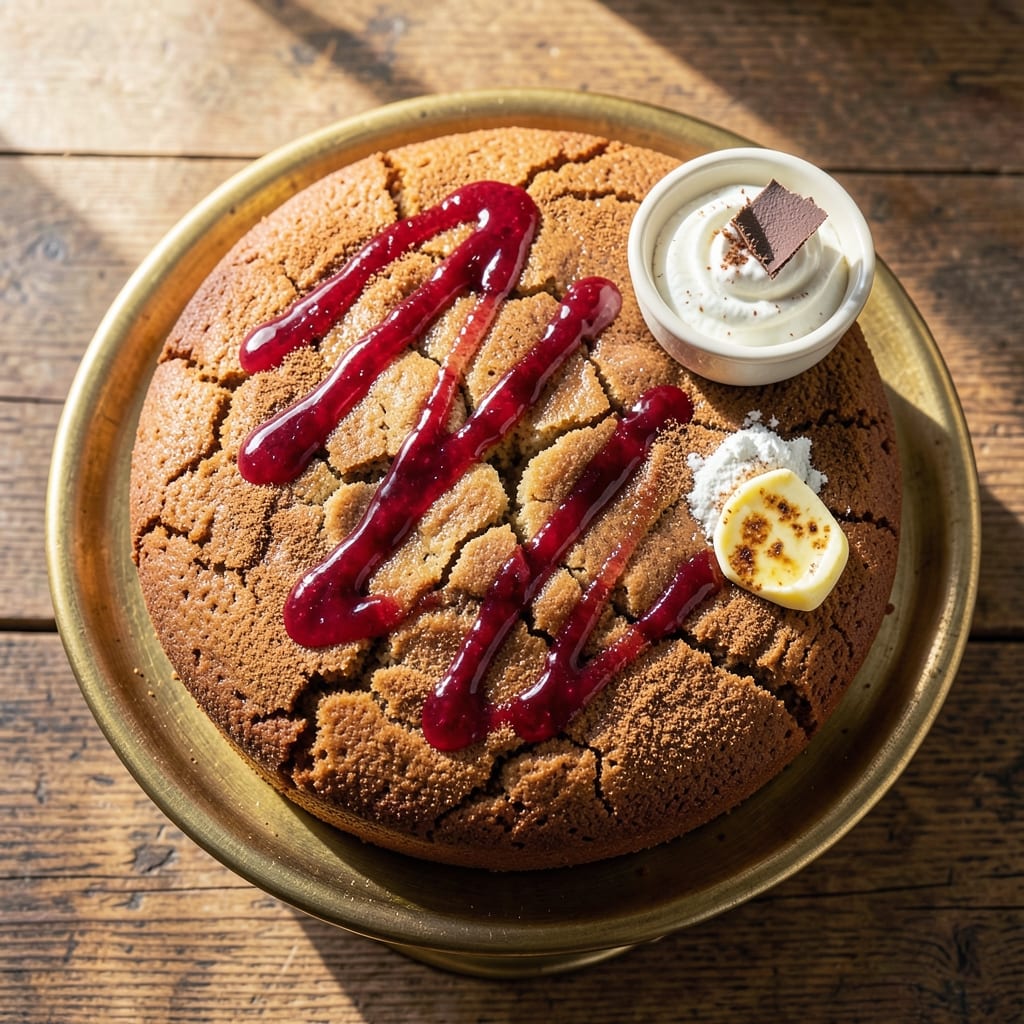
A single egg transforms ordinary coffee cake into something extraordinary—this 1-egg coffee cake recipe delivers a perfectly moist crumb and caramelized top that rivals bakery versions. The secret lies in a strategic balance of flour, sugar, and buttermilk, which creates that signature tender texture without requiring a full dozen eggs. I've baked this recipe countless times for brunch crowds, and it consistently earns rave reviews for its simplicity and foolproof results.
What makes this recipe truly special is its ability to deliver restaurant-quality coffee cake with minimal effort. The buttermilk tenderizes the crumb while the brown sugar adds subtle caramel notes that develop during baking. A simple streusel topping (just flour, sugar, and butter) creates that coveted crunchy contrast without requiring additional ingredients. The key is baking at the right temperature to achieve that golden, crackly top while keeping the interior soft.
By the time it emerges from the oven, you'll have a coffee cake with a perfectly caramelized top that crackles when sliced, a moist crumb that stays tender for days, and just enough sweetness to satisfy without being overwhelming. The aroma alone will have everyone gathering around the kitchen. This recipe is vegetarian, easy to adapt with add-ins like nuts or chocolate chips, and scales perfectly for any gathering size.
Serve it warm with a pat of butter or a drizzle of vanilla glaze for that bakery-fresh experience. The beauty of this recipe is its versatility—it works equally well for breakfast, dessert, or even as a snack. Let's get baking!
Ingredients for 1 egg coffee cake
Six simple ingredients transform one egg into bakery-style coffee cake magic.
| Ingredient | Amount | Notes |
|---|---|---|
| All-Purpose Flour 🌾 | 2 ½ cups | Sifted for even texture |
| Granulated Sugar 🍚 | 1 ¼ cups | White or light brown |
| Packed Brown Sugar 🍚 | ¾ cup | For caramelized flavor |
| Large Egg 🥚 | 1 whole | Room temperature preferred |
| Unsalted Butter 🧈 | ½ cup | Cold, cubed for streusel |
| Buttermilk 🥛 | 1 cup | Full-fat for tenderness |
| Baking Powder 🧂 | 2 tsp | Aluminum-free preferred |
| Salt 🧂 | ½ tsp | Diamond Crystal preferred |
| Vanilla Extract 🌿 | 1 tsp | Pure, high-quality |
| Ground Cinnamon 🌶️ | 1 tsp | Freshly ground preferred |
| All-Purpose Flour (Streusel) 🌾 | ¼ cup | Same as cake flour |
| Packed Brown Sugar (Streusel) 🍚 | ¼ cup | Same as cake sugar |
The flour is non-negotiable—King Arthur or Gold Medal brands yield the best texture. For the sugars, Domino or C&H are reliable choices, but organic sugars add subtle depth if you're willing to splurge. Buttermilk must be full-fat for proper tenderness; low-fat versions compromise moisture. Land O'Lakes or Great Value brands work perfectly. The baking powder should be fresh—test by mixing with water; if it fizzes vigorously, it's potent. Arm & Hammer aluminum-free is my go-to. For the streusel, cold butter is critical—it creates the signature crunch without melting into the cake.
No buttermilk? Substitute 1 cup milk + 1 tbsp vinegar (let sit 5 minutes). Brown sugar substitutes include white sugar + 1 tsp molasses for depth. Cinnamon can be swapped with pumpkin pie spice (reduce to 0.5 tsp). For the streusel, oat flour (blend rolled oats) adds texture if you're gluten-sensitive. Butter shortages? Coconut oil works, though flavor differs slightly. Pre-sifted flour saves time, but sifting at home prevents lumps. Diamond Crystal salt measures differently than Morton's—use 1/4 tsp less if substituting.
Store wrapped tightly at room temperature for 2 days or refrigerate for 5 days. For longer storage, freeze in slices—wrap individually in parchment. Reheat at 350°F for 10 minutes to restore freshness. Buttermilk should be used within 3 days of opening; baking powder lasts 6 months in an airtight container. Brown sugar absorbs moisture—keep it in a sealed jar with a damp paper towel to prevent hardening. Streusel leftovers? Sprinkle on yogurt or oatmeal for a sweet crunch.
Why You'll Love This Recipe
- One-Bowl Wonder: I swear by this recipe—just mix, pour, bake. No measuring cups to juggle, no extra bowls to wash. That single egg holds everything together while the brown sugar caramelizes into a sticky, buttery heaven.
- Rich Without the Guilt: Honestly, it’s the butter-to-sugar ratio that makes this work. That packed brown sugar? It’s the secret—deep molasses notes that cut through the richness, so every slice feels indulgent but not heavy. (Yes, even on a Tuesday night.)
- Breakfast or Snack Hero: I make this for my kids’ school lunches, my husband’s midday energy slump, or when I need a quick dessert. The texture stays moist for days, and the coffee cake vibe works for brunch, potlucks, or just because you’re craving something sweet.
- Budget Breakfast Hack: One egg, one stick of butter—that’s it for the heavy hitters. The rest is pantry staples, and a single cake serves four with leftovers that taste even better reheated. My go-to when I’m broke but still want to feel fancy.
Step-by-step instructions for perfect coffee cake
Here's how to achieve that signature moist crumb and caramelized top every time.
Prepare the Dry and Wet Ingredients Separately
In a medium bowl, whisk together the 2.5 cups all-purpose flour, 2 teaspoons baking powder, 0.5 teaspoon salt, and 1 teaspoon ground cinnamon. Sift the mixture once to eliminate any lumps and ensure even distribution. I always sift dry ingredients first—this prevents dense pockets in the final cake and guarantees a tender crumb.
In a separate large bowl, combine the 1 whole large egg, 1 cup buttermilk, 1 teaspoon vanilla extract, 1.25 cups granulated sugar, and 0.75 cup packed brown sugar. Whisk until the sugars are completely dissolved and the mixture is smooth. The buttermilk adds acidity that reacts with the baking powder for lift, while the brown sugar contributes moisture and caramelization.
Combine Wet and Dry Ingredients Gently
Gradually add the dry ingredients to the wet mixture, mixing just until combined. I use a spatula to fold gently—overmixing develops gluten and leads to a tough cake. Stop mixing as soon as you see no more flour streaks. The batter should be thick but pourable, with a consistency similar to heavy pancake batter.
This is where the magic happens: the buttermilk and butter create tiny pockets of air that expand during baking, while the single egg provides structure without excessive protein. The combination ensures a tender yet stable crumb that holds up to slicing. Pour the batter into a greased and floured 9-inch round cake pan or 8x8-inch square pan, spreading it evenly.
Prepare the Streusel Topping
In a small bowl, cut the 0.5 cup unsalted butter into small cubes and let it sit at room temperature for 5 minutes to soften slightly. Then, using your fingertips or a fork, mix it with the 0.25 cup all-purpose flour (streusel) and 0.25 cup packed brown sugar (streusel) until crumbly. The butter should be cool but pliable—this ensures the streusel stays firm on top during baking rather than melting into the cake.
Sprinkle the streusel evenly over the batter, pressing down gently to help it adhere. The brown sugar in the streusel will caramelize beautifully, creating that coveted crunchy top. Here's the thing—don't press too hard or you'll compact the streusel and lose that desirable texture contrast between the moist cake and crispy topping.
Bake to Golden Perfection
Preheat your oven to 350°F and place a baking sheet on the lower rack to catch any potential drips. Bake the coffee cake for 35-40 minutes until the edges are golden brown and a toothpick inserted in the center comes out clean. The cake should spring back slightly when pressed gently in the center.
I've found that baking time varies slightly based on pan type—square pans tend to bake faster than round ones. Watch the edges first: they should be deep golden brown while the center remains just slightly underdone. This ensures maximum moisture retention. Let the cake cool in the pan for 10 minutes before transferring to a wire rack to cool completely.
Serve Warm for Maximum Enjoyment
While the cake is still warm, slice it into wedges and serve with your favorite coffee or tea. The contrast between the moist, cinnamon-infused crumb and the caramelized streusel topping makes this coffee cake truly special. I like to serve it within the first hour when the streusel is still slightly soft and sticky from the residual heat.
For best results, store any leftovers in an airtight container at room temperature for up to 3 days or refrigerate for up to 5 days. The cake keeps well, but it's at its peak freshness when served warm. The buttermilk and brown sugar combination ensures it stays moist even after a day or two.
Pro Tips For Making 1 Egg Coffee Cake
- Cream Butter Properly: I learned this the hard way—cold butter makes a dense cake. Soften the butter to room temperature (about 65°F) and beat it with the sugars until it’s light and fluffy, not just combined. That means 3-5 minutes of steady mixing until the mixture is pale and thick enough to leave a trail when you lift the beaters. (Yes, even if you’re impatient like me.)
- Measure Brown Sugar Right: Packed brown sugar isn’t just "scooped and leveled." Press it firmly into the measuring cup and level it off with a knife—this recipe counts on the moisture, not guesswork. I used to skip this, and the cake turned out dry and crumbly. (Your future self will thank you.)
- Don’t Overmix the Batter: Once you fold in the dry ingredients, stop mixing the second everything is just combined. Overmixing develops gluten, and this cake will turn out tough instead of tender. Think "lumps are okay"—this isn’t a pancake. (And yes, I’ve made the tough-cake mistake. Twice.)
- Bake Until Golden, Not Just Set: This cake’s done when the top is deep golden brown, not pale yellow. If it springs back slowly when pressed, it’s ready—if it’s still jiggly, it needs 5-10 more minutes. I used to pull it too soon, and the texture was more cake than coffee cake. (Patience here makes all the difference.)
Common mistakes when making perfect results
Overmixing the Batter
This is the #1 mistake that turns tender coffee cake into tough, dense brick. When you mix the wet and dry ingredients, stop immediately after seeing no more flour streaks—overmixing develops gluten, which creates a chewy texture instead of that signature tender crumb. I've ruined more coffee cakes than I'd admit by keeping that mixer going just a few seconds too long. 🥛
Skipping the Buttermilk Substitute Test
If you don't have buttermilk, don't just grab any substitute—some work better than others. The classic milk + vinegar combo requires exactly 5 minutes of resting time to properly curdle. I once used lemon juice instead and ended up with a cake that was too acidic and dense. For best results, use 1 cup milk + 1 tbsp white vinegar and let it sit until it thickens like buttermilk.
Using Warm Butter for Streusel
The streusel topping relies on cold butter to create that perfect crunchy contrast. If your butter is too warm, it'll melt into the cake instead of staying firm on top. I learned this the hard way when my first attempt resulted in a soggy, flavorless topping. Always cut butter into small cubes and let it sit at room temperature for just 5 minutes before mixing with the streusel ingredients.
Incorrect Pan Preparation
Greasing your pan isn't enough—you need to flour it too. I've seen cakes stick because people only greased the pan without the flour barrier. Use a pastry brush to apply butter or oil, then sprinkle flour evenly. For round pans, I also dust the bottom with extra flour to prevent sticking. Don't skip this step—it's what keeps your coffee cake from becoming a frustrating cleanup project.
Baking at Wrong Temperature
This recipe is specifically designed for 350°F—any higher and the streusel burns before the cake bakes through, while lower temperatures result in a dense center. I once baked mine at 375°F because I was impatient and ended up with a cake that was burnt on top but raw inside. Use an oven thermometer to verify your oven's accuracy, and never open the oven door during the first 25 minutes of baking.
Not Cooling Properly
Rushing to slice your coffee cake right after baking is a recipe for disaster. The cake needs that 10-minute rest in the pan to set properly before transferring to a wire rack. I've seen cakes fall apart when sliced too soon because the structure hasn't fully stabilized. Let it cool completely before serving to maintain that perfect texture contrast between the moist crumb and crispy streusel. 💫
Nutrition facts
Frequently asked questions
Why does this recipe only use 1 egg?
This recipe achieves perfect texture through a clever balance of buttermilk and baking powder, which create lift without needing multiple eggs. The single egg provides structure while keeping the crumb tender. The brown sugar and proper mixing technique prevent dryness or density that often occurs in low-egg baked goods.
Can I make this coffee cake without buttermilk?
Yes! Use 1 cup milk + 1 tablespoon white vinegar (let sit 5 minutes) or 1 cup plain yogurt. Avoid lemon juice—it makes the cake too acidic. The substitute must thicken properly to maintain the tender crumb. Test by mixing a small amount first to verify consistency.
How do I prevent the streusel topping from burning?
Use cold butter cubes (not softened) and bake at exactly 350°F. Avoid opening the oven during the first 25 minutes of baking. If your oven runs hot, consider baking on the middle rack instead of the top. The streusel should be golden brown, not blackened.
Can I add mix-ins like nuts or chocolate chips?
Fold in ½ cup chopped walnuts or pecans with the dry ingredients, or add ½ cup chocolate chips to the wet mixture. For best results, use semi-sweet or dark chocolate chips (60% cocoa or less). Keep mix-ins to ½ cup total to maintain the cake's moisture balance.
How do I store leftovers to keep them fresh?
Wrap tightly in plastic wrap or aluminum foil and store at room temperature for 2 days. For longer storage, refrigerate for up to 5 days or freeze slices individually for 3 months. To revive stale cake, warm at 350°F for 10 minutes before serving.