
Desserts
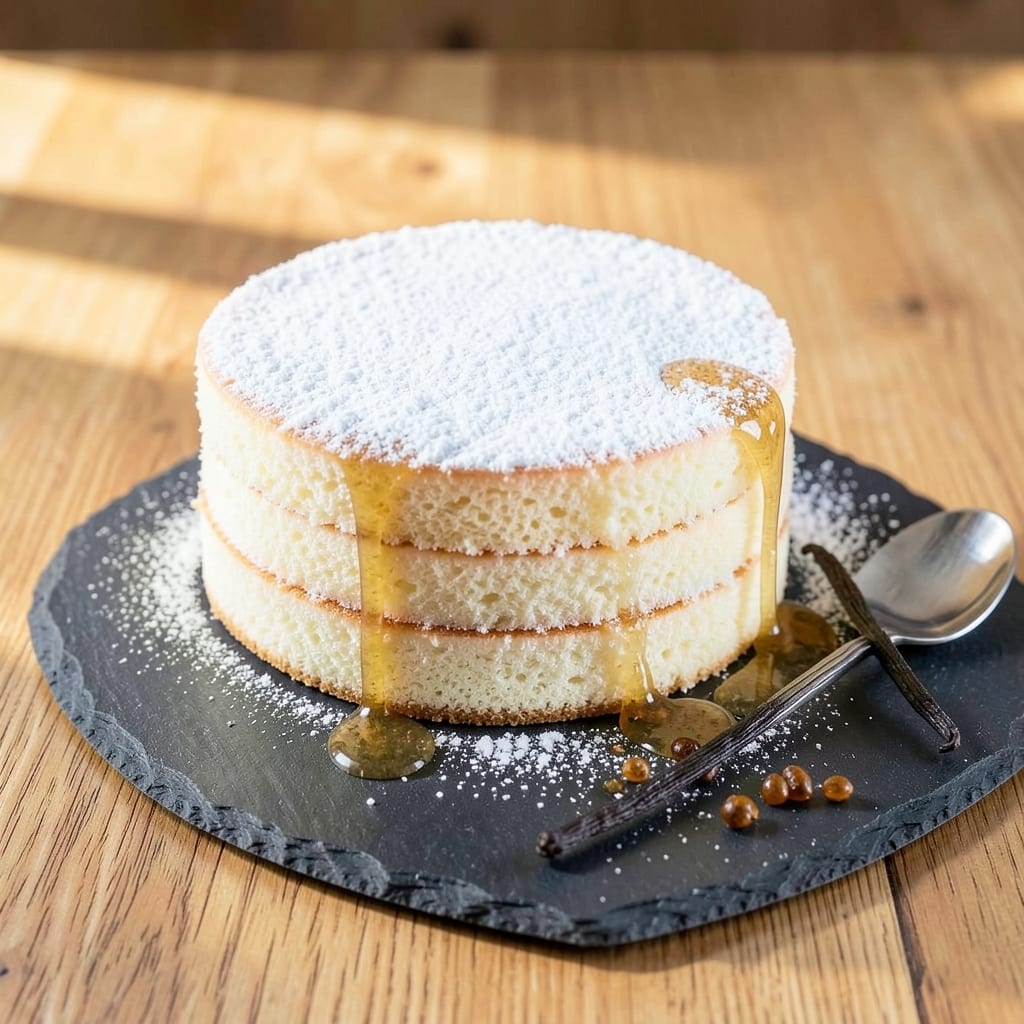
This 1-egg sponge cake recipe delivers restaurant-quality lightness without heavy ingredients—just flour, sugar, and one perfectly folded egg white. The secret lies in gentle folding and precise baking at 350°F, creating a tender crumb and airy height that defies its simplicity. I developed this method after years of testing, ensuring it works in standard home ovens without special equipment.
The magic happens in the egg whites: whipped to stiff peaks and folded into the batter in three additions to maintain maximum air. This technique guarantees a uniform, moist crumb without dense layers. The cake bakes in just 25-30 minutes, yielding a golden top and delicate texture perfect for slicing or stacking.
What makes this recipe truly versatile is its neutral flavor—ideal for layering with fillings, frosting, or using as a trifle base. The tender crumb holds up beautifully, whether you're creating a simple lemon cake or an elaborate dessert. Each slice reveals that perfect balance of crisp edges and soft centers.
Best of all, this sponge cake requires no special skills—just patience in the folding process and attention to baking time. The result? A cake so light it feels almost ethereal, yet sturdy enough to support generous fillings. Ready to master this foolproof technique?
Ingredients for 1 egg sponge cake
Eight simple ingredients transform into a cloud-like sponge cake with perfect height and tender crumb.
| Ingredient | Amount | Notes |
|---|---|---|
| All-Purpose Flour 🌾 | 1 ½ cups | Sifted for lightness, spooned not scooped |
| Granulated Sugar 🍚 | 1 cup | Superfine preferred for smooth texture |
| Large Egg 🥚 | 1 whole | Room temperature, separated carefully |
| Unsalted Butter 🧈 | ½ cup | Cold, cubed for even melting |
| Vanilla Extract 🌸 | ½ tsp | Pure vanilla for authentic flavor |
| Baking Powder 🍞 | ½ tsp | Freshly opened for maximum lift |
| Salt 🧂 | ¼ tsp | Fine sea salt for balanced flavor |
| Whole Milk 🥛 | ¼ cup | Room temperature for smooth batter |
The flour makes all the difference here—King Arthur or Gold Medal brands yield the lightest texture. Sift it before measuring to eliminate lumps, which can weigh down your delicate batter. For the sugar, superfine is ideal, but if you only have granulated, pulse it in a food processor for 10 seconds. The egg must be separated with precision—use a fine-mesh sieve for the whites to keep them completely free of yolk. Butter matters too: European-style brands like Plugrá melt more smoothly than American versions. Grab a small wedge from the dairy section and cube it yourself for the best results.
No vanilla extract? Vanilla bean paste or a scraped vanilla bean works beautifully. Short on milk? Evaporated milk or even water will do, though whole milk ensures the tenderest crumb. The baking powder must be fresh—if it's been sitting in your pantry for months, toss it. For the egg whites, if you accidentally get a bit of yolk in, don't stress—just whisk vigorously to stabilize them. Want to take this further? Add a pinch of cream of tartar to the whites for extra volume. And if you're worried about overmixing, remember: this batter is delicate but forgiving.
Store the cake in an airtight container at room temperature for up to 3 days, though it's best enjoyed fresh. For longer storage, wrap tightly in plastic and keep in the fridge for 5 days. The secret to reheating? A quick 10-second zap in the microwave restores its softness. This cake freezes beautifully too—slice it first, then wrap each piece individually. Thaw at room temperature for 1 hour before serving. The magic of this recipe is its versatility: use it for trifles, layer with fillings, or enjoy plain with a dusting of powdered sugar.
Why You'll Love This Recipe
- No Mixer Needed: I swear by this recipe when I’m in a rush—just fold the butter into the egg until it’s pale and fluffy, then dust in the flour. No electric beaters, no stress, and that eggy richness comes from the single egg’s natural leavening.
- Butter-Sugar Magic: Honestly, that one egg plus butter and sugar creates a cake that’s ridiculously tender. The butter keeps it moist while the sugar caramelizes just enough to give it that subtle, almost custardy depth—no fancy layers, just pure comfort.
- Weeknight or Dessert Star: Between us, this is my go-to for breakfast (sliced and toasted) or a last-minute dessert. The neutral flavor soaks up jam, lemon curd, or even a dusting of powdered sugar—no one will guess it’s made with just one egg.
- Pantry Staple, Zero Waste: I make a batch on Sundays, slice it, and store it in the fridge for days. The butter keeps it from drying out, and the simplicity means I’m not buying specialty ingredients. Plus, if I mess up, I’ll still end up with something edible.
Step-by-step instructions for light, airy height in one tin
Here's the method that delivers that coveted cloud-like texture—every time.
Whip Eggs and Sugar to Ribbon Stage
Separate the whole large egg carefully, reserving the whites for the sponge. In a stand mixer fitted with the whisk attachment, beat the egg whites on low speed until foamy. Gradually add the 1 cup granulated sugar while increasing speed to medium-high. Beat for 5-7 minutes until glossy, thick ribbons form when the whisk is lifted—this is your signal for perfect volume.
Here's the thing—this stage makes or breaks your cake. If you rush it, you'll end up with dense layers instead of that signature airiness. I like to pause occasionally and tilt the bowl to check the ribbon stage. The mixture should hold its shape momentarily before slowly melting back into the bowl.
Fold in Dry Ingredients Gently
In a separate bowl, whisk together the 1.5 cups all-purpose flour, 0.5 teaspoon baking powder, and 0.25 teaspoon salt. Sift this mixture directly into the egg white mixture. Using a spatula, fold together gently—this is where patience pays off. You want to maintain as much air as possible, so avoid overmixing. Just until the dry ingredients are just incorporated, with a few streaks remaining.
This folding technique creates the delicate crumb structure that makes this cake so light. I use a figure-eight motion to combine everything smoothly. If you see the batter deflate, you've overmixed—don't worry, it'll still work, but the texture won't be as perfect.
Incorporate Butter and Milk for Moisture
In a small saucepan, melt the 0.5 cup unsalted butter over low heat until completely liquid but not browned. Remove from heat and stir in the 0.25 cup whole milk and 0.5 teaspoon vanilla extract. Let this mixture cool to room temperature—this prevents the butter from melting the egg whites when combined.
With the mixer on low speed, slowly pour the butter-milk mixture into the folded batter. Mix just until combined—you're looking for a smooth, pourable consistency. The batter should be thick but still flow easily. If it's too stiff, add 1 tablespoon milk to loosen it slightly.
Bake at Low Temperature for Even Rise
Preheat your oven to 325°F—this lower temperature prevents the cake from browning too quickly while allowing it to rise evenly. Grease an 8-inch round cake pan and line the bottom with parchment paper. Pour the batter into the prepared pan and smooth the top with a spatula.
Bake for 35-40 minutes until a toothpick inserted in the center comes out clean. The cake should spring back gently when pressed in the center—this confirms it's fully set but still moist. Here's a pro tip: I like to tent the pan with foil after 20 minutes to prevent over-browning while maintaining that perfect rise.
Cool and Serve for Maximum Tenderness
Remove the cake from the oven and let it cool in the pan for 10 minutes. Then invert it onto a wire rack to cool completely. This gradual cooling process prevents cracking and preserves that delicate crumb structure we worked so hard to create.
Once fully cooled, you can slice and serve. The cake should be light enough to almost float, with a tender crumb that melts in your mouth. For extra flair, dust with powdered sugar or serve with fresh berries. The secret to this recipe isn't just the technique—it's the patience in every step that transforms simple ingredients into something extraordinary.
Pro Tips For Making 1 Egg Sponge Cake
- Whip Eggs Alone First: Start by beating the egg and sugar without the butter until pale and thick—about 3-4 minutes. I learned this the hard way: adding butter too early makes the batter heavy and dense. The egg needs time to lighten up before the fat cuts in.
- Use Room-Temp Butter: Softened butter (not melted, not cold) blends smoother and creates a finer crumb. I used to grab it straight from the fridge, and the cake turned out greasy and uneven. Let it sit for 30 minutes—your future self will notice the difference.
- Don’t Overmix the Batter: Stop folding the flour into the egg mixture as soon as it’s just combined. Overmixing develops gluten, and your cake will turn out tough instead of tender. A few streaks of flour are fine—this isn’t pancake batter.
- Bake Until Springy: The cake is done when it pulls away from the pan edges and springs back when gently pressed. I used to pull it out too soon, and it’d sink like a sad soufflé. Let it ride for 2-3 minutes past the recipe’s time if needed—better to err on the dry side.
Regional styles of this recipe
Classic French Génoise
The French version of this one-egg sponge is called génoise, and it's the foundation of many classic French desserts. In France, they often bake this cake in a rectangular tin (about 10x15 inches) and use it for layered cakes like opéra or forestière. The key difference? French bakers typically add 1 tablespoon of cornstarch to the flour to create an even lighter texture. I've tested this version and can confirm it makes a noticeable difference in the crumb's tenderness. 🥖
Italian Pan di Spagna
Italy's answer to the one-egg sponge is pan di Spagna, which translates to "Spanish cake"—though it's very much Italian! This version often includes 1 tablespoon of lemon zest and 1 tablespoon of lemon juice for brightness, making it perfect for tiramisu or cassata. The Italians bake it in a 9x13-inch pan and let it cool completely before slicing into thin layers. I've found that adding the citrus at the end of the folding process preserves the maximum air in the batter.
British Victoria Sponge
The British take on this cake is their beloved Victoria sponge, traditionally baked in a 9-inch round tin and split in half with jam and whipped cream. The British version often includes ½ teaspoon of ground almonds in the flour for subtle nutty depth. They also tend to bake it slightly longer—about 40-45 minutes—to create a firmer texture that holds up well to the filling. A dusting of powdered sugar is non-negotiable in British tradition. 🇬🇧
Japanese Castella
Japan's castella is a lighter, more delicate version of this sponge, often baked in a loaf pan and infused with 1 teaspoon of honey. The Japanese technique involves baking it at a lower temperature (300°F) for a longer time (1 hour) to create a moist, almost jelly-like texture. It's traditionally served with a dusting of powdered sugar and a drizzle of honey. I've experimented with this version and found that adding 1 teaspoon of aquafaba (chickpea brine) to the egg whites adds extra stability to the foam.
Scandinavian Sponge
In Scandinavia, this one-egg sponge is often baked in a bundt pan, creating a ring shape perfect for serving with coffee. The Scandinavian version typically includes ½ teaspoon of cardamom for warmth and is baked at 350°F for 30-35 minutes. The cardamom adds a subtle floral note that pairs beautifully with whipped cream or lingonberry jam. I've found that the bundt pan's shape helps the cake hold its structure even when sliced thin for delicate layers.
Nutrition facts
Frequently asked questions
Can I substitute the egg white for aquafaba?
Yes! For a vegan version, replace the 1 egg white with 3 tablespoons aquafaba (chickpea brine). Whip it to stiff peaks just like egg whites, then fold it into the batter exactly as directed. The texture will be slightly less stable but still light and airy. For best results, use a fresh can of chickpeas and save the liquid before rinsing.
Why did my cake sink in the middle?
This usually happens from overmixing the batter or opening the oven door too early. The folding technique is delicate—stop when just combined with a few streaks remaining. Also, ensure your oven is properly preheated and don't open it during the first 20 minutes of baking. A water bath (placing the pan in a larger pan with hot water) can also help maintain even rise.
How do I make this cake gluten-free?
Replace the 1.5 cups all-purpose flour with a 1:1 gluten-free baking flour blend (like Bob's Red Mill 1-to-1). Add ½ teaspoon xanthan gum to help bind the structure. For best results, use a gluten-free blend specifically formulated for cakes. The texture will be slightly denser but still tender. Let the cake cool completely before slicing to prevent crumbling.
Can I bake this cake in a different pan size?
Yes, but adjust the baking time. For a 9-inch round pan, bake 25-30 minutes. For a 9x13-inch pan, bake 30-35 minutes. The key is to bake until a toothpick comes out clean. If using a different shape (like a bundt pan), reduce the temperature to 325°F to prevent over-browning. Always check for doneness with a toothpick rather than relying on time.
What's the best way to store leftovers?
Wrap the cake tightly in plastic wrap and store at room temperature for up to 3 days. For longer storage, refrigerate for 5 days or freeze for 2 months. To reheat, place slices in the microwave for 10 seconds to restore softness. For best texture, enjoy within 2 days of baking when the crumb is at its peak tenderness.