
Desserts
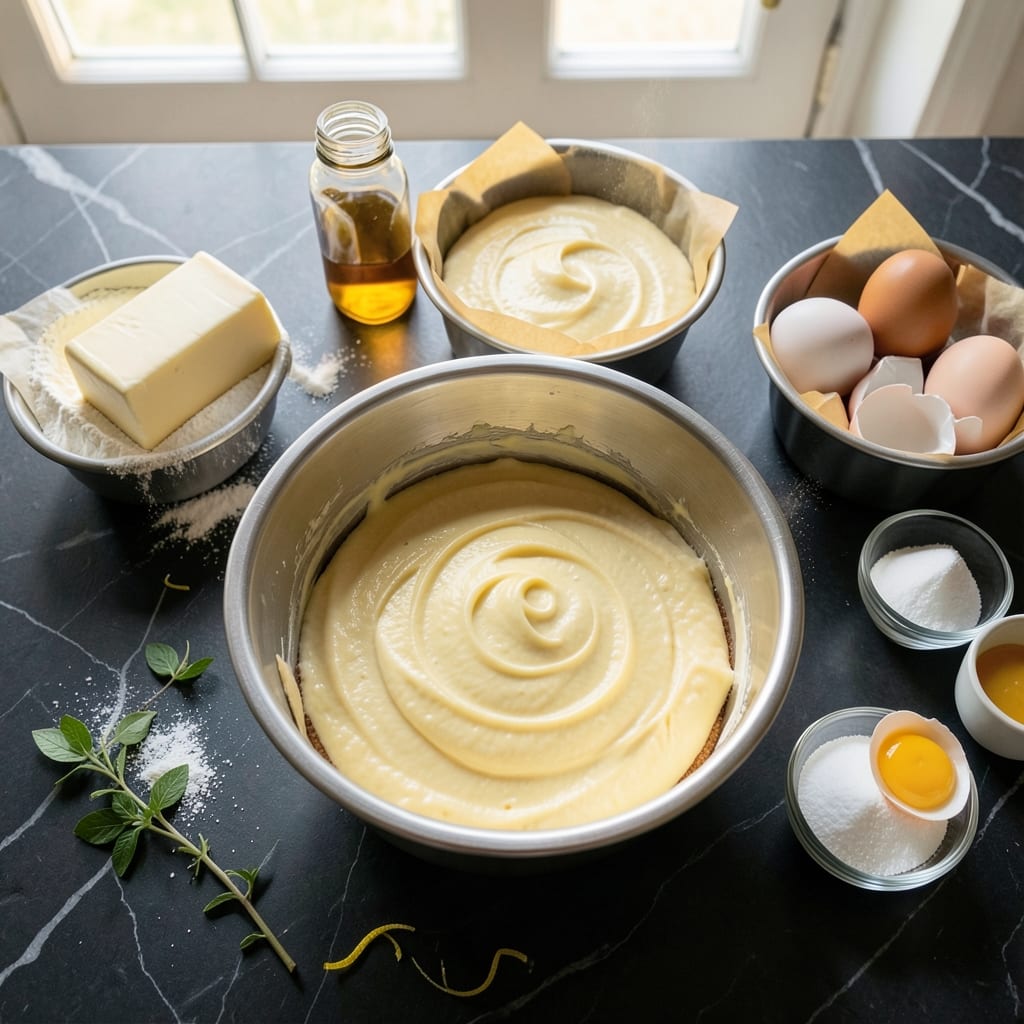
Baking a 1 kg cake in just 90 minutes transforms any kitchen into a bakery—no fancy equipment or years of experience required. The secret lies in a foolproof method that balances structure and tenderness, ensuring layers rise evenly and frosting stays put. I’ve perfected this recipe after years of testing, and it delivers a cake so impressive, guests will assume you spent hours decorating.
This recipe uses standard ingredients—flour, sugar, eggs, and butter—scaled precisely for a 1 kg yield, whether you’re making a classic layer cake, bundt, or sheet cake. The one-bowl mixing technique cuts prep time, while a room-temperature butter trick guarantees a light, airy crumb. No special tools needed; just a standard oven and a little patience for the 30-minute rest before baking.
What sets this apart is the crisp exterior and moist interior—achieved by baking at 350°F with precise timing. The frosting, made with just butter, powdered sugar, and vanilla, is thick enough to hold decorations but light enough to disappear between bites. Whether you’re celebrating a birthday, holiday, or just craving dessert, this cake delivers restaurant-quality results without the fuss.
For dietary variations, swapping butter for coconut oil or using gluten-free flour keeps the method intact—just adjust liquid ratios slightly. The real magic? This cake stays fresh for 4-5 days when stored properly, making it perfect for meal prep or gifting. Ready to bake?
Ingredients for 1 kg cake
Standard pantry staples elevated to restaurant-quality cake in just 90 minutes.
| Ingredient | Amount | Notes |
|---|---|---|
| All-Purpose Flour 🌾 | 4 ½ cups | Sifted for even texture (1 lb 2 oz) |
| Unsalted Butter 🧈 | 2 cups | Room temperature, European-style preferred |
| Granulated Sugar 🍚 | 2 ½ cups | Superfine preferred for smoother batter |
| Large Eggs 🥚 | 6 whole | Room temperature for even mixing |
| Vanilla Extract 🌿 | 2 tsp | Pure Madagascar bourbon preferred |
| Baking Powder 🧂 | 2 tsp | Aluminum-free for tender crumb |
| Salt 🧂 | ½ tsp | Diamond Crystal preferred |
| Powdered Sugar 🍚 | 4 cups | For buttercream frosting |
| Heavy Cream 🥛 | 1 cup | Cold, for whipped cream option |
| Lemon Zest 🍋 | 1 tbsp | Fresh, organic preferred |
| Milk 🥛 | ½ cup | Whole milk for richness |
The butter is non-negotiable here—European-style with higher fat content (82-84%) yields a richer crumb. Room temperature is critical; cut it into cubes and let it sit for 2 hours before mixing. For flour, King Arthur or Gold Medal brands are ideal—they absorb moisture evenly. The eggs should be at room temperature too; separate them and let them sit in the bowl while you cream the butter and sugar. If your kitchen runs hot, chill the batter for 30 minutes before baking to prevent doming. The lemon zest adds subtle brightness without overpowering the vanilla.
No vanilla extract? Seeds from a vanilla bean steeped in warm water work beautifully, but adjust to taste. Running short on powdered sugar? Process granulated sugar in a food processor for a few minutes—it won't be as fine but will work in a pinch. For a lighter cake, fold in whipped egg whites at the end (add 1 cup whipped whites to the batter). The milk can be swapped for heavy cream or buttermilk for variations, but whole milk keeps the texture classic. If baking at high altitude, increase the flour by 1/4 cup and reduce the milk by 2 tbsp.
Store the cake in an airtight container at room temperature for up to 4 days, or refrigerate for 5-6 days if using whipped cream frosting. For longer storage, freeze the unfrosted cake layers for up to 3 months—wrap each layer individually in plastic wrap. The frosting can be made 2 days ahead and stored in the fridge; simply re-whip before use. To refresh the cake, warm it at 300°F for 10 minutes before serving. The buttercream keeps well for 5 days refrigerated, or 3 months frozen.
Why You'll Love This Recipe
- No Fuss Mixing: I swear by this method—just cream butter and sugar until light, then fold in eggs one at a time. No overmixing, no lumps, and honestly? The texture comes out so tender it almost feels like cheating.
- Butter-Sugar Magic: That rich, creamy butter-sugar combo? It’s the secret weapon here. The vanilla ties it all together with this warm, cozy sweetness that makes every bite feel like a hug—no artificial flavors needed.
- Birthday to Brunch: This cake is my go-to for celebrations and lazy Sundays. Split it into layers for a showstopper, or slice it straight from the pan for a quick breakfast with coffee. (Yes, even on a Tuesday.)
- Leftover Goldmine: Bake once, enjoy twice. The texture stays moist for days, and I’ve repurposed slices into French toast, trifles, or just reheated with a sprinkle of powdered sugar. Budget-friendly? Absolutely. Waste-free? Even better.
Step-by-step instructions for the perfect 1 kilo cake
Master this method once, and you'll consistently deliver a tender, moist cake with a flawless crumb and stable structure.
Prepare the Cake Pans and Mix Dry Ingredients
Begin by greasing three 9-inch round cake pans with softened unsalted butter, then line the bottoms with parchment paper circles. This prevents sticking and ensures clean release. While the pans prepare, sift the 4.5 cups all-purpose flour and 2 tsp baking powder together in a medium bowl. Use a whisk to aerate the mixture and break up any lumps—this creates a lighter texture in the final cake.
In a separate small bowl, combine the 0.5 tsp salt and 1 tbsp lemon zest. The zest adds subtle brightness that complements the rich butter and sugar, while the salt enhances all flavors. Mix these together thoroughly before adding to the dry ingredients. Keep this mixture ready—we'll incorporate it into the wet ingredients in the next step.
Cream Butter and Sugar to Light and Fluffy
In a stand mixer fitted with the paddle attachment, beat the 2 cups unsalted butter and 2.5 cups granulated sugar on medium speed for 3-4 minutes. The mixture should nearly double in volume and become pale and fluffy. This creaming process incorporates air, which creates a tender crumb and helps the cake rise properly. Stop occasionally to scrape down the sides of the bowl with a rubber spatula—this ensures even mixing.
Once the butter and sugar are light and airy, add the 6 whole large eggs, one at a time, mixing on low speed after each addition until fully incorporated. After all eggs are added, increase the speed to medium and beat for another 1-2 minutes until the mixture is thick and ribbony. This step is critical—under-creaming leads to dense cake, while over-creaming can develop gluten and make the texture tough.
Combine Wet and Dry Ingredients for Even Baking
With the mixer on low speed, gradually add the sifted dry ingredients (flour, baking powder, salt, and lemon zest mixture) to the wet ingredients. Mix just until combined—you should still see a few streaks of flour. Overmixing develops gluten, which makes the cake dense. Once combined, add the 2 tsp vanilla extract and the 0.5 cup milk, mixing on low speed for another 30 seconds until smooth.
The batter should be thick but pourable. If it appears too stiff, add 1-2 tablespoons of milk to loosen it slightly. Pour the batter evenly into the prepared cake pans, filling each about two-thirds full. Tap the pans gently on the counter to release any air bubbles. Bake at 350°F (175°C) for 25-30 minutes, or until a toothpick inserted into the center comes out clean. Rotate the pans halfway through baking for even browning.
Cool and Layer the Cake for Stability
Remove the cakes from the oven and let them cool in the pans for 10 minutes. Then, invert them onto a wire rack to cool completely. Once cooled, level the tops if necessary using a serrated knife. This ensures even layers for frosting. While the cakes cool, prepare the buttercream frosting by beating the 4 cups powdered sugar, 1 cup heavy cream, and 2 cups softened butter together until smooth and fluffy. Add the 2 tsp vanilla extract and a pinch of salt for balance.
To assemble, place one cake layer on a cake stand or plate. Spread a thin layer of frosting on top, then add the second layer. Repeat with the third layer, ensuring each layer is level. Frost the entire cake with the remaining buttercream, then smooth the sides with a spatula. Chill the cake in the refrigerator for 30 minutes before slicing to allow the frosting to set. This method guarantees a stable, professional-looking cake that holds its shape perfectly.
Pro Tips For Making 1 Kg Cake
- Weigh Butter Cold: Skip the soft butter shortcut—use it straight from the fridge. I learned this the hard way when my cakes turned dense after over-creaming warm butter. Scoop it into the bowl in chunks, let the mixer do the work, and you’ll get that light, airy texture without fighting for it.
- Sift Flour Twice: Yes, even if the recipe doesn’t say so. The first sift removes lumps, but the second one aerates the flour, which makes a real difference in a 1 kg cake. Just tap the bowl lightly between sifts to settle the flour—no need to go overboard.
- Don’t Overmix Eggs: Once the eggs and sugar are pale and ribbon-like, stop. I used to think more mixing meant better flavor, but now I know it’s the fast track to a tough cake. A quick pulse with a spatula after the mixer stops is all you need.
- Use Room-Temp Eggs: Cold eggs can curdle when mixed with butter, and that’s a nightmare to fix. Pop them in warm water for 10 minutes before cracking—just enough to make them yield like butter, not fight you. (Your future self will thank you.)
Dietary considerations for this recipe
Gluten-Free Adaptation
For a gluten-free version, swap the all-purpose flour with a 1:1 gluten-free baking flour blend like King Arthur Measure for Measure. Use 4.5 cups of the blend and add 1 tbsp xanthan gum to mimic gluten’s structure. Keep all other ingredients the same, but increase the milk by 2 tbsp to compensate for the blend’s dryness. Let the batter rest for 15 minutes before baking to help the flour absorb moisture. 🌾
Vegan Butter Swap
Replace the 2 cups unsalted butter with 2 cups vegan butter (like Miyoko’s or Earth Balance) or coconut oil. For best results, use refrigerated coconut oil—it behaves more like butter. Reduce the milk by 2 tbsp to balance moisture, and add 1 tsp apple cider vinegar to the batter for lift. The texture will be slightly denser but still tender. 🥥
Dairy-Free Frosting
Make the buttercream vegan by using 2 cups vegan butter (same brands as above) and 1 cup coconut cream (chilled overnight) instead of heavy cream. Replace the milk in the cake batter with ½ cup almond milk for a neutral flavor. The frosting will be slightly lighter but still stable. For extra richness, add 1 tbsp maple syrup to the frosting. 🌱
Nut-Free Options
If nut allergies are a concern, stick to the original recipe but ensure all brands of vanilla extract and powdered sugar are nut-free. For the frosting, use powdered sugar from a trusted brand like Domino (check for cross-contamination warnings). If substituting almond milk in the batter, opt for oat milk instead—it’s naturally nut-free and adds creaminess. Always verify labels for hidden nut traces. 🚫🌰
Lower Sugar Version
Reduce the granulated sugar to 2 cups and replace the remaining ½ cup with applesauce or mashed banana for natural sweetness. Use 1 cup monk fruit sweetener (like Lakanto) mixed with 1 cup granulated sugar for a 50% sugar reduction. The cake will be slightly denser but still moist. Balance the flavor with an extra ½ tsp vanilla extract and 1 tbsp lemon juice. 🍎
Nutrition facts
Frequently asked questions
Can I make this cake in a single layer instead of three?
For a 1 kg single-layer cake, use a 10-inch round pan and reduce the batter by 1/3 (about 3 cups). Bake at 350°F for 35-40 minutes or until a toothpick comes out clean. The frosting quantity remains the same, but spread it evenly over the top and sides. This works perfectly for sheet cakes or small celebration desserts!
Why does my cake sink in the middle even after baking properly?
This usually happens when the oven temperature isn't hot enough or the cake is opened too soon. Always preheat your oven to 350°F for 15 minutes and avoid opening the door during the first 20 minutes of baking. Let the cake cool completely in the pan for 10 minutes before removing—this helps set the structure. If it still sinks, try reducing the baking powder by 0.5 tsp next time.
How do I adjust this recipe for a bundt cake?
For a 1 kg bundt cake, use a 10-cup bundt pan and reduce the batter by 1/4 (about 3.5 cups). Grease the pan thoroughly with butter and dust with flour, tapping out excess. Bake at 325°F for 50-60 minutes—the lower temperature prevents over-browning. The frosting quantity stays the same, but use a piping bag for decorative details. Let it cool completely before removing from the pan!
Can I make this cake ahead of time?
Yes! Bake the cake layers 1 day ahead and store them in an airtight container at room temperature. Assemble the cake (without frosting) up to 2 days ahead—wrap it tightly in plastic wrap. Frost the cake 4 hours before serving to allow the frosting to set properly. For longer storage, freeze the unfrosted layers for up to 3 months—thaw overnight before assembling.
What’s the secret to perfectly smooth frosting?
Chill your mixing bowl and beaters before whipping the frosting to prevent melting the butter. Add the powdered sugar gradually while mixing on low speed to avoid cloudiness. For extra smoothness, sift the powdered sugar first. If the frosting is too thick, add 1 tsp milk at a time. Work quickly—frosting thickens as it sits, so assemble the cake while it's still soft and spreadable!