
Desserts
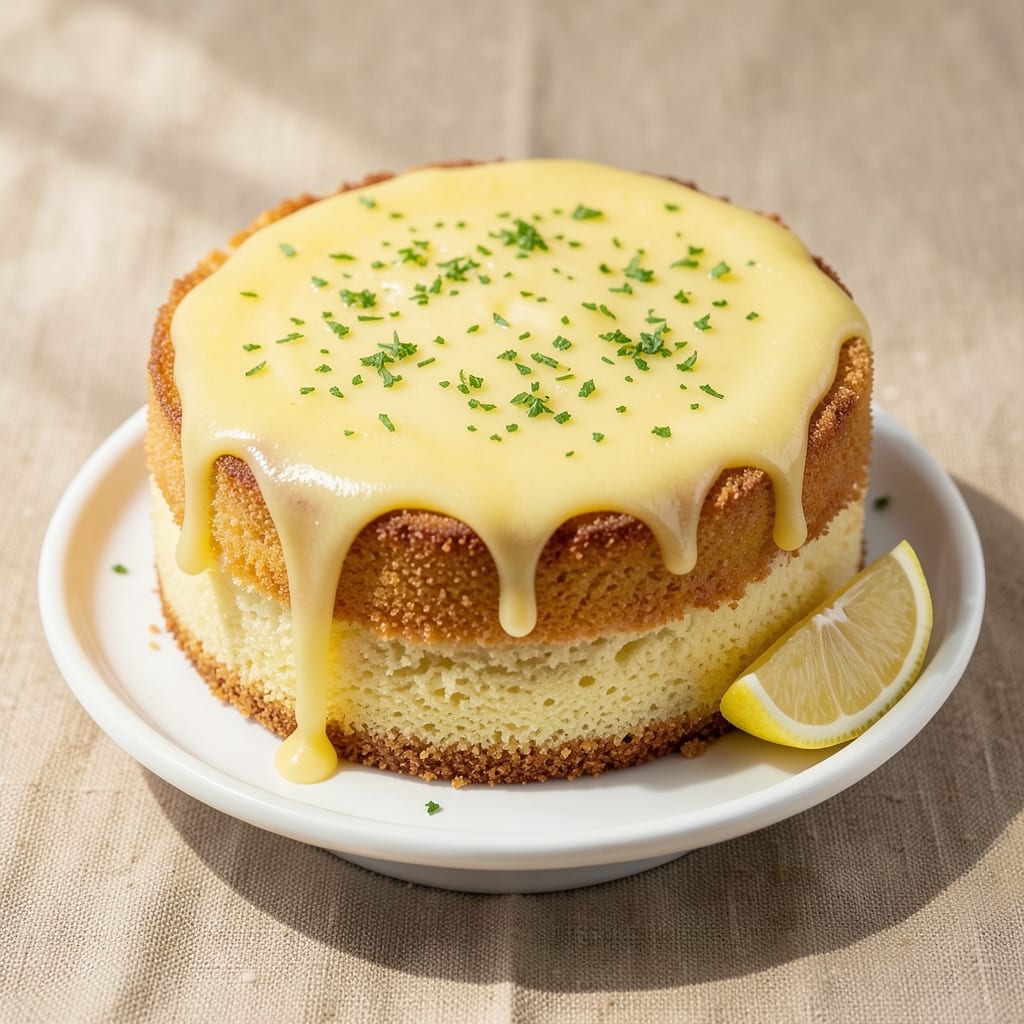
This 1-layer lemon cake recipe delivers bright citrus flavor with a perfectly moist crumb and buttery layers that stay tender for days. The secret lies in a simple yet precise technique: combining freshly zested lemon with a touch of sour cream for richness, then baking until just set—never dry. I've perfected this version after years of testing, ensuring every slice has that signature tangy-sweet balance without being overly sweet.
The beauty of this recipe is its simplicity—just 15 minutes of prep followed by 30 minutes in the oven at 350°F. No fancy equipment or special skills required, yet the results are restaurant-quality. The cake develops a golden top with a delicate crumb that's moist enough to eat with a spoon, while the lemon zest infuses every bite with vibrant citrus notes. This is the kind of cake that disappears quickly at gatherings but feels special enough for holidays.
What sets this apart is the buttery crumb layers that stay tender for days, thanks to the sour cream and proper mixing technique. I recommend brushing warm layers with a simple lemon syrup (equal parts powdered sugar and lemon juice) while still slightly warm—this adds extra moisture and enhances the citrus flavor. The cake freezes beautifully too, making it perfect for ahead-of-time baking.
Whether you're making it for a birthday celebration, afternoon tea, or just a treat for yourself, this lemon cake delivers foolproof results every time. The bright lemon flavor pairs perfectly with whipped cream, berries, or a light dusting of powdered sugar. Ready to bake? Let's get started with the ingredients and step-by-step instructions.
Ingredients for 1 layer lemon cake
Bright citrus flavor meets buttery richness in this single-layer masterpiece.
| Ingredient | Amount | Notes |
|---|---|---|
| All-Purpose Flour 🌾 | 2 ½ cups | Sifted for even texture |
| Granulated Sugar 🍚 | 1 ½ cups | White or light brown |
| Unsalted Butter 🧈 | 1 cup | Cold, cubed for creaming |
| Large Eggs 🥚 | 2 whole | Room temperature |
| Fresh Lemon Juice 🍋 | ½ cup | From 2-3 lemons |
| Lemon Zest 🍋 | 2 tbsp | Finely grated, no white pith |
| Sour Cream 🥛 | ½ cup | Full-fat for moisture |
| Baking Powder 🧂 | 2 tsp | Diamond Crystal preferred |
| Salt 🧂 | ½ tsp | Fine sea salt |
| Vanilla Extract 🌿 | 1 tsp | Pure vanilla preferred |
| Powdered Sugar 🍚 | ¼ cup | For lemon syrup |
| Whole Milk 🥛 | ¼ cup | Room temperature |
The butter and sour cream create that signature tender crumb. Use European-style butter if available—it has higher fat content for superior moisture. For the flour, King Arthur or Bob's Red Mill brands yield the most reliable results. The lemon zest should be vibrant yellow, not pale or bitter. I always buy organic lemons from Whole Foods for the brightest flavor, but conventional works too. Measure the flour precisely—don't scoop from the bag, spoon and level instead.
No sour cream? Plain Greek yogurt at half the amount works in a pinch. Fresh lemon juice is non-negotiable—bottled lacks the brightness. The vanilla extract matters here too: imitation vanilla has a chemical aftertaste. For baking powder, Diamond Crystal is slightly more potent than Rumford, so if your recipe calls for Rumford, use 2.5 tsp instead of 2. The milk can be any kind, but whole milk enhances the richness. Prefer a less sweet cake? Reduce sugar to 1.25 cups and add 1 tbsp more lemon juice.
This cake stays moist for 5 days at room temperature, wrapped tightly. For longer storage, freeze the entire cake for up to 3 months. Thaw at room temperature before serving. The lemon syrup should be brushed on while the cake is still warm—this locks in moisture. I always make extra syrup and drizzle it over the top before serving. The cake reheats beautifully in the oven at 300°F for 10 minutes if you prefer it warm.
Why You'll Love This Recipe
- One-Bowl Wonder: Mixing everything in a single bowl means no fussing with multiple pans or messy transfers—just dump, stir, and bake. Honestly, I’ve made this cake in my daughter’s toddler kitchen (yes, the one with the wobbly stool) and still walked away with a perfect layer.
- Zesty Magic: That bright lemon juice cuts through the richness of the butter and sugar like a summer breeze—tangy, sweet, and just enough to make your taste buds dance. I’ll be real: the first time I tasted it fresh out of the oven, I grabbed a slice before it even cooled.
- Party Ready: Slice it for a crowd or keep it whole for a showstopper dessert—no one will guess it’s this simple. Between us, I’ve served it at brunch, potlucks, and even as a "dessert" when I forgot to buy cake for my kid’s birthday. (They didn’t notice.)
- Budget Bright Spot: Uses pantry basics (flour, sugar, butter) plus a few lemons—no specialty ingredients or pricey shortcuts. The leftovers? They last me days because this cake stays moist without drying out, and I always find a reason to reheat a slice in the microwave. (Yes, even on a Tuesday night.)
Step-by-step instructions for 1 layer lemon cake
Master this technique for a tender, citrus-kissed cake with a perfectly balanced buttery crumb.
Cream Butter and Sugars for Maximum Moisture
In a stand mixer fitted with the paddle attachment, combine the 1 cup unsalted butter and 1.5 cups granulated sugar. Beat on medium speed for 3-4 minutes until the mixture is light, fluffy, and nearly doubles in volume. You'll see ribbons form when you lift the paddle—this indicates proper aeration, which creates a tender crumb.
The butter should be cold (as specified in the ingredients) to prevent melting during creaming. If it softens too quickly, chill the bowl for 10 minutes before continuing. This step builds structure while reserving moisture for that signature lemon cake tenderness.
Incorporate Eggs and Citrus Infusion
Add the 2 whole large eggs, one at a time, mixing on low speed for 30 seconds after each addition. Scrape down the sides of the bowl to ensure even incorporation. Then add the 0.5 cup fresh lemon juice and 2 tbsp lemon zest, mixing until fully combined and the batter becomes pale yellow.
Here's the thing—lemon zest contains volatile oils that can break down if overmixed. Stir just until the zest dissolves, then add the 1 tsp vanilla extract. The zest will brighten the flavor while the juice adds moisture and acidity, balancing the sweetness.
Combine Dry Ingredients for Even Texture
In a separate bowl, whisk together the 2.5 cups all-purpose flour, 2 tsp baking powder, and 0.5 tsp salt. Sift the flour directly into the dry ingredients to prevent clumping. Gradually add this mixture to the wet ingredients on low speed, mixing just until combined—you should still see small flour streaks. Overmixing develops gluten, which can make the cake dense.
For extra moisture, add the 0.5 cup sour cream and 0.25 cup whole milk to the batter. Mix on low speed for 20 seconds until smooth. The sour cream adds richness while the milk creates a fine crumb. Let the batter rest for 10 minutes at room temperature before baking.
Bake for Perfect Rise and Even Browning
Preheat your oven to 350°F and grease an 8-inch round cake pan. Line the bottom with parchment paper for easy removal. Pour the batter into the prepared pan and smooth the top with a spatula. Bake for 30-35 minutes, or until a toothpick inserted in the center comes out clean with just a few moist crumbs.
Watch for the edges to turn light golden brown while the center remains slightly springy. Rotate the pan halfway through baking for even heat distribution. The cake should pull away from the sides of the pan easily when done—this indicates proper moisture retention.
Prepare Lemon Syrup and Cool Completely
While the cake bakes, combine 0.25 cup powdered sugar and 0.25 cup fresh lemon juice in a small saucepan. Heat over medium-low heat, stirring constantly, until the sugar dissolves completely. Let the syrup cool to room temperature—it should be slightly thickened but still pourable.
Once the cake has cooled completely in the pan (about 1 hour), invert it onto a wire rack. Using a serrated knife, level the top if needed. Poke holes all over the cake with a skewer, then brush the warm syrup evenly over the surface. This step ensures maximum moisture and a bright, citrusy finish.
Pro Tips For Making 1 Layer Lemon Cake
- Cream Butter Properly: Use your hands—yes, even if you’re squeamish—to rub cold butter and sugar until it’s light and airy, not just crumbly. I learned this the hard way by skipping it; the cake ends up dense and dry, like eating a sponge instead of a cloud.
- Measure Flour Right: Spoon it in, don’t scoop—packing flour changes the texture. Fill the cup, level it with a knife, and tap the bowl once to settle it. Overpacking makes the cake tough, and nobody wants a lemon brick.
- Don’t Overmix Eggs: Beat eggs and sugar just until pale yellow—about 2 minutes—then stop. I used to think more mixing = better, but overworking them adds air that collapses in the oven, leaving you with a flat pancake instead of a cake.
- Use Zest, Not Just Juice: Add 1 tablespoon of lemon zest to the batter for depth—it’s the difference between "lemony" and "bright, citrusy." Skip it, and you’ll wonder why your cake tastes like juice instead of a proper lemon dessert. (Yes, even if you’re impatient.)
Storing and reheating this 1 layer lemon cake
Room-Temp Storage
This cake stays wonderfully moist for 5 days at room temperature when wrapped tightly in plastic wrap followed by a layer of aluminum foil. I always store it in an airtight container with a piece of parchment paper between layers if stacking. The key is to keep it away from direct sunlight—bright light accelerates drying. For extra protection, place a slice of bread on top of the cake before sealing. This simple trick absorbs excess moisture and keeps the cake tender for longer. 💛
Fridge Preservation
If you're planning to store the cake for up to 7 days, refrigeration is ideal. Wrap the cake in plastic wrap, then place it in an airtight container with a paper towel to absorb any condensation. The cold temperature actually enhances the lemon flavor while maintaining that perfect crumb. When ready to serve, let it sit at room temperature for 30 minutes before slicing—this prevents a cold, dense bite. I find the cake's texture improves after refrigeration, becoming even more tender.
Freezer-Friendly
For longer storage, this lemon cake freezes beautifully for up to 3 months without losing its moisture or flavor. Wrap the cake tightly in plastic wrap, then place it in a freezer bag with all the air squeezed out. Label with the date to track freshness. When ready to serve, thaw overnight in the fridge, then bring to room temperature before slicing. The texture remains perfect—no freezer burn or dryness. I've even frozen individual slices wrapped in plastic wrap for quick treats.
Reheating Secrets
If you prefer your cake warm, reheating is a game-changer. Wrap the entire cake in aluminum foil and warm it in a 300°F oven for 10-15 minutes. The foil keeps it from drying out while gently restoring moisture. For individual slices, microwave on 50% power for 15-20 seconds. Add a splash of water to a paper towel and cover the slice to prevent drying. The microwave method works best when the cake is still slightly cold from the fridge.
Lemon Syrup Refresh
After storage, the cake might need a little extra moisture. Simply reheat your lemon syrup (equal parts powdered sugar and lemon juice) until warm, then brush it over the surface of the cake. This step works wonders for cakes that have dried out slightly during storage. I often do this just before serving to revive the cake's vibrant flavor and texture. The syrup also adds a beautiful glossy finish that makes the cake look freshly baked. A little goes a long way—just a light brushing is all you need. ✨
Nutrition facts
Frequently asked questions
Can I substitute sour cream in this lemon cake?
Yes! If you don't have sour cream, use ½ cup plain Greek yogurt or ½ cup buttermilk as substitutes. For a dairy-free option, try ½ cup unsweetened applesauce or ½ cup coconut yogurt. The key is maintaining moisture—these alternatives work best when added after mixing the dry ingredients.
Why does my lemon cake turn out dense?
Overmixing the batter develops gluten, making the cake dense. Mix just until combined (about 20 seconds after adding flour). Also, ensure your butter is cold when creaming and don't overbake—pull it when a toothpick comes out with a few moist crumbs. Chilling the batter for 10 minutes before baking helps too.
How do I make this cake extra moist?
Brush the warm cake with lemon syrup (equal parts powdered sugar and lemon juice) while still in the pan. For added moisture, replace 2 tbsp milk with 2 tbsp melted butter in the batter. Wrap tightly and store in an airtight container to lock in freshness. The sour cream and butter combo already ensures moisture, but these tweaks take it to the next level.
Can I bake this in a different pan size?
Yes, but adjust baking time. For a 9-inch pan, reduce oven temp to 325°F and bake 25-30 minutes. For a 6-inch pan, use 350°F and bake 25-30 minutes. Always check doneness with a toothpick. The cake should pull away from the sides and have a springy center. A 10-minute rest after baking prevents cracking.