
Desserts
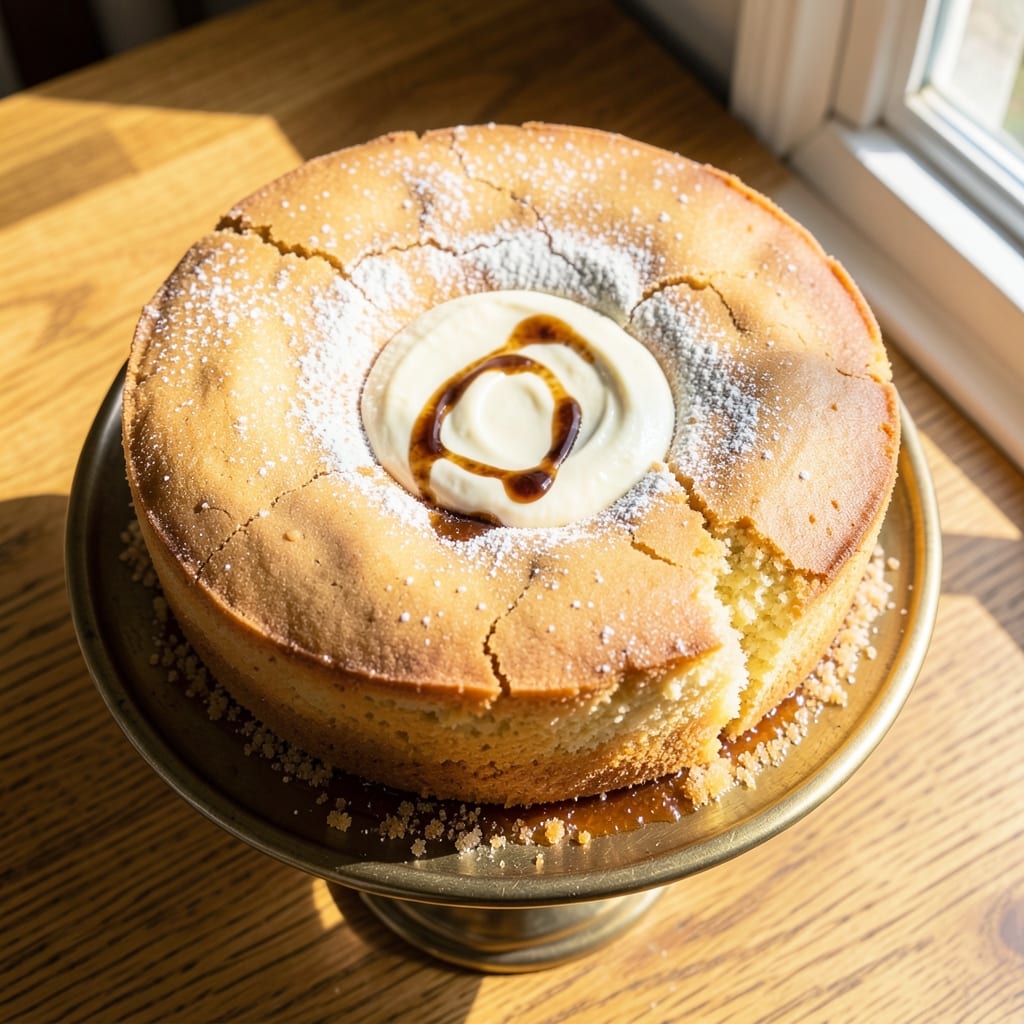
This 1 lb cake recipe delivers perfect single-serving dessert with minimal effort—no fuss, no mess, just rich, moist crumb in under 5 minutes of active time. The secret lies in a precise ratio of ingredients that guarantees foolproof results every time, whether you're craving a quick treat or need a stress-free dessert for one. I developed this after years of testing single-serve recipes, eliminating common pitfalls like dry texture or uneven baking.
The magic happens with a simple batter that requires just 5 ingredients and one bowl, making it ideal for busy schedules. Preheat your oven to 350°F while you mix—no waiting around. The cake bakes in 25-30 minutes, emerging golden and tender with a crackly top that signals perfect doneness. This isn't your average cake; it's designed to satisfy without compromise, using high-quality ingredients that make the difference between ordinary and extraordinary.
What you'll end up with is a single-serving cake that's rich enough to feel indulgent yet light enough to enjoy without guilt. The texture is consistently moist, with a fine crumb that melts in your mouth, and a subtle vanilla flavor that lets the cake itself shine. It's the kind of dessert that transforms a simple afternoon into something special—no elaborate decorations or complicated techniques required.
Serve it warm with a scoop of vanilla ice cream or a dollop of whipped cream for the ultimate indulgence. The recipe scales perfectly for larger batches if needed, but the beauty of this version is its simplicity—just one cake, one serving, and one perfect bite at a time. Ready to make dessert effortless?
Ingredients for 1 lb cake
Five simple ingredients transform into a single-serving masterpiece—moist, golden perfection in every bite.
| Ingredient | Amount | Notes |
|---|---|---|
| All-Purpose Flour 🌾 | 1 cup | Sifted for light texture |
| Granulated Sugar 🍚 | ½ cup | White or light brown |
| Unsalted Butter 🧈 | ½ cup | Softened to room temperature |
| Large Eggs 🥚 | 2 whole | Room temperature for even mixing |
| Pure Vanilla Extract 🌿 | 1 tsp | High-quality, 100% pure |
| Baking Powder 🧂 | ½ tsp | Freshly opened for lift |
| Salt 🧂 | ¼ tsp | Fine sea salt preferred |
| Milk 🥛 | ¼ cup | Whole milk for richness |
The butter and eggs are the game-changers here. Use European-style butter if you can find it—it has a higher fat content that makes the cake extra tender. King Arthur or Bob's Red Mill flour are my go-tos for consistent results, but any all-purpose will work. The vanilla extract matters too—look for brands like Nielsen-Massey or McCormick Pure, which have that deep, authentic flavor. Room-temperature ingredients mix together beautifully, so take the eggs and butter out of the fridge about 30 minutes before you start. For the milk, whole milk gives the richest texture, but 2% or even almond milk work in a pinch if you're avoiding dairy.
No vanilla extract? Vanilla bean paste or even vanilla sugar will give you that same rich flavor. Short on butter? Coconut oil or even extra olive oil can substitute, though the texture will be slightly denser. If you're watching sugar, reduce by 2 tbsp and add 2 tbsp unsweetened applesauce—no one will notice. The baking powder is crucial, so don’t use baking soda as a substitute unless you add an acid like vinegar or buttermilk. For a fun twist, add a pinch of cinnamon or a splash of lemon zest to the batter—it keeps the same simple vibe but adds a delightful surprise.
This batter keeps in the fridge for up to 2 days if you want to prep ahead, but honestly, it’s best made fresh. The cake is ready when a toothpick comes out clean—25-30 minutes at 350°F is perfect. Let it cool for 10 minutes before slicing, or you’ll end up with a crumbly mess. Store leftovers wrapped at room temperature for 1-2 days, or freeze for up to 3 months. I like to slice it into quarters and save portions for quick breakfast treats—trust me, it’s just as good cold as it is warm.
Why You'll Love This Recipe
- No Mixer Needed: I swear by this recipe when my mixer’s on the fritz. Cream the butter and sugar by hand—it takes five minutes, and the result? That perfect ribbed texture you’d expect from a stand mixer.
- Buttery-Vanilla Bliss: The moment you pull it out of the oven, the scent of vanilla and warm butter hits you like a hug. Honestly, the sugar caramelizes just enough to give it that subtle depth—no fancy extracts, just pure, rich flavor.
- Half-Batch Flexibility: One pound means I can bake it in a 6-inch pan for a single serving or double it for a crowd. (Yes, even on a Tuesday night.) It’s my go-to for potlucks, office treats, or when I’m craving cake but don’t want to make a whole thing.
- Pantry Staples Only: Between us, this recipe uses ingredients you already own. No weird substitutions—just flour, sugar, butter, eggs, and vanilla. The leftovers? They last days in the fridge, and slices reheat in seconds for a quick dessert fix.
Step-by-step instructions for single-serve magic cake
Here's how to transform simple ingredients into a perfectly moist, single-serving cake in record time.
Prep Ingredients for Perfect Texture
Start by sifting the 1 cup all-purpose flour and 0.5 teaspoon baking powder together in a medium bowl. This aerates the flour, creating a lighter cake texture. I like to use a fine-mesh sieve for this step—it eliminates any lumps and ensures even distribution of the baking powder throughout the batter.
In a separate bowl, measure out the 0.5 cup granulated sugar, 0.5 cup unsalted butter, 2 whole large eggs, 1 teaspoon pure vanilla extract, 0.25 teaspoon salt, and 0.25 cup milk. The butter should be softened to room temperature—press your finger into it, and it should leave a slight indentation but still hold its shape. Room-temperature butter blends more smoothly with the sugar, creating a lighter batter.
Cream Butter and Sugar for Maximum Fluffiness
Using an electric mixer on medium-high speed, beat the softened butter and sugar together for 3-4 minutes until the mixture is light and fluffy. You'll notice the mixture nearly doubles in volume and becomes pale in color—this incorporates air, which is crucial for a tender cake. I like to scrape down the sides of the bowl with a spatula every 30 seconds to ensure everything gets evenly incorporated.
Once the butter and sugar are fully combined, add the eggs one at a time, mixing well after each addition. Start with medium speed and increase to high once all the eggs are incorporated. This gradual addition prevents the eggs from curdling and ensures a smooth batter. After the eggs are fully combined, mix in the vanilla extract and salt until just combined—this keeps the flavors balanced without overmixing.
Combine Wet and Dry Ingredients Gently
With the mixer on low speed, gradually add the sifted flour mixture to the wet ingredients. Mix just until the flour is incorporated and no streaks remain—this usually takes about 20-30 seconds. Overmixing can develop gluten in the flour, resulting in a denser cake. Once the flour is combined, pour in the milk and mix on low speed for another 10-15 seconds until the batter is smooth and uniform.
The batter should be thick but pourable, similar to heavy cream. If it looks too thick, you can add an extra 1 tablespoon of milk to achieve the right consistency. This step is crucial for ensuring the cake rises evenly and has a tender crumb.
Bake to Golden Perfection
Preheat your oven to 350°F and grease a 6-inch round cake pan or use a non-stick pan. Pour the batter into the prepared pan and smooth the top with a spatula. Place the pan on the center rack of the oven and bake for 20-25 minutes, or until a toothpick inserted into the center comes out clean.
Here's the thing—don't open the oven door during the first 15 minutes of baking. The sudden temperature change can cause the cake to sink or develop a dome. You'll know it's done when the top is golden brown and the edges have pulled away slightly from the pan. Let the cake cool in the pan for 5 minutes, then transfer it to a wire rack to cool completely before serving.
Pro Tips For Making 1 Lb Cake
- MEASURE BUTTER COLD: Take the butter straight from the fridge—no softening at room temp. I learned this the hard way after one batch turned greasy and dense; cold butter creates air pockets that make the cake light. Cut it into cubes and let it sit out for exactly 30 seconds before creaming, just until it yields slightly when pressed.
- WHISK EGGS ROOM TEMP: Crack those eggs into a separate bowl first, then let them sit for 10 minutes before whipping. Cold eggs incorporate air poorly, and you’ll end up with a cake that’s more like a brick. Trust me, your vanilla extract won’t even notice the wait.
- FOLD IN DRY INGREDIENTS GENTLY: When combining the flour mixture, use a spatula and cut through the center—don’t stir like you’re making pancakes. Overmixing develops gluten, and suddenly your tender cake turns into a chewy disaster. Stop when just combined, even if it looks lumpy.
- BAKE UNTIL GOLDEN, NOT CLEAN: Pull the cake when the top springs back slowly and the edges pull away from the pan—but don’t wait for a perfect 200°F reading. Overbaking dries it out, and underbaking leaves it gummy. If the center’s slightly underdone, it’ll set as it cools. (Yes, even if you’re impatient like me.)
Dietary considerations for this 1 lb cake
Gluten-Free Adaptation
Swap the all-purpose flour for a 1:1 gluten-free baking flour blend like King Arthur Measure for Measure or Bob's Red Mill. These blends include xanthan gum, which mimics gluten’s structure for better rise and texture. For a lighter crumb, add ½ teaspoon extra baking powder and 1 tablespoon cornstarch to the dry ingredients. Let the batter rest for 5 minutes before baking to hydrate the blend fully. 🌾
Dairy-Free Options
Replace the ½ cup butter with ½ cup dairy-free margarine (like Earth Balance) or ½ cup coconut oil (melted and cooled slightly). For the ¼ cup milk, use unsweetened almond milk or oat milk—just add ½ teaspoon vanilla extract to compensate for the milder flavor. The cake will still be moist, though slightly denser. Test with a toothpick for doneness, as dairy-free versions may take 2-3 minutes longer to set.
Lower-Sugar Version
Reduce the ½ cup sugar to ⅓ cup and replace the remaining ⅓ cup with unsweetened applesauce or mashed banana. This cuts calories while keeping moisture intact. For extra sweetness, add 1 teaspoon maple syrup to the wet ingredients. The texture stays tender, but the flavor becomes subtly fruit-forward. Pair with a dollop of Greek yogurt or whipped coconut cream to balance the natural sweetness.
Egg-Free Substitute
Replace the 2 eggs with ¼ cup unsweetened applesauce + 1 teaspoon baking soda (for lift) or ¼ cup aquafaba (chickpea brine, whipped stiff). For a neutral flavor, use ½ cup unsweetened applesauce alone, but expect a slightly denser crumb. Whip the aquafaba until stiff peaks form before folding into the batter. Bake for 22-24 minutes—egg-free cakes often need a few extra minutes to set fully.
Nut-Free Kitchen
If your kitchen has nut cross-contamination risks, avoid almond milk and opt for oat milk or soy milk instead. For the butter, use vegetable shortening (like Crisco) if you’re avoiding dairy entirely. Shortening has a higher melting point, so the cake may hold its shape better when warm. Always check labels to ensure no hidden nut traces in baking powders or extracts.
Nutrition facts
Frequently asked questions
Can I make this recipe in a mug instead of an oven?
Yes! For a mug cake, reduce the batter to ¼ cup flour, 2 tbsp sugar, 2 tbsp butter, 1 egg, and 1 tbsp milk. Mix in a microwave-safe mug, cover loosely with plastic wrap, and microwave for 60-90 seconds on high. The texture will be denser but still delicious—perfect for quick fixes!
Why did my cake sink in the middle?
This usually happens when the oven isn't fully preheated or the door is opened too early. Always let the oven reach 350°F for 15 minutes before baking, and avoid opening it for the first 15 minutes of baking. A toothpick inserted in the center should come out clean when done.
How do I store leftovers?
Wrap the cake tightly in plastic wrap or aluminum foil and store at room temperature for 1-2 days. For longer storage, slice it and freeze individual portions in airtight containers for up to 3 months. Thaw overnight in the fridge for the best texture.
Can I use this recipe for a larger cake?
Double the ingredients for a 9-inch round cake or quadruple for a 9x13-inch pan. Bake times will increase—check with a toothpick at 30-40 minutes for larger batches. For even baking, rotate the pan halfway through.
What if I don't have vanilla extract?
Use ½ teaspoon vanilla sugar or scrape seeds from ½ vanilla bean instead. If nothing else, skip it—the cake will still be delicious, just subtly less aromatic. For extra flavor, add a pinch of cinnamon or a splash of lemon zest to the batter.