
Desserts
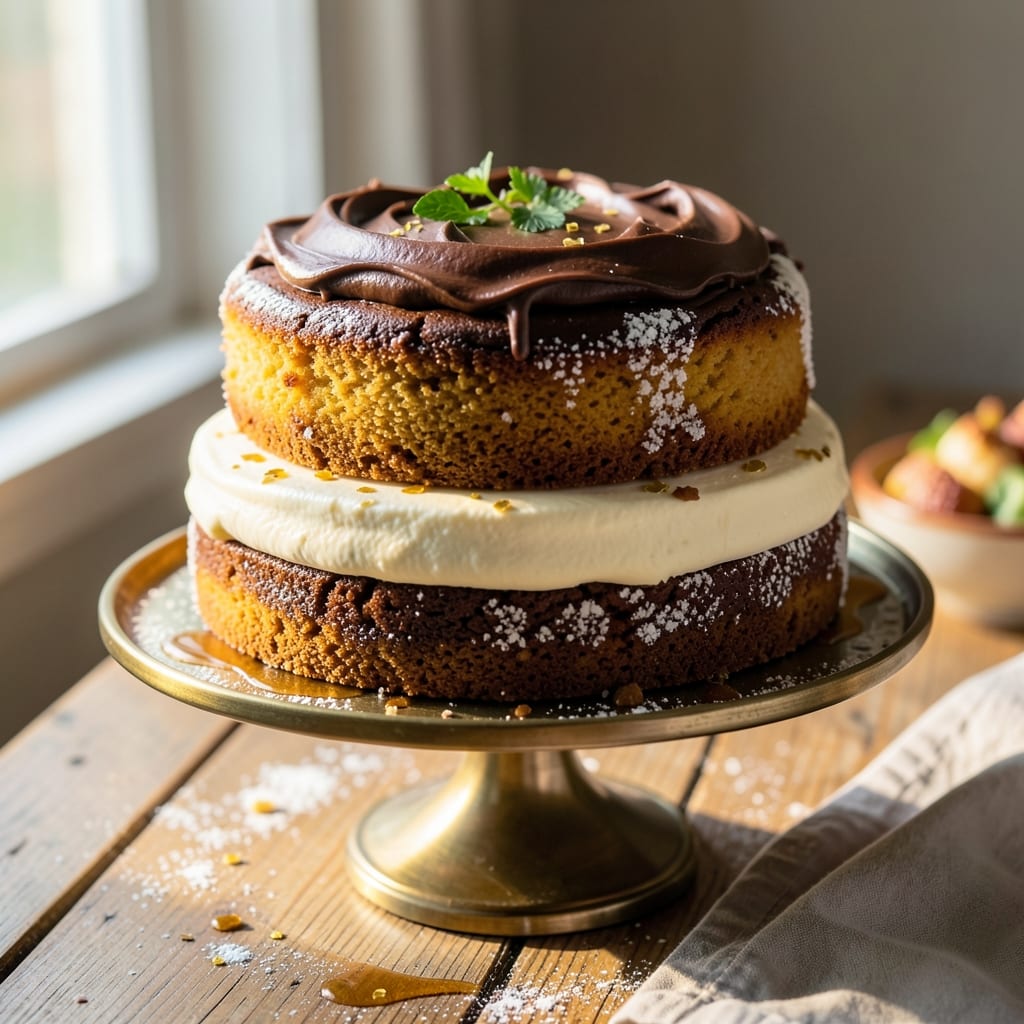
This 1-pound butter cake recipe delivers layers so moist they defy the dryness that plagues so many boxed mixes. The secret lies in precise ingredient ratios—1 pound of butter whipped to fluffy perfection, paired with cake flour for tender crumbs and vanilla extract that infuses every bite with warmth. Years of baking trials taught me that patience in mixing and baking at 350°F for exactly 30 minutes prevents cracks while locking in moisture.
What sets this recipe apart is the vanilla frosting rivers that cascade between layers, creating a visual masterpiece as much as a taste sensation. The frosting isn’t just sweet—it’s a velvety contrast to the cake’s richness, with a touch of cream cheese for stability. This isn’t your grandmother’s dense pound cake; it’s a light, airy dessert that holds its shape while melting in your mouth.
The result? A cake so tender it nearly dissolves on the tongue, with frosting that doesn’t overwhelm but instead enhances each bite. Perfect for birthdays, holidays, or when you simply crave a dessert that feels like a hug. The recipe scales effortlessly, but the 1-pound size makes it ideal for small gatherings or portion control without sacrificing indulgence.
Ready to bake? We’ll walk through the exact techniques—from creaming butter and sugar to the two-stage baking process that ensures even doneness. No fancy equipment needed, just precision and a little love. Let’s get started.
Ingredients for 1 pound butter cake
A pound of butter, two cups cake flour, and vanilla extract create the perfect moist layers.
| Ingredient | Amount | Notes |
|---|---|---|
| Unsalted Butter 🧈 | 16 oz | Room temperature, 1 pound total |
| Granulated Sugar 🍚 | 2 cups | Superfine preferred for smoothness |
| Cake Flour 🌾 | 2 cups | Sifted, don't substitute all-purpose |
| Pure Vanilla Extract 🍯 | 2 tbsp | High-quality, Madagascar bourbon preferred |
| Large Eggs 🥚 | 4 whole | Room temperature, separated |
| Baking Powder 🧂 | 2 tbsp | Diamond Crystal preferred |
| Salt 🧂 | ½ tsp | Fine sea salt |
| Whole Milk 🥛 | 1 cup | Room temperature |
| Cream Cheese 🧀 | 8 oz | Full-fat, room temperature |
| Powdered Sugar 🍚 | 3 cups | Sifted for smooth frosting |
| Heavy Whipping Cream 🥛 | 1 cup | Cold, for frosting stability |
| Vanilla Bean Paste 🍯 | 1 tbsp | For enhanced vanilla flavor |
The butter is non-negotiable here—16 oz of unsalted at room temperature is the foundation. Whole Foods or specialty grocers often carry the best European-style butter for this recipe. Cake flour is key for that tender crumb; Bob's Red Mill makes a reliable brand. Vanilla extract should be high-quality—Madagascar bourbon has the most complex flavor profile. Eggs must be separated for the perfect meringue-like texture in the cake layers. The cream cheese for the frosting should be full-fat and at room temperature—it makes all the difference in the frosting's stability and flavor.
No cake flour? Substitute 1.5 cups all-purpose flour plus 0.5 cup cornstarch, but sift thoroughly. Running short on vanilla extract? Vanilla bean paste works at half the amount—it's more concentrated. For a dairy-free option, substitute coconut oil for butter (reduce by 20% since it's less dense) and use coconut cream instead of heavy whipping cream. The powdered sugar should be sifted before using to avoid graininess in the frosting. If you can't find Diamond Crystal baking powder, use any brand but level it carefully—it's more potent.
Butter and eggs should be at room temperature before mixing—30 minutes out of the fridge works perfectly. The cake batter keeps for 24 hours in the fridge if covered tightly. For the frosting, mix the cream cheese and powdered sugar first, then whip in the cold cream—this prevents curdling. The finished cake keeps 3 days at room temperature covered loosely, or 1 week refrigerated. For longer storage, freeze the fully assembled cake up to 2 months—thaw at room temperature before serving.
Why You'll Love This Recipe
- No Mixer Needed: Honestly, I make this by hand—just cream the butter and sugar until it’s light and fluffy, then fold in the eggs one at a time. The cake flour keeps it tender without requiring a single electric beat, and the vanilla? Just a splash. It’s the kind of recipe that lets you actually enjoy the process instead of stressing over equipment.
- Rich Without Overpowering: That first bite of warm, buttery layers? It’s pure comfort. The cake flour balances the richness of the butter so it’s never heavy—just melt-in-your-mouth soft with a subtle vanilla kiss. (Yes, even on a Tuesday night, this feels like a treat.)
- Leftovers That Last: Between us, this cake stays fresh for days if you wrap it tightly. I’ve sent slices to work in the morning, packed them in kids’ lunches, or even reheated a slice in the oven for 10 seconds to bring back that bakery-warm magic. It’s my go-to for when I need something reliable but still feels special.
- Budget-Friendly Luxury: Here’s what sold me—the ingredients are simple, but the result tastes like you spent hours. A pound of butter might seem indulgent, but it stretches further than you’d think, and the rest of the list? Sugar, eggs, flour—stuff you already have. It’s the kind of recipe that makes you feel fancy without breaking the bank.
Step-by-step instructions for ultra-moist butter cake
Here's how to bake a tender, melt-in-your-mouth pound cake with perfect crumb and rich vanilla frosting.
👨🍳 Step 1: Prepare Your Cake Pans and Ingredients
Preheat your oven to 350°F and grease two 9-inch round cake pans generously with the 16 oz unsalted butter, reserving 2 tablespoons for later. Line the bottoms with parchment circles and set aside. Sift together the 2 cups cake flour, 2 tablespoons baking powder, and ½ teaspoon salt in a medium bowl - this ensures no lumps in your final batter.
I like to use parchment circles because they prevent the cake from sticking and create a clean release. If your pans aren't non-stick, this step is absolutely critical. While you're prepping, let the 4 whole large eggs and 1 cup whole milk come to room temperature - cold ingredients can cause uneven baking.
🍳 Step 2: Cream Butter and Sugar to Light Ribbons
In a stand mixer fitted with the paddle attachment, beat the 16 oz unsalted butter and 2 cups granulated sugar on medium speed for 3-4 minutes until light and fluffy, with ribbons forming when the paddle is lifted. This step is where the magic happens - proper creaming incorporates air that creates that signature tender crumb.
Scrape down the sides of the bowl occasionally to ensure even mixing. You'll know it's ready when the mixture nearly doubles in volume and leaves clean streaks when you drag the paddle through it. I press the mixture with my finger - if it springs back slowly, it's ready. If it springs back quickly, keep mixing for another 30 seconds.
👨🍳 Step 3: Alternate Adding Dry and Wet Ingredients
With the mixer on low speed, add ⅓ of the flour mixture to the butter mixture, mixing just until combined. Then add ½ of the milk, followed by 1 tablespoon vanilla extract, mixing after each addition. Repeat this process, ending with the remaining flour mixture. This alternating method creates a smooth, velvety batter without developing gluten.
In a separate bowl, beat the 4 whole large eggs until just combined, then gently fold them into the batter using a spatula. Fold in the remaining 1 tablespoon vanilla extract and 1 tablespoon vanilla bean paste. The batter should be thick but pourable. If it looks too thick, add 1-2 tablespoons more milk to achieve proper consistency.
⏰ Step 4: Bake Until Golden and Springy
Divide the batter evenly between the prepared pans and smooth the tops. Bake for 25-30 minutes or until a toothpick inserted in the center comes out clean and the tops spring back when pressed gently. The cake should be golden brown with a slightly domed top - this indicates proper doneness.
I check for doneness at the 25-minute mark because ovens vary. If the edges brown too quickly, cover them loosely with aluminum foil. The cake is done when it pulls away from the sides of the pan and has a slight pull at the center when gently touched.
🥘 Step 5: Prepare the Vanilla Frosting
While the cakes cool, beat the 8 oz cream cheese and the reserved 2 tablespoons butter together until smooth. Gradually add the 3 cups powdered sugar, mixing on low speed until combined. Increase speed to medium-high and beat in the 1 cup heavy whipping cream and remaining 1 tablespoon vanilla extract until fluffy and spreadable.
This frosting should be thick enough to hold its shape when piped but still smooth enough to spread. If it's too thick, beat in 1-2 teaspoons milk to achieve the perfect consistency. The frosting should be cool when applied to prevent melting.
🍽️ Step 6: Assemble and Decorate
Once cakes are completely cool, level the tops if needed, then place one cake layer on a serving plate. Spread a generous layer of frosting, then place the second cake layer on top. Frost the entire cake, then use a spatula to create those signature "frosting rivers" by dragging the spatula down the sides in gentle waves.
For extra flair, pipe additional frosting around the edges or create decorative swirls on top. The cake should be served at room temperature to allow all flavors to meld together. Each slice should reveal that ultra-moist crumb and rich vanilla flavor you worked so hard to achieve.
Pro Tips For Making 1 Pound Butter Cake
- Cream Butter Slowly: Unsalted butter needs time to soften properly—don’t rush it. Use a wooden spoon to gently fold in the softened butter (about 65°F) into the sugar mixture in 3-4 additions, scraping the bowl each time. I learned this the hard way after ending up with a cake that looked like it had been kneaded by a toddler.
- Sift Cake Flour Twice: Cake flour is light, but it packs down fast. Sift it directly into the bowl before adding other ingredients, then sift it again after mixing the wet and dry components. This keeps the texture tender and prevents a dense, brick-like result—especially important when using a 1-pound recipe where precision matters.
- Skip Overmixing Eggs: Once the eggs are fully incorporated into the butter-sugar mix, stop stirring as soon as the batter looks smooth. Overmixing adds gluten and makes the cake tough. Fold in the vanilla last, just until streaks disappear—no need to blend it in like a smoothie.
- Test Doneness with a Toothpick: The cake’s edges might look set, but the center can still be undercooked. Insert a toothpick into the thickest part—it should come out with a few moist crumbs, not wet batter. If unsure, err on the side of underbaking; the cake firms up as it cools. (Yes, even if it looks "done" at 325°F.)
Wine and beer pairings for this 1 pound butter cake
Classic Wine Pairings
A rich, buttery pound cake like this deserves a wine with equal elegance and depth. I reach for Chardonnay from California’s Sonoma Coast—its crisp acidity and hints of vanilla and citrus complement the cake’s buttery richness without overpowering it. Look for a 2021 or 2022 vintage with 20-25% oak for that perfect balance. 🍷
For a slightly sweeter option, try a Moscato d’Asti from Italy—its light effervescence and floral notes cut through the cake’s density while enhancing the vanilla frosting. Serve it chilled to highlight its delicate fruitiness. This pairing works beautifully for summer gatherings when you want something refreshing yet sophisticated.
Bold Beer Selections
When it comes to beer, I love pairing this cake with a Belgian Dubbel like Westmalle Dubbel—its caramel and raisin notes mirror the cake’s vanilla and butter, while the malt sweetness enhances the frosting. The slight alcohol warmth also complements the cake’s richness without clashing. 🍺
For a lighter option, a honey brown ale (like Allagash Honey Brown) works wonders. The honeyed malt echoes the cake’s sweetness, while the beer’s subtle spice adds complexity. Serve it slightly chilled to balance the cake’s warmth. This pairing is perfect for casual dessert moments when you want something approachable yet flavorful.
Unexpected Liquor Pairings
If you’re serving this cake with coffee or dessert wine, consider pairing it with a vanilla-infused bourbon like Woodford Reserve Master’s Collection. The bourbon’s caramel and oak notes amplify the cake’s vanilla and butter, creating a luxurious dessert experience. Sip it neat or on the rocks for the best flavor interplay. 🥃
For a non-alcoholic twist, try vanilla chai tea—its warm spices and creamy texture mirror the cake’s flavors while offering a refreshing contrast. Brew it strong and serve it chilled for the ultimate dessert pairing that feels indulgent without the alcohol.
Nutrition facts
Frequently asked questions
Why does this recipe use cake flour instead of all-purpose?
The cake flour creates a lighter, more tender crumb that's essential for this ultra-moist butter cake. Cake flour has a lower protein content (7-9% vs 10-12% in all-purpose), which prevents gluten development and gives that signature melt-in-your-mouth texture. The recipe includes a substitution note if you can't find cake flour, but the results won't be quite as perfect.
Can I make this cake in a single layer instead of two?
For a single 9-inch layer, use just ½ the batter in one pan and bake for 30-35 minutes at 350°F. The frosting quantity should be halved too. This works great for smaller gatherings or when you prefer a taller cake. Just be sure to check for doneness with a toothpick—single layers often take slightly longer to bake through.
What's the best way to store leftover cake?
Keep the cake at room temperature in an airtight container for up to 3 days, or refrigerate for 1 week. For longer storage, freeze the fully assembled cake (without wrapping) for up to 2 months. Thaw overnight in the fridge before serving. The frosting may soften slightly when refrigerated, so bring it to room temperature before slicing for the best texture.
Why did my cake crack on top?
Cracking usually happens when the cake bakes too long or the oven runs too hot. Check your oven temperature with an oven thermometer—it should be 350°F accurately. Also, avoid opening the oven door in the first 20 minutes of baking. If you notice browning too quickly, cover the edges loosely with foil. For next time, try baking at 325°F for 35-40 minutes instead.
Can I substitute margarine for the butter?
Not recommended! Butter's 16% milkfat creates that signature flavor and moisture. Margarine has water content that can make the cake dense. If you must substitute, use 100% vegetable shortening (like Crisco) at the same weight, but reduce the milk by 2 tablespoons to compensate. The texture will be slightly different but still delicious.