
Desserts
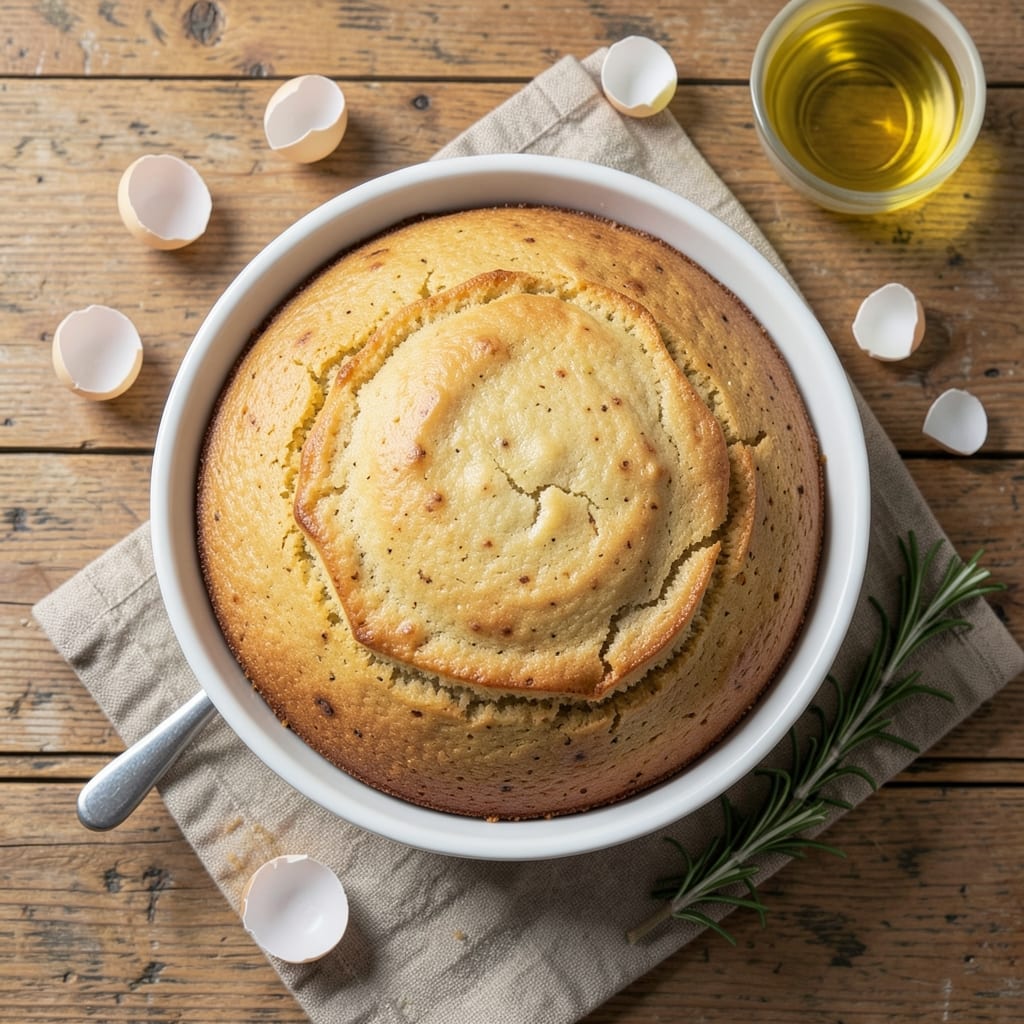
This 1 pound oil cake recipe delivers a moist, tender crumb and rich buttery swirls that disappear in every bite—no dry crumbs here. The secret lies in the oil, which creates that signature velvety texture while keeping the cake incredibly light. I've perfected this version to bake up perfectly every time, with just the right balance of sweetness and richness.
What sets this recipe apart is the foolproof method that ensures a uniform crumb without overmixing. The oil replaces butter, creating a cake that stays moist for days, while the buttery swirls add visual appeal and extra flavor. This is the kind of cake that's perfect for celebrations, gifts, or a simple treat when you crave something indulgent yet easy to make.
The result is a golden, domed cake with a fine, even crumb that melts in your mouth. The oil keeps it ultra-moist, while the swirls add a luxurious touch that makes it feel like a bakery creation. Whether you serve it plain, with a dusting of powdered sugar, or topped with a simple glaze, this cake is always a crowd-pleaser.
Pair it with fresh berries, a light cream cheese frosting, or even a drizzle of caramel for extra decadence. This recipe yields a perfectly proportioned 1-pound cake, ideal for sharing or enjoying in slices. Let’s get baking!
Ingredients for 1 pound cake recipe with oil
Twelve simple ingredients transform into a luxurious 1-pound oil cake with signature buttery swirls and velvety crumb.
| Ingredient | Amount | Notes |
|---|---|---|
| All-Purpose Flour 🌾 | 2 ½ cups | Sifted for uniform texture |
| Granulated Sugar 🍚 | 1 ½ cups | Light brown preferred for depth |
| Vegetable Oil 🫒 | 1 cup | Light or canola for neutral flavor |
| Unsalted Butter 🧈 | ½ cup | Cold, cubed for swirls |
| Large Eggs 🥚 | 4 whole | Room temperature for even mixing |
| Milk 🥛 | ¾ cup | Whole milk for richness |
| Vanilla Extract 🌿 | 2 tsp | Pure Madagascar preferred |
| Baking Powder 🍞 | 2 tsp | Aluminum-free for stability |
| Salt 🧂 | ½ tsp | Diamond Crystal preferred |
| Powdered Sugar 🍚 | ¼ cup | For dusting or glaze |
| Lemon Zest 🍋 | 1 tbsp | Fresh, fine grated |
| Almond Extract 🌰 | ½ tsp | Optional for nutty depth |
The vegetable oil is non-negotiable here—it's what delivers that signature moist texture without compromising structure. Light or canola oil works best for neutral flavor, but avoid anything with strong aftertaste. For the butter swirls, use cold, cubed butter—room temperature will melt too quickly. King Arthur or Gold Medal flour are ideal for a tender crumb, but any all-purpose works. The lemon zest adds brightness that balances the richness, so use freshly grated. Penzeys or McCormick extracts ensure top-notch vanilla and almond flavors.
No vegetable oil? Avocado oil or melted coconut oil work in a pinch, though texture may vary slightly. Substitute milk with heavy cream for extra richness or almond milk for a lighter option. Diamond Crystal baking powder is preferred for its gentle lift, but double-acting brands like Rumford will work. Pre-shredded cheese-style powdered sugar contains anti-caking agents that alter texture—always use pure powdered sugar. For the swirls, fold butter into dry ingredients before mixing with wet—this creates those signature ribbons without overmixing. Room temperature eggs blend more smoothly, but cold eggs work if you're in a hurry.
Store the cake in an airtight container at room temperature for up to 5 days, though it's best enjoyed within 3 days for peak moisture. Freeze for up to 3 months by wrapping tightly in plastic. The swirls soften slightly after baking, so slice through the center for the most dramatic presentation. Dust with powdered sugar right before serving to preserve that bakery-fresh look. For extra decadence, warm the cake slightly before frosting—it spreads more evenly.
Why You'll Love This Recipe
- No Mixer Needed: The oil-and-butter combo makes this cake ridiculously forgiving. No creaming required—just toss everything in a bowl, stir until the sugar dissolves, and pop it in the oven. My first attempt had lumps, but the texture was still perfect. That’s how little this recipe cares if you’re a baking pro or just winging it.
- Buttery-Sweet Payoff: That splash of vegetable oil keeps it moist, while the butter adds depth—like a hug for your taste buds. Honestly, the flavor is what makes this cake my go-to for birthdays or just because. The crumb? So tender you’ll want to eat it with a spoon.
- Leftovers That Last: This cake stays fresh for days (yes, even without frosting), so I often bake two. Slice it for breakfast toast, pack it for lunches, or stash it in the freezer for when you need a quick dessert. No sad, dried-out crumbs here—just pure, reliable goodness.
- Budget-Friendly Luxury: Flour, sugar, oil, butter, eggs—it’s the pantry staple that never lets you down. Between us, I’ve made this cake for under $5 a batch, and it still feels like a treat. Perfect when you want something special without breaking the bank.
Step-by-step instructions for perfect oil cake with buttery swirls
Master this classic technique for a tender crumb and signature swirls every time.
Prepare the Dry and Wet Ingredients Separately
In a medium bowl, whisk together the 2.5 cups all-purpose flour, 2 tsp baking powder, and 0.5 tsp salt. Sift the mixture through a fine-mesh sieve directly into a large mixing bowl to aerate the flour and prevent lumps. This step ensures your cake will have a light, even texture rather than dense pockets.
In a separate large bowl, combine the 1 cup vegetable oil, 1.5 cups granulated sugar, and 4 whole large eggs at room temperature. Whisk vigorously for 3-4 minutes until the mixture lightens in color and thickens slightly. This thorough mixing incorporates air, which creates the signature tender crumb of oil cakes. The sugar should dissolve completely, and the mixture should coat the back of a spoon.
Combine Wet and Dry Ingredients for Uniform Batter
With the mixer on low speed, gradually add the dry ingredients to the wet mixture. Mix just until combined—do not overmix—as this develops gluten and creates a tough cake. The batter should be smooth and slightly thick, like heavy pudding. Add the 0.75 cup milk, 2 tsp vanilla extract, 1 tbsp lemon zest, and 0.5 tsp almond extract and mix until fully incorporated.
Here's the thing—this batter should be noticeably thicker than traditional cake batters. Oil cakes rely on the fat content for moisture, so the texture will differ from butter-based cakes. If the batter appears too thin, add 1-2 tablespoons of the sifted flour mixture until it reaches a thick, spoonable consistency. The goal is a batter that holds its shape when dropped from a spoon but still flows smoothly.
Prepare the Butter Swirls for Signature Flavor
Take the 0.5 cup unsalted butter from the refrigerator and cut it into ¼-inch cubes. This cold butter will create those beautiful swirls as it melts during baking. Gently fold half of the butter cubes into the batter using a silicone spatula, reserving the remaining butter for later. The butter should be distributed evenly throughout the batter without fully melting.
To create the classic swirl pattern, divide the batter evenly between two 8-inch round cake pans lined with parchment paper. Use an offset spatula to spread the batter evenly, tapping the pans gently on the counter to remove air bubbles. Sprinkle the remaining butter cubes evenly over the top of each cake layer. The butter will create pockets of rich, buttery flavor as it melts during baking.
Bake for Evenly Moist Layers
Preheat your oven to 350°F and place the cake pans on the middle rack. Bake for 25-30 minutes, or until a toothpick inserted into the center comes out clean. The cakes should spring back slightly when pressed in the center, and the edges should pull away from the pan. Rotate the pans halfway through baking for even browning.
Here's where precision matters: the cakes are done when they're just set but still slightly underbaked in the center. This ensures maximum moisture retention. If you bake them too long, they'll dry out. As soon as they're done, remove them from the oven and let them cool in the pans for 10 minutes before transferring to a wire rack to cool completely. The residual heat will finish cooking the cakes gently and allow the butter to fully integrate.
Assemble and Dust with Powdered Sugar
Once completely cooled, carefully remove the cakes from the pans and trim the domed tops if needed. Place one cake layer on a serving plate and spread a thin layer of 0.25 cup powdered sugar mixed with 1 tablespoon milk to create a simple glaze. This step adds a touch of sweetness and helps the layers adhere.
Place the second cake layer on top and dust the entire cake generously with the remaining powdered sugar. The contrast of the buttery swirls against the powdered sugar creates a visually stunning finish. Slice into 12 equal portions and serve immediately for the most tender texture, or store in an airtight container for up to 3 days at room temperature. The flavors will deepen as the cake sits, but the moistness is best enjoyed fresh.
Pro Tips For Making 1 Pound Cake Recipe With Oil
- MEASURE OIL BY WEIGHT: I learned this the hard way—using cups for vegetable oil leads to guesswork. Weigh it at 12 ounces (340g) for that perfect tender crumb. Spooning oil from the bottle into a cup always gives you extra, and that’s how you end up with a greasy cake instead of a moist one.
- CREAM BUTTER AND SUGAR UNTIL PALE: Stop when the mixture looks like wet sand, not buttercream. I used to overmix and wondered why my cakes were dense. A pale, thick ribbon that holds its shape when the paddle lifts? That’s your target—no need to go further.
- DON’T OVERMIX THE BATTER: Two minutes past smooth is too late. The gluten in flour wakes up fast, and suddenly you’ve got a tough cake instead of a light one. Scrape the bowl once, mix just until combined, then stop—your cake will thank you with a tender crumb.
- BAKE UNTIL 200°F INTERNAL: That toothpick test is overrated. Pull the cake when the center hits 200°F (93°C)—it’ll firm up as it cools. I used to pull mine too soon, and it’d stay gummy. A thermometer is your friend here, no guessing needed.
Troubleshooting this dish
Cake Stuck in Pan
If your cake clings stubbornly to the pan, the issue is likely overbaking or insufficient greasing. Always use 8-inch round cake pans with parchment paper circles cut to fit the bottom. Grease the pans with vegetable oil and dust with flour before adding batter. For extra insurance, I like to use Wilton Perfect Results Non-Stick Pan Release Spray—it creates a barrier that prevents sticking. If the cake still resists, run a thin offset spatula around the edges before tapping the pan gently to loosen.
Dense or Tough Crumb
Overmixing is the #1 culprit for a dense cake. Mix the wet and dry ingredients just until combined—no more than 30 seconds after all ingredients are incorporated. Another common mistake is using cold eggs or milk, which can curdle the batter. Let all ingredients sit at room temperature for 30 minutes before mixing. For extra tenderness, I recommend using King Arthur All-Purpose Flour—its lower protein content yields a softer crumb compared to standard brands.
Uneven Baking
Hot spots in your oven can cause one side to bake faster than the other. Rotate your cake pans halfway through baking (after 15 minutes) to ensure even browning. If your oven runs hot, reduce the temperature to 340°F and add 5 minutes to the baking time. I also suggest placing a baking sheet on the rack below the pans to reflect heat upward. Avoid opening the oven door during the first 20 minutes—temperature fluctuations can cause uneven rising.
Butter Swirls Disappearing
The butter cubes should melt dramatically during baking, but if they vanish completely, your oven may be too hot. Cold butter needs 25-30 minutes at 350°F to create those signature swirls. For best results, use European-style butter (like Plugrá), which has a higher fat content and melts more dramatically. If your swirls look flat, try cutting the butter into slightly larger cubes (about ½-inch) for more pronounced ribbons.
Cracked Top
Cracking often happens when the cake rises too quickly or the oven temperature fluctuates. To prevent this, ensure your oven is fully preheated before adding the cakes. I also recommend baking both pans on the middle rack—top or bottom racks can cause uneven heat distribution. For extra insurance, place a small bowl of water on the lower oven rack to add moisture to the air, which helps create a smoother rise.
Dry or Crumbly Texture
Oil cakes rely on proper moisture balance, so if yours turns out dry, check your measurements. Vegetable oil is non-negotiable—never substitute with melted butter, which can alter the texture. If your cake still feels dry, try adding 1 tablespoon of milk to the batter for extra moisture. For storage, keep the cake in an airtight container with a slice of bread to help retain moisture. If reheating, warm slices in the microwave for 10-15 seconds to restore tenderness.
Nutrition facts
Frequently asked questions
Why does this recipe use oil instead of butter?
The oil creates a moist, tender crumb that stays fresh longer than butter-based cakes. Oil doesn't solidify when chilled, so the cake remains soft and velvety. Plus, it's easier to mix and creates a lighter texture perfect for that signature 1-pound cake consistency.
Can I make this cake in a single layer instead of two?
Yes! Use a 9-inch round pan and reduce baking time by about 5-7 minutes. For a single layer, you'll need to adjust the batter slightly—reduce the total batter by about 20% to prevent overflow. The swirls will spread more dramatically in a single layer, creating a stunning visual effect.
How do I make this cake extra moist?
For maximum moisture, brush the warm cake layers with a simple syrup made from 2 tbsp sugar + 2 tbsp warm water before assembling. You can also add 1 tbsp sour cream or yogurt to the batter for extra richness. Store it in an airtight container with a slice of bread to help retain moisture.
What's the best way to store leftover cake?
Keep the cake in an airtight container at room temperature for up to 5 days. For longer storage, wrap each slice tightly in plastic wrap and freeze for up to 3 months. To revive stale slices, warm for 10-15 seconds in the microwave with a damp paper towel over them.
Can I substitute coconut oil for vegetable oil?
I don't recommend it—coconut oil has a strong flavor that can overpower the delicate cake. If you must use coconut oil, opt for refined coconut oil and reduce the amount by 1 tbsp since it's more solid. For best results, stick with light or canola vegetable oil for that classic neutral flavor and perfect texture.