
Desserts
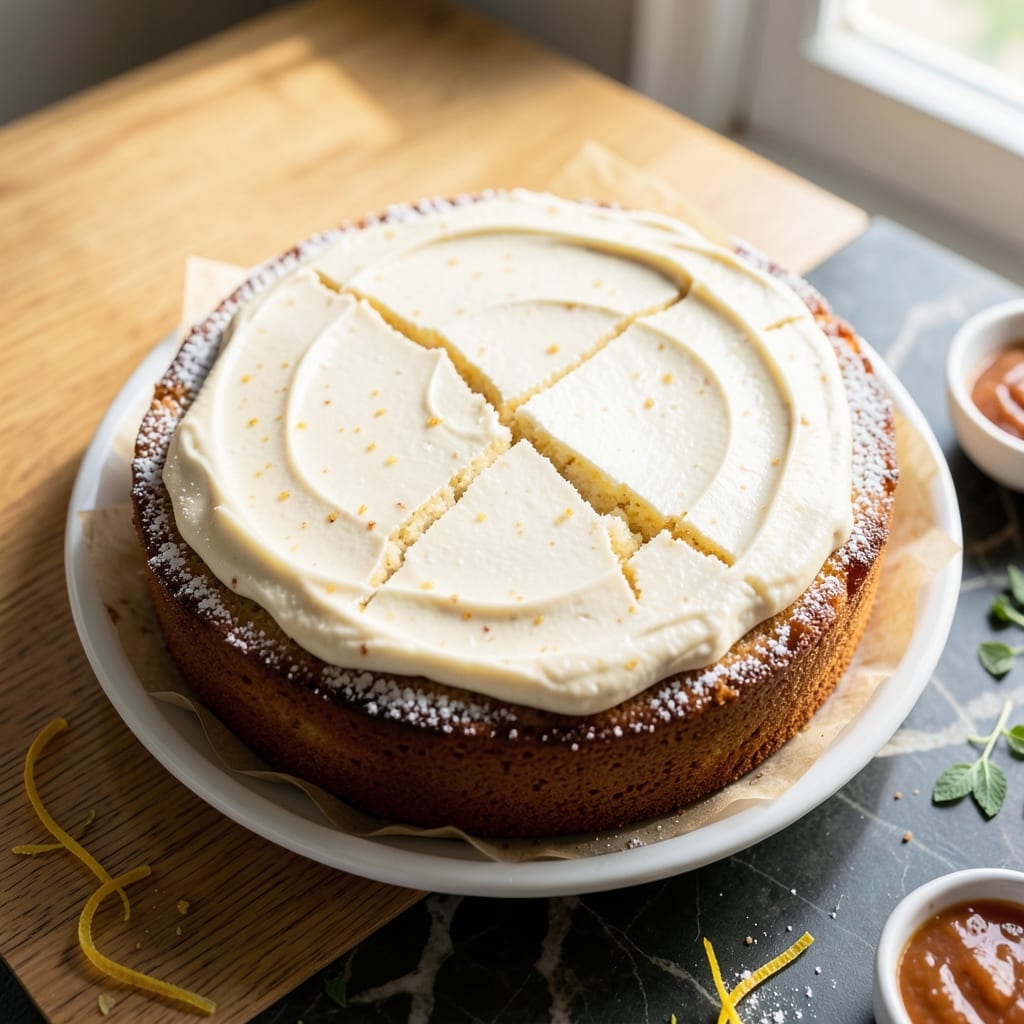
This 1 pound vanilla cake recipe delivers the perfect balance of tender crumb and velvety vanilla buttercream—every slice is moist, rich, and just sweet enough. The secret lies in creaming butter and sugar properly, then gently folding in dry ingredients to preserve air pockets, ensuring a light yet sturdy texture that holds up beautifully. I’ve baked this recipe for countless gatherings, and it never fails to disappear quickly.
What sets this cake apart is its foolproof method for achieving a moist interior without turning dense. A touch of sour cream in the batter keeps it tender, while vanilla extract infused into the buttercream adds depth that store-bought frosting simply can’t match. The recipe yields an 8-inch cake, perfect for small celebrations or satisfying a sweet tooth.
By the time you pull it from the oven, you’ll have a golden-domed cake with a fine crumb that crumbles just enough to hold its shape. The vanilla buttercream, piped or spread smoothly, adds a professional finish that makes it look as good as it tastes. Serve warm with a scoop of ice cream or at room temperature with fresh berries for a classic touch.
This recipe scales effortlessly for larger batches, and the techniques here work for other vanilla variations—think lemon or chocolate swirl. The key is patience: don’t overmix, and let the cake cool gradually before frosting. Trust the process, and you’ll end up with a cake that tastes like a bakery favorite.
Ingredients for 1 pound vanilla cake
Nine essential ingredients for a tender vanilla cake with professional buttercream.
| Ingredient | Amount | Notes |
|---|---|---|
| Unsalted Butter 🧈 | 1 cup | Softened to room temperature |
| Granulated Sugar 🍚 | 1 ½ cups | Superfine preferred for smoothness |
| Large Eggs 🥚 | 2 whole | Room temperature for even baking |
| All-Purpose Flour 🌾 | 1 ½ cups | Sifted, spooned lightly |
| Baking Powder 🧂 | 1 ½ tsp | Freshly opened for best rise |
| Salt 🧂 | ½ tsp | Fine sea salt preferred |
| Pure Vanilla Extract 🌸 | 1 tbsp | High-quality, not imitation |
| Sour Cream 🥛 | ½ cup | Full-fat for moisture |
| Milk 🥛 | ½ cup | Whole milk preferred |
| Vanilla Buttercream Frosting 🧁 | 1 ½ cups | Homemade or quality store-bought |
| Vanilla Bean Paste 🌸 | 1 tsp | For extra vanilla flavor |
The butter is non-negotiable—use high-quality unsalted like Plugrá or Land O'Lakes for that rich flavor. Room temperature matters here; if it's too cold, the cake won't rise properly. King Arthur flour is my go-to for all-purpose, but any reliable brand works. The vanilla extract should be pure—McCormick or Nielsen-Massey are solid choices. For the sour cream, full-fat works best—it keeps the crumb ultra-moist. If you're using powdered sugar for the frosting, sift it first for a silky texture.
No vanilla bean paste? Double the vanilla extract—it won’t be identical, but it’ll still taste great. Substituting milk? Almond or oat milk work in a pinch, though the texture might be slightly denser. For the frosting, if you’re making it from scratch, use powdered sugar and butter—no shortcuts here. The buttercream needs to be smooth, so beat it for at least 3-5 minutes. And if you’re in a hurry, store-bought frosting like Betty Crocker works in a bind, though homemade tastes infinitely better.
Store the cake in an airtight container at room temperature for up to 3 days, or refrigerate for 1 week if you’re not using it soon. The frosting keeps well too—just cover it tightly. For longer storage, wrap the cake in plastic wrap and freeze for up to 3 months. When reheating, microwave in 20-second bursts to avoid sogginess. The buttercream can be made a day ahead—it actually tastes better after resting.
Why You'll Love This Recipe
- No-Mix Hassle: I swear by this recipe—just cream butter and sugar, crack eggs, fold in dry stuff. The batter’s so forgiving, I’ve made it with cold eggs straight from the fridge and still nailed a perfect crumb.
- Butter-Sugar Magic: That rich, creamy butter-sugar combo? It’s the secret weapon. The cake’s tender but sturdy, with just enough vanilla warmth to make it feel like a hug—no artificial flavors needed.
- Leftovers That Work: Slice it, wrap it, and it’ll last days. I’ve packed this cake for lunches, served it at brunch, and even used it for trifle layers. The flour-to-butter ratio keeps it moist without getting gummy.
- Budget Baking Win: Five ingredients, zero specialty items. You’re not hunting for almond flour or pricey extracts here—just basics that deliver. Honestly, I’ve made this for under $3 a pound, and it still tastes like a bakery treat.
Step-by-step instructions for 1 pound vanilla cake
Master this recipe and you'll achieve a perfectly moist crumb with tender layers every time.
Prepare Your Cake Pans and Mix Wet Ingredients
Preheat your oven to 350°F and grease two 8-inch round cake pans with butter, then line the bottoms with parchment paper. This prevents sticking and ensures clean slices. For the batter, cream together the 1 cup unsalted butter and 1.5 cups granulated sugar in a large mixing bowl using an electric mixer on medium speed for 3-4 minutes until light and fluffy. You'll see the mixture nearly double in volume and become pale in color.
Add the 2 whole large eggs, one at a time, mixing well after each addition. Then stir in the 1 tbsp pure vanilla extract and 1 tsp vanilla bean paste. The vanilla bean paste adds that extra depth of flavor beyond regular extract. Mix until fully combined, scraping down the sides of the bowl as needed to ensure everything incorporates evenly.
Combine Dry Ingredients and Create the Batter
In a separate bowl, whisk together the 1.5 cups all-purpose flour, 1.5 tsp baking powder, and 0.5 tsp salt. Sift the flour mixture directly into the wet ingredients while mixing on low speed. This prevents lumps and ensures a smooth batter. Once combined, add the 0.5 cup sour cream and 0.5 cup milk, mixing just until the ingredients come together.
Real talk: Don't overmix here. You want to see a few streaks of flour remaining in the batter—this ensures a tender crumb rather than a dense one. The sour cream adds moisture and richness, while the milk helps create that perfect texture. Mix for about 30 seconds after adding the liquids to ensure everything is fully incorporated.
Bake the Cake Layers to Perfection
Divide the batter evenly between the prepared cake pans, filling each about two-thirds full. Tap the pans gently on the counter to remove any air bubbles. Bake in the preheated oven for 25-30 minutes or until a toothpick inserted into the center comes out clean. The cake should spring back when gently pressed in the center.
Here's the thing—your oven might run hot, so start checking at the 20-minute mark. If the edges are browning too quickly, tent the pans with aluminum foil to prevent over-browning while the centers finish cooking. Once done, remove from the oven and let the cakes cool in the pans for 10 minutes before transferring to a wire rack to cool completely. This gradual cooling prevents cracking.
Frost and Assemble the Cake
Once both cake layers are completely cool, level the tops if needed using a serrated knife. Spread 1 cup of the vanilla buttercream frosting evenly over the first layer. Place the second layer on top and gently press down to create a flat surface. Frost the top and sides of the cake with the remaining 0.5 cups vanilla buttercream frosting, using a spatula to create smooth, even layers.
For a professional finish, chill the cake in the refrigerator for 30 minutes before serving. This helps the frosting set and makes slicing cleaner. The result should be a beautifully layered cake with a moist, tender crumb and rich vanilla flavor in every bite. The buttercream frosting adds that perfect sweetness and creaminess that makes this cake truly special.
Pro Tips For Making 1 Pound Vanilla Cake
- CREAM BUTTER TO ROOM TEMP: Mixing cold butter with sugar traps air, but if your butter’s straight from the fridge, you’re fighting the batter. Cut it into small cubes and let it sit on the counter for 30–45 minutes—just until it yields slightly when pressed. No one likes gummy cake, and this guarantees a light, fluffy crumb.
- SIFT DRY INGREDIENTS TOGETHER: I learned this the hard way—dumping flour and baking powder straight into the bowl means uneven distribution, and your cake might rise unevenly or sink in the middle. Sift them together first, then whisk in the vanilla and salt. It takes 30 seconds but makes a real difference in texture.
- TEST DONENESS WITH A TOOTHPICK: The cake’s done when a toothpick comes out clean—or, more accurately, with a few dry crumbs clinging to it. If you pull it out with wet batter, you’ll end up with a gummy center. And no, checking at 30 minutes isn’t cheating—your oven’s hotter than you think.
- SWAP VANILLA BEAN FOR EXTRA FLAVOR: Vanilla extract is fine, but if you’re using it, add a tiny pinch of salt to the batter. The salt cuts through the sweetness and makes the vanilla sing. Or, if you’re feeling fancy, scrape a vanilla bean, add the seeds to the batter, and save the pod for another use. Small effort, big payoff.
Regional styles of this recipe
Southern Vanilla Cake
In the South, vanilla cake often gets a touch of buttermilk instead of sour cream for that signature tangy crumb. Swap the ½ cup sour cream for ½ cup buttermilk and add 1 tsp baking soda to the dry ingredients. This variation keeps the cake moist while adding a subtle depth of flavor that’s classic in states like Georgia and Alabama. Serve with a drizzle of warm peanut butter glaze for a true Southern treat. 🥛
Midwest Classic Layer Cake
The Midwest takes vanilla cake to heart with a focus on simplicity and hearty portions. Use whole wheat flour> instead of half the all-purpose flour for a nuttier taste, and add ½ tsp cinnamon> to the dry ingredients. This version is perfect for potlucks and family gatherings, often paired with a homemade cream cheese frosting> instead of buttercream. The texture stays tender but has a slight chewiness that Midwesterners love.
New England Vanilla Bean Twist
Up north, vanilla cake often features vanilla bean seeds> scraped from a pod instead of extract or paste. Replace the 1 tbsp vanilla extract> with 2 tbsp vanilla bean seeds> (about 1 pod) for an aromatic depth that’s unmatched. New England bakers also prefer a slightly denser crumb, so reduce the milk to ¼ cup> and add 1 tbsp cornstarch> to the dry ingredients. This version pairs beautifully with a maple buttercream> for a local touch.
California Citrus Vanilla Cake
West Coast bakers love to brighten vanilla cake with citrus zest. Add 1 tbsp lemon zest> and 1 tbsp orange zest> to the wet ingredients for a refreshing twist. California also embraces lighter textures, so replace the sour cream with ½ cup Greek yogurt> for extra moisture without heaviness. Top with a lemon curd drizzle> and fresh berries for a vibrant, summery dessert that’s perfect for brunch or picnics. 🍋
European-Style Dense Vanilla Cake
In Europe, vanilla cake often has a denser, richer texture inspired by traditional gâteau vanille>. Replace the milk with ½ cup heavy cream> and add 2 tbsp cornstarch> to the dry ingredients. European bakers also prefer a slightly higher sugar content—boost the granulated sugar to 1.75 cups>. This version is ideal for slicing into squares and serving with a dusting of powdered sugar and a sprinkle of edible flowers> for an elegant finish.
Modern Fusion Vanilla Cake
For a contemporary twist, try a matcha-infused vanilla cake> by adding 1 tsp matcha powder> to the dry ingredients and using white chocolate buttercream> instead of vanilla. Another fusion favorite is a coconut vanilla cake>, where you replace the milk with ½ cup coconut milk> and fold in ½ cup toasted coconut flakes> into the batter. These variations keep the classic vanilla flavor while adding exciting textures and flavors for modern palates. 🌿
Nutrition facts
Frequently asked questions
Can I make this vanilla cake in a single 9-inch pan instead of two 8-inch pans?
Yes, but you'll need to adjust the baking time and expect a slightly denser texture. For a 9-inch pan, reduce the batter by about 25% (use ~1 cup batter total) and bake for 30-35 minutes at 350°F. The cake will be more like a sheet cake than layers, but still delicious with a simple glaze instead of frosting.
Why did my cake turn out dry instead of moist?
Dry cake usually means overbaking or overmixing. Check your oven temperature with a thermometer—it might run hot. Also, ensure you're mixing just until combined (no more than 30 seconds after adding liquids). For extra moisture, brush warm layers with simple syrup (equal parts sugar and water) before frosting.
Can I substitute buttercream frosting with cream cheese frosting?
For cream cheese frosting, mix 8 oz softened cream cheese, ½ cup butter, 4 cups powdered sugar, and 1 tsp vanilla. This adds tangy richness that pairs beautifully with vanilla cake. Chill the cake longer (up to 1 hour) before serving to prevent melting.
How do I store leftover cake without it getting stale?
Wrap tightly in plastic wrap and store at room temperature for 3 days, or refrigerate for 1 week. For longer storage, freeze the unfrosted cake layers (wrapped individually) for up to 3 months. Thaw overnight in the fridge before frosting. The frosting can be stored separately in the fridge for 5 days.
What's the secret to making this cake gluten-free?
Replace all-purpose flour with a 1:1 gluten-free baking flour blend (like Bob's Red Mill) plus ½ tsp xanthan gum. Use ½ cup almond milk instead of dairy milk, and increase sour cream to ⅔ cup for moisture. Bake 5-10 minutes longer at 325°F since gluten-free batters take longer to set.