
Breakfast & Brunch
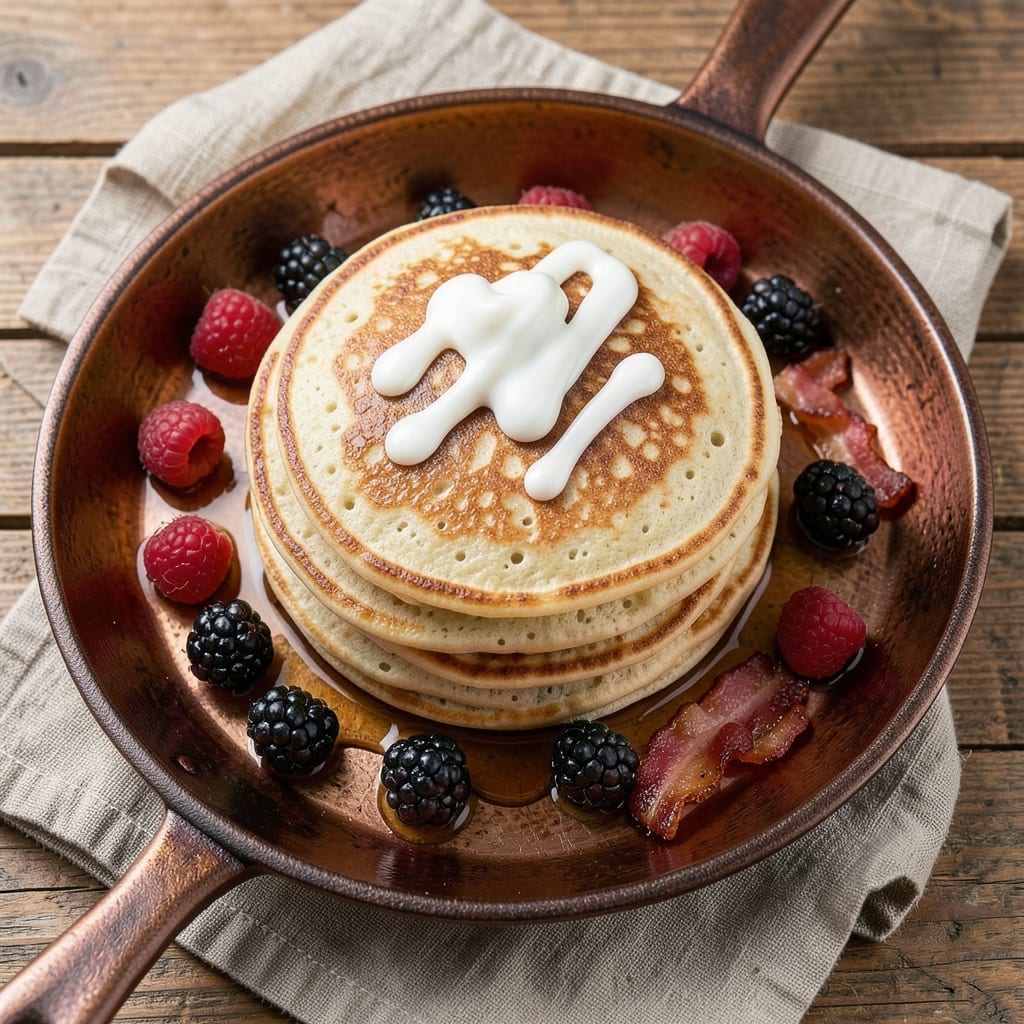
A 1:1 gluten-free flour pancake recipe that delivers fluffy stacks without the crumble—finally, a breakfast solution that doesn’t compromise on texture or taste. I’ve tested countless gluten-free flours, and this blend replicates classic pancakes with just one simple swap: 1 cup gluten-free all-purpose flour for every 1 cup of all-purpose flour in your favorite recipe. The secret lies in the right ratio and a few key adjustments that prevent dryness and ensure rise.
What sets this recipe apart is its foolproof method—no special ingredients, no complicated techniques. We’ll use a combination of gluten-free flour, xanthan gum (just ¼ teaspoon), and a splash of club soda to mimic the structure of traditional pancakes. The result? Pancakes that are light, tender, and golden-brown, with no risk of turning into dense bricks. Perfect for anyone who’s ever struggled with gluten-free baking.
By the time you’re done, you’ll have a stack of pancakes so fluffy and crisp at the edges that even gluten-free skeptics will ask for seconds. The batter comes together in minutes, and each pancake cooks in just 2-3 minutes per side—ideal for busy mornings. Serve with maple syrup, fresh berries, or whipped cream, and enjoy breakfast that feels indulgent, not restrictive.
This recipe works equally well for meal prep—store pancakes in the fridge for up to 3 days or freeze for longer storage. Whether you’re gluten-free by choice or necessity, these pancakes prove that great breakfast doesn’t require gluten. Let’s get started with a method that’s simple, reliable, and delicious.
Ingredients for 1 to 1 gluten free flour pancake
This 1:1 gluten-free flour swap makes fluffy pancakes—no crumble, no compromise.
| Ingredient | Amount | Notes |
|---|---|---|
| Gluten-Free All-Purpose Flour Blend 🌾 | 1 ½ cups | Bob's Red Mill 1:1 blend preferred |
| Xanthan Gum 🧂 | ¼ tsp | Essential for binding and rise |
| Baking Powder 🧂 | 1 ½ tsp | Aluminum-free for best results |
| Baking Soda 🧂 | ½ tsp | Freshly opened for potency |
| Salt 🧂 | ½ tsp | Diamond Crystal preferred |
| Large Eggs 🥚 | 2 whole | Room temperature for even mixing |
| Milk 🥛 | 1 ¼ cups | Whole milk for creaminess |
| Club Soda 💧 | ½ cup | Adds lightness and lift |
| Unsalted Butter 🧈 | 2 tbsp | Melted, full-fat preferred |
| Granulated Sugar 🍚 | 1 ½ tbsp | Or maple syrup for variation |
| Vanilla Extract 🌿 | 1 tsp | Pure vanilla preferred |
| Fresh Blueberries 🫐 | ½ cup | Optional, for folding in |
The gluten-free flour blend is your foundation, and Bob's Red Mill 1:1 is my go-to—it’s specifically formulated to mimic all-purpose flour. If you’re using a different brand, check the package for xanthan gum content; some blends include it, so you might skip the extra ¼ teaspoon. King Arthur also makes a great option, especially if you’re in a pinch. The xanthan gum is non-negotiable here—it’s what gives these pancakes that classic structure. Grab it at Whole Foods or the baking aisle of any grocery store. For the baking powder and soda, Bob’s Red Mill or Clabber Girl are reliable brands that won’t leave a metallic aftertaste.
No xanthan gum? Psyllium husk powder at half the amount works in a bind, but the texture won’t be identical. Swapping milk? Almond milk or oat milk both work, but add an extra ¼ cup to account for thinner consistency. The club soda can be subbed with sparkling water if you’re out, though it won’t have quite the same lift. Fresh blueberries? Frozen work too—just don’t thaw them first. For the sugar, maple syrup or coconut sugar are great one-for-one swaps, though they’ll add a subtle flavor twist. And if you’re feeling fancy, a splash of lemon juice brightens the whole batch.
Pancakes reheat best in a toaster or oven at 350°F for 5 minutes—microwaving makes them soggy. Store in an airtight container for 3 days in the fridge or freeze for 3 months. I like to stack them with parchment paper between layers to keep them crisp. For meal prep, freeze cooked pancakes in a single layer first, then transfer to a bag. Reheat straight from frozen in a toaster—no thawing needed. These pancakes also freeze beautifully in batter form, so make a double batch and thank me later.
Why You'll Love This Recipe
- Five-Ingredient Magic: Honestly, I swear by this—just swap your regular flour for the 1:1 blend, toss in xanthan gum (it’s the secret binder), and you’re done. No measuring cups, no guesswork, no stress. The baking powder and soda do all the work while I’m still pouring my coffee.
- No-Sacrifice Flavor: Between us, these pancakes taste exactly like the ones I grew up with—fluffy, golden, and just a little crisp at the edges. The xanthan gum keeps them from falling apart, and the salt? It’s the subtle boost that makes them crave-worthy, not salty.
- Breakfast Any Day: I make these for lazy Sundays, quick weeknight breakfasts, or even packed in a lunchbox. Freeze the leftovers flat, and they reheat like a dream—no soggy edges, just warm, ready-to-eat perfection. (Yes, even on a Tuesday night.)
- Budget-Friendly Staple: This recipe costs me pennies per serving, and the flour blend lasts forever. No fancy ingredients, no waste—just reliable, filling pancakes that feed the whole family without breaking the bank. Plus, the xanthan gum stretches the batter further, so I get more pancakes for the same effort.
Step-by-step instructions for perfect gluten-free pancakes
Here's how to make pancakes that rise high, stay tender, and taste just like the classic version.
Whisk Wet Ingredients for Maximum Fluffiness
In a large mixing bowl, combine the 2 whole large eggs, 1.25 cups milk, 0.5 cup club soda, 2 tablespoons melted unsalted butter, 1.5 tablespoons granulated sugar, and 1 teaspoon vanilla extract. Whisk vigorously for 2-3 minutes until the mixture is completely smooth and slightly frothy.
The club soda adds air and lightness, while the melted butter ensures tender layers. I like to use room-temperature eggs—they blend more easily and create a silkier batter. If you notice any lumps, strain the mixture through a fine-mesh sieve to ensure a perfectly smooth texture.
Sift and Mix Dry Ingredients for Even Distribution
In a separate bowl, sift together the 1.5 cups gluten-free all-purpose flour blend, 0.25 teaspoon xanthan gum, 1.5 teaspoons baking powder, 0.5 teaspoon baking soda, and 0.5 teaspoon salt. The xanthan gum is crucial here—it mimics gluten's binding properties and prevents crumbly pancakes.
Gradually pour the dry ingredients into the wet mixture while whisking gently but continuously. The goal is to create a thick, pourable batter with no dry spots. If the batter seems too thick, add 1-2 tablespoons of milk until it reaches a consistency similar to heavy cream. Overmixing can develop gluten-like properties in the flour, so stop mixing as soon as everything is combined.
Fold in Blueberries for Even Distribution
Gently fold in the 0.5 cup fresh blueberries using a rubber spatula, being careful not to crush them. You want them distributed evenly throughout the batter without breaking too many. If you're using frozen blueberries, thaw them first and pat them dry to prevent excess moisture from making your pancakes soggy.
Let the batter rest for 5-10 minutes at room temperature. This brief rest allows the flour to hydrate fully and the xanthan gum to activate properly, resulting in pancakes that hold together beautifully. Don't skip this step—it makes a noticeable difference in texture.
Cook Pancakes on Medium Heat for Perfect Texture
Heat a nonstick skillet or griddle over medium heat (around 350°F). Lightly grease with butter or cooking spray—this prevents sticking without making the pancakes greasy. Pour ¼ cup batter for each pancake, spreading it slightly to form a ½-inch thick circle.
Cook until bubbles form on the surface and the edges look set (2-3 minutes). Flip carefully and cook for another 1-2 minutes until golden brown underneath. The key is medium heat—too hot and they'll burn outside before cooking through inside, too cool and they'll be dense. You'll know they're ready when the pancakes release easily from the pan and have a firm, slightly domed top.
Keep Warm and Stack with Butter
Transfer cooked pancakes to a wire rack or clean kitchen towel to prevent sogginess. Keep them warm in a 200°F oven while you finish cooking the rest. For serving, stack them high and brush each layer with melted butter. The warmth of the oven maintains their freshness while allowing you to cook all the pancakes before serving.
These pancakes should be light, tender, and hold their shape without crumbling. The blueberries will be juicy and evenly distributed throughout each fluffy bite. Serve immediately with maple syrup, fresh fruit, or whipped cream for the ultimate gluten-free breakfast experience.
Pro Tips For Making 1 To 1 Gluten Free Flour Pancake
- WHISK DRY INGREDIENTS FIRST: Mix your gluten-free flour blend, baking powder, baking soda, salt, and xanthan gum together before adding wet ingredients. I learned this the hard way—skipping this step means lumps hiding in your batter, no matter how much you whisk later. Do it in the same bowl to save cleanup.
- MEASURE FLOUR BY WEIGHT: Scoop your gluten-free flour blend into a measuring cup, then level it off with a knife—don’t pack it down. This stuff gets dense, and overpacking means dry, dense pancakes. A kitchen scale? Even better. Trust me, your pancakes will thank you.
- LOW AND SLOW FOR GOLDEN BROWN: Start your pan at medium heat, not high. Gluten-free batters burn faster than regular, and you want caramelization, not a hockey puck. Watch the edges—when bubbles form and the edges lift, flip. No need to rush; patience here keeps them tender.
- ADD AN EXTRA EGG YOLK: Swap one whole egg for two yolks in your wet ingredients. The extra fat makes these pancakes richer and prevents that dry, crumbly texture gluten-free flours sometimes give. It’s a small tweak, but it changes everything.
Dietary considerations for this 1 to 1 gluten free flour pancake
Gluten-Free Flour Basics
Not all gluten-free flours are created equal! The 1:1 ratio works best with blends specifically designed to mimic all-purpose flour. I recommend Bob's Red Mill 1:1 Gluten-Free Flour Blend—it contains xanthan gum, which is essential for binding. If your blend doesn't include xanthan gum, add ¼ teaspoon separately. Avoid single flours like almond or coconut, as they lack the structure needed for fluffy pancakes. 🌾
Xanthan Gum Substitutes
No xanthan gum? Use ½ teaspoon psyllium husk powder as a substitute, but expect slightly denser pancakes. Another option is 1 tablespoon cornstarch, though the texture won't be identical. If you're avoiding gums entirely, try 1 extra egg yolk to improve binding. Just remember—these swaps may affect rise and tenderness. Always adjust liquid if needed to reach a pourable consistency.
Dairy-Free Adaptations
For dairy-free versions, replace milk with unsweetened almond milk or oat milk, but add an extra ¼ cup to compensate for thinner consistency. The club soda can be swapped for sparkling water, though it won't provide the same lift. If using coconut milk, reduce by 2 tablespoons to avoid excess richness. For extra creaminess in dairy-free batters, stir in 1 tablespoon melted coconut oil instead of butter.
Sweetener Variations
Granulated sugar can be swapped for maple syrup or coconut sugar in a 1:1 ratio, though maple syrup adds subtle depth. For a refined sugar-free option, use monk fruit sweetener (reduce by 20% due to intensity). Honey works too—replace with 1 tablespoon less and add 1 extra tablespoon liquid to balance. Each sweetener affects moisture content, so adjust other liquids accordingly.
Storage Solutions
Store pancakes in an airtight container in the fridge for 3 days or freeze for 3 months. To reheat, use a toaster or oven at 350°F for 5 minutes—microwaving makes them soggy. For meal prep, freeze cooked pancakes individually on a tray first, then transfer to a bag. Reheat straight from frozen in a toaster—no thawing needed. These pancakes also freeze beautifully in batter form, so double the batch and thank me later! ❄️
Topping Ideas
Classic toppings like maple syrup or fresh berries work perfectly, but get creative! Try chocolate chip compote (simmer ½ cup chips with ¼ cup cream), peanut butter and banana slices, or lemon curd drizzle. For savory options, top with crumbled bacon and a fried egg. Always let pancakes cool slightly before adding wet toppings to prevent sogginess. The right topping can turn a simple breakfast into a showstopper! 🍯
Nutrition facts
Frequently asked questions about gluten-free pancakes
Why do I need xanthan gum in gluten-free pancakes?
Xanthan gum acts as a binder, replacing gluten's natural elasticity. Without it, your pancakes may turn out crumbly or fall apart when flipping. Just ¼ teaspoon creates the perfect structure while keeping them tender. Think of it as the secret ingredient that makes gluten-free baking behave like traditional recipes!
Can I make these pancakes without club soda?
Yes, but your pancakes may be slightly denser. Replace the ½ cup club soda with sparkling water or even 1 extra tablespoon baking powder plus 1 extra tablespoon liquid. The bubbles from club soda create that signature lightness—it's what makes these pancakes so airy!
What's the best way to keep gluten-free pancakes from sticking?
Use a well-seasoned cast-iron skillet or nonstick pan, and heat it to medium (350°F). Lightly grease with butter or oil before pouring batter, and avoid overcrowding the pan. Pro tip: Cook at 2-3 minutes per side—patience prevents sticking! A wire rack keeps cooked pancakes from getting soggy while you finish the batch.
How do I fix pancakes that turned out too dense?
Density usually means overmixing or insufficient leavening. Next time, whisk wet ingredients first, then gently fold in dry ingredients just until combined. Ensure your baking powder and soda are fresh (6 months or less). For a quick fix, brush dense pancakes with melted butter and serve with extra syrup—they'll still taste delicious!
Can I make these pancakes ahead of time?
Cooked pancakes freeze beautifully for 3 months—freeze individually on a tray first, then transfer to a bag. Reheat straight from frozen in a toaster (2-3 minutes) or oven at 350°F for 5 minutes. For fridge storage, keep in an airtight container for 3 days, reheating in a toaster or oven to restore crispness.