
Desserts
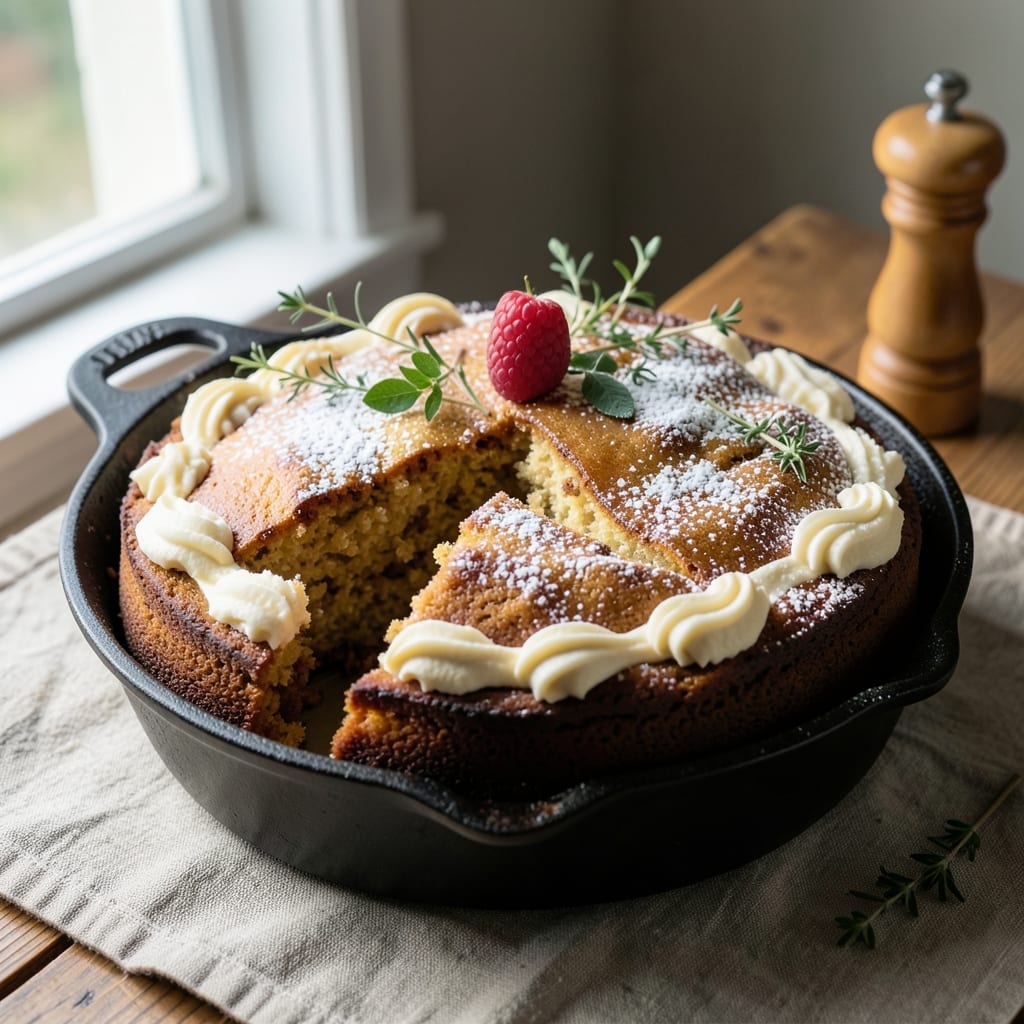
A 10-cup pound cake delivers that perfect balance of buttery richness and tender crumb—without drying out after a single slice. The secret lies in precise ingredient ratios and a gentle mixing technique that keeps the texture light and moist for days. I've baked this recipe countless times, and it never fails to impress with its golden layers and velvety crumb.
This classic vanilla version uses 10 cups of flour—the signature amount that gives pound cakes their signature structure and density. The key to success is creaming the butter and sugar properly, then folding in the dry ingredients just until combined. Overmixing leads to a tough cake, so we take our time to maintain that signature tender crumb.
What sets this recipe apart is how it stays moist even after sitting out for hours. The combination of all-purpose flour, butter, and a precise amount of liquid creates a cake that's rich but not greasy, sweet but not cloying. Each slice reveals that perfect balance of buttery flavor and tender texture that makes pound cake a classic dessert.
Serve it warm with fresh berries or a scoop of vanilla ice cream, or enjoy it at room temperature with a pat of butter. The possibilities are endless, but the foundation—this perfect 10-cup pound cake—is what makes everything taste better. Let's get baking!
Ingredients for 10 cup pound cake
Buttery richness meets tender crumb in this classic 10-cup pound cake—simple ingredients, perfect balance.
| Ingredient | Amount | Notes |
|---|---|---|
| Unsalted Butter 🧈 | 2 cups | Room temperature, softened |
| Granulated Sugar 🍚 | 2 ½ cups | Superfine preferred for smoothness |
| All-Purpose Flour 🌾 | 10 cups | Sifted before measuring |
| Large Eggs 🥚 | 6 whole | Room temperature |
| Pure Vanilla Extract 🌿 | 2 tbsp | High-quality, not imitation |
| Milk 🥛 | 1 ½ cups | Whole milk preferred |
| Baking Powder 🧂 | 2 tsp | Aluminum-free preferred |
| Salt 🧂 | 1 tsp | Fine sea salt |
| Vegetable Oil 🫒 | ½ cup | Light, neutral flavor |
| Powdered Sugar 🍚 | 1 cup | For glaze (optional) |
| Heavy Cream 🥛 | ¼ cup | For glaze (optional) |
| Vanilla Bean Seeds 🌿 | 1 tsp | Scraped from 1 bean (optional) |
The butter is non-negotiable here. Use European-style butter if you can—it's higher in fat content, which makes this cake extra moist. I always grab Plugrá or Land O'Lakes Select from the store, but if you're baking often, invest in a block of unsalted butter from the dairy section. Room temperature is key—soften it by microwaving in 20-second bursts if needed. The flour? King Arthur or Gold Medal are my go-tos, but any all-purpose will work. Just sift it first—this cake relies on that signature tender crumb, and sifting removes lumps that can make it dense. Pro tip: measure your flour by spooning it into the cup and leveling with a knife, don't scoop directly from the bag.
No vanilla extract? Vanilla bean seeds scraped from one pod make a world of difference—they add depth that imitation can't match. Short on milk? Heavy cream or even water in a pinch, but the fat content helps keep this cake moist. The baking powder is crucial—aluminum-free is best—and if you're using a boxed mix, you'll need extra flour to reach 10 cups. For the glaze, powdered sugar is a must, but if you're feeling fancy, add a splash of vanilla or lemon zest to the cream. The vanilla bean seeds? Optional but worth it if you've got one lying around—just scrape the tiny black seeds and toss them in with the extract. Trust me, your cake will thank you.
This cake stays moist for days when stored properly. Wrap it tightly in plastic wrap or aluminum foil and keep at room temperature—it actually tastes better the next day as the flavors meld. For longer storage, freeze slices wrapped individually for up to 3 months. To reheat, warm in a 200°F oven for 5-10 minutes—perfect for serving with ice cream. I always bake two pans at once—one for today, one for tomorrow. The secret to that signature pound cake texture? Don't overmix—fold the dry ingredients just until combined, or you'll end up with a tough cake instead of that perfect tender crumb we're all craving.
Why You'll Love This Recipe
- No-Fuss Mixing: I swear by the creamer method—just melt butter and sugar together, then fold in eggs and vanilla. No sifting, no overworking the batter, and the result is always tender. That’s the magic of the 10-cup ratio: it’s forgiving, even when I’m distracted.
- Vanilla Butter Bliss: The butter and sugar get so warm they practically marry before the eggs come in. That rich, buttery crumb? It’s like biting into a hug—especially when you add a dusting of powdered sugar. Honestly, the vanilla makes it taste like a bakery’s secret.
- Crowd-Pleaser Slices: This cake holds up for brunch, picnic sandwiches, or even dessert. I’ve served it at birthday parties (no one notices it’s not store-bought) and packed it for lunch—still moist after three days. The 10-cup size means you’re not stuck with a giant loaf either.
- Budget Baking Win: Butter and sugar are the stars, but they stretch far. A single batch feeds six, and leftovers? Toast them for French toast or cube them into trifle. I’ll be real: it’s my go-to when I need something impressive without breaking the bank.
Step-by-step instructions for buttery vanilla layers that stay moist for days
This classic pound cake method delivers tender layers with perfect moisture retention every time.
Cream Butter and Sugars to Light and Fluffy
In a stand mixer fitted with the paddle attachment, beat the 2 cups unsalted butter and 2.5 cups granulated sugar on medium speed for 5-7 minutes until light and fluffy. You'll see the mixture nearly double in volume and turn pale in color—this is crucial for that signature tender crumb. The butter should be completely smooth with no graininess remaining.
I like to scrape down the sides of the bowl every 2 minutes to ensure even mixing. This step incorporates air into the batter, which creates that signature pound cake texture. Superfine sugar works best here for even dissolution, but regular granulated sugar will work if you pulse it briefly in a food processor first.
Add Eggs and Vanilla for Rich Flavor
Add the 6 whole large eggs, one at a time, mixing well after each addition until fully incorporated. Then stir in the 2 tablespoons pure vanilla extract and 1 teaspoon vanilla bean seeds for that authentic vanilla flavor. The mixture should be thick and ribbon-like—if it's too thin, add 1 more tablespoon of flour to adjust the consistency.
Real talk: don't skip the vanilla bean seeds if you have them. That extra depth of flavor makes this pound cake truly special. The seeds will dissolve into the batter completely, so no need to worry about texture issues. Here's where it gets fun—the batter should be smooth and glossy at this point, with no visible streaks of egg.
Alternate Dry Ingredients with Milk
In a separate large bowl, whisk together the 10 cups all-purpose flour, 2 teaspoons baking powder, and 1 teaspoon salt. With the mixer on low speed, alternately add the dry ingredients and 1.5 cups milk, beginning and ending with the dry ingredients. Mix just until combined—you should still see some flour streaks. Overmixing develops gluten and makes the cake tough.
This alternating method ensures even distribution of ingredients while maintaining that tender crumb. I've found that using a spatula to gently fold in the dry ingredients by hand sometimes works better than the mixer for this step. The batter should be thick but pourable at this stage—if it's too stiff, add 1 tablespoon more milk.
Incorporate Oil for Extra Moisture
Add the 0.5 cup vegetable oil to the batter and mix on low speed for 30 seconds until just combined. The oil helps create that signature moist texture that keeps this cake fresh for days. The batter will be thick and glossy—almost like a heavy cake batter. Here's the thing—don't be tempted to add more liquid at this point. The recipe is precisely balanced for perfect moisture.
This is also when I add a quick quality check: dip a finger into the batter and run it through your fingers. It should leave a clean trail without being too sticky. If it's too thick, you can add 1 tablespoon milk to adjust, but trust the recipe—it's designed to work perfectly as written.
Bake in Layers for Perfect Texture
Divide the batter evenly between three 9-inch round cake pans (greased and lined with parchment paper). Bake at 350°F for 25-30 minutes or until a toothpick inserted in the center comes out clean. The edges should be golden brown, but the centers should still look slightly underdone—they'll continue cooking as they cool.
Don't open the oven during baking—this causes the cakes to sink. The reason we bake in layers is to create that classic pound cake texture with even moisture distribution. Once baked, let the cakes cool in the pans for 10 minutes, then transfer to a wire rack to cool completely. This cooling process is crucial for preventing a gummy texture.
Prepare Optional Glaze (For Extra Shine)
For the glaze, whisk together the 1 cup powdered sugar, 0.25 cup heavy cream, and 1 teaspoon vanilla extract until smooth. This simple glaze adds that professional bakery finish while keeping the cake moist. If the glaze is too thick, add 1 teaspoon milk to thin it to your desired consistency.
Once the cakes are completely cool, spread the glaze evenly over the top of each layer. The glaze should set in about 15 minutes, giving the cake that beautiful glossy finish. This step is optional but highly recommended—it not only looks impressive but also helps seal in moisture for several days. The cake will stay fresh-tasting and moist for up to 5 days when stored properly at room temperature.
Pro Tips For Making 10 Cup Pound Cake
- Mix Butter and Sugar First: Mix the butter and sugar until light and fluffy—about 3-5 minutes with a stand mixer or until the bowl looks almost translucent. I learned this the hard way: skipping this step means a dense, dry cake no matter how perfect the rest of the recipe is.
- Use Room-Temperature Eggs: Crack eggs into a separate bowl first, then let them sit for 10-15 minutes before adding to the batter. Cold eggs incorporate unevenly and can cause the cake to sink or develop a gummy texture—trust me, your future self will notice the difference.
- Don’t Overmix the Batter: Stop folding in the flour as soon as it’s just combined—you’re aiming for a few streaks, not a smooth dough. Overmixing develops gluten, which turns your tender pound cake into a tough, chewy brick. I’ve seen it happen, and it’s not pretty.
- Bake Until Internal Temp Hits 205°F: Check doneness with a thermometer at 205°F (not just the toothpick test)—this ensures a fully set cake that won’t collapse later. I used to pull it out too soon, only for it to sink as it cooled. A little patience here saves a lot of disappointment.
Perfect pairings for this dish
Classic Fruit Toppings
Fresh berries are my go-to pairing for this pound cake—their bright acidity cuts through the richness beautifully. Try strawberries, blueberries, or raspberries arranged in a decorative pattern on top. For a tropical twist, slice mango or pineapple and drizzle with a little honey. The key is to use fruit at its peak ripeness for the best flavor contrast. 🍓
Whipped Cream Perfection
No pound cake is complete without a dollop of whipped cream! I prefer heavy whipping cream sweetened with a touch of powdered sugar and vanilla. For extra flair, fold in 1 teaspoon of vanilla bean seeds or a sprinkle of citrus zest. Serve it alongside the cake or pipe it directly onto slices for an elegant presentation. The creaminess complements the cake's buttery texture perfectly.
Warm Spiced Compotes
For a cozy, comforting pairing, warm up a batch of spiced apple compote or peach butter. Simmer 2 cups diced apples with 1 cup apple juice, 1 tablespoon brown sugar, and a pinch of cinnamon until thickened. The warm spices enhance the cake's vanilla notes while adding a delightful contrast in temperature. This works especially well during fall and winter gatherings. 🍎
Creamy Ice Cream Pairings
Vanilla ice cream is the ultimate classic pairing, but don't be afraid to experiment! Try caramel swirl ice cream for a decadent twist or coffee-flavored ice cream for a sophisticated balance. For a lighter option, use coconut milk ice cream—its tropical notes complement the cake's buttery richness. Always serve the cake slightly warmed to enhance the ice cream's melting texture. 🍦
Boozy Elevations
Add a sophisticated touch by pairing your pound cake with a bourbon glaze or a splash of orange liqueur in the glaze. For an adult-friendly dessert, serve with a small scoop of bourbon vanilla ice cream and a drizzle of caramel sauce. A 1-ounce pour of bourbon (like Maker's Mark) in the glaze adds depth without overpowering the cake's delicate vanilla flavor. 🥃
Unexpected Savory Contrasts
For a unique twist, try serving slices with a side of salted caramel sauce or a dollop of whipped mascarpone cheese. The saltiness enhances the cake's sweetness, while the creaminess adds a luxurious texture. Another unexpected but delicious pairing is dark chocolate ganache—the bitterness balances the cake's richness beautifully. These pairings work especially well for special occasions. 🍫
Nutrition facts
Frequently asked questions
Why does this recipe use 10 cups of flour?
The 10-cup flour is the defining feature of traditional pound cakes! This ratio creates the signature dense yet tender crumb that stays moist for days. The extra flour helps balance the butter and sugar, preventing a greasy texture while maintaining that classic pound cake structure. Think of it as the secret to that perfect buttery texture we all love.
Can I make this cake in a single 9-inch pan instead of three layers?
Yes, but expect a denser texture. For a single 9-inch pan, reduce baking time to 45-50 minutes at 325°F—the lower temp prevents over-browning. The cake will be more compact, almost like a sheet cake, but still delicious! Just adjust your serving expectations for a taller slice.
What's the best way to store leftover pound cake?
Wrap tightly in plastic wrap or aluminum foil and store at room temperature for up to 5 days. For longer storage, freeze slices individually for 3 months. To refresh, warm at 200°F for 5-10 minutes—perfect for serving with ice cream! The key is to keep it sealed to maintain that signature moisture.
Can I substitute butter with oil?
Not recommended for this recipe—the butter provides both flavor and moisture that oil can't replicate. However, if you're avoiding dairy, you can replace half the butter with oil (like 1 cup melted coconut oil) for a lighter texture, though the flavor will be slightly different. The cake will still be delicious, but that classic buttery richness will be reduced.
Why did my cake turn out dry?
Overbaking or overmixing are the most common causes. Always check for doneness with a toothpick at 25-30 minutes—it should come out with a few moist crumbs, not completely clean. Also, ensure your butter and eggs are room temperature (cold fats don't emulsify properly). For extra moisture, try brushing warm layers with simple syrup while cooling.