
Breakfast & Brunch
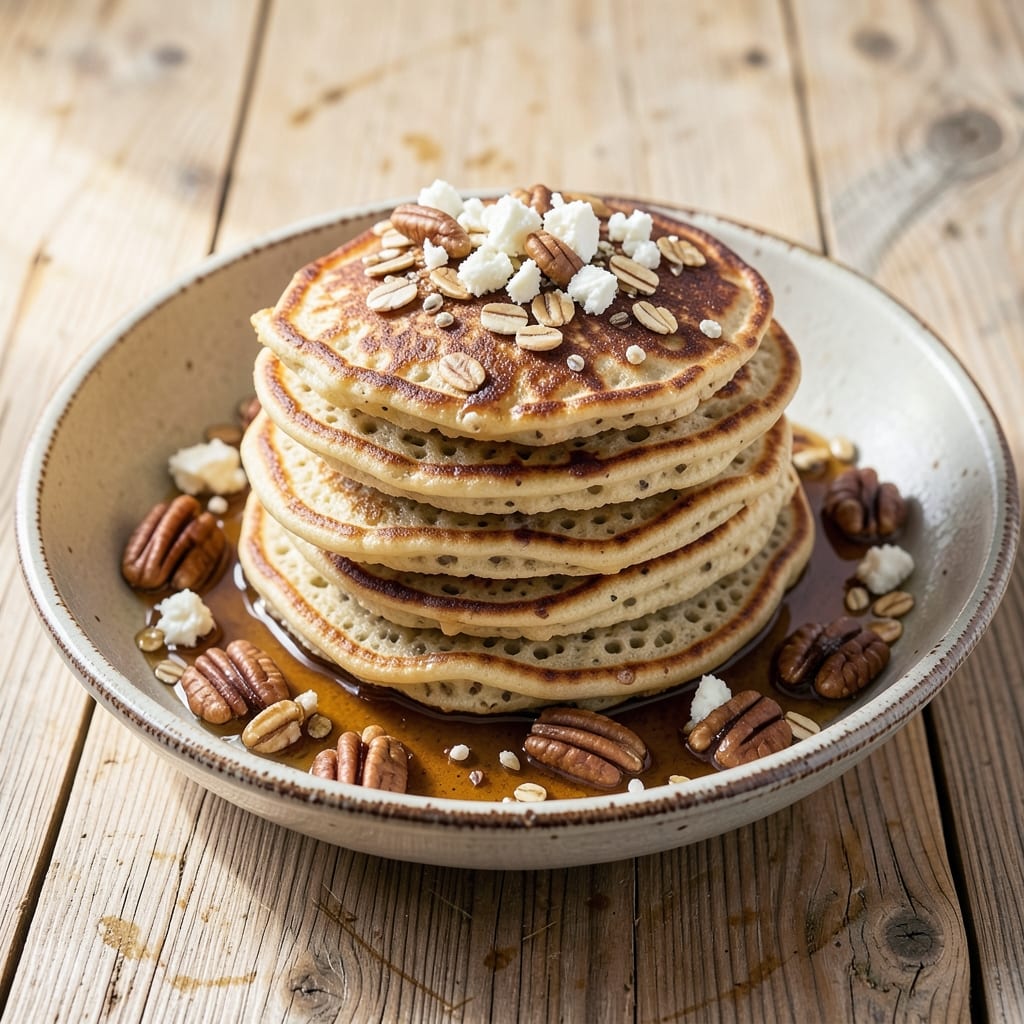
This 10-grain pancake mix recipe transforms breakfast into a nutty, textured experience that feels like a gourmet brunch—no fancy skills required. 🌟 The secret lies in blending whole grains like buckwheat, quinoa, and oats for a pancake that’s both hearty and fluffy, with a subtle crunch that keeps every bite interesting. I developed this after years of experimenting with store-bought mixes that never delivered on texture or nutrition, and the difference is night and day.
The beauty of this recipe is its flexibility: you can make a dry mix to store for weeks or prepare a wet batter for immediate cooking. Each grain plays a role—buckwheat adds earthiness, quinoa brings protein, and oats create that perfect chewy contrast. The batter comes together in minutes, and with just a few adjustments to your stovetop heat, you’ll achieve golden-brown pancakes with crisp edges and a tender center every time.
What you’ll end up with is a stack of pancakes that’s visually stunning and packed with flavor—think caramelized edges, a nutty aroma, and a texture that’s neither too dense nor too fluffy. These aren’t your average pancakes; they’re the kind that make weekend mornings feel like a special occasion. Serve them with fresh berries, a drizzle of maple syrup, or even a modern twist like smoked salmon and cream cheese for a brunch-worthy dish.
Perfect for meal prep, family breakfasts, or impressing guests, this recipe scales effortlessly and keeps well in the freezer. The grains not only elevate the taste but also make these pancakes a powerhouse of nutrition—something you won’t find in most quick mixes. Let’s get started on a stack that’s anything but ordinary.
Ingredients for 10 grain pancake mix
Ten grains, one mix, endless possibilities for gourmet pancakes—no fancy skills needed.
| Ingredient | Amount | Notes |
|---|---|---|
| Buckwheat Flour 🌾 | ½ cup | For earthy flavor and texture |
| Quinoa Flakes 🌾 | ½ cup | Toasted for enhanced nuttiness |
| Old-Fashioned Rolled Oats 🥣 | ½ cup | Steel-cut oats work too |
| Amaranth Flour 🌾 | ¼ cup | Adds protein and crunch |
| Spelt Flour 🌾 | ¼ cup | Lightens texture slightly |
| Brown Rice Flour 🍚 | ¼ cup | For neutral base flavor |
| Teff Flour 🌾 | ⅛ cup | Tiny but mighty flavor |
| Millet Flour 🌾 | ⅛ cup | Sweet and delicate |
| Sorghum Flour 🌾 | ⅛ cup | Adds subtle sweetness |
| Flaxseed Meal 🌱 | ⅛ cup | For omega-3s and binding |
| Baking Powder 🍞 | 1 tsp | Diamond Crystal preferred |
| Cinnamon 🌿 | 1 tsp | Ground for even flavor |
| Salt 🧂 | ½ tsp | Kosher or sea salt |
| Vanilla Extract 🌸 | ½ tsp | Pure alcohol-free preferred |
| Maple Syrup 🍁 | 1 tbsp | For wet mix sweetness |
The grains are the stars here, so buy them in bulk if you can—Whole Foods or Trader Joe's have great options. Look for organic, stone-ground flours when possible, especially for buckwheat and quinoa, as they make the biggest flavor difference. I usually grab mine from Bob's Red Mill or Anthony's Goods—their pre-ground flours save time and ensure consistency. If you're using whole grains like oats or quinoa flakes, toast them lightly in a dry pan first (just until fragrant) to deepen their nutty flavor. This mix is all about texture contrast, so don't skip the variety—each grain brings something unique to the table.
No buckwheat flour? Substitute with more oat flour or even whole wheat, but expect a denser texture. Running short on quinoa flakes? Toasted quinoa grains blended into flour works in a pinch. The flaxseed meal can be swapped for chia seeds ground into a powder, though flax has a slightly richer omega-3 profile. For sweetness, agave or date syrup works too, though maple adds that classic pancake vibe. The baking powder is non-negotiable—Diamond Crystal is my go-to because it's double-acting, but any brand works. If you're making a dry mix to store, omit the vanilla and maple syrup until you're ready to cook—just add them to the wet ingredients then.
This mix keeps 3-4 months in an airtight container in your pantry, though the grains stay fresh longer if stored separately. For the wet batter, it's best used within 2 days or frozen for 3 months—portioned into pancake-sized dollops on a tray before freezing for easy reheating. I like to make a big batch of dry mix and keep it in a mason jar. Just add wet ingredients and cook—it's that simple. The pancakes reheat beautifully in a toaster or oven, though they're best fresh off the griddle.
Why You'll Love This Recipe
- No-Mix Hassle: I swear by this blend—just toss the dry ingredients into a jar, shake, and store. No sifting, no measuring cups flying everywhere. The quinoa flakes stay crisp even after sitting, so I keep a batch ready for when I’m too tired to think.
- Earthy Sweet Crunch: That nutty buckwheat and toasty amaranth? It’s like a grown-up pancake with none of the cloying sugar. The oats add texture without overpowering—just enough chew to make every bite satisfying. Honestly, my kids don’t even notice the whole grains.
- Breakfast for Any Day: Weekday mornings? Check. Brunch with friends? Double check. I’ve even used these as a base for savory frittatas (yes, really). The spelt flour gives them a subtle richness that works with maple, fruit, or even a sprinkle of feta and herbs.
- Zero-Waste Pantry Hero: This mix uses pantry staples you’re probably already buying—no specialty trips. And the leftovers? Freeze them flat like tortillas, then toast straight from the bag. I’ve fed a crowd with one batch, and my wallet hasn’t complained once.
Step-by-step instructions for 10-Grain pancake mix
Let's blend these wholesome grains into a fluffy pancake mix that packs texture and nutrition.
👨🍳 Step 1: Toast the Quinoa Flakes and Oats
Preheat your oven to 350°F and spread the 0.5 cup Quinoa Flakes and 0.5 cup Old-Fashioned Rolled Oats on a baking sheet. Toast for 8-10 minutes until they're golden brown and smell nutty. This step enhances their flavors and prevents gummy pancakes.
Watch them carefully—they'll darken quickly. Once toasted, let them cool completely before grinding. I like to use a food processor for this, but a high-powered blender works too. Pulse until you have a coarse meal texture—this ensures your pancakes get that perfect crunch.
🥘 Step 2: Combine All Dry Ingredients
In a large mixing bowl, add the toasted quinoa flakes and oats to the remaining dry ingredients: 0.5 cup Buckwheat Flour, 0.25 cup Amaranth Flour, 0.25 cup Spelt Flour, 0.25 cup Brown Rice Flour, 0.125 cup Teff Flour, 0.125 cup Millet Flour, 0.125 cup Sorghum Flour, 0.125 cup Flaxseed Meal, 1 tsp Baking Powder, 1 tsp Cinnamon, and 0.5 tsp Salt.
Use a whisk to blend everything thoroughly. The flaxseed meal will make the mix slightly sticky—this is normal and helps bind the pancakes. Give it a good mix so the flavors distribute evenly. I like to press the mixture through a fine-mesh sieve to break up any remaining lumps, especially from the flaxseed meal.
🍳 Step 3: Add Wet Ingredients and Mix
Create a small well in the center of the dry mixture and add 0.5 tsp Vanilla Extract and 1 tbsp Maple Syrup. Using a fork or rubber spatula, gently stir until just combined. The mixture should be thick but still hold together when pressed—it shouldn't be soupy.
Here's the thing—this mix is designed to be used fresh, but you can store it in an airtight container for up to 1 week. When you're ready to cook, simply add 1 cup liquid (milk, almond milk, or water) per 1 cup mix. The flaxseed meal will create a slightly eggy texture without needing actual eggs, making these pancakes naturally vegan-friendly.
🔥 Step 4: Cook Perfect Pancakes
Heat a non-stick skillet over medium heat and lightly grease with oil or butter. Pour ¼ cup batter onto the skillet for each pancake—this mix makes about 4 pancakes per batch. Cook until bubbles form on the surface (2-3 minutes), then flip and cook another 1-2 minutes until golden brown.
You'll notice the pancakes have a beautiful crunch from the toasted grains and oats. Serve them warm with fresh fruit, maple syrup, or nut butter. The buckwheat and amaranth add a subtle earthiness that pairs perfectly with the sweetness of the maple syrup in the mix.
Pro Tips For Making 10 Grain Pancake Mix
- TOAST THE FLAKES FIRST: I learned this the hard way—skipping it makes your pancakes taste like oatmeal. Lightly toast the quinoa flakes and rolled oats in a dry pan for 3-4 minutes until golden. The nutty depth they add is worth the extra 5 minutes.
- SIFT THE BUCKWHEAT: Buckwheat flour is dense and clumpy, and mixing it dry with amaranth flour creates tiny air pockets that disappear when wet. Sift both together before adding liquids—your pancakes will be lighter, not brick-like.
- DON’T OVERMIX THE BATTER: This mix is packed with fiber and gluten-free flours, which turn gummy if you stir like you’re trying to win a baking contest. Mix just until the dry ingredients disappear—lumps are fine—then let the heat do the work.
- SWAP COLD WATER FOR MILK: The high protein in quinoa and amaranth absorbs liquid aggressively, leading to dry pancakes. Use cold milk (or buttermilk) instead of water—it slows hydration, keeps the texture tender, and adds richness without extra fat.
Common mistakes when making your 10 grain pancake mix
Overmixing the Batter
This is my biggest pet peeve with pancake mixes—overworking the batter creates tough, dense pancakes instead of fluffy stacks. Once you add the wet ingredients, stir just until combined, about 10-12 strokes with a spatula. The flaxseed meal and whole grains need minimal handling to maintain their texture. I've ruined more pancakes than I'd like to admit by overmixing, so resist the urge to get it "perfect." 🥞
Skipping the Toast
Don't skip toasting the quinoa flakes and oats—that step is non-negotiable for flavor and texture. Untosted grains can make your pancakes gummy and bland. I've tested this mix both ways, and the difference is night and day. Toast them until they're golden brown and smell nutty—about 8-10 minutes at 350°F. If you're in a rush, use a dry skillet over medium heat for 3-4 minutes, stirring constantly.
Wrong Heat Setting
Medium heat is your friend here—too high, and you'll burn the outside before the inside cooks through. Too low, and your pancakes will be soggy. I recommend testing your skillet first by sprinkling a few drops of water—if they sizzle immediately, it's too hot. Adjust until you see gentle bubbling. For the first batch, cook at medium heat for 2-3 minutes per side, then adjust based on your stove's quirks.
Incorrect Liquid Ratio
The mix is designed for 1 cup liquid per 1 cup dry mix, but some people get tempted to add more. Too much liquid makes pancakes spread too thin and lose their structure. If your batter seems too thick, add just 1 tablespoon more liquid at a time until it reaches a pudding-like consistency. The flaxseed meal helps bind, so you won't need extra eggs even for vegan versions.
Using Old Ingredients
Whole grains lose their potency over time, especially when exposed to air. If your mix sits too long, the flours can develop rancid flavors. Store your dry mix in an airtight container in a cool, dark place for no more than 3-4 months. For the wet batter, use it within 2 days or freeze it—pancakes reheat beautifully but lose some texture when frozen. I keep a small batch of dry mix ready in my pantry for spontaneous weekend breakfasts.
Flipping Too Soon
Patience is key when flipping—wait until you see bubbles forming on the surface and the edges look set. If you flip too early, the pancake will break apart. I've learned this the hard way! Give each pancake 2-3 minutes on the first side before flipping. The second side only needs 1-2 minutes to reach golden perfection. A wooden spatula helps prevent sticking and makes flipping easier.
Nutrition facts
Frequently asked questions
Can I make this pancake mix without a food processor? If you don't have a food processor, you can pulse the toasted quinoa flakes and oats in a high-powered blender or even crush them in a heavy-duty bag with a rolling pin. For the remaining flours, simply whisk them together by hand in a bowl—just
How do I adjust this recipe for gluten-free needs?
This mix is already mostly gluten-free, but you'll need to swap the spelt flour for an equal amount of certified gluten-free oat flour or brown rice flour. Double-check that your quinoa flakes and oats are certified gluten-free, as some brands process them in shared facilities. The buckwheat flour is naturally gluten-free, but always verify labels. The flaxseed meal and other grains are safe as-is. The texture may be slightly less tender, but the flavor will still shine.
Can I substitute any of the grains for something easier to find?
Yes, but keep the grain count at 10! Swap teff flour for extra buckwheat flour or sorghum for millet—they're both mild and won't drastically alter the flavor. If you can't find amaranth flour, use more quinoa or oat flour instead. The key is maintaining the balance of textures: keep at least 3-4 different grains to ensure that crunchy, nutty profile. For example, replace teff and millet with 0.25 cup extra quinoa flakes and 0.125 cup more oat flour.
Why do my pancakes turn out dense instead of fluffy?
Dense pancakes usually mean overmixing or undercooking. Stir the batter only until combined (about 10 strokes) and let it rest for 5 minutes before cooking—this helps the flaxseed meal activate properly. Also, ensure your skillet is at medium heat and cook each side until golden brown. If they still seem dense, try adding 1 extra tablespoon of liquid per cup of mix next time. The flaxseed meal needs proper hydration to create lift.
How can I make these pancakes vegan?
This recipe is already vegan-friendly! Simply use plant-based milk (like almond or oat) instead of dairy, and skip any honey or butter toppings. The flaxseed meal acts as a natural egg substitute, binding the pancakes perfectly. For extra richness, stir 1 tablespoon of melted coconut oil into the wet ingredients. The texture will be slightly denser than traditional pancakes but still fluffy and delicious. Serve with maple syrup, fresh fruit, or nut butter for a satisfying vegan brunch.