
Desserts
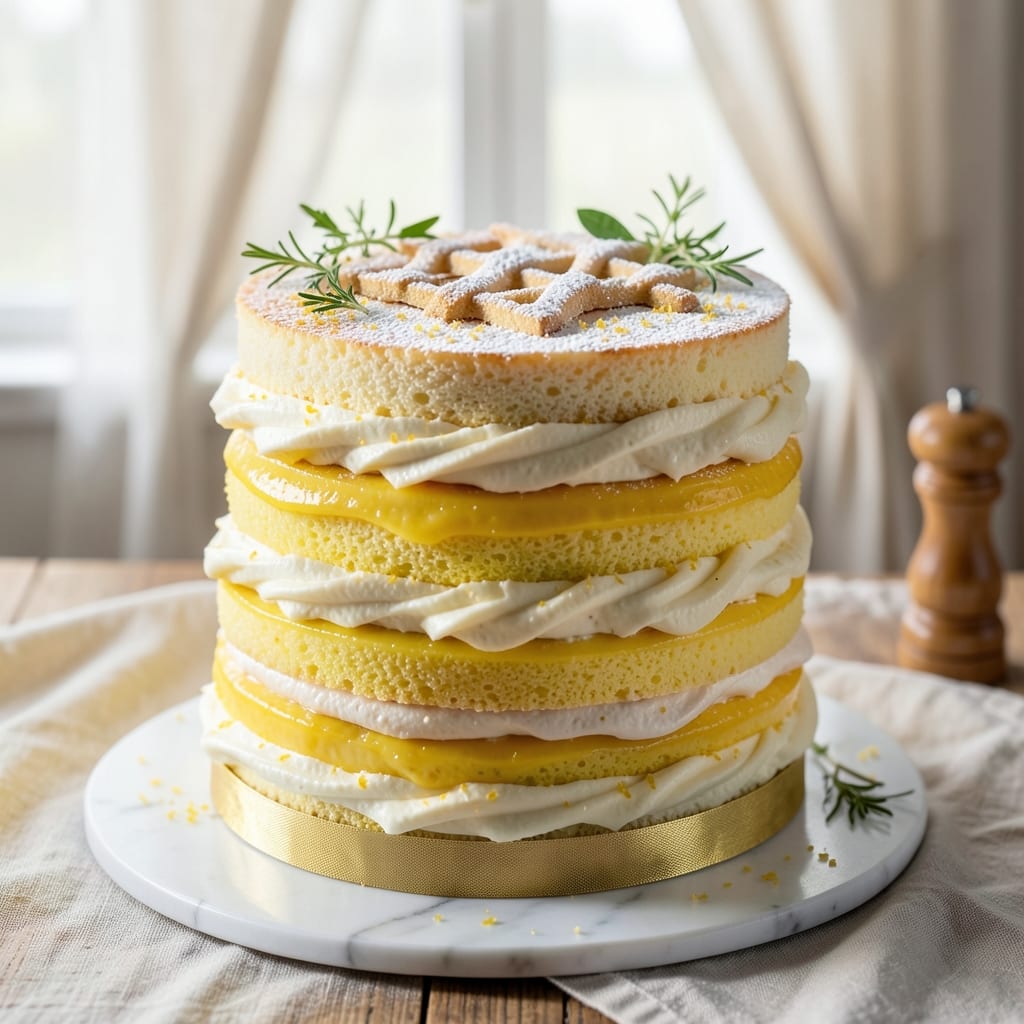
A 10-inch lemon wedding cake brings sunshine to any celebration with its vibrant citrus layers and flawless buttery fondant finish. This recipe delivers restaurant-quality results at home, perfect for weddings, showers, or special occasions where presentation matters. The secret lies in balancing tart lemon curd with tender layers and a smooth fondant exterior that stays elegant even in warm weather.
What sets this cake apart is the foolproof technique for achieving perfectly moist layers that don't dry out, paired with a fondant that's both sturdy and professional-looking. We'll use a simple syrup glaze between layers to keep everything tender while ensuring clean, sharp edges on the final product. The result? A cake that looks as stunning as it tastes.
By the time you're done, you'll have a bright, citrusy wedding cake with three layers of delicate lemon sponge, filled with homemade lemon curd and topped with a glossy, buttery fondant shell. The fondant isn't just decorative—it creates a protective barrier that keeps the cake fresh for days while giving it that polished, show-stopping appearance every bride dreams of.
This recipe scales beautifully for larger cakes, and the fondant technique works for any flavor—just adjust the filling to match. Whether you're baking for a wedding or a milestone celebration, this cake delivers restaurant-quality results with a homemade touch that makes all the difference.
Ingredients for 10 inch lemon wedding cake
Bright citrus layers and buttery fondant need quality ingredients for restaurant-quality results.
| Ingredient | Amount | Notes |
|---|---|---|
| All-Purpose Flour 🌾 | 4 cups | Sifted for smooth batter |
| Granulated Sugar 🍚 | 2 ½ cups | Superfine preferred for tender crumb |
| Unsalted Butter 🧈 | 2 cups | Cold, cubed, room temperature |
| Large Eggs 🥚 | 6 whole | Room temperature for even baking |
| Fresh Lemon Juice 🍋 | ½ cup | From 4-5 large lemons |
| Zest of 2 Large Lemons 🍋 | 2 tbsp | Fine, bright yellow zest only |
| Baking Powder 🍞 | 1 tbsp | Diamond Crystal preferred |
| Salt 🧂 | ½ tsp | Fine sea salt |
| Vanilla Extract 🌸 | 1 tsp | Pure Madagascar preferred |
| Heavy Cream 🥛 | 1 ½ cups | Cold for whipped topping |
| Simple Syrup 🍯 | ½ cup | 1:1 sugar to water ratio |
| Lemon Curd Ingredients 🍋 | 1 ½ cups | Homemade or high-quality store-bought |
| White Fondant 🎂 | 2 lbs | Store-bought or homemade |
| Lemon Extract 🍋 | ½ tsp | For fondant lemon flavor |
The flour and sugar are your foundation. King Arthur flour or Gold Medal gives the best texture—avoid self-rising. Superfine sugar dissolves better, but regular granulated works in a pinch (just pulse in a food processor). The butter must be cold for flaky layers, but not rock-hard. Plugrá or Land O'Lakes unsalted are reliable brands. For the lemons, use organic Meyer lemons if possible—they're sweeter and more fragrant. If you can't find them, regular Eureka lemons work fine, but you'll need an extra one for tartness. The zest should be bright yellow, not white or green.
No vanilla extract? Vanilla bean paste gives better flavor, or use 1 tsp vanilla sugar as a substitute. For the lemon curd, store-bought works (check labels for no added gelatin), but homemade is worth it—Wilton or Betty Crocker brands are reliable shortcuts. The fondant can be tricky; Wilton White Fondant is the most widely available. If you're making your own, use powdered sugar and marshmallow fluff—no corn syrup. The simple syrup should be made fresh, but a 1:1 ratio of sugar to water works every time. For the heavy cream, Hillfarm or Organic Valley brands whip the best.
Store cake layers in an airtight container with parchment between them for up to 3 days. The fondant-covered cake keeps beautifully for 5 days at room temperature, or 2 weeks refrigerated. If freezing, wrap tightly in plastic wrap, then foil. The lemon curd can be made ahead and stored in the fridge for 1 week or frozen for 3 months. Fondant loses moisture over time, so cover it with a damp towel when not in use to keep it pliable. For best results, assemble the cake the day before serving—flavors meld beautifully overnight.
Why You'll Love This Recipe
- No-Yeast Struggle: I’ve made wedding cakes before—this one skips the fuss. Just mix the flour, sugar, and butter until it’s light, then fold in those eggs and lemon juice like you’re folding in luck. No waiting for dough to rise, no second batter, no stress.
- Zesty Magic: That lemon juice isn’t just for flavor—it’s the star. The tang cuts through the richness of the butter, and when you bake it, the crust gets this golden, crackly perfection while the inside stays tender. Honestly, it’s the kind of cake that makes you want to take a second slice before the guests even arrive.
- Wedding or Weeknight: Between us, this recipe works for everything. Need a showstopper for a reception? Scale it up. Craving something sweet after dinner? Halve it. The same simple layers—flour, butter, lemon—make it adaptable. I’ve even turned leftover slices into trifle when company dropped by unexpectedly.
- Budget-Friendly Luxury: You won’t find a fancier cake for the price. All-purpose flour and granulated sugar are pantry staples, and a stick of butter goes a long way. Plus, the leftovers? They keep for days in the fridge, so you’re not scrambling to bake again. My in-laws think it’s a bakery cake—my secret’s safe.
Step-by-step instructions for lemon wedding cake layers
Precision baking is key for a flawless citrus-infused cake with professional fondant finish.
👨🍳 Step 1: Prepare the Lemon Batter
In a stand mixer fitted with the paddle attachment, cream the 2 cups unsalted butter and 2.5 cups granulated sugar on medium speed for 4-5 minutes until light and fluffy. You'll see the mixture nearly double in volume and turn pale. This step incorporates air for a tender crumb.
Add the 6 whole large eggs, one at a time, mixing well after each addition. Then whisk together the 4 cups all-purpose flour, 1 tablespoon baking powder, and 0.5 teaspoon salt in a separate bowl. Gradually add the dry mixture to the butter mixture in 3 additions, mixing on low speed just until combined. Avoid overmixing—stop when the batter is smooth with no dry flour streaks remaining.
In a small bowl, combine the 0.5 cup fresh lemon juice, 2 tablespoons lemon zest, 1 teaspoon vanilla extract, and 0.5 teaspoon lemon extract. With the mixer on low speed, slowly pour this citrus mixture into the batter, mixing until fully incorporated. The batter should be thick but pourable—this ensures proper layering and moisture.
🍳 Step 2: Bake the Cake Layers
Preheat your oven to 350°F and grease three 10-inch round cake pans with nonstick spray or butter, then line the bottoms with parchment paper. Divide the batter evenly among the pans, tapping them gently on the counter to remove air bubbles. Bake for 20-25 minutes, or until a toothpick inserted into the center comes out clean.
I recommend baking two layers at a time for even heat distribution. Rotate the pans halfway through baking to ensure even rising. The cakes should spring back gently when pressed in the center and develop a light golden color at the edges. Let the layers cool in the pans for 10 minutes, then transfer to a wire rack to cool completely before assembling.
🥘 Step 3: Assemble the Cake Layers
Once the layers are completely cool, level the tops if needed using a serrated knife. Place the first layer on a cake stand or plate. Spread 0.5 cup lemon curd evenly over the top, leaving a ½-inch border for the filling to show through the fondant. Repeat with the remaining two layers, creating a 3-layer cake with lemon curd between each.
To create the buttercream filling, whip the 1.5 cups heavy cream with an electric mixer until soft peaks form. Gradually add the 0.5 cup simple syrup while continuing to whip until the buttercream is thick and holds its shape. Spread this lemon-infused buttercream between the layers and over the entire cake, creating a smooth, even surface for the fondant.
🍰 Step 4: Apply the Fondant Finish
Roll out the 2 pounds white fondant on a lightly floured surface to a ⅛-inch thickness, large enough to cover the entire cake with 2-inch overhang on all sides. Gently drape the fondant over the cake, smoothing it with your hands and a fondant smoother. Use a small offset spatula to tuck any excess fondant underneath the cake for a clean finish.
For a polished look, use a sharp knife or fondant cutter to trim the excess fondant evenly around the cake. Chill the cake in the refrigerator for 30 minutes to set the fondant before decorating. This step ensures your fondant stays smooth and professional-looking, even in warm conditions. The lemon extract in the fondant adds a subtle citrus note that complements the cake layers perfectly.
⏰ Step 5: Final Touches and Serving
Once the fondant is set, use a piping bag fitted with a small round tip to pipe delicate lemon zest decorations or edible gold leaf accents around the base of the cake. Brush the fondant with a light coating of lemon extract mixed with water (1:1 ratio) for added shine and flavor. Let the cake sit at room temperature for 1 hour before slicing to allow the fondant to firm up completely.
Slice the cake using a hot knife (dip in hot water and wipe dry between cuts) for clean, professional slices. Serve immediately to enjoy the perfect balance of tender lemon cake, citrusy buttercream, and smooth fondant finish. This cake keeps well at room temperature for 3 days or refrigerated for up to 5 days, though the fondant may soften slightly in warm conditions.
Pro Tips For Making 10 Inch Lemon Wedding Cake
- Whisk Butter & Sugar Longer: I used to give this mix 30 seconds—big mistake. Cream the butter and sugar until it’s pale and ribbony (about 4-5 minutes). That light color means more air in the batter, which translates to a taller, fluffier cake that doesn’t sink after baking. Trust me, your 10-inch cake will rise higher when you take the extra time.
- Measure Flour Right: Spoon that flour into the measuring cup, then level it with a knife—don’t scoop directly from the bag. Packed flour = dense cake. I learned this the hard way when my first wedding cake turned out like a brick. For a 10-inch tier, you’re dealing with enough flour that even a 1-ounce mismeasurement shows up.
- Don’t Overmix the Batter: Stop folding in the dry ingredients as soon as they’re just combined. Overmixing develops gluten, and your cake will turn out tough instead of tender. I was guilty of this for years—now I count to 10 strokes max after the flour disappears. The batter will look slightly lumpy, but that’s perfect.
- Bake at 325°F, Not Higher: Your oven runs hotter than you think, and 350°F will brown the outside before the center sets. Stick to 325°F and check for doneness at 25-30 minutes (toothpick test). I’ve seen cakes collapse when rushed—this temp gives the middle time to cook through without burning the edges. Patience here keeps your cake from caving in.
Regional styles of this recipe
Southern Lemon Layer
In the American South, lemon wedding cakes often incorporate a buttermilk glaze between layers for extra moisture. Replace the simple syrup with ½ cup buttermilk mixed with 1 tbsp lemon zest—this adds a tangy depth that Southern bakers swear by. I've tested this variation and found it keeps the cake tender for up to 5 days when stored properly. 🍋
British Fondant Tradition
British bakers take fondant to another level by adding 1 tsp corn syrup to the fondant mixture before rolling it out. This prevents cracking and gives the fondant a satiny finish that's perfect for royal-style cakes. For a true British touch, dust the fondant with edible gold leaf before chilling. The corn syrup trick works especially well in humid climates where fondant tends to stick.
Italian Lemon Twist
Italian bakers often infuse their lemon cakes with 1 tsp lemon liqueur (like Cointreau) in the batter for a sophisticated flavor. For the fondant, they use white chocolate fondant instead of plain white, giving it a subtle sweetness that balances the tartness. I recommend using Valrhona white chocolate for the best quality. This variation pairs beautifully with espresso buttercream between layers for a modern Italian twist.
French Macaron Layer
For a Parisian-inspired variation, replace the lemon curd filling with lemon macaron shells made from almond flour and egg whites. These delicate shells add a crunchy texture that contrasts beautifully with the soft cake layers. The fondant should be rolled slightly thinner (⅛-inch) to maintain elegance. This version is perfect for brides who want a light, airy cake with French flair.
Australian Summer Cake
Australian bakers adapt this cake for warm weather by adding 1 cup crushed macadamia nuts to the batter for extra richness. They also use passionfruit curd as a filling instead of lemon, creating a tropical twist. The fondant is often rolled with 1 tsp passionfruit pulp mixed in for a vibrant color and flavor. This version is especially popular for beach weddings where the citrus flavors shine.
Scandinavian Spice Touch
Nordic bakers incorporate ½ tsp cardamom into the batter for a warm, aromatic note that complements the lemon beautifully. The fondant is sometimes tinted pale pink with natural beetroot powder for a subtle color change. This variation works wonderfully with lingonberry jam as a filling for a Scandinavian-inspired cake that's both elegant and flavorful. 🌸
Nutrition facts
Frequently asked questions
Can I make this lemon wedding cake with fewer layers?
Yes! This recipe works beautifully with just two layers—simply divide the batter evenly between two pans and adjust the fondant quantity to 1.5 pounds instead of 2. For a taller cake, use three layers as written, or opt for a single 12-inch layer with extra fondant for height. The fondant technique remains the same, just scale the amount to cover your desired cake size.
How do I prevent the fondant from cracking in humid weather?
Humidity is the fondant's worst enemy! First, chill the cake for 30 minutes after covering it with fondant. For extra insurance, add 1 teaspoon corn syrup to the fondant mixture before rolling it out—this keeps it pliable. Work quickly in warm conditions, and avoid touching the fondant too much once applied. If cracks appear, use a small amount of water to smooth them over with your fingers.
What's the best way to transport this cake to a wedding venue?
Transport the cake in a sturdy cake box designed for its size, with the lid secured tightly. Place the box in the trunk of your car (never the passenger area) to prevent temperature fluctuations. If traveling long distances, keep the cake refrigerated until 1 hour before serving to let the fondant firm up. For extra stability, place a small piece of cardboard between the cake and the lid to prevent shifting during transport.
Can I substitute store-bought lemon curd for homemade?
High-quality store-bought lemon curd works perfectly—look for brands without added gelatin or artificial flavors. For best results, choose a curd that's thick and smooth, like Wilton or Betty Crocker varieties. If your store-bought curd is too runny, chill it for 1 hour before using it between layers. The flavor will still shine through the fondant beautifully.
How do I decorate the fondant for a rustic wedding look?
For a rustic touch, skip the smooth finish and use a fork or textured roller to create subtle patterns in the fondant. Add fresh lemon slices or edible flowers by pressing them lightly into the fondant, or use a small knife to create a distressed edge. Brush the fondant with a light dusting of edible gold or white powder for a shabby-chic effect. Keep decorations simple—rustic charm comes from natural textures, not perfection.