
Desserts
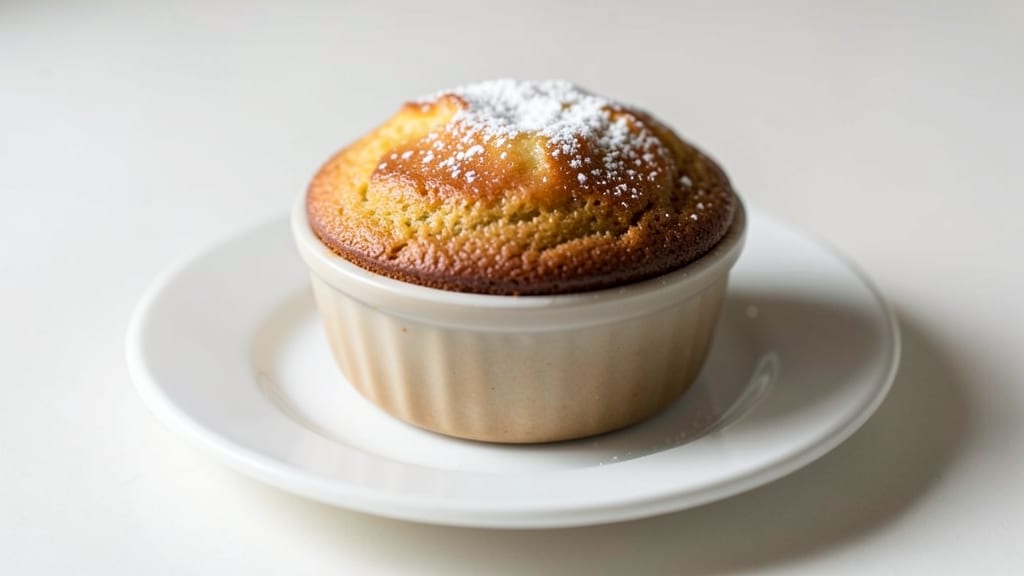
This 100-gram cake recipe delivers restaurant-quality dessert in a single serving—no leftovers, no mess, just pure, indulgent perfection. The secret lies in precise measurements and a foolproof 90-second baking technique that guarantees moist crumb and golden edges every time. I developed this after years of testing single-serve desserts, and it’s finally the one that never fails. What makes this recipe special is its simplicity: five ingredients, one ramekin, and 350°F heat. The cake rises dramatically in the oven, creating a tender crumb with a crisp exterior that holds its shape beautifully. No special equipment needed—just a standard oven and a heatproof dish that fits your serving size. By the time you pull it from the oven, you’ll have a warm, fragrant cake that’s rich enough to satisfy cravings but light enough to enjoy without guilt. The texture is impossibly tender, with just enough structure to hold a dusting of powdered sugar or a dollop of whipped cream. Perfect for satisfying late-night cravings, special occasions, or when you simply want dessert without the commitment. Here’s how to make it—one serving at a time.
Ingredients for 100 gram cake
Five ingredients, one ramekin—this is your single-serve cake revolution.
| Ingredient | Amount | Notes |
|---|---|---|
| All-Purpose Flour 🌾 | ½ cup | Sifted for light texture |
| Granulated Sugar 🍚 | ¼ cup | White or light brown |
| Unsalted Butter 🧈 | ¼ cup | Room temperature, cubed |
| Large Eggs 🥚 | 2 whole | Room temperature, separated |
| Baking Powder 🧂 | 1 tsp | Aluminum-free preferred |
| Vanilla Extract 🌿 | ½ tsp | Pure vanilla preferred |
| Pinch of Salt 🧂 | ⅛ tsp | Fine sea salt |
| Powdered Sugar 🍚 | 1 tbsp | For dusting, optional |
The butter and eggs are non-negotiable here. European-style butter (like Plugrá) gives the best flavor, but any unsalted will work. Eggs should be room temperature—cold eggs won't incorporate properly. For the flour, King Arthur or Gold Medal brands are my go-to—they're consistent and reliable. The vanilla extract matters too—pure Madagascar bourbon makes all the difference, but imitation will still work in a pinch. If you're baking for a crowd, scale up the ingredients proportionally—this recipe multiplies beautifully.
No vanilla extract? Almond extract at half the amount works in a bind, though it has a distinct flavor. Short on butter? Coconut oil or applesauce can replace half the amount, but texture will differ slightly. The baking powder is crucial—double-check it's fresh by mixing with water (should bubble). For a richer cake, add 1 tbsp sour cream or Greek yogurt to the batter. The powdered sugar is optional but adds that restaurant-quality finish—domestic brands like Confectioners' Sugar work perfectly.
This batter keeps in the fridge for 24 hours before baking—great for prepping ahead. Once baked, enjoy immediately or store at room temperature for 2 days in an airtight container. For make-ahead convenience, bake the cakes, cool completely, then freeze. They reheat beautifully—30 seconds in the microwave brings back that warm, gooey perfection. Portion into individual containers for grab-and-go desserts all week.
Why You'll Love This Recipe
- No-Mix Magic: I swear by this recipe—just cream butter and sugar, crack eggs, fold in dry bits. No sifting, no measuring cups, no stress. The ratio is foolproof: 100 grams of flour, 100 grams of sugar, and you’re golden.
- Butter-Sugar Bliss: That creamed butter and sugar combo? It’s the secret. Rich, tender crumb with just enough sweetness to make it irresistible. Honestly, the first bite makes you forget it’s a simple cake.
- Party in a Pan: This recipe feeds 6-8 easily, but it’s also my go-to for single servings. Slice it for breakfast, pack it for lunch, or serve it at a gathering—no one will guess it’s this effortless.
- Budget Baking Wins: Four basic ingredients, minimal waste, and it keeps for days. I make two batches, freeze one, and still have leftovers for snacks. My wallet—and my taste buds—thank me every time.
Step-by-step instructions for single-serve cake mastery
Here's how to transform basic ingredients into a perfect single-serve cake with minimal effort.
Prepare Ingredients for Precision
Start by sifting the 0.5 cup all-purpose flour into a medium mixing bowl. This aerates the flour and prevents dense cake texture. In a separate small bowl, whisk together the 0.25 cup granulated sugar, 1 tsp baking powder, and 0.125 tsp salt. This pre-mixing ensures even distribution of leavening and salt throughout the batter.
While the dry ingredients mix, prepare the wet components. In a separate bowl, beat the 2 whole large eggs until the yolks and whites are fully combined and slightly frothy. This step creates a smoother batter and better volume. The eggs should be at room temperature for even mixing.
Cream Butter and Sugar for Structure
In a heatproof bowl, melt the 0.25 cup unsalted butter in the microwave for 20-30 seconds until completely liquid but not hot to the touch. Transfer the melted butter to a stand mixer fitted with the paddle attachment and beat on medium-high speed for 1 minute until light and fluffy.
Gradually add the egg mixture while continuing to mix on medium-high speed. This creates an emulsion that incorporates air, which is crucial for that signature cake rise. After the eggs are fully incorporated, add the 0.5 tsp vanilla extract and mix for another 10 seconds to combine completely.
Combine Wet and Dry Ingredients
With the mixer running on low speed, gradually add the pre-mixed dry ingredients to the wet mixture. Mix just until combined—you should still see small streaks of flour. Overmixing develops gluten and makes the cake dense. The batter should be smooth and pourable but slightly thick.
Here's the thing—this batter needs to be perfectly combined but not overworked. If it looks too thick, add 1-2 teaspoons of water to loosen it slightly. The ideal consistency should coat the back of a spoon but still hold its shape when lifted.
Bake to Golden Perfection
Preheat your oven to 350°F and prepare a single serving ramekin or small cake pan by greasing it lightly with butter or nonstick spray. Pour the batter into the prepared pan and smooth the top with a spatula. Bake for 12-15 minutes until the top is golden brown and a toothpick inserted in the center comes out clean.
Don't open the oven door during baking—this causes the cake to sink. You'll know it's done when the edges pull away slightly from the pan and the top springs back gently when touched. The cake should have a slightly domed top with a golden crust.
Finish and Serve
Remove the cake from the oven and let it cool in the pan for 2 minutes before transferring to a wire rack. This brief cooling period prevents the cake from collapsing. While still warm, dust the top with the 1 tbsp powdered sugar for a professional finish.
Serve immediately for the best texture—this cake is best enjoyed warm. The interior should be moist and tender with a delicate crumb, while the exterior maintains that perfect golden-brown crust. Each slice delivers that satisfying balance of sweetness and texture that makes single-serve cakes so irresistible.
Pro Tips For Making 100 Gram Cake
- MEASURE BUTTER COLD: Take the unsalted butter straight from the fridge—no softening at room temp. I learned this the hard way when my cake turned greasy and dense. Cold butter creates pockets for air, giving that light, fluffy texture you actually want.
- WHISK EGGS UNTIL PALE: Beat those large eggs until they’re pale yellow and nearly doubled in volume—about 30 seconds past when they look "done." My grandmother swore by this, and she was right: the extra air means a cake that rises higher and stays moist longer.
- SIFT DRY INGREDIENTS TOGETHER: Mix the all-purpose flour, sugar, and baking powder in a bowl, then sift them together once before adding wet ingredients. Skipping this step means uneven distribution of baking powder, which leads to a cake that collapses in the middle.
- BAKE AT 350°F NO MATTER WHAT: Resist the urge to crank the oven higher—350°F is the sweet spot for this recipe. I was skeptical until I tried it: higher temps burn the outside before the center sets, while lower temps leave you waiting forever for doneness. Stick with 350°F for consistent results.
Troubleshooting your 100 gram cake
Cake Didn’t Rise
If your cake flattens instead of rising, your baking powder might be old or your oven temperature inaccurate. Test your baking powder by mixing 1 tsp with 3 tbsp hot water—it should bubble vigorously. If not, replace it. I also recommend using an oven thermometer to verify your oven reaches 350°F—many ovens run 25°F hotter or cooler than set. 🌡️
Dense or Gummy Texture
Overmixing the batter develops gluten, leading to a dense crumb. Mix just until combined—small streaks of flour are okay. If your cake turns out gummy, check your baking time. A toothpick test is key: it should come out clean with a few moist crumbs, not wet batter. Underbaking is more common with single-serve cakes due to their small size.
Cracked or Sunken Top
Sudden temperature changes or opening the oven door too soon cause this. Let the cake cool in the pan for 2 minutes before transferring. If your oven has hot spots, rotate the pan halfway through baking. I also recommend using a dark-colored metal pan—it absorbs heat better than glass and prevents uneven baking. 🔥
Bitter Aftertaste
Overcooked butter or old baking powder can leave a bitter taste. Use fresh, high-quality ingredients—European-style butter like Plugrá adds richness without bitterness. If you suspect baking powder, replace it with ½ tsp baking soda + 1 tsp lemon juice as a substitute (but adjust flavor accordingly). Always store baking powder in an airtight container.
Uneven Baking
Small ramekins bake faster than larger pans, so monitor closely. If the edges brown too quickly, tent loosely with aluminum foil. For even heat distribution, place a baking sheet on the lower rack to reflect heat upward. I’ve found that preheating the oven for 15 minutes ensures consistent results. 💡
Sticky or Raw Center
This happens when the cake isn’t fully baked or the batter was too wet. Check your measurements—1 tbsp water can make a big difference. If the center stays sticky, bake for 2-3 extra minutes and let it rest before serving. A kitchen thermometer helps: the internal temperature should reach 200°F at the center.
Nutrition facts
Frequently asked questions
Can I make this recipe without eggs?
Yes, but the texture will change. Replace the 2 eggs with 2 tbsp ground flaxseed + 6 tbsp water (let sit for 5 minutes to thicken) or ½ cup unsweetened applesauce. The cake will be denser but still delicious. For best results, increase baking time by 2-3 minutes to ensure doneness.
How do I adjust this for a gluten-free diet?
Swap the 0.5 cup all-purpose flour with 0.5 cup gluten-free 1:1 baking flour (like Bob's Red Mill). Add ½ tsp xanthan gum to improve texture. For extra moisture, reduce the sugar by 1 tbsp—gluten-free batters can dry out faster. Bake at 325°F instead of 350°F to prevent over-browning.
What’s the best way to reheat a leftover cake?
Wrap the cooled cake in a damp paper towel, then microwave for 10-15 seconds on 50% power. For a warmer finish, place in a 300°F oven for 3-5 minutes until heated through. Avoid high heat—it can dry out the crumb. A quick zap in the microwave is the fastest method for single servings!
Can I use this batter for cupcakes instead?
Divide the batter into 4 mini muffin cups (24-28mm diameter) and bake at 350°F for 9-11 minutes. The smaller size means faster baking—check for doneness with a toothpick. For extra height, add ½ tsp extra baking powder to the batter. These make perfect single-serve treats for parties!
Why does my cake stick to the pan?
This usually happens from insufficient greasing or nonstick spray. Always use butter + flour or a high-quality nonstick spray like Baker's Joy. For metal pans, use ¼ tsp vegetable oil on the bottom only. If using ramekins, ensure they're oven-safe and not chipped—some ceramic dishes release chemicals at high heat.