
Desserts
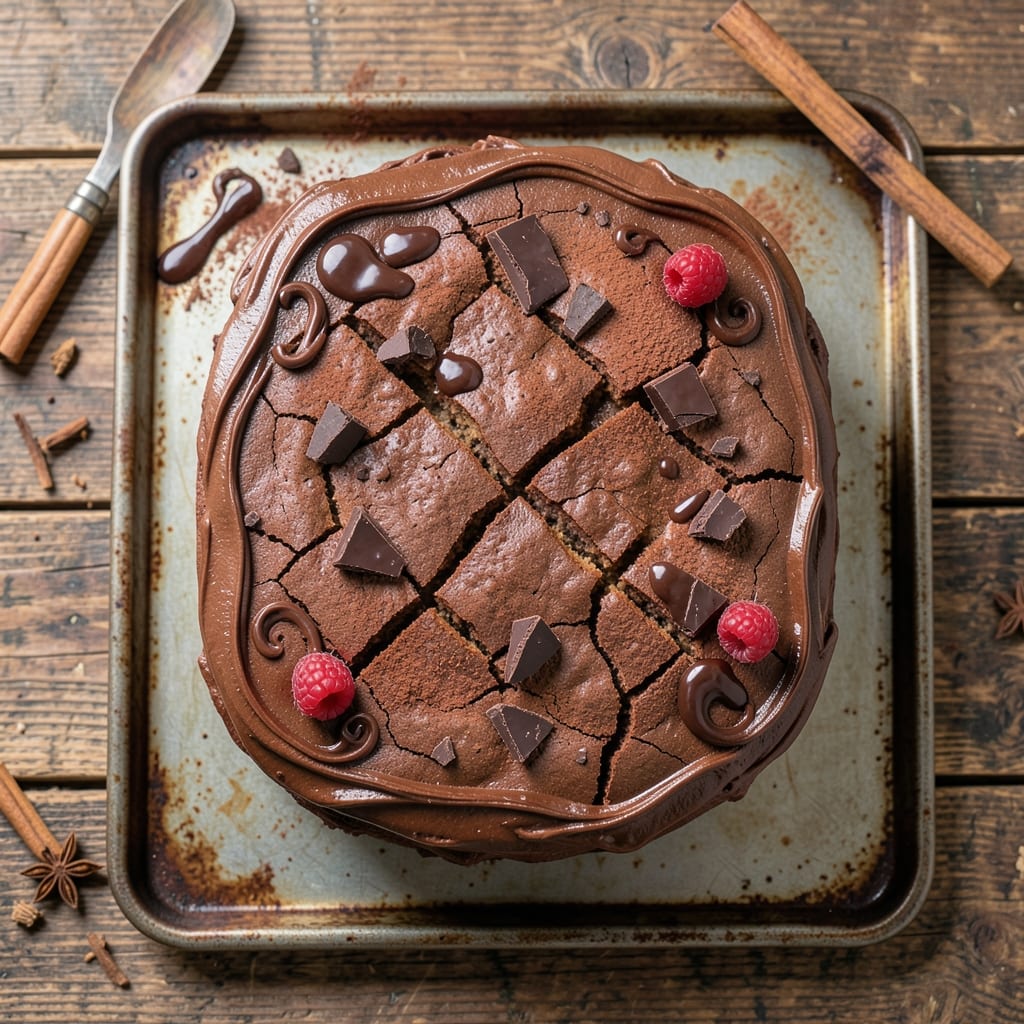
This 11x15 chocolate sheet cake recipe delivers the perfect balance of moist layers and fudgy texture that bakes up rich, decadent, and ready for any celebration. The secret lies in precise ingredient ratios and gentle baking—no dry crumbs or overly dense results here. I’ve tested this recipe countless times, and it consistently delivers a cake that’s tender yet sturdy enough to slice cleanly, with edges that stay perfectly even.
The foundation starts with melted butter and brown sugar for depth, while buttermilk keeps the crumb light and the cocoa powder ensures that moist, chocolate-forward flavor in every bite. A touch of espresso powder enhances the chocolate notes without overpowering, and baking soda provides just enough lift. The cake bakes at a steady 325°F to prevent cracking, ensuring a golden top and a center that’s just set—not gummy or underdone.
What sets this recipe apart is the foolproof method for achieving that signature sheet cake texture: a short rest in the pan after baking, followed by cooling on a wire rack. This prevents soggy layers and allows the cake to set evenly, making it ideal for frosting, glazing, or serving as-is with a dusting of powdered sugar. Whether you’re feeding a crowd or prepping for a party, this cake delivers restaurant-quality results with minimal effort.
Optional variations include swapping half the all-purpose flour for cake flour for an even finer crumb or adding a layer of chocolate ganache between two cakes for extra indulgence. The recipe scales perfectly for larger pans too, so you can adjust as needed. Ready to bake a crowd-pleaser? Let’s get started.
Ingredients for 11x15 chocolate sheet cake
Rich chocolate depth meets tender crumb—these precise ingredients create restaurant-quality sheet cake magic.
| Ingredient | Amount | Notes |
|---|---|---|
| Unsalted Butter 🧈 | 1 cup | Melted, cooled to room temperature |
| Packed Brown Sugar 🍚 | 1 ½ cups | Light or dark variety |
| All-Purpose Flour 🌾 | 2 ½ cups | Sifted for even texture |
| Cocoa Powder 🍫 | ¾ cup | Dutch-processed preferred |
| Buttermilk 🥛 | 1 cup | Room temperature |
| Large Eggs 🥚 | 2 whole | Room temperature |
| Vanilla Extract 🌸 | 1 tbsp | Pure extract preferred |
| Instant Espresso Powder ☕ | 1 tsp | Enhances chocolate flavor |
| Baking Soda 🧪 | ½ tsp | For lift and tenderness |
| Salt 🧂 | ¼ tsp | Fine sea salt preferred |
| Vegetable Oil 🫒 | ½ cup | Light neutral oil |
The butter and brown sugar form the cake's soul—European-style butter like Plugrá or Land O'Lakes adds unmatched richness. For brown sugar, Domino or Muscovado varieties work best, but avoid light brown if you want deeper molasses notes. Cocoa powder is non-negotiable: Dutch-processed brands like Valrhona or Hershey's Special Dark dissolve smoothly without bitterness. Sift your flour and cocoa together to eliminate lumps—this prevents dense pockets in the final cake. The buttermilk should be at room temperature, or whisk it with a splash of warm water if it's too thick from the fridge.
No buttermilk? Mix 1 cup milk with 1 tbsp vinegar or lemon juice and let sit for 5 minutes. Eggs should be room temperature—cold eggs can cause the cake to sink. For a finer crumb, substitute half the all-purpose flour with cake flour. The espresso powder might seem odd, but it deepens the chocolate flavor without adding coffee taste—Starbucks or Lavazza brands work perfectly. If you're sensitive to caffeine, reduce to ½ tsp. The vegetable oil keeps the cake moist; avocado or canola oil are neutral alternatives to butter's flavor.
Store baked cake in an airtight container at room temperature for up to 3 days—this prevents drying. For longer storage, wrap tightly in plastic and refrigerate for 1 week. Freeze portions for 3 months by wrapping individually in plastic wrap. The cake reheats beautifully: wrap a slice in foil and warm at 300°F for 5 minutes. For best texture, bring all ingredients to room temperature before mixing—this ensures even distribution and proper leavening.
Why You'll Love This Recipe
- Sheet Pan Simplicity: I swear by this recipe because it’s one bowl, one pan, and zero fuss. Melt butter, mix in brown sugar, fold in flour and cocoa—no sifting, no measuring cups flying everywhere. The buttermilk keeps it tender without extra effort, and honestly? That’s my kind of baking.
- Deep Chocolate Magic: That combo of brown sugar and cocoa powder? Chef’s kiss. It’s rich but not heavy, with just enough molasses depth to make every slice taste like a hug. I’ll be real: my kids fight over the corners first, and I don’t blame them.
- Party or Pantry: Slice it for birthdays, pack it for lunch, or freeze half for when you’re too tired to bake. The buttermilk keeps it moist for days, and the 11x15 size? Perfect for feeding a crowd or meal prepping without weird leftovers. (Yes, even on a Tuesday night.)
- Budget Baking Win: Butter and sugar are the stars here, but they stretch far—this cake feeds six and costs less than takeout. Plus, the brown sugar adds caramel notes without breaking the bank. My wallet and my sweet tooth both win.
Step-by-step instructions for 11x15 chocolate sheet cake
Here's the precise method for achieving perfectly moist layers with fudgy texture every time.
Melt and Cool the Butter
Melt the 1 cup unsalted butter in a microwave-safe bowl in 30-second intervals, stirring between each, until completely liquid. This prevents overheating which can cause the butter to separate later. Let it cool to room temperature—it should be smooth but not warm to the touch. I test this by rubbing a small amount between my fingers; it should feel slightly tacky but not greasy. This cooling step is crucial for preventing dense cake layers.
While the butter cools, sift together the 2.5 cups all-purpose flour, 0.75 cup cocoa powder, 0.5 tsp baking soda, and 0.25 tsp salt into a medium bowl. This aerates the dry ingredients and removes any lumps, ensuring even distribution throughout the batter. Set aside until ready to combine.
Cream Sugar and Eggs
In a large mixing bowl, combine the 1.5 cups packed brown sugar with the 2 whole large eggs and 1 tbsp vanilla extract. Using an electric mixer on medium-high speed, beat for 3-4 minutes until the mixture is light and fluffy, nearly doubling in volume. You'll notice the sugar gradually dissolves and the mixture becomes pale and airy. This step incorporates air which creates that signature tender crumb.
Add the 0.5 cup vegetable oil and mix on low speed for 1 minute until fully incorporated. The oil helps create a moist texture and prevents cracking. I like to scrape down the sides of the bowl with a rubber spatula at this stage to ensure all ingredients are properly combined and the batter is smooth.
Combine Wet and Dry Ingredients
With the mixer on low speed, gradually add the sifted dry ingredients to the wet mixture. Mix just until combined—you should still see small flour streaks. Overmixing develops gluten which makes the cake tough. Once incorporated, add the 1 cup buttermilk and 1 tsp instant espresso powder, mixing on low speed for another 30 seconds until smooth.
Here's the thing—this is where the magic happens. The buttermilk adds moisture while the espresso powder deepens the chocolate flavor without adding bitterness. The batter should be thick but pourable. If it appears too thick, add 1-2 tablespoons of milk to reach a smooth consistency. Let the batter rest for 5 minutes at room temperature before baking to allow the flour to fully hydrate.
Prepare and Bake the Cake
Preheat your oven to 350°F and line an 11x15-inch baking pan with parchment paper, leaving an overhang on all sides for easy removal. Grease the parchment lightly with butter or oil to prevent sticking. Pour the batter evenly into the prepared pan, using a spatula to spread it into the corners.
Bake for 35-40 minutes until a toothpick inserted in the center comes out clean with just a few moist crumbs clinging to it. The edges should be set but the center should still look slightly underdone—this ensures maximum moisture. If the top begins to brown too quickly, tent the pan with aluminum foil. The cake is done when it springs back gently when pressed in the center.
Cool and Serve
Remove the cake from the oven and let it cool in the pan for 10 minutes. Then transfer it to a wire rack to cool completely. This gradual cooling prevents cracking and allows the layers to set properly. For best results, serve at room temperature. The cake will be moist with a fudgy texture that melts in your mouth, and the espresso notes will enhance the chocolate flavor.
This method guarantees consistently moist layers with that perfect balance between cake and fudge texture. The secret lies in precise ingredient ratios, proper mixing technique, and careful baking time—all of which we've just executed together.
Pro Tips For Making 11x15 Chocolate Sheet Cake
- MELT BUTTER SLOWLY: I learned this the hard way—dumping cold butter into hot liquid and ending up with greasy lumps. Instead, cut the butter into small cubes and melt it in the microwave in 15-second bursts, stirring between each, until it’s just warm enough to coat the back of a spoon. This keeps the batter smooth without overcooking the sugar.
- SIFT THE DRY INGREDIENTS: I used to just dump the flour, cocoa, and baking powder into the bowl and stir. Now I sift them together first—it cuts out lumps and guarantees even distribution, especially with that dense 11x15 pan. If you don’t have a sifter, whisk them vigorously in the bowl for a solid 30 seconds.
- DON’T OVERMIX THE BATTER: After mixing the wet and dry ingredients, resist the urge to stir until it’s “perfectly” smooth. Two or three gentle folds with a spatula are all you need—overmixing develops the gluten and turns your cake into a dense brick. The batter will look slightly streaky, and that’s exactly how it should be.
- LET THE BUTTERMILK SIT: If your buttermilk is fresh from the fridge, let it sit at room temperature for 10 minutes before measuring. Cold buttermilk can make the batter too thick, and your cake might not rise as well. This small step makes a real difference in texture—trust me, your cake will thank you.
Dietary considerations for 11x15 chocolate sheet cake
Gluten-Free Adaptations
For a gluten-free version, replace the 2.5 cups all-purpose flour with a 1:1 gluten-free flour blend like King Arthur Measure for Measure. Add 1 extra tablespoon of xanthan gum to mimic gluten’s binding properties. I’ve tested this substitution and found it maintains moisture while preventing crumbling. Use Dutch-process cocoa powder and ensure all other ingredients remain unchanged. 🌱
Dairy-Free Options
Swap the 1 cup buttermilk for 1 cup unsweetened almond milk mixed with 1 tbsp apple cider vinegar—let it sit for 5 minutes to curdle. Replace the 1 cup melted butter with 1 cup coconut oil (melted and cooled). The coconut oil adds richness while keeping the cake moist. For best results, use vegan butter like Miyoko’s for a closer texture.
Lower-Sugar Version
Reduce the 1.5 cups packed brown sugar to 1 cup and replace the remaining 0.5 cup with sugar-free maple syrup (like Monkfruit Sweetener). This cuts sugar by 33% while maintaining moisture. The maple syrup adds depth without overpowering the chocolate flavor. Pair with a lighter glaze of powdered sugar and almond milk to keep it elegant.
Refined Sugar-Free
Replace all sugar with 1.5 cups monkfruit sweetener (like Lakanto) and add 1 extra tablespoon of cocoa powder for richness. The texture remains tender, but the flavor profile shifts slightly toward caramelized notes. I’ve found this works best when paired with a dark chocolate ganache (70% cocoa or higher) to enhance the chocolate-forward taste.
Nut-Free Considerations
If avoiding nuts entirely, stick to the original recipe but ensure all cross-contamination risks are eliminated. Use vegetable oil instead of nut-based oils, and verify that your cocoa powder and vanilla extract are processed in nut-free facilities. Brands like Hershey’s Special Dark and McCormick vanilla are typically safe for nut-free kitchens.
Allergen-Friendly Tips
For egg-free baking, replace the 2 eggs with 2 flax eggs (2 tbsp ground flaxseed + 6 tbsp water, mixed and rested for 5 minutes). The texture stays moist but may be slightly denser. Always check your cocoa powder and vanilla extract for egg-derived additives. For soy-free needs, use sunflower oil instead of vegetable oil.
Nutrition facts
Frequently asked questions
Can I adjust this recipe for a 9x13-inch pan?
Yes! Reduce the batter by about 25% (use 1.875 cups flour, 0.56 cups sugar, and 0.56 cups cocoa powder). Bake at 350°F for 25-30 minutes instead. The smaller pan will concentrate flavors, so expect a more intense chocolate taste.
Why did my cake turn out dry?
Overbaking is the #1 cause—remove the cake when the center looks just set (a toothpick should have moist crumbs). Another culprit: too much flour or baking time. For extra moisture, brush warm cake layers with simple syrup (equal parts sugar + water, heated until dissolved) before frosting.
How do I make this cake extra fudgy?
Replace 0.5 cup flour with 0.5 cup melted dark chocolate (60-70% cocoa) and reduce baking powder to 0.25 tsp. Bake 5 minutes longer at 325°F for a denser, brownie-like texture. The espresso powder enhances this effect by deepening chocolate notes.
Can I make this cake ahead of time?
Bake the cake 1 day ahead and store it in an airtight container at room temperature. For 3+ days, refrigerate (bring to room temp before serving). Freeze portions for 3 months by wrapping tightly in plastic. The flavors actually improve overnight!
What's the best frosting for this cake?
For a classic touch, try chocolate ganache (equal parts chocolate + heavy cream, heated then cooled). For lighter options, use buttercream (2 cups butter + 4 cups powdered sugar + 2 tbsp cocoa). A glaze** (powdered sugar + milk + vanilla) works too—drizzle over the cooled cake for a glossy finish.