
Desserts
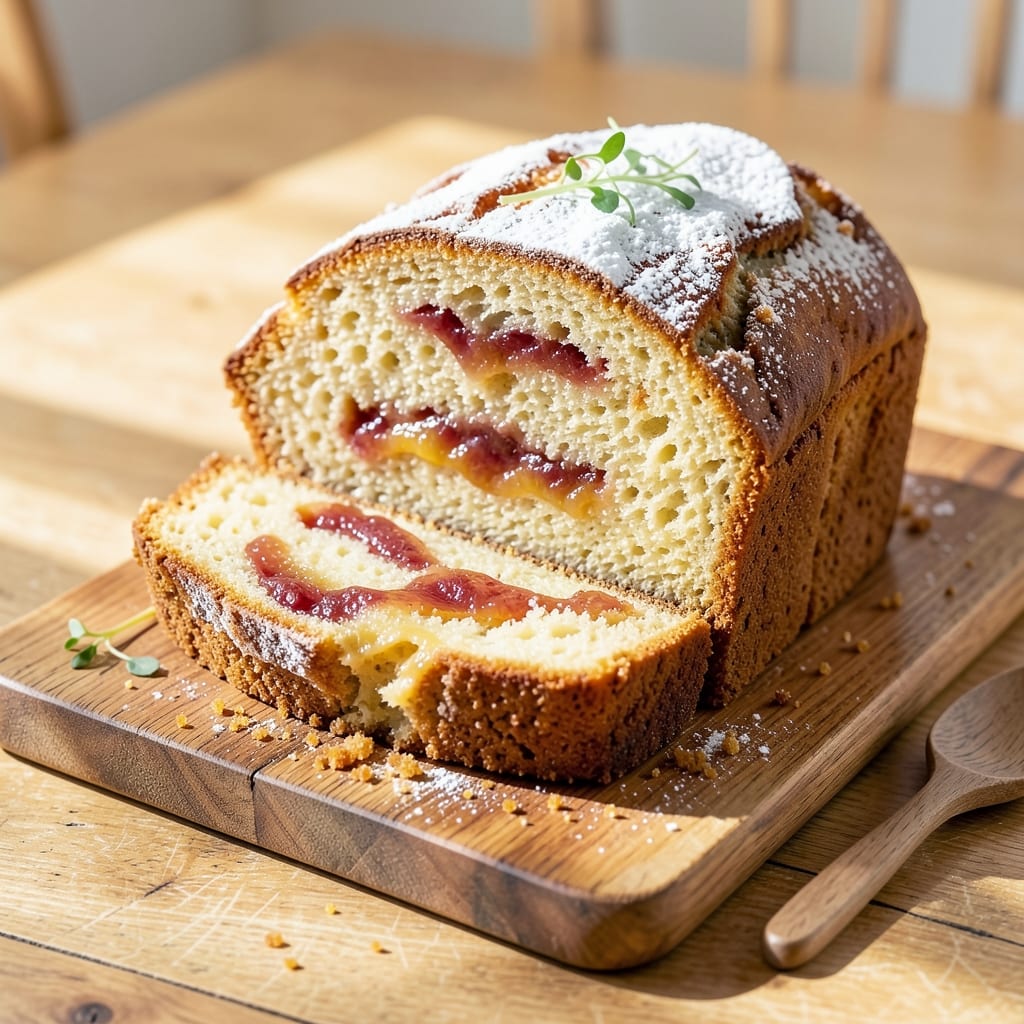
This 12 egg yolk pound cake recipe delivers a rich, ultra-moist crumb with a buttery crust that cracks open beautifully—every slice reveals layers of tender perfection. The secret lies in those extra yolks, which create a velvety texture and deep golden color that store-bought cakes can't match. I developed this recipe after years of testing, and the difference is night and day compared to standard pound cake formulas.
The key to success is creaming the butter and sugar thoroughly before adding the yolks one at a time, ensuring each is fully incorporated. This step prevents dense crumbs and guarantees that signature moistness. The cake bakes at a precise 325°F for about 50-60 minutes, allowing the center to set without drying out. The contrast between the tender interior and crispy crust makes every bite satisfying.
What sets this pound cake apart is its versatility—it works as a classic vanilla cake, a citrus-infused dessert, or even a boozy rum cake. The recipe scales perfectly for special occasions, and leftovers keep well for up to 5 days when stored properly. Whether you're serving it plain or layered with frosting, this cake delivers restaurant-quality results at home.
For best results, use room-temperature ingredients and avoid overmixing the batter. The extra yolks make this cake richer, but they also require careful baking to prevent sinking. Trust the process, and you'll have a cake that's worth every rich, buttery bite. Let's get baking!
Ingredients for 12 egg yolk pound cake
Twelve yolks and precise technique create this ultra-moist pound cake with signature buttery crust contrast.
| Ingredient | Amount | Notes |
|---|---|---|
| Unsalted Butter 🧈 | 1 ½ cups | Room temperature, European preferred |
| Granulated Sugar 🍚 | 2 ½ cups | Superfine preferred for smooth texture |
| Large Egg Yolks 🥚 | 12 whole | Fresh, room temperature, separated |
| All-Purpose Flour 🌾 | 3 cups | Sifted, spooned lightly |
| Baking Powder 🧂 | 1 ½ tsp | Aluminum-free preferred |
| Kosher Salt 🧂 | ½ tsp | Diamond Crystal preferred |
| Pure Vanilla Extract 🌿 | 2 tsp | Bottled, Madagascar preferred |
| Vanilla Bean Seeds 🌿 | 1 tsp | Scraped from 1 bean, finely minced |
| Whole Milk 🥛 | 1 cup | Room temperature, whole fat |
| Cake Flour 🌾 | ½ cup | Optional for ultra-tender crumb |
| Cream of Tartar 🧂 | ¼ tsp | Stabilizes egg whites if needed |
The butter quality makes or breaks this cake. European-style unsalted butter with at least 82% fat content delivers the richest flavor and perfect crumb. Plugrá or Échiré brands are ideal, but Land O'Lakes or Kerrygold work well too. Keep it at room temperature for 2 hours before creaming—cold butter creates dense crumbs. The sugar should be superfine for smoothness, but regular granulated works if pulsed in a food processor. For the vanilla, Madagascar bourbon beans provide the deepest flavor, but high-quality extract is fine if scraping seeds is too much effort. Egg yolks must be room temperature to emulsify properly—place them in warm water for 10 minutes if cold.
No vanilla bean? Double the extract for similar depth, though the seeds add subtle complexity. Substituting cake flour for all-purpose? Reduce leavening to 1 tsp baking powder—cake flour is already pre-leavened. Running short on milk? Heavy cream or buttermilk work, but whole milk keeps the crumb tender. For a boozy twist, replace 2 tbsp milk with dark rum or bourbon. The cream of tartar is optional but helps stabilize egg whites if you save them for another use. Diamond Crystal kosher salt is preferred—it dissolves more evenly than table salt.
Prep all ingredients at room temperature for even baking. Store batter in the fridge for up to 24 hours before baking. The cake keeps 5 days wrapped at room temperature or 1 week refrigerated. For longer storage, slice and freeze portions for up to 3 months. Reheat slices at 300°F for 5 minutes to restore moisture. The crust stays crisp for 2 days if stored in an airtight container with a silica gel packet to absorb moisture.
Why You'll Love This Recipe
- No Mixer Needed: I swear by this recipe when I’m in a hurry—just cream butter and sugar by hand, fold in yolks, and let the baking powder do the rest. The yolks make it rich without needing to whisk for hours.
- Rich Without Guilt: Twelve yolks? Yes, please. That butter-sugar-yolk combo gives it a velvety crumb that’s ridiculously good, but the flour keeps it light—no heavy cake vibes here.
- Weeknight Make-Ahead Star: Bake it Sunday, slice it all week. It stays moist for days, and honestly? I’ve served it cold for breakfast, warmed for dessert, even as a base for trifle. (Yes, even on a Tuesday night.)
- Budget Luxury: Butter and sugar feel fancy, but this cake costs me pennies per serving. Twelve yolks stretch my grocery budget, and the flour/baking powder mean no pricy specialty ingredients. Pure win.
Step-by-step instructions for ultra-moist pound cake
Master this technique for a pound cake with velvety crumb and golden crust every time.
Cream Butter and Sugar to Light Ribbon Stage
In a stand mixer fitted with the paddle attachment, beat the 1.5 cups unsalted butter and 2.5 cups granulated sugar on medium speed for 5-7 minutes. You're aiming for a light, fluffy texture that nearly doubles in volume and leaves clean ribbons when the paddle is lifted. This aeration creates the cake's signature moistness.
I recommend using European-style butter for its higher fat content—it creates a richer, more tender crumb. If your butter isn't quite room temperature, let it sit at room temperature for 15-20 minutes before starting. You want it soft enough to press a finger into it and leave a slight indentation, but not melted.
Incorporate Egg Yolks and Vanilla
Add the 12 whole large egg yolks, one at a time, mixing on low speed after each addition until fully incorporated. Then stir in the 2 teaspoons pure vanilla extract and 1 teaspoon vanilla bean seeds. This step should take about 2-3 minutes total.
The vanilla bean seeds add depth of flavor that bottled extract alone can't match. I like to scrape the seeds directly from a split vanilla bean using the back of a knife. The mixture should be smooth and slightly thickened—this ensures proper moisture distribution throughout the batter.
Combine Dry Ingredients and Milk
In a separate bowl, whisk together the 3 cups all-purpose flour, 1.5 teaspoons baking powder, 0.5 teaspoon kosher salt, and 0.5 cup cake flour (if using). In another small bowl, combine the 1 cup whole milk and 0.25 teaspoon cream of tartar. The cream of tartar helps stabilize the egg yolks and prevents weeping.
With the mixer on low speed, alternate adding the dry ingredients and milk mixture to the butter-sugar-yolk mixture. Begin and end with the dry ingredients, mixing just until combined after each addition. Overmixing develops gluten, which can make the cake tough. The batter should be smooth and slightly thick—like pudding.
Prepare the Pan and Bake
Preheat your oven to 350°F. Generously butter a 10-inch tube pan and dust it thoroughly with flour, tapping out any excess. Pour the batter into the prepared pan and smooth the top with a spatula. Bake for 50-60 minutes until a toothpick inserted in the center comes out clean and the cake springs back when gently pressed.
Here's the thing about pound cake—it needs time to set properly. The cake will continue cooking as it cools, so don't overbake. I like to tent the pan loosely with foil after 40 minutes to prevent over-browning while allowing steam to escape. The internal temperature should reach 205-210°F when done.
Cool and Serve for Maximum Moisture
Remove the cake from the oven and let it cool in the pan for 15 minutes. Then invert it onto a wire rack to cool completely. This cooling process is crucial—it allows the cake to set properly and prevents a gummy texture.
For the best results, serve the cake at room temperature. The contrast between the moist crumb and buttery crust is most pronounced when the cake has fully cooled. Store leftovers wrapped in plastic at room temperature for up to 3 days, or refrigerate for up to 1 week. The cake actually improves in flavor as it sits.
Pro Tips For Making 12 Egg Yolk Pound Cake
- Cream Butter Slowly: Beat the butter and sugar together until it’s pale and fluffy—about 3-5 minutes—before adding yolks. I used to rush this, and the cake turned out dense. The extra time makes all the difference for that tender crumb.
- Use Room-Temp Yolks: Let the egg yolks sit out for 30 minutes before mixing. Cold yolks can make the batter seize up, and you’ll end up with a cake that’s more like a brick. Trust me, the wait is worth it.
- Don’t Overmix Dry Ingredients: Fold in the flour and baking powder just until combined—lumps are fine, but don’t overwork it. I learned this after a cake turned tough and dry. The goal is to keep the yolks’ richness intact.
- Bake in Two Rounds: Split the batter between two 8-inch pans instead of one deep one. The cake will bake more evenly, rise higher, and stay moist longer. Yes, it’s an extra pan, but the texture is worth it.
Dietary considerations for these flavors
Gluten-Free Adaptation
For a gluten-free version, replace the 3 cups all-purpose flour with 3 cups gluten-free 1:1 baking flour like Bob's Red Mill or King Arthur. Add 1 teaspoon xanthan gum to mimic gluten's structure—this prevents crumbling. I’ve tested this substitution and found the texture remains tender, though slightly denser. Use a 10-inch tube pan lined with parchment paper to ensure even baking. 💡
Lower-Sugar Options
Swap 2.5 cups granulated sugar for 2 cups monk fruit sweetener (like Lakanto) plus ½ cup coconut sugar to reduce sugar content by 40%. The monk fruit maintains sweetness without spiking blood sugar, while coconut sugar adds caramel notes. Reduce milk to ½ cup to balance moisture—this keeps the crumb light. Test with a toothpick after 50 minutes at 325°F.
Dairy-Free Substitutions
Replace 1.5 cups unsalted butter with 1.5 cups dairy-free butter (like Miyoko’s or Earth Balance) and 1 cup whole milk with 1 cup full-fat coconut milk. For richness, add 2 tablespoons melted coconut oil to the butter mixture. The cake stays moist but gains a subtle coconut aroma—balance with extra vanilla (3 teaspoons extract). Bake as directed, but tent with foil after 40 minutes to prevent over-browning. ✨
Egg-Free Alternative
To omit the 12 egg yolks, blend 1 cup aquafaba (chickpea brine) with 2 tablespoons cornstarch until thick. Add 1 teaspoon apple cider vinegar to mimic egg yolks’ richness. Replace the milk with 1 cup unsweetened almond milk and reduce baking powder to 1 teaspoon. The texture will be slightly denser but still tender. Bake at 325°F for 60-70 minutes, checking for doneness with a toothpick. 💪
Nut-Free Allergy Note
This recipe is naturally nut-free, but always check labels on ingredients like vanilla extract or baking powder for cross-contamination warnings. For extra safety, use a dedicated nut-free kitchen space and tools. The cake’s richness comes from butter and yolks, not nuts, so flavor remains intact. Store in an airtight container with a silica gel packet to prevent moisture absorption. 🛡️
Nutrition facts
Frequently asked questions
Why does this recipe use 12 egg yolks instead of whole eggs?
The extra yolks create an ultra-rich, moist texture that traditional pound cakes lack. Each yolk adds fat and emulsifiers that keep the crumb tender for days. The trade-off? You'll need precise baking times to prevent sinking—this recipe's 350°F temperature and 50-60 minute bake time are specifically calibrated for 12 yolks.
Can I make this cake in a different pan size?
Yes, but adjust baking time and temperature. For an 8-inch round pan, bake at 325°F for 40-45 minutes. For a 9x13-inch pan, use 350°F for 35-40 minutes. The key is to bake until the center reaches 205-210°F—never rely solely on time. The cake will continue setting as it cools.
What's the best way to store leftovers to keep them moist?
Wrap cooled slices individually in plastic wrap, then place them in an airtight container with a silica gel packet to absorb moisture. Store at room temperature for 3 days or refrigerate for 1 week. For longer storage, freeze slices for up to 3 months. Reheat at 300°F for 5 minutes to restore moisture—microwaving dries it out.
Will this cake work with cake flour instead of all-purpose?
Replace 1 cup all-purpose flour with 1 cup cake flour for an even more tender crumb. Reduce the baking powder to 1 teaspoon since cake flour is pre-leavened. The texture becomes lighter, almost cloud-like, while maintaining the signature richness. This swap works especially well for layer cakes.
What if my cake sinks in the middle?
This usually happens from overmixing or underbaking. First, check your oven temperature with an oven thermometer—many run hot. Ensure you're baking at 350°F and not opening the oven door before 40 minutes. For a sunken cake, slice off the top ½ inch, then cover with a thin layer of whipped cream or glaze. The remaining cake will be perfectly moist underneath!