
Desserts
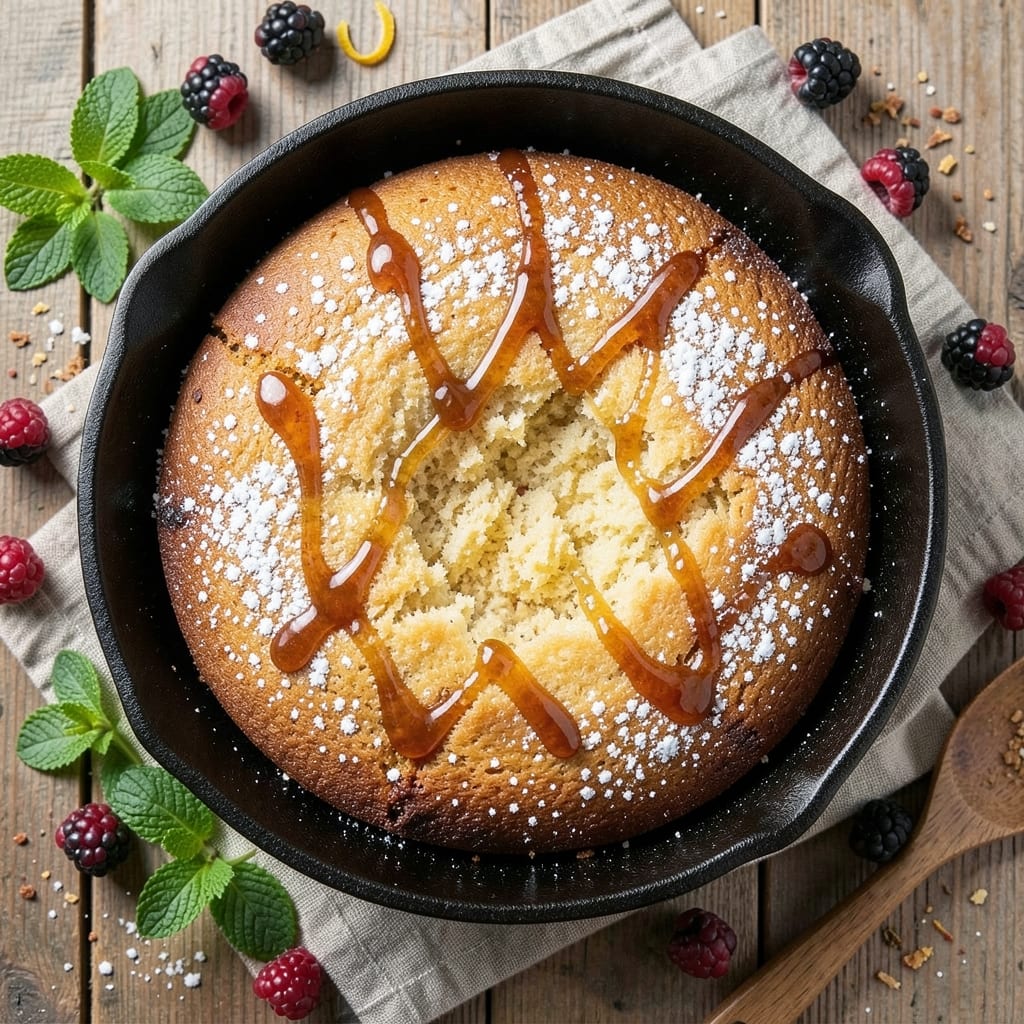
This 1234-cake recipe with buttermilk delivers the perfect balance of buttery moistness and a crunchy top that’ll have everyone asking for seconds. The secret lies in the buttermilk—it creates tender layers while keeping the cake rich and flavorful. I’ve perfected this recipe over years of baking, ensuring every slice stays perfectly moist without being too dense.
The magic happens in the baking process: a golden-brown crust forms on top while the inside remains soft and velvety. Buttermilk’s tangy acidity reacts with baking soda, creating air pockets that keep the texture light. For an extra touch, I recommend brushing the top with a simple syrup after baking—it adds a subtle sweetness and enhances that coveted crunch.
What makes this recipe stand out is its foolproof technique—no fancy equipment or complicated steps. You’ll need just a few key ingredients, including all-purpose flour, butter, sugar, and, of course, buttermilk. The result? A cake that’s rich, moist, and packed with flavor, perfect for celebrations or a cozy dessert night.
Whether you’re baking for a special occasion or treating yourself, this recipe delivers restaurant-quality results at home. The buttermilk ensures moisture, while the baking method guarantees that crunchy top everyone loves. Let’s get started!
Ingredients for 1234 cake recipe with buttermilk
The perfect blend of buttery richness and delicate crunch starts with these twelve essential ingredients.
| Ingredient | Amount | Notes |
|---|---|---|
| Unsalted Butter 🧈 | 1 cup | Softened to room temperature |
| Granulated Sugar 🍚 | 2 cups | White or light brown preferred |
| All-Purpose Flour 🌾 | 2 ½ cups | Sifted for even texture |
| Buttermilk 🥛 | 1 cup | Room temperature for best results |
| Baking Soda 🧂 | 1 ½ tsp | Freshly measured for optimal rise |
| Salt 🧂 | ½ tsp | Fine sea salt preferred |
| Vanilla Extract 💧 | 2 tsp | Pure Madagascar bourbon preferred |
| Large Eggs 🥚 | 2 whole | Room temperature for even mixing |
| Powdered Sugar 🍚 | 2 tbsp | For dusting finished cake |
| Simple Syrup 🍯 | ¼ cup | Equal parts sugar and water |
| Cornstarch 🌾 | 1 tbsp | For creating crunchy top |
| Vegetable Oil 🫒 | ¼ cup | Light, neutral flavor preferred |
The buttermilk is non-negotiable here—its acidity creates those coveted air pockets for tender layers. For the best quality, grab Cultivate brand from specialty stores or make your own by mixing milk with vinegar. The unsalted butter should be European-style (like Plugrá) for superior flavor and moisture retention. If you can't find it, Land O'Lakes works in a pinch, but it lacks the same depth. Sift your all-purpose flour—this isn't the time for clumps, as they'll disrupt that velvety texture. The vanilla extract matters too; cheap imitation won't cut it here—Madagascar bourbon is worth the investment for that authentic depth.
No buttermilk? Mix 1 cup milk with 1 tbsp vinegar or lemon juice and let sit for 5 minutes. Running low on powdered sugar? Confectioners' sugar from the baking aisle works perfectly. The simple syrup can be made ahead—just boil equal parts sugar and water for 2 minutes, then cool. For the crunchy top, the cornstarch is key—don't substitute with flour, as it won't achieve the same crisp texture. If you're using brown sugar, reduce the granulated sugar by 0.25 cup to maintain proper moisture balance. The vegetable oil adds tenderness; avocado oil is ideal, but any neutral oil works in a bind.
Store leftover cake in an airtight container for up to 4 days—though it'll likely disappear faster. For that signature crunchy top, brush with simple syrup immediately after baking while still warm. The cake freezes beautifully for up to 3 months—wrap tightly in plastic wrap and foil. When reheating, cover with a damp paper towel in the microwave for 10 seconds to restore moisture. This recipe doubles well, so make extra for gatherings—just increase all ingredients proportionally and bake in a 9x13-inch pan for a sheet cake variation.
Why You'll Love This Recipe
- No Mixer Needed: I swear by this recipe when my stand mixer’s on strike—just cream butter and sugar by hand until light, then fold in the rest. The buttermilk keeps it tender without overworking, and honestly? You’ll get the same fluffy result whether you whisk or stir.
- Buttermilk Magic: That tangy kick from buttermilk isn’t just flavor—it’s the secret to a moist crumb that stays soft for days. (Yes, even when you forget to bake it right away.) The baking soda reacts perfectly with it, giving you that classic vanilla cake lift without tasting chemical.
- Weeknight Wonder: Slice it warm for breakfast with butter and jam, or save slices for lunches—this cake travels well and won’t dry out. I’ve even used it as a base for a quick trifle when company drops by. Minimal effort, maximum flexibility.
- Pantry Staple Power: You’re already using things you’ve got: butter, sugar, flour, and buttermilk. No specialty ingredients, no last-minute grocery runs. Between us, this is the cake I make when I’m too tired to improvise, and it never lets me down. Budget-friendly? Absolutely. Foolproof? Even better.
Step-by-step instructions for buttermilk cake with crunchy top
This method delivers a perfectly moist interior and signature crunchy top every time.
Prepare the Cake Batter for Optimal Texture
Preheat your oven to 350°F and grease a 9-inch round cake pan generously with vegetable oil, then line the bottom with parchment paper. In a medium bowl, whisk together the 2.5 cups all-purpose flour, 1.5 teaspoons baking soda, and 0.5 teaspoon salt until evenly combined. Sifting is optional but recommended for a lighter texture.
In a separate large bowl, cream together the 1 cup unsalted butter and 2 cups granulated sugar on medium speed until light and fluffy—about 3-4 minutes. This step incorporates air, which creates that tender crumb structure. Add the 2 whole large eggs, one at a time, mixing well after each addition. Scrape down the sides of the bowl to ensure even incorporation.
Incorporate Buttermilk and Flavorings
Reduce the mixer speed to low and alternate adding the 1 cup buttermilk and the dry flour mixture in 3 additions, beginning and ending with the buttermilk. This gradual incorporation prevents overmixing, which can lead to a dense cake. After adding the flour mixture, stir in the 2 teaspoons vanilla extract until just combined.
The buttermilk is crucial here—it reacts with the baking soda to create lift while adding moisture. The batter should be thick but pourable. If it appears too stiff, add 1-2 tablespoons of milk (though your recipe doesn't call for it, this is a troubleshooting note). Let the batter rest for 10 minutes at room temperature to allow the flour to fully hydrate and the baking soda to activate completely.
Create the Signature Crunchy Top Layer
In a small bowl, whisk together the 1 tablespoon cornstarch and 2 tablespoons powdered sugar. This mixture will create the signature crunchy top. Pour the cake batter into the prepared pan and spread it evenly. Sprinkle the cornstarch-sugar mixture evenly over the top, pressing down gently with your fingers to ensure it adheres.
Pour the 0.25 cup simple syrup evenly over the crunchy topping. The syrup will dissolve slightly, creating a glossy finish while adding moisture to the top layer. This step is what gives this cake its signature texture contrast—moist interior with a crisp, sugary exterior. Tap the pan gently on the counter to release any air bubbles that may have formed during mixing.
Bake to Golden Perfection
Bake the cake in the preheated oven for 30-35 minutes, or until a toothpick inserted into the center comes out clean. The top should be golden brown with a crisp texture when pressed gently. Rotate the pan halfway through baking for even heat distribution. Avoid opening the oven door during the first 20 minutes of baking to prevent the cake from sinking.
Once baked, remove the cake from the oven and let it cool in the pan for 10 minutes before transferring it to a wire rack to cool completely. The internal temperature should read 200°F when done. The contrast between the moist crumb and crispy top will be most pronounced when the cake has cooled slightly but is still warm.
Serve and Enjoy the Texture Contrast
Serve the cake at room temperature to fully appreciate the texture contrast. The interior should be tender and moist, while the top remains delightfully crunchy. This cake pairs beautifully with whipped cream or a scoop of vanilla ice cream. For best results, store any leftovers in an airtight container at room temperature for up to 3 days, though I doubt it will last that long.
Pro Tips For Making 1234 Cake Recipe With Buttermilk
- MEASURE BUTTER COLD: Take that butter straight from the fridge—no softening at room temp. I learned this the hard way when my first batch turned greasy and dense. Cold butter creates pockets for air, which is why this cake has that signature tender crumb. Just cut it into cubes and let it sit for 10 minutes at most.
- WHISK BUTTERMILK FIRST: Give your buttermilk a quick whisk before mixing—it’s not just about lumps. The acid in buttermilk reacts better when it’s smooth, and your cake will rise more evenly. (Yes, even if you’re impatient like me, skip this step at your own risk.)
- STOP WHEN CENTER’S SPRINGY: That cake’s done when the middle bounces back slowly, not when it’s golden on top. Overbaking dries out the buttermilk’s moisture, and you’ll end up with a sad, crumbly mess. Pull it out early—your future self will thank you.
- SIFT FLOUR WITH SODA: Mix the baking soda into the flour first, then sift the whole thing together. This keeps the leavening even and prevents random soda clumps that’ll make your cake rise like a lopsided volcano. (I was skeptical until I tried it.)
Serving suggestions for 1234 cake recipe with buttermilk
Classic Pairings
This buttermilk cake shines with a dollop of homemade whipped cream—lightly sweetened with 1 tablespoon powdered sugar and ½ teaspoon vanilla extract. I like to whip 1 cup heavy cream with 1 tablespoon powdered sugar until soft peaks form. The contrast of cool cream against the warm cake is pure magic. 🥛
For an extra-special touch, serve with vanilla bean ice cream—the creamy texture and vanilla notes complement the cake’s buttery richness. I recommend Breyer’s vanilla bean for its smooth, flavorful consistency. A drizzle of warm caramel sauce (made with ½ cup butter, 1 cup brown sugar, and ¼ cup heavy cream) takes it to the next level.
Fruit Toppings
Fresh berries add a bright, tangy contrast to the cake’s sweetness. A mixed berry compote—simmer 1 cup mixed berries (strawberries, blueberries, raspberries) with 2 tablespoons sugar and 1 teaspoon lemon juice until thickened—pairs beautifully. Serve warm or chilled over slices. 🍓
For a tropical twist, try mango slices or a passion fruit coulis (blend 1 cup passion fruit pulp with 2 tablespoons sugar and strain). The acidity cuts through the cake’s richness, balancing every bite. Garnish with fresh mint leaves for a pop of color and freshness.
Coffee Lovers' Twist
Drizzle the cake with espresso glaze—mix ½ cup powdered sugar with 2 tablespoons strong brewed coffee and 1 teaspoon vanilla extract until smooth. The bitterness of the coffee enhances the cake’s buttery notes, creating a sophisticated flavor profile. I love this pairing for afternoon tea or dessert after dinner. ☕
Make-Ahead Serving
If serving at a gathering, assemble the cake 1 day ahead and store it in an airtight container at room temperature. The flavors deepen overnight, and the crunchy top stays intact. Reheat slices in the microwave for 10-15 seconds to restore warmth and moisture before serving. This is a game-changer for stress-free entertaining. ✨
For a rustic touch, serve slices on wax paper-lined plates with a side of warm apple cider (spiced with cinnamon and cloves). The warm, spiced drink complements the cake’s buttery, crunchy texture perfectly. It’s a cozy, inviting presentation that feels like a hug in dessert form.
Nutrition facts
Frequently asked questions
Why does this cake have a crunchy top?
The signature crunch comes from the cornstarch-sugar mixture sprinkled on top before baking. The cornstarch caramelizes beautifully, creating a crisp texture while the sugar adds sweetness. The simple syrup poured over it before baking helps lock in that crunch while keeping the cake moist.
Can I make this cake without buttermilk?
Mix 1 cup milk with 1 tablespoon vinegar or lemon juice and let sit for 5 minutes to create a buttermilk substitute. For extra tang, use plain yogurt> (1 cup) or sour milk (1 cup) instead. The acidity is key for that tender crumb and proper rise.
How do I know when the cake is fully baked?
Insert a toothpick into the center—it should come out clean or with just a few moist crumbs. The cake should also spring back slightly when pressed gently. The top should be golden brown with a crisp texture. Bake for 30-35 minutes at 350°F, but check at 30 minutes since ovens vary.
Can I bake this cake in a different pan size?
For a 9x13-inch pan, reduce baking time by about 5-7 minutes (check at 25 minutes). For an 8-inch pan, increase time by 5 minutes. Adjust oven temperature by 25°F if needed—hotter for smaller pans, cooler for larger ones. Always use the toothpick test to confirm doneness.
Why did my cake turn out dense?
Overmixing the batter or using old baking soda are common culprits. Measure ingredients precisely and mix just until combined. Let the batter rest for 10 minutes before baking to help the flour hydrate properly. Also ensure your butter is softened but not melted. If you skipped the cornstarch topping, that can also make the cake denser.