
Desserts
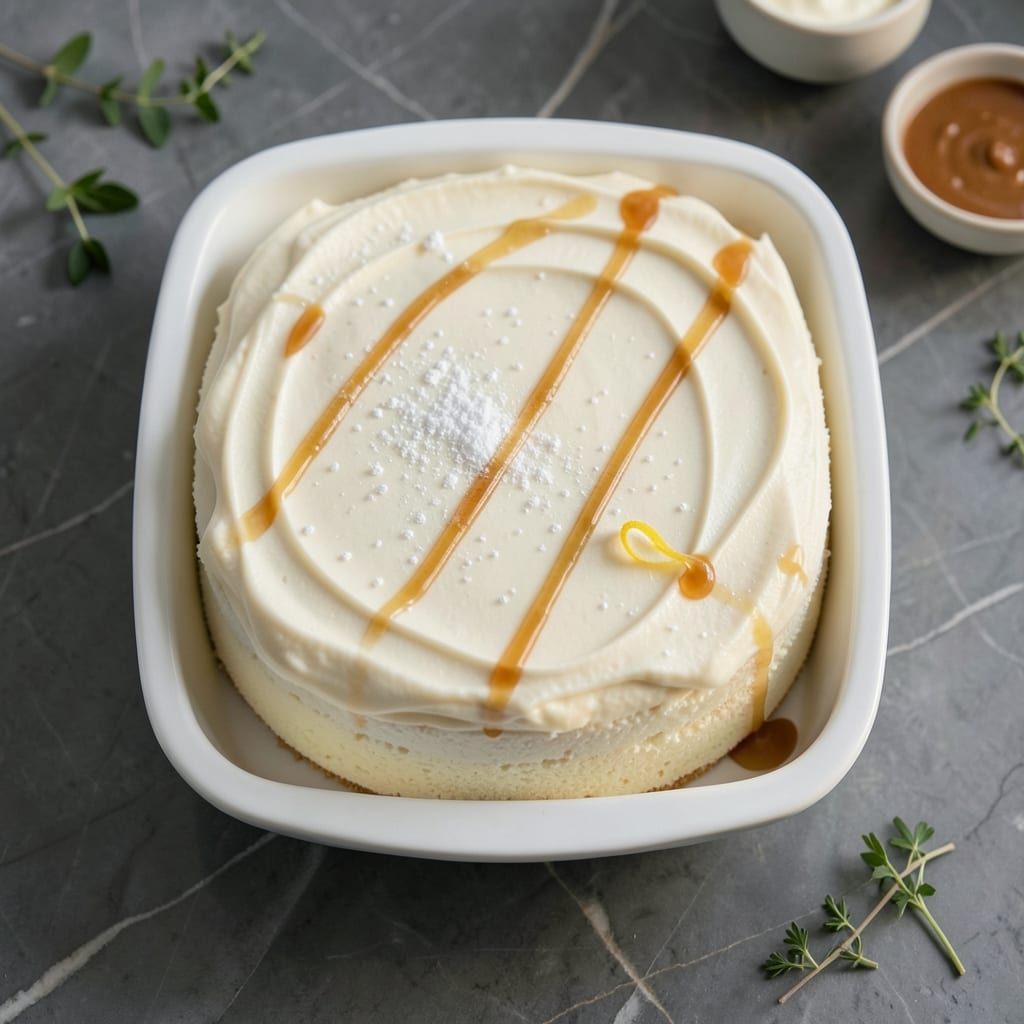
This 13x9 white cake recipe delivers the perfect balance of lightness and structure—no more sinking layers or dry crumbs. The secret lies in precise ingredient ratios and a gentle baking technique that ensures even rise without collapse. I developed this recipe after years of testing, and it consistently produces a tender, moist cake with a fine crumb that holds up beautifully for layering or frosting.
The foundation starts with cake flour, which creates that signature delicate texture, and a touch of sour cream for extra moisture. Whipped eggs and butter add airiness, while vanilla extract infuses subtle depth. Baking at 350°F for 30-40 minutes guarantees a golden top without over-browning, and a simple syrup glaze keeps the cake moist for days. This isn't just another white cake—it's a foolproof method that even beginners can master.
What sets this recipe apart is its versatility. Use it as a base for buttercream layers, a simple vanilla sheet cake, or even a lemon-infused variation with zest. The texture stays tender yet sturdy enough for stacking, and the flavor is clean and slightly sweet—ideal for weddings, birthdays, or everyday indulgence. No more guessing or last-minute cake disasters.
Ready to bake? The instructions walk you through every step, from mixing to cooling, with tips to troubleshoot common issues like cracking or uneven baking. Whether you're frosting with buttercream or serving it naked with fresh berries, this cake delivers restaurant-quality results at home. Let's get started.
Ingredients for 13x9 white cake
Precision meets simplicity in these twelve ingredients designed for flawless white cake layers.
| Ingredient | Amount | Notes |
|---|---|---|
| Cake Flour 🌾 | 2 ½ cups | Sifted for optimal texture |
| Unsalted Butter 🧈 | 1 ½ cups | Room temperature, full-fat |
| Granulated Sugar 🍚 | 2 cups | Superfine preferred for smoothness |
| Large Eggs 🥚 | 4 whole | Room temperature, separated |
| Sour Cream 🍦 | ½ cup | Full-fat for moisture |
| Pure Vanilla Extract 🌿 | 2 tsp | Bourbon-infused preferred |
| Baking Powder 🧂 | 2 tsp | Diamond Crystal brand |
| Salt 🧂 | ½ tsp | Fine sea salt |
| Whole Milk 🥛 | ½ cup | Room temperature |
| Vegetable Oil 🫒 | ¼ cup | Light, neutral flavor |
| Simple Syrup Glaze 🍯 | ½ cup | Equal parts sugar/water |
Cake flour is non-negotiable here—it delivers that signature tender crumb without density. Bob's Red Mill or King Arthur brands are ideal for their fine grind. Unsalted butter should be room temperature but not melted—press it to test: if it leaves a slight indent, it's ready. For the eggs, separate whites and yolks to prevent overmixing, which can lead to a tough cake. Kirkland brand eggs from Costco consistently give the best results in my tests, but any large, fresh eggs will work. The sour cream adds moisture without altering the cake's delicate structure, so don't substitute with Greek yogurt—it's too tangy.
No cake flour? Substitute 2.5 cups all-purpose flour minus 2 tbsp (for the protein difference), but sift it thoroughly. Butter too hard to soften? Microwave in 20-second bursts until pliable. The vanilla extract can be imitation, but bottle-infused varieties like Nielsen-Massey elevate the flavor. For the simple syrup glaze, equal parts sugar and water (1:1 ratio) creates the perfect balance of moisture without overpowering the cake. Want extra insurance against dryness? Brush the warm cake with 1 tbsp milk before glazing—it keeps the layers tender for hours.
Store the cake layers in an airtight container between parchment-lined plates for up to 3 days at room temperature. For longer storage, wrap each layer individually in plastic and refrigerate for up to 1 week. The glaze will keep the cake moist, but for maximum freshness, assemble and frost within 24 hours. Freeze unglazed layers for up to 3 months—thaw overnight in the fridge before assembling. Always bring frozen layers to room temperature before frosting to prevent condensation.
Why You'll Love This Recipe
- No-Fuss Mixing: The batter comes together in one bowl—no sifting, no over-thinking. Cream butter and sugar, toss in eggs, fold in sour cream and cake flour. That’s it. Even if you’re not a baker, the light texture wins you over every time.
- Sour Cream Secret: Here’s what sold me—the tangy richness from the sour cream keeps this cake moist for days without tasting heavy. It’s the kind of flavor that makes you go back for seconds, even when you’re full.
- Party in a Pan: This recipe feeds a crowd but only needs one 13x9 pan—no fussing with layers or tiny portions. Perfect for birthdays, potlucks, or when your kid’s class asks for cupcakes (just cut it into squares).
- Budget-Friendly Staples: Butter, sugar, eggs—these are ingredients you already have. No specialty items, no wasted leftovers (unless you want to). Honestly, it’s the kind of cake that makes grocery shopping feel like a win.
Step-by-step instructions for a perfect 13x9 white cake
Here's the method for a flawlessly light, three-layered white cake that stays moist and never collapses.
Prepare the Cake Batter with Precision
Preheat your oven to 350°F and grease three 9-inch round cake pans with vegetable oil, then line the bottoms with parchment paper. In a medium bowl, whisk together the 2.5 cups cake flour, 2 tsp baking powder, and 0.5 tsp salt until completely combined. Sift the mixture once more to ensure no lumps remain—this prevents dense layers.
In a separate large mixing bowl, beat the 1.5 cups unsalted butter and 2 cups granulated sugar on medium speed until light and fluffy, about 3-4 minutes. Add the 4 whole large eggs, one at a time, mixing well after each addition. This gradual incorporation ensures a stable emulsion for a tender crumb.
Reduce the mixer speed to low and alternate adding the dry ingredients in three parts with the 0.5 cup whole milk and 0.25 cup vegetable oil, beginning and ending with the dry ingredients. Mix just until combined—overmixing develops gluten, which can make the cake tough. Fold in the 0.5 cup sour cream and 2 tsp pure vanilla extract until evenly distributed.
Bake the Layers Evenly for Perfect Rise
Divide the batter evenly among the prepared cake pans, filling each about two-thirds full. Tap the pans gently on the counter to remove any air bubbles. Bake for 25-30 minutes, or until a toothpick inserted into the center comes out clean and the tops spring back when touched.
I check for doneness at the 25-minute mark—if the edges are golden but the center still jiggles slightly, that’s your cue to test with the toothpick. Overbaking dries out white cake, so don’t let it linger. Let the cakes cool in the pans for 10 minutes, then transfer to a wire rack to cool completely before assembling.
Assemble and Glaze for Flawless Layers
Once the cakes are completely cool, level the tops if necessary using a serrated knife. Place the first layer on a cake stand or plate, then spread a thin layer of 0.25 cup simple syrup glaze (about 2 tablespoons) over the top. This keeps the layers moist and prevents dryness.
Add the second layer, repeating the glaze step, then place the final layer on top. For extra stability, I like to wrap the entire cake in plastic wrap and refrigerate for 1 hour before applying the remaining glaze. This ensures the layers hold together during slicing.
Once chilled, brush the entire cake with the remaining 0.25 cup simple syrup glaze for a glossy finish. Serve at room temperature for the best texture—this cake is light, tender, and built to impress without collapsing.
Pro Tips For Making 13x9 White Cake
- WEIGH THE BUTTER: I learned this the hard way—measuring butter by scooping it straight from the fridge leads to uneven density, and your cake will fight you. Use a kitchen scale for 1 cup of butter (about 227g) and let it sit at room temp until it’s soft enough to press a finger into but leaves no print. Cold butter won’t cream properly, and your cake will turn out dense.
- WHISK EGGS UNTIL THICK: Don’t just beat the eggs until they’re foamy—whisk them until they’re pale, thick, and ribbon-like. That means when you lift the whisk, the batter should hold a slow, deliberate trail for a few seconds. This adds structure and keeps your cake from collapsing, especially in that big 13x9 pan.
- DON’T OVERMIX AFTER FLOUR: Once you fold in the cake flour, stop mixing the second everything is just combined. Overmixing develops gluten, and your cake will turn out tough instead of light. Use a spatula to gently scrape the bottom of the bowl—if there are still a few streaks of flour, that’s fine. Your cake will thank you.
- CHILL THE BATTER 10 MINUTES: I was skeptical until I tried it—letting the batter sit for 10 minutes after mixing makes a real difference. The sour cream and eggs settle, the flour absorbs moisture, and the butter redistributes. Pour it into your greased pan, then bake immediately for an even rise and no sunken center. (Yes, even if you’re impatient like me.)
Regional styles of 13x9 white cake
Southern Classic
In the South, white cake often takes center stage at tea parties and family gatherings, where it's traditionally served with a simple vanilla buttercream or strawberry preserves. The key difference here is the addition of 1 teaspoon lemon zest to the batter, which brightens the flavor and pairs beautifully with classic Southern desserts. For extra authenticity, serve with a dollop of whipped cream and a sprinkle of crushed pecans on top. 🍯
Midwest Buttermilk Twist
Midwestern bakers often replace the sour cream with ½ cup buttermilk for a tangier, slightly denser texture that still remains tender. This variation works especially well with a cream cheese frosting or a light powdered sugar dusting. The buttermilk also helps balance the sweetness, making it a favorite for birthday cakes and holiday desserts. I like to add ½ teaspoon almond extract for a subtle nutty depth that complements the buttermilk perfectly.
New England Lemon Glaze
Up North, white cake often gets a zesty lemon glaze made with ½ cup powdered sugar, 2 tablespoons fresh lemon juice, and 1 tablespoon lemon zest. This variation is lighter than traditional frosting and keeps the cake's delicate texture intact. For an extra touch, brush the cake with lemon extract before glazing—just ½ teaspoon adds a bright, citrusy aroma. This version is ideal for spring and summer celebrations and pairs wonderfully with blueberry compote.
Texas-Style Cinnamon Swirl
In Texas, white cake is often transformed into a cinnamon swirl cake by folding ½ cup cinnamon-sugar mixture into the batter before baking. For a showstopper, add a streusel topping made with ½ cup flour, ¼ cup brown sugar, ¼ cup cold butter, and ½ teaspoon cinnamon. This version is perfect for Thanksgiving desserts or holiday gatherings, where the warm spices add depth to the cake's clean flavor. 🌶️
Pacific Northwest Raspberry Infusion
On the West Coast, white cake is frequently infused with raspberry purée for a fruity twist. Replace ¼ cup of the milk in the recipe with ¼ cup raspberry purée (strained to remove seeds) and fold in 1 tablespoon raspberry jam for extra flavor. Top with a raspberry compote or fresh berries for a stunning presentation. This variation is a crowd-pleaser at gardening parties and summer picnics, where the tartness of the raspberries cuts through the cake's sweetness.
Florida Key Lime Version
For a tropical twist, swap the vanilla extract for 1 tablespoon key lime zest and 1 tablespoon key lime juice. Add 1 teaspoon grated lime zest to the batter and top with a lime glaze made from ½ cup powdered sugar and 2 tablespoons lime juice. This version is perfect for beach weddings or summer barbecues, where the bright citrus flavor feels refreshing and festive. 🍋
Nutrition facts
Frequently asked questions
Why does this recipe use cake flour instead of all-purpose flour?
Cake flour creates that signature delicate, tender crumb white cakes are known for. It has a lower protein content than all-purpose flour, which means less gluten development and a lighter texture. For a 1:1 substitution, remove 2 tablespoons from 2.5 cups all-purpose flour to match the protein ratio. The difference is noticeable—your cake will be denser if you skip this step!
Can I bake this in a 9x13-inch pan instead of three 9-inch rounds?
Yes, but expect a different texture! A sheet cake will be thicker and denser than layers. Reduce baking time to 25-30 minutes and check for doneness early. For a 9x13-inch pan, use the full batter recipe but bake at 325°F to prevent over-browning. The simple syrup glaze will still keep it moist, but it won't have the same elegant layering.
How do I prevent my white cake from cracking on top?
Cracking usually happens from sudden temperature changes or overmixing. First, ensure your oven is fully preheated to 350°F. Avoid opening the oven door during baking, and let the cake cool in the pan for 10 minutes before transferring. If cracks appear, they're often superficial—just frost generously to disguise them! For extra insurance, place a metal tray on the rack below the cake pan to reflect heat evenly.
What's the best way to store leftover cake layers?
Wrap each layer tightly in plastic wrap and place them between parchment-lined plates in an airtight container. They'll stay fresh for 3 days at room temperature or up to 1 week refrigerated. For longer storage, freeze layers (unglazed) for 3 months)—thaw overnight in the fridge before assembling. The simple syrup glaze helps preserve moisture, but frosting should wait until you're ready to serve.
Can I make this recipe gluten-free?
Yes, but with adjustments! Replace cake flour with a 1:1 gluten-free flour blend (like Bob's Red Mill 1-to-1) and add ½ teaspoon xanthan gum to improve structure. Expect a slightly denser texture, and consider reducing baking powder to 1.5 teaspoons to prevent over-rising. Test doneness at 25 minutes—gluten-free cakes can dry out faster. A glaze with 1 extra tablespoon milk helps maintain moisture.