
Desserts
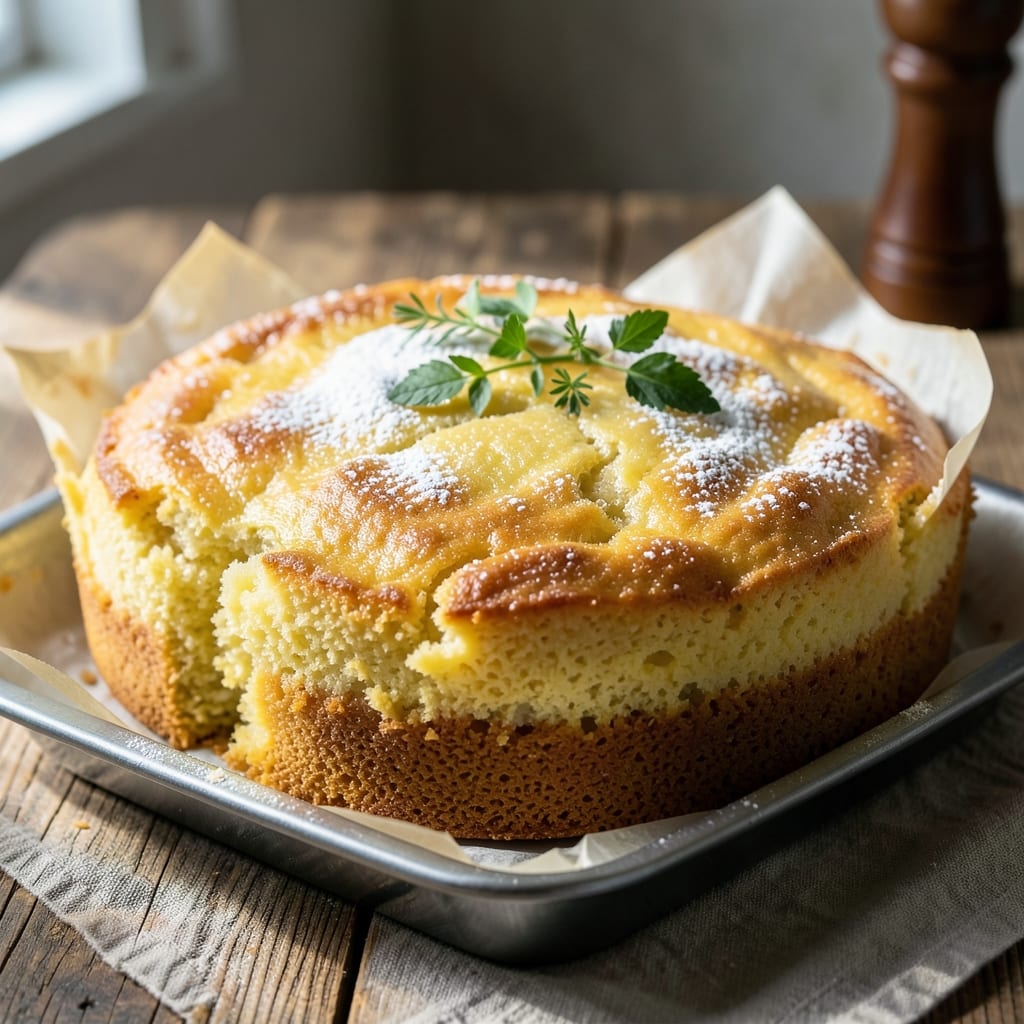
A 13x9 yellow cake with a perfectly moist crumb and buttery frosting is the ultimate crowd-pleaser for birthdays, holidays, or any celebration. This classic recipe delivers a tender, flavorful cake that bakes evenly in a standard sheet pan, ensuring consistent results every time. The secret lies in precise measurements and gentle folding to maintain that signature light texture.
What sets this recipe apart is the balance of ingredients—vanilla extract, buttermilk, and a touch of baking powder create that signature yellow hue and delicate crumb. Baking at 350°F for 35–40 minutes guarantees a golden top and even rise, while the frosting (optional but recommended) adds a rich, velvety finish. No special equipment needed—just a few pantry staples and patience for the best results.
The moment you pull it from the oven, you’ll be greeted by a warm, fragrant cake with a springy texture that crumbles just enough for frosting to cling beautifully. Serve it warm with a scoop of vanilla ice cream or let it cool for a classic slice-and-serve experience. This is the kind of cake that disappears faster than you can say "second helping."
Perfect for beginners and seasoned bakers alike, this recipe scales easily for larger gatherings. Whether you’re dressing it up with buttercream or keeping it simple with powdered sugar, the foundation is foolproof. Let’s get baking!
Ingredients for 13x9 yellow cake
Twelve simple staples transform into a showstopping 13x9 yellow cake with that signature moist crumb and velvety frosting.
| Ingredient | Amount | Notes |
|---|---|---|
| All-Purpose Flour 🌾 | 2 ½ cups | Sifted for even texture |
| Granulated Sugar 🍚 | 1 ½ cups | White or light brown |
| Unsalted Butter 🧈 | 1 cup | Room temperature, full-fat |
| Buttermilk 🥛 | 1 cup | Fresh, not powdered |
| Pure Vanilla Extract 🌿 | 2 tsp | High-quality, imitated-free |
| Baking Powder 🧂 | 2 tsp | Double-acting, fresh |
| Salt 🧂 | ½ tsp | Fine sea salt preferred |
| Large Eggs 🥚 | 2 whole | Room temperature |
| Vegetable Oil 🫒 | ½ cup | Light or canola |
| Powdered Sugar 🍚 | 2 cups | For frosting, sifted |
| Unsalted Butter 🧈 | ½ cup | Room temperature, full-fat |
| Heavy Whipping Cream 🥛 | ½ cup | Cold, full-fat |
| Vanilla Extract 🌿 | 1 tsp | For frosting |
The flour is non-negotiable—King Arthur or Gold Medal brands are my go-to for that perfect crumb. Butter matters too: Plugrá or Land O’Lakes work great, but avoid tub butter if you can. The buttermilk needs to be fresh; if yours has curdled, whisk in a splash of lemon juice to revive it. For vanilla, McCormick Pure or Nielsen-Massey are worth the splurge, but any good-quality extract will do. Sift your dry ingredients together—this step can’t be skipped—it keeps the cake light and airy. The eggs should be at room temperature, so take them out of the fridge 30 minutes before baking for even better results.
No buttermilk? Mix 1 tablespoon lemon juice or vinegar with 1 cup milk and let it sit for 5 minutes. Short on powdered sugar? Blend granulated sugar in a food processor until it turns to powder. The frosting can be made ahead and stored in the fridge for up to 3 days, just rewhip it before using. For a tangier frosting, add a pinch of cream of tartar. The cake itself keeps well wrapped at room temperature for 2 days, but trust me, it won’t last that long. If you’re making this for a crowd, double the recipe—it’s foolproof.
This cake is best served at room temperature, so plan ahead. Wrap it tightly in plastic wrap and let it sit for 1-2 hours before slicing. The frosting should be spreadable but not runny—if it’s too thick, let it sit at room temperature for 10 minutes before using. Store leftovers in an airtight container in the fridge for up to 5 days, though I’ve never had any last that long. For a restaurant-worthy finish, dust the top with powdered sugar right after frosting. It’s the little touches that make all the difference.
Why You'll Love This Recipe
- No-Fuss Mixing: I swear by this recipe’s simplicity—just creaming butter and sugar, then alternating dry and wet ingredients. No weird techniques, no stress. The buttermilk keeps it tender without fuss, and the vanilla? Pure magic in every bite.
- Buttery Vanilla Bliss: That rich butter and sugar combo, plus real vanilla extract, delivers a flavor so good it’ll make you pause mid-slice. It’s not too sweet, not too dry—just right, with a crumb so soft you’ll want to eat it with a spoon.
- Weeknight Workhorse: This cake is my go-to for birthdays, potlucks, or even breakfast (yes, really). Bake it once, and you’ve got dessert, lunch, or a quick snack covered. The 13x9 pan means easy slicing, no awkward leftovers.
- Budget-Friendly Staples: All-purpose flour, butter, and sugar are pantry basics—no specialty ingredients needed. It costs next to nothing to make, but tastes like you spent hours baking. And because it keeps well, you’ll actually use the leftovers instead of tossing them.
Step-by-step instructions for perfect 13x9 yellow cake
Here's how to bake a tender yellow cake with a moist crumb that stays fresh for days.
Prepare Your Cake Pans and Mix Dry Ingredients
Preheat your oven to 350°F and generously grease two 13x9-inch baking pans. Line the bottoms with parchment paper for easy removal. I like to use a mix of butter and flour for extra insurance against sticking—just rub the pans with 1 cup unsalted butter (softened) and dust with 2.5 cups all-purpose flour, tapping out any excess.
In a medium bowl, whisk together the 2.5 cups all-purpose flour, 2 tsp baking powder, and 0.5 tsp salt. Sift this mixture directly into your mixing bowl to prevent lumps. This ensures an even distribution of leavening, which is crucial for that light, airy crumb we're after. Set aside until ready.
Cream Butter and Sugar for Maximum Moisture
In a large mixing bowl, combine the 1 cup unsalted butter (at room temperature) and 1.5 cups granulated sugar. Using an electric mixer on medium-high speed, beat for 3-5 minutes until the mixture is light and fluffy, nearly doubling in volume. You'll see ribbons form when you lift the beaters—this incorporates air, which creates that signature tender crumb.
I can't stress enough how important this step is. Under-creaming leads to dense cake, while over-creaming can make it too dry. The butter should be soft enough to press gently with your finger but not leave a greasy imprint. If it's too cold, let it sit at room temperature for another 10-15 minutes.
Alternate Wet and Dry Ingredients for Perfect Texture
Add the 2 whole large eggs, one at a time, mixing well after each addition. Then stir in the 1 cup buttermilk and 0.5 cup vegetable oil until just combined. With the mixer on low speed, gradually add the dry ingredients in 3 additions, mixing just until incorporated after each.
This alternating method prevents dense pockets in the cake. After adding the last of the dry ingredients, mix in the 2 tsp pure vanilla extract. The batter should be thick but pourable—if it's too stiff, add 1-2 tablespoons of buttermilk to loosen it. Scrape down the sides of the bowl to ensure even mixing.
Bake Until Golden and Springy
Divide the batter evenly between the prepared pans. For a perfectly level cake, use a spatula to spread the batter to the edges. Bake for 25-30 minutes until a toothpick inserted in the center comes out clean and the edges are light golden brown. The cake should spring back gently when pressed in the center—this is your best indicator of doneness.
I always check for doneness at the 25-minute mark because ovens vary. If the top browns too quickly, tent the pans with aluminum foil. Let the cakes cool in the pans for 10 minutes before transferring to a wire rack to cool completely. This gradual cooling prevents cracking.
Make the Buttery Vanilla Frosting
While the cakes cool, prepare the frosting by beating the 0.5 cup unsalted butter (softened) and 2 cups powdered sugar together until smooth. Add the 0.5 cup cold heavy whipping cream and 1 tsp vanilla extract, mixing until light and fluffy. This should take about 2-3 minutes with an electric mixer.
The frosting should be thick enough to hold its shape but still spreadable. If it's too soft, chill for 10 minutes before using. Spread the frosting evenly between the two cake layers, then over the top and sides. For extra elegance, I like to use an offset spatula to create clean edges and a smooth finish.
Pro Tips For Making 13x9 Yellow Cake
- MEASURE BUTTER COLD: Take the butter straight from the fridge—no softening needed. I used to melt it by mistake, and the cake turned out dense and greasy. Cold butter creates pockets of air when creamed with sugar, which is what makes this cake light.
- WHISK BUTTERMILK FIRST: Give the buttermilk a quick shake before measuring—settled solids make the batter thicker than it should be. Pour it into the dry ingredients slowly while mixing on low; dumping it all at once creates lumps that never disappear.
- TEST DONENESS WITH A SPLIT: Skip the toothpick—it’s too vague. Cut a slice into the center: if it springs back slightly but leaves a faint imprint, it’s done. Overbaking dries out the crumb, and underbaking leaves it gummy. Aim for 30-35 minutes at 350°F (your oven’s hot spots matter more than the recipe says).
- UPGRADE VANILLA EXTRACT: Use double the vanilla called for—yes, even if the recipe says 1 teaspoon. The real stuff is potent, but most recipes underestimate. Split the difference: add half to the dry ingredients, half to the wet. The flavor becomes richer without overpowering. (I know, I know—it sounds like heresy, but try it.)
Pro cooking tips for this recipe
Butter Temperature Matters
The butter for both the cake and frosting must be at room temperature—about 68°F—for perfect results. Press a finger into the butter: it should leave a slight indentation but not feel greasy. I like to take my butter out of the fridge 1 hour before mixing or microwave it in 10-second bursts until just soft. Cold butter creates dense cake, while butter that's too soft can cause greasy spots. For the frosting, cold butter whips up lighter and fluffier—don't skip this step! 🧈
Don’t Overmix the Batter
Once you add the dry ingredients, mix just until combined—about 10-15 seconds per addition. Overmixing develops gluten, which makes the cake tough. I use a hand mixer on low speed and stop as soon as the batter smooths out. If you're mixing by hand, fold gently with a spatula. The goal is a thick, slightly lumpy batter that holds its shape when spooned. This ensures that signature tender crumb we all love. 🥄
Baking Powder Freshness Check
Old baking powder loses its lift, leading to flat cakes. Test yours by mixing 1 teaspoon with ¼ cup hot water—it should bubble vigorously. If it fizzles weakly, replace it. I keep my baking powder in the freezer to preserve its potency. For this recipe, use 2 teaspoons of fresh baking powder. If you're unsure, buy a small container of Aluminum-Free Baking Powder from King Arthur—it's my go-to for reliable results. 🧂
Level the Cake Pan
A perfectly leveled cake bakes evenly, avoiding domed tops or uneven edges. Use a long metal spatula to scrape excess batter from the edges, then tap the pan gently on the counter to settle the batter. I like to run the spatula along the edges twice—once after pouring the batter and once after the first 10 minutes of baking. This ensures consistent thickness throughout. Uneven cakes often result from uneven batter distribution, so take your time here. ⚖️
Toothpick Test Timing
Insert the toothpick at the 25-minute mark, not when the cake looks done. A clean toothpick means the center is fully baked, but the edges might still need 2-5 more minutes. If the toothpick has moist crumbs but no wet batter, your cake is ready. If it comes out wet, bake for another 5 minutes. Overbaking dries out the cake, so trust your timer as much as the toothpick. For extra insurance, I check the cake's springiness by pressing the center gently with a finger. 🔍
Frosting Consistency Tricks
If your frosting is too thick, add 1 teaspoon milk or cream at a time until it's spreadable. Too thin? Chill the bowl in the freezer for 5 minutes before whipping again. The frosting should hold its shape when piped but still be smooth enough to spread. For a restaurant-quality finish, dust the top with powdered sugar right after frosting—it adds a professional touch that makes all the difference. 🎂
Nutrition facts
Frequently asked questions
Can I make this 13x9 yellow cake in a 9x13-inch pan instead?
The recipe is specifically designed for a 13x9-inch pan to ensure even baking and proper rise. While you can use a 9x13-inch pan, the cake may bake unevenly or develop a domed top. If you must use a different pan, reduce the baking time by 2-3 minutes and check for doneness early. For best results, stick to the 13x9-inch size to match the recipe's intended proportions.
Why does my yellow cake turn out dry?
Dry cake usually means overbaking or overmixing. Check your oven temperature with an oven thermometer—many run hotter than set. Bake until a toothpick comes out with moist crumbs, not wet batter. Also, don't overmix the batter after adding dry ingredients (just 10-15 seconds per addition). For extra moisture, brush warm cake layers with simple syrup (equal parts sugar and water).
Can I substitute buttermilk in this recipe?
Yes! Mix 1 tablespoon lemon juice or vinegar with 1 cup milk, then let it sit for 5 minutes until slightly thickened. This homemade buttermilk works perfectly. For a dairy-free option, use 1 cup coconut milk mixed with 1 tablespoon vinegar. Just be aware the flavor will be slightly different, but the texture remains the same.
How do I store leftovers to keep them fresh?
Wrap the cake tightly in plastic wrap or aluminum foil at room temperature for up to 2 days. For longer storage, refrigerate in an airtight container for 5 days or freeze for 3 months. To reheat, wrap a slice in a damp paper towel and microwave for 10-15 seconds. The frosting may soften when refrigerated, so let it sit at room temperature for 10 minutes before serving.
What's the best way to decorate this cake for special occasions?
For a classic look, pipe swirls of buttercream on top using a star tip. Add fresh berries or edible flowers for color. For a rustic touch, sprinkle crushed nuts or sprinkles. Try a mirror glaze (powdered sugar + milk) for a glossy finish. For a showstopper, layer with fillings like jam or whipped cream between cake layers. The possibilities are endless—let your creativity shine!