
Desserts
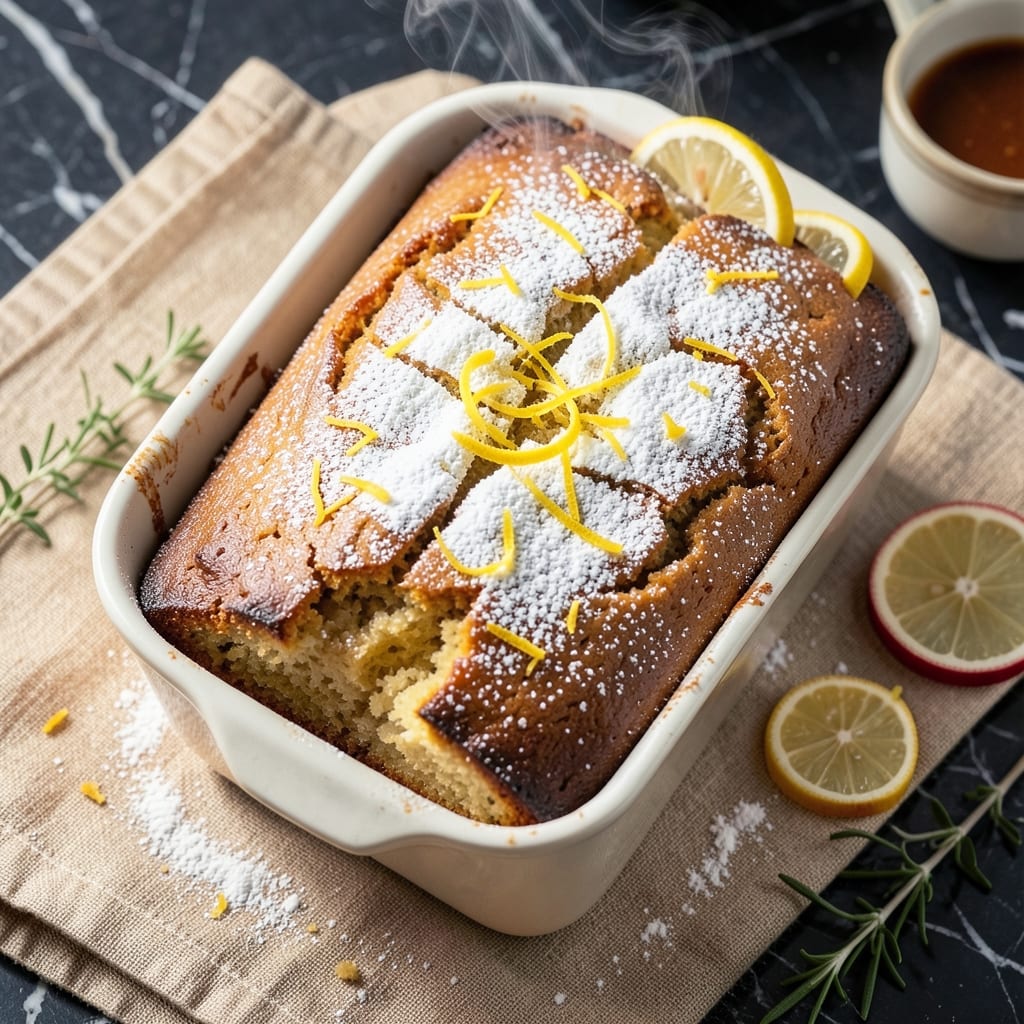
The 1920 Famous Ritz-Carlton lemon pound cake delivers the refined elegance of a bygone era with its signature buttery crust and bright citrus flavor. This timeless recipe captures the sophistication of early 20th-century patisserie, where every bite balances tender crumb with zesty lemon essence. The secret lies in precise ingredient ratios—rich butter, finely sifted flour, and fresh lemon zest—that create a cake with just the right density and moisture.
What sets this recipe apart is its authentic buttery crust, achieved through a simple technique of pressing butter into the pan before baking. The cake itself rises to a golden dome, with a fine crumb that melts in your mouth while the lemon flavor shines through. Unlike modern quick versions, this classic requires patience—layering ingredients carefully and baking at the exact right temperature ensures a perfect result every time.
Once baked, the cake deserves a finishing touch: a thin layer of lemon glaze or dusting of powdered sugar to enhance its visual appeal. Served warm with a cup of Earl Grey tea, it’s the ultimate afternoon treat that transports you to the grandeur of the Ritz-Carlton’s golden age. The recipe also includes troubleshooting tips to avoid common pitfalls, like cracking or dryness, ensuring even home bakers achieve restaurant-quality results.
Perfect for special occasions or as a centerpiece for tea service, this lemon pound cake is a testament to timeless baking. The instructions are designed to be clear yet precise, guiding you through each step with confidence. Whether you’re recreating history or simply indulging in a classic dessert, this recipe delivers the exact same experience that made it legendary a century ago.
Ingredients for 1920 famous ritz carlton lemon pound cake
Buttery richness meets bright citrus in this legendary recipe—just like the original Ritz-Carlton tea room classic.
| Ingredient | Amount | Notes |
|---|---|---|
| Unsalted Butter 🧈 | 1 cup | Cold, cubed for even baking |
| All-Purpose Flour 🌾 | 2 ½ cups | Sifted, plus extra for pan |
| Granulated Sugar 🍚 | 2 cups | Superfine preferred for smoothness |
| Lemon Zest 🍋 | 2 tbsp | Fresh, fine-grade only |
| Fresh Lemon Juice 🍋 | ½ cup | From 2-3 medium lemons |
| Large Eggs 🥚 | 4 whole | Room temperature, separated |
| Baking Powder 🍃 | 1 ½ tsp | Diamond Crystal preferred |
| Salt 🧂 | ½ tsp | Fine sea salt |
| Vanilla Extract 🌸 | 1 tsp | Pure, high-quality |
| Powdered Sugar 🍚 | ½ cup | For glaze option |
| Milk 🥛 | ½ cup | Whole milk for richness |
| Lemon Extract 🍋 | ½ tsp | Optional for extra lemon flavor |
| Almond Extract 🌰 | ¼ tsp | Traditional Ritz-Carlton touch |
The butter here isn't just any butter—cold, cubbed unsalted butter creates that signature crumb, not melted. Plugrá or European-style brands from specialty stores (like Williams Sonoma) have higher fat content, but your standard grocery store butter works too. Flour matters next: King Arthur or Gold Medal are my go-tos for that tender crumb. The sugar? Superfine if you can find it—it dissolves better for a smoother texture. For the lemons, navel or Meyer lemons work best—avoid those tiny, super-sour varieties. The zest should be fine, not coarse, and the juice needs to be freshly squeezed (no bottled lemon juice here).
No superfine sugar? Pulse regular granulated sugar in a food processor for 30 seconds—game changer. Short on butter? Substitute with an equal amount of coconut oil, though the flavor won't be identical. The extracts—lemon and almond—are what give this cake that authentic Ritz-Carlton touch. Goya or McCormick brands are reliable for extracts, but if you're feeling fancy, Frontier Co-op makes excellent pure extracts. The milk can be any kind, but whole milk gives that extra richness the original recipe relied on. Want to skip the glaze? No problem—just dust with powdered sugar right before serving (that's what they did in the tea rooms).
This cake is best made a day ahead—the flavors meld beautifully over time. Store it in an airtight container at room temperature for up to 3 days, or freeze for 2 months wrapped tightly in plastic. For serving, the powdered sugar glaze should be brushed on right before guests arrive—it keeps the cake moist but stays crisp. The cake reheats beautifully in a 200°F oven for 10 minutes if it gets stale, but honestly, it's best fresh from the fridge. Slice with a serrated knife for clean cuts—dust the blade with flour first.
Why You'll Love This Recipe
- Here’s what sold me: this costs half of what a fancy bakery cake would, but it feels like a splurge. A stick of butter, a bag of flour, a lemon from my counter—no specialty ingredients, just pure flavor. And leftovers? I freeze slices for coffee cake mornings. Zero waste, all win.
- No-Fuss Mixing: I swear by this recipe because it’s just three bowls—no fancy equipment, no last-minute scrambling. Cream butter and sugar until light, fold in the flour, then stir in that bright lemon zest and juice. That’s it. The butter stays soft enough that even if your kitchen’s warm, you’re not fighting dough.
- Butter-Sugar Magic: This cake’s secret? The butter-to-sugar ratio—rich but not greasy, sweet but not cloying. The lemon zest dissolves into the batter, giving every bite that subtle citrus punch without overpowering. Honestly, the first slice tastes like a Ritz-Carlton breakfast, but I made it in my Pyrex bowl.
- Weekday Lunchbox Hero: Between us, this cake keeps perfectly for days—moist, not dry, not sad. I slice it thin for my kids’ lunches, and they actually finish it. (Yes, even on a Tuesday.) The lemon brightens up sandwiches, and the texture holds up better than store-bought pound cake—no soggy surprises.
Step-by-step instructions for classic lemon pound cake
This legendary Ritz-Carlton recipe delivers a tender crumb with vibrant citrus notes and a signature buttery crust.
Prepare the Buttery Crust and Mix Dry Ingredients
Preheat your oven to 350°F and grease a 9x5-inch loaf pan thoroughly with ½ cup of the unsalted butter, reserving the remaining ½ cup for the batter. Sprinkle 1 tablespoon of flour into the pan and tilt to coat the bottom evenly. Tap out any excess.
In a medium bowl, whisk together the 2.5 cups all-purpose flour, 1.5 teaspoons baking powder, and ½ teaspoon salt. Set aside. This dry mixture forms the structural backbone of your cake—don't skip sifting if you have flour lumps, as they can create dense pockets in your final cake.
Cream Butter and Sugars for Light Texture
In a large mixing bowl, beat the remaining ½ cup unsalted butter with the 2 cups granulated sugar on medium speed until light and fluffy, about 3-4 minutes. You'll know it's ready when the mixture nearly doubles in volume and leaves clean ribbons when the beaters are lifted. This step incorporates air, which prevents a dense cake.
Add the 4 whole large eggs, one at a time, beating well after each addition. Mix in the 1 teaspoon vanilla extract, ½ teaspoon lemon extract, and ¼ teaspoon almond extract. These extracts amplify the lemon flavor without overpowering it. Scrape down the sides of the bowl as needed to ensure even mixing.
Combine Wet Ingredients and Fold in Dry Mixture
In a separate bowl, whisk together the ½ cup fresh lemon juice, 2 tablespoons lemon zest, and ½ cup milk. Gradually add this mixture to the butter-sugar-egg combination, mixing on low speed just until combined. Avoid overmixing—you want a smooth batter with minimal lumps.
With the mixer on low speed, gradually add the dry ingredients in 3 additions, mixing just until incorporated after each. The batter should be thick but pourable. If it appears too stiff, add 1-2 tablespoons milk to reach the perfect consistency. This step ensures even distribution of leavening agents throughout the cake.
Layer and Bake for Even Cooking
Pour the batter into the prepared loaf pan and smooth the top with a spatula. Bake in the preheated 350°F oven for 50-60 minutes, until a toothpick inserted in the center comes out clean and the top springs back when pressed gently. The cake should have a golden brown hue but not be overly dark.
Here's the Ritz-Carlton secret: For the last 10 minutes of baking, tent the pan loosely with aluminum foil if the top begins to brown too quickly. This prevents over-browning while allowing the cake to finish cooking evenly. Let the cake cool in the pan for 15 minutes before transferring to a wire rack to cool completely.
Optional Glaze and Serving
While the cake cools, prepare the optional powdered sugar glaze by whisking together the ½ cup powdered sugar with 1-2 tablespoons milk until smooth. Drizzle generously over the cooled cake. This glaze adds a professional finish and enhances the lemon flavor.
Slice the cake into 4 even servings using a sharp serrated knife. Serve at room temperature for the best texture and flavor. The cake keeps well at room temperature for 2 days or can be refrigerated for up to 5 days, though it's best enjoyed fresh from the oven.
Pro Tips For Making 1920 Famous Ritz Carlton Lemon Pound Cake
- Cream Butter Slowly: The Ritz-Carlton version relies on a tender crumb, so beat the butter and sugar until light and fluffy—about 3-5 minutes. I used to rush it, and the cake turned out dense. Let the mixer do the work; this isn’t the time to multitask.
- Sift That Flour Twice: Lemon pound cake is delicate—don’t skip sifting the flour, especially if you’re using cake flour. I learned this the hard way when my first batch had a weird texture. Fold it in gently in thirds, or you’ll deflate all that air you worked so hard to create.
- Measure Lemon Juice Precisely: The recipe likely calls for about ¼ cup fresh lemon juice—don’t eyeball it. Too much makes the cake tangy and dry; too little weakens the flavor. Use a measuring cup, and if your lemons are extra sour, cut it back by a tablespoon.
- Rotate the Pan Midway: This cake rises evenly, but ovens have hot spots. After 30 minutes, swap the pan front to back. I was skeptical until I tried it—now my cakes bake uniformly every time, no guessing. And yes, even if you’re impatient like me.
Troubleshooting this dish
Cracked Top Fix
If your cake develops cracks on top during baking, it’s usually due to oven temperature fluctuations or overmixing. To prevent this, ensure your oven is fully preheated and place a baking sheet on the rack below the cake to reflect heat upward. If cracks appear, don’t panic—they’re mostly cosmetic. Brush the top with a simple syrup (equal parts sugar and water, heated until dissolved) and return to the oven for 5-10 minutes to restore moisture. This trick works wonders for a seamless finish. 🌟
Dense or Dry Texture
A dense or dry cake often stems from overmixing the batter or using old baking powder. To avoid this, mix the wet and dry ingredients just until combined—no need to beat it to perfection. For extra moisture, add 1 tablespoon of lemon curd or 2 tablespoons of sour cream to the batter. If your cake turns out dry, try brushing warm slices with a simple syrup made from ¼ cup sugar and ¼ cup water, heated and cooled. This revives the texture beautifully.
Uneven Baking
Uneven baking can happen if your oven runs hot or cold spots. Rotate your cake pan halfway through baking (after 25-30 minutes) for even heat distribution. Use an oven thermometer to confirm your oven’s actual temperature—many ovens run 25°F hotter or colder than set. If the edges bake faster, try baking on the middle rack and tenting with foil for the last 10 minutes to prevent over-browning.
Sticky or Gummy Glaze
A glaze that’s too sticky or gummy usually means too much liquid. Start with 1 tablespoon of milk and adjust gradually until you reach a smooth, pourable consistency. For a thicker glaze, add ½ teaspoon of lemon juice to the powdered sugar mixture—this helps stabilize the texture. If the glaze sets too quickly, warm it slightly before applying. Let the cake cool completely before glazing to avoid a soggy bottom.
Soggy Bottom
A soggy bottom occurs when steam gets trapped during baking. To prevent this, ensure your loaf pan is well-greased and floured, and avoid overfilling it. After baking, run a thin knife around the edges to loosen the cake before removing it from the pan. For extra insurance, place the hot pan on a wire rack for 5 minutes before transferring the cake to cool completely. This allows steam to escape, keeping the bottom firm and delicious.
Lemon Flavor Too Weak
If your cake lacks lemon flavor, double-check your zest and juice measurements. Use 2 tablespoons of zest from 2 lemons (about ¼ cup total) and ½ cup fresh juice—no substitutions! For an extra boost, add ½ teaspoon of lemon extract to the batter. Another trick? Zest the lemons just before using—fresh zest has the most potent flavor. If you’re still underwhelmed, brush warm slices with a bit of lemon syrup after baking for a bright finish. 🍋
Nutrition facts
Frequently asked questions
Why does the Ritz-Carlton recipe use almond extract?
The almond extract adds depth and complexity to the lemon flavor, creating the signature Ritz-Carlton balance. Just ¼ teaspoon enhances the citrus notes without overpowering them—this was a classic 1920s technique to elevate simple desserts. Think of it as the "secret ingredient" that makes this cake feel truly special.
Can I substitute butter with oil in this recipe?
While you can use ½ cup melted coconut oil as a substitute, the texture and flavor won't be identical. Butter creates that signature tender crumb and rich mouthfeel—critical for a proper pound cake. For best results, stick with the original recipe, but if you must substitute, use oil at room temperature and expect a slightly denser texture.
How do I make this cake extra moist?
Add 2 tablespoons sour cream or 1 tablespoon lemon curd to the batter for moisture, or brush warm slices with simple syrup (¼ cup sugar + ¼ cup water, heated and cooled). The buttery crust also helps retain moisture—just ensure your pan is well-greased to prevent dryness at the bottom.
What's the best way to store leftover cake?
Wrap tightly in plastic wrap or store in an airtight container at room temperature for up to 3 days. For longer storage, freeze for 2 months—thaw overnight in the fridge. To revive stale slices, warm in a 200°F oven for 10 minutes or brush with warm simple syrup. The glaze also helps preserve freshness!
Can I bake this in a different pan shape?
Yes! For a 9-inch round cake, reduce baking time to 40-45 minutes and increase oven temperature to 375°F. For a 9x13-inch pan, bake at 350°F for 30-35 minutes. Adjust times based on your oven—always check with a toothpick. The buttery crust works best in rectangular pans, though!