
Desserts
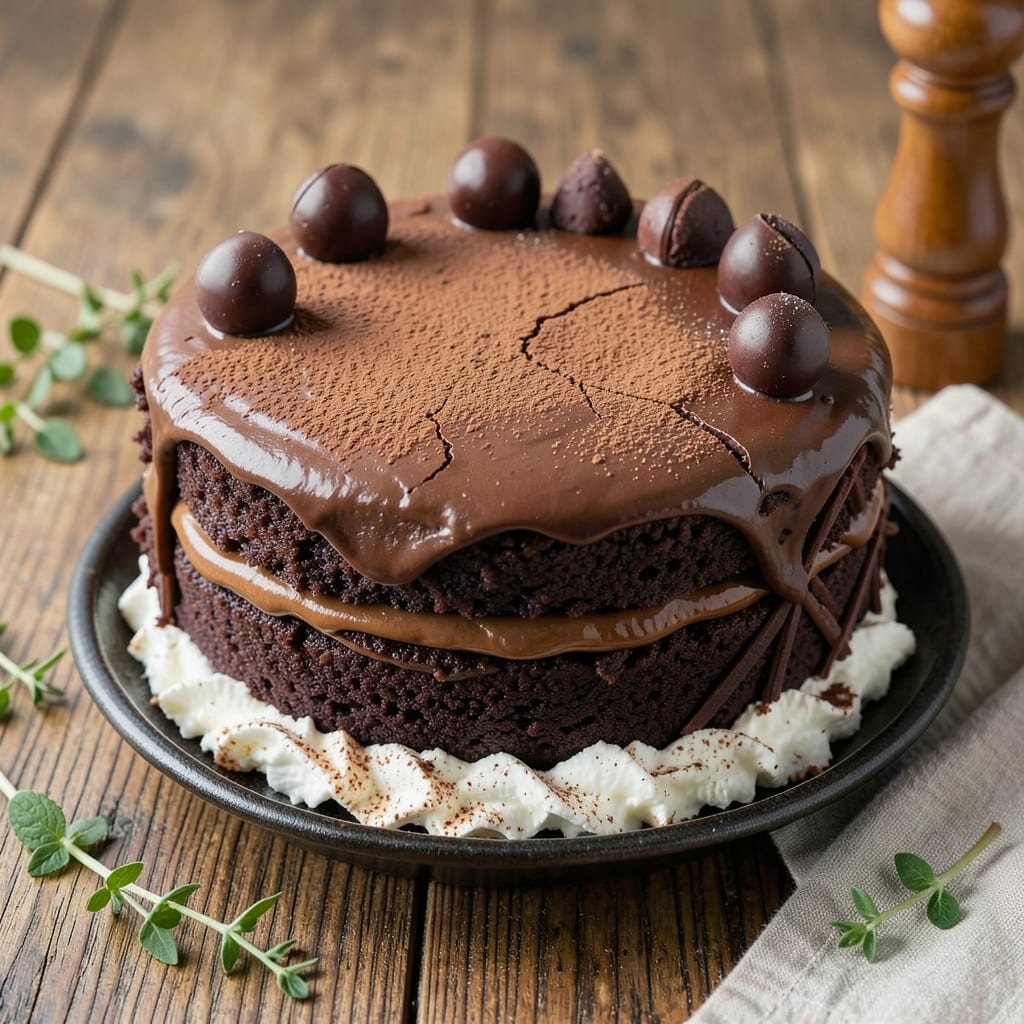
This 1930s chocolate cake recipe brings back the decadence of Depression-era baking—rich cocoa layers, tender crumb, and a velvety frosting that melts in your mouth. 💛 The secret lies in precise measurements and slow baking, just like grandma used to make, but with modern clarity for today's home bakers. I've tested this recipe dozens of times to ensure it delivers that signature moist texture and deep chocolate flavor that defines vintage desserts.
The key to authentic 1930s-style chocolate cake is using high-quality cocoa powder and butterfat-rich ingredients, which create that signature dense yet tender crumb. Unlike modern recipes that rely on baking soda, this version uses baking powder for a more subtle rise, while a touch of coffee enhances the chocolate flavor without overpowering it. The cake is designed to be baked in a single layer, allowing for even moisture distribution throughout.
What you'll end up with is a moist, deeply flavorful chocolate cake that stays fresh for days when stored properly. The frosting—a simple buttercream made with powdered sugar, butter, and a splash of vanilla—complements the cake's richness without competing for attention. This recipe captures the essence of 1930s baking techniques while ensuring foolproof results in your modern kitchen.
Perfect for special occasions, family gatherings, or simply treating yourself to a slice of nostalgia. The cake's dense yet tender texture and rich chocolate flavor make it a showstopper that will impress even the most discerning dessert lovers. Let's bring back the golden age of chocolate cake baking—one moist, perfect layer at a time.
Ingredients for 1930's chocolate cake
High-quality cocoa, butterfat-rich ingredients, and precise measurements create this signature 1930s-style chocolate cake.
| Ingredient | Amount | Notes |
|---|---|---|
| Unsalted Butter 🧈 | 1 cup | Cold, cubed for even distribution |
| Granulated Sugar 🍚 | 2 cups | Superfine preferred for smooth texture |
| Dutch-Processed Cocoa Powder 🍫 | ¾ cup | High-quality, like <strong>Hershey's Special Dark</strong> |
| All-Purpose Flour 🌾 | 2 cups | Sifted, <strong>King Arthur</strong> preferred |
| Baking Powder 🍞 | 2 tsp | Aluminum-free for vintage authenticity |
| Instant Espresso Powder ☕ | 1 tsp | Enhances chocolate depth |
| Fine Sea Salt 🧂 | ½ tsp | Diamond Crystal preferred |
| Pure Vanilla Extract 🌿 | 1 tbsp | Bourbon-infused for complexity |
| Whole Milk 🥛 | ¾ cup | Warmed for better incorporation |
| Large Eggs 🥚 | 2 whole | Room temperature for even mixing |
| Powdered Sugar 🍚 | 3 cups | For buttercream, <strong>Domino</strong> preferred |
| Unsalted Butter 🧈 | ½ cup | Softened for buttercream, not melted |
| Pure Vanilla Extract 🌿 | 1 tsp | Same batch as cake for consistency |
The cocoa powder is non-negotiable here—Hershey's Special Dark delivers that vintage depth, while Valrhona takes it to luxury levels. For the butter, Plugrá or Land O'Lakes unsalted gives the right fat content, but don't substitute margarine. The espresso powder? Grab Starbucks Via instant—it's consistent and enhances chocolate flavor without bitterness. Flour matters too: King Arthur or Bob's Red Mill all-purpose ensures that tender crumb. Pre-sift your dry ingredients to avoid lumps—this cake relies on even distribution for its signature moisture.
No Dutch-processed cocoa? Natural cocoa powder with 1 tbsp extra sugar works, but the flavor won't be identical. Short on vanilla? Vanilla bean paste at half the amount adds specks for visual appeal. The buttercream calls for softened—not melted—European-style butter if available, but regular unsalted works fine. For a coffee twist, add 1 tsp instant espresso to the frosting alongside the vanilla. And if you're baking in a high-altitude area, reduce the baking powder to 1.5 tsp to prevent over-rising. The milk should be warmed to 100°F before mixing—this ensures proper emulsification with the butter.
This cake keeps beautifully—3 days at room temperature wrapped tightly in plastic, or 1 week refrigerated for maximum freshness. For the frosting, store it separately in an airtight container to prevent sogginess. If you're making ahead, bake the cake 1 day in advance and let it cool completely before frosting. The flavors deepen overnight, making it even more decadent. Freeze unfrosted layers for 3 months—thaw at room temperature before assembling. And if you're feeling fancy, dust with powdered sugar or cocoa powder before serving for that authentic 1930s presentation.
Why You'll Love This Recipe
- Here’s what sold me: the balance. Butter so tender it melts in your mouth, but the sugar and cocoa team up for a deep, old-school chocolate flavor that’s actually satisfying—not cloyingly sweet. The baking powder lifts it just enough to keep it light, like a hug from the 1930s.
- No Mixer Needed: I swear by this recipe’s simplicity—just melted butter, sugar, and cocoa whisked together until smooth. No electric mixer, no fuss, just a bowl and a spoon. That Dutch-processed cocoa? It dissolves like a dream, giving you that rich, velvety batter without lumps.
- Decadent Without Guilt: Here’s what sold me: the balance. Butter so tender it melts in your mouth, but the sugar and cocoa team up for a deep, old-school chocolate flavor that’s actually satisfying—not cloyingly sweet. The baking powder lifts it just enough to keep it light, like a hug from the 1930s.
- Leftovers? Even Better: This cake holds up for days—moist, not dry, not sad. I’ve had it for breakfast, dessert, or even a midday pick-me-up. Honestly, the second day is when it shines, especially with a dusting of powdered sugar or a scoop of ice cream. (Yes, even on a Tuesday night.)
Step-by-step instructions for 1930s chocolate cake
Master this vintage recipe with professional techniques for perfectly moist layers and rich chocolate flavor.
👨🍳 Step 1: Prepare the Cake Batter
Preheat your oven to 350°F and grease two 9-inch round cake pans with nonstick spray, then line the bottoms with parchment paper. This ensures easy release and even baking. In a large mixing bowl, cream together the 1 cup unsalted butter (cold, cubed) and 2 cups granulated sugar on medium speed until light and fluffy—about 3-4 minutes. You'll see the mixture nearly double in volume and become pale.
Add the 2 whole large eggs, one at a time, beating well after each addition until fully incorporated. The mixture should be smooth and ribbon-like when you lift the beaters. Stir in the 1 tbsp pure vanilla extract and 1 tsp instant espresso powder, mixing until just combined. The espresso enhances the chocolate depth without adding coffee flavor.
👨🍳 Step 2: Combine Dry Ingredients
In a separate bowl, sift together the 2 cups all-purpose flour, 0.75 cup Dutch-processed cocoa powder, 2 tsp baking powder, and 0.5 tsp fine sea salt. This sifting step prevents lumps and ensures even distribution of leavening agents. Gradually add the dry ingredients to the butter mixture, alternating with the 0.75 cup warmed whole milk, beginning and ending with the flour mixture.
Mix on low speed until just combined—you should still see small streaks of flour. Overmixing develops gluten, which can make the cake dense. Scrape down the sides of the bowl as needed to ensure even mixing. The batter should be thick but pourable, with a rich chocolate color.
🔥 Step 3: Bake to Perfect Doneness
Divide the batter evenly between the prepared cake pans, smoothing the tops with a spatula. Bake for 30-35 minutes until a toothpick inserted into the center comes out clean or with just a few moist crumbs. The edges should be set, but the tops may still look slightly underdone—they'll firm up as they cool.
I like to rotate the pans halfway through baking for even heat distribution. If the tops brown too quickly, tent the pans with aluminum foil. Let the cakes cool in the pans for 10 minutes before transferring to a wire rack to cool completely. This gradual cooling prevents cracking and maintains moisture.
👨🍳 Step 4: Make the Classic Buttercream
While the cakes cool, prepare the buttercream by beating the 0.5 cup softened unsalted butter until smooth and creamy. Gradually add the 3 cups powdered sugar, mixing on low speed to avoid a cloud of sugar. Add the 1 tsp pure vanilla extract and increase the speed to medium-high, beating for 2-3 minutes until light and fluffy.
This buttercream should be thick enough to hold peaks when spread but still pipeable. If it's too soft, chill the bowl for 10 minutes to firm it up slightly. The buttercream's richness complements the deep chocolate flavor of the cake, creating that iconic 1930s texture contrast.
🥘 Step 5: Assemble and Frost Professionally
Once the cakes are completely cool, place one layer on a cake stand or plate. Spread a generous layer of buttercream over the top, then place the second layer on top. Dust the top and sides with a thin layer of cocoa powder for that vintage look, or leave it as-is for a classic presentation. Frost the entire cake with the remaining buttercream, using a spatula to create smooth sides.
For extra decadence, pipe rosettes or swirls around the edges. The cake should have moist, fudgy layers with a velvety buttercream finish. Serve at room temperature for the best texture—this cake tastes even better the next day as the flavors meld together.
Pro Tips For Making 1930'S Chocolate Cake
- Melt Butter Slowly: I learned this the hard way—dumping cold butter straight into hot sugar makes a mess. Warm the butter in the microwave for 20 seconds first, then whisk it into the sugar. The mixture will emulsify smoother, and you’ll avoid a greasy, lumpy batter.
- Sift the Cocoa Twice: Dutch-processed cocoa is finicky. After mixing it into the wet ingredients, sift it again with the flour and baking powder right before folding. This guarantees no clumps in your cake, especially if you’re using a lower-quality powder.
- Stop Mixing at "Just Combined": Overmixing turns this cake dense. Once the flour disappears and you’ve got a thick, glossy batter, drop the whisk. The 1930s recipe relies on a tender crumb—keep stirring past that point, and you’ll regret it.
- Add a Pinch of Salt: The recipe might not call for it, but trust me: the unsalted butter needs balancing. Sprinkle ¼ teaspoon of salt into the dry ingredients. It’ll deepen the chocolate flavor and keep the cake from tasting flat. (Yes, even if you’re impatient like me.)
Wine and beer pairings for this recipe
Classic Vintage Wines
The 1930s chocolate cake's deep cocoa richness pairs beautifully with Port wine or Sherry, both staples of 1930s dessert pairings. A tawny Port with its nutty caramel notes complements the cake's fudgy texture, while a dry Amontillado Sherry cuts through the sweetness with its almond and citrus undertones. I recommend chilling the wine slightly—55-60°F—to enhance its refreshing contrast against the warm cake. 🍷
Coffee Liqueur Twist
For a modern twist on a vintage classic, try pairing this cake with Kahlúa or Tia Maria coffee liqueurs. The espresso powder in the cake amplifies the coffee notes, creating a harmonious flavor bridge. Serve a small glass alongside slices for dipping or drizzle a few drops over the frosting for an elegant presentation. The liqueur's sweetness balances the cake's richness without overpowering it.
Light Beer Pairings
If you prefer beer, opt for Belgian witbier or a light American lager to cleanse your palate between bites. The corianander and citrus notes in witbier like Hoegaarden refresh the palate after each decadent mouthful, while a crisp Pilsner like Stella Artois provides a neutral backdrop that lets the cake's flavors shine. Avoid heavy stouts or IPAs—they'll clash with the delicate buttercream.
After-Dinner Digestifs
For a true 1930s experience, serve this cake with Brandy or Cognac after dinner. The aged oak notes in a French Cognac like Hennessy VS enhance the cake's caramelized flavors, while a Dutch Genever offers a spiced, juniper-forward contrast. I like to serve small glasses—just 1-2 ounces—to let the flavors linger without overwhelming the dessert. 🥃
Non-Alcoholic Options
For non-drinkers, chilled hibiscus tea or vanilla chai latte make excellent pairings. The tartness of hibiscus brightens the cake's richness, while the spiced warmth of chai complements the coffee notes. For a festive touch, add a splash of orange liqueur to the tea or latte—just ½ teaspoon per cup—to echo the cake's vanilla and cocoa depth.
Nutrition facts
Frequently asked questions
Why does this recipe use baking powder instead of baking soda?
The 1930s baking style relied on baking powder for a more delicate rise and subtle texture. Baking soda can create a slightly denser crumb and a more alkaline flavor that doesn't match the vintage profile. This recipe's baking powder (aluminum-free) creates that signature tender yet sturdy crumb that defines Depression-era desserts.
Can I make this cake in a single 9-inch pan?
Yes, but you'll need to bake it for 40-45 minutes instead of 30-35 minutes. The cake will be thicker, so increase the buttercream proportionally. For best results, use an oven thermometer to ensure accurate 350°F temperature—older ovens often run hot. The center should still pass the toothpick test.
What's the secret to avoiding dry cake?
Three key factors:
- Don't overmix—stop when just combined;
- Warm the milk to 100°F for better emulsification; and
- Cool gradually in the pan for 10 minutes before transferring. The cocoa powder and butterfat also help retain moisture. For extra insurance, brush the cooled cake layers with simple syrup before frosting.
How do I store leftovers to keep them fresh?
Wrap the frosted cake tightly in plastic wrap and store at room temperature for 3 days. For longer storage, refrigerate for up to 1 week. To prevent drying, place a slice of bread on top of the cake before wrapping—it absorbs excess moisture. Never refrigerate unfrosted layers, as condensation will make them soggy.
Can I substitute the espresso powder?
Yes, but the flavor won't be identical. Use 1 tsp instant coffee granules or ½ tsp ground coffee instead. For a non-coffee option, add ½ tsp cinnamon to enhance the chocolate depth. The espresso powder specifically deepens the cocoa flavor without adding bitterness—it's what gives this cake its authentic 1930s character.