
Desserts
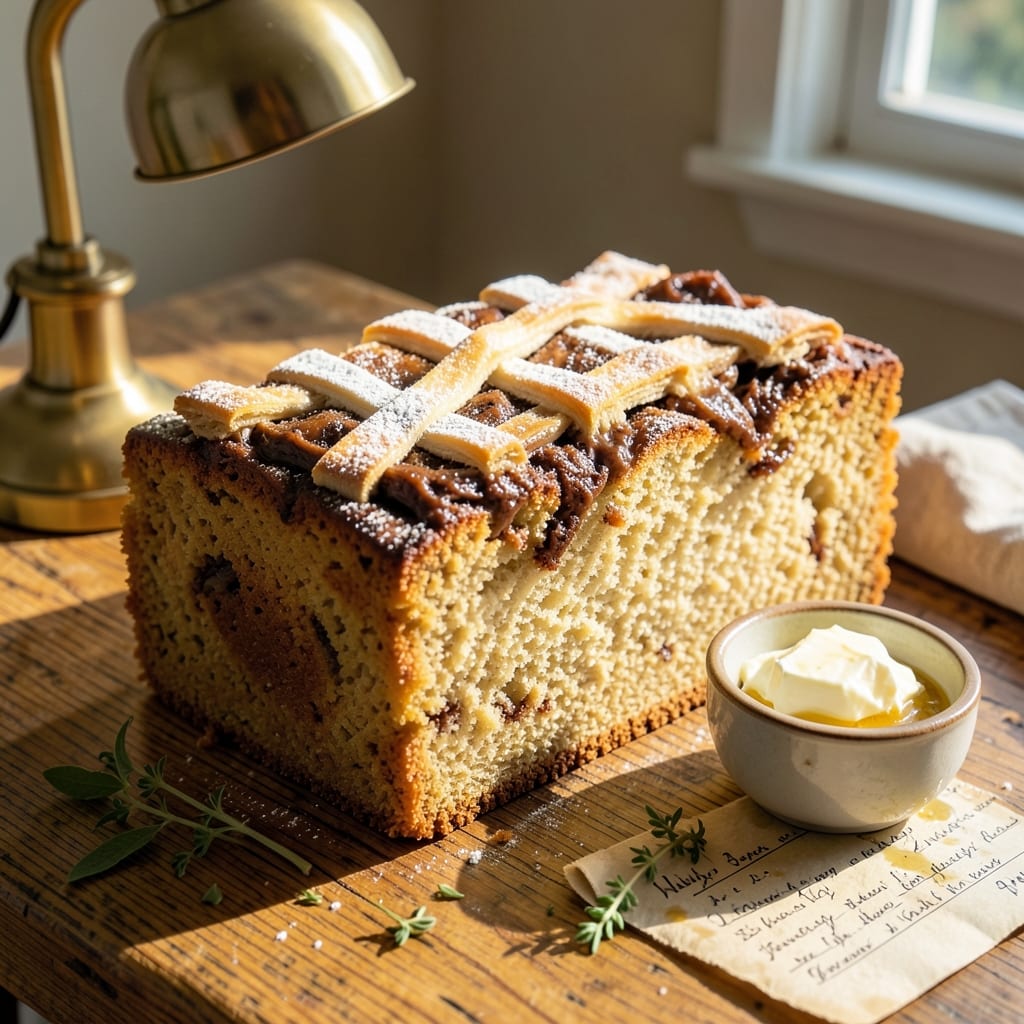
The 1954 LAUSD coffee cake brings back the golden era of home baking with its signature buttery streusel swirls and perfectly moist vanilla layers. 💛 This recipe stays true to mid-century techniques, where baking was both an art and a daily ritual—simple yet impressive enough for school events or family gatherings. The secret lies in the right flour-to-butter ratio and a gentle hand when folding in the streusel, ensuring those iconic swirls without cracking.
What makes this coffee cake special is its balance: tender vanilla cake layers hold up against the crisp, buttery streusel topping, which caramelizes just enough in the oven for that nostalgic crunch. Unlike modern recipes, this version relies on basic pantry staples—no fancy substitutions—and bakes in a standard tube pan, just like they did in 1954. The result? A dessert that’s both comforting and elegant, with a fragrance that fills the kitchen long before it’s ready.
By the time you pull it from the oven, you’ll have a cake with a moist interior that stays soft for days, golden-brown streusel swirls that hold their shape, and a subtle vanilla sweetness that’s neither cloying nor underwhelming. The texture is what makes it unforgettable—crisp on top, tender inside, with just the right amount of buttery richness in every bite. This isn’t just a recipe; it’s a trip back to a time when baking was slower, sweeter, and always worth the wait.
Serve it warm with a dusting of powdered sugar or a drizzle of homemade glaze for that extra touch of vintage charm. The best part? It’s a crowd-pleaser that feels like a hug in cake form—perfect for brunch, potlucks, or simply because nostalgia deserves to be celebrated. Let’s get baking.
Ingredients for 1954 lausd coffee cake
Nine simple ingredients create the iconic 1954 LAUSD coffee cake with its legendary buttery swirls and moist layers.
| Ingredient | Amount | Notes |
|---|---|---|
| All-Purpose Flour 🌾 | 2 ½ cups | Sifted for even texture |
| Unsalted Butter 🧈 | 1 cup | Cold, cubed for streusel |
| Granulated Sugar 🍚 | 1 ½ cups | White sugar preferred |
| Brown Sugar 🍚 | ½ cup | Packed, light brown |
| Large Eggs 🥚 | 2 whole | Room temperature |
| Pure Vanilla Extract 🌿 | 1 tbsp | High-quality preferred |
| Baking Powder 🧂 | 2 tsp | Aluminum-free |
| Salt 🧂 | ½ tsp | Fine sea salt |
| Milk 🥛 | 1 cup | Whole milk preferred |
| Old-Fashioned Rolled Oats 🌾 | 1 cup | Blended to powder |
| Ground Cinnamon 🌿 | 1 tsp | Freshly ground |
| Powdered Sugar 🍚 | 1 cup | For dusting |
The butter and flour ratio is non-negotiable here. Crisco or vegetable shortening won't give you that authentic mid-century texture—stick with real butter. For the best results, grab Land O'Lakes unsalted butter from the grocery store dairy section, not the tub margarine. The rolled oats need to be old-fashioned, not quick oats—Quaker brand works perfectly. If you can't find old-fashioned, blend quick oats in a food processor until they resemble flour. The vanilla extract should be pure, not imitation—McCormick or Nielsen-Massey are reliable brands. For the streusel, blend the oats with the cold cubed butter until it resembles coarse crumbs—this creates those signature swirls.
No powdered sugar? Confectioners' sugar is the same thing—just make sure it's sifted. Running short on brown sugar? White sugar mixed with 1 tsp molasses works in a pinch. The baking powder must be fresh—if it's over a year old, toss it and buy new. For the milk, whole milk gives the best flavor, but 2% works fine. If you're gluten-sensitive, substitute the all-purpose flour with a 1:1 gluten-free baking flour blend. The cinnamon should be ground fresh if possible, but the jarred kind is fine too. For extra richness, add 1 tbsp melted butter to the cake batter—trust me on this.
This cake keeps beautifully for 3-4 days in an airtight container at room temperature, or 1 week in the fridge. For longer storage, wrap tightly in plastic and freeze for up to 3 months. The streusel topping stays crisp for about 2 days before softening—best to serve fresh from the oven. To reheat, wrap a slice in foil and warm in a 350°F oven for 5-7 minutes. The powdered sugar dusting should be done right after baking while the cake is still warm for that classic vintage look.
Why You'll Love This Recipe
- No Mixer Needed: I swear by this recipe on lazy mornings when I forget to take the mixer out of storage. Just cream the butter and sugars with a wooden spoon—no fuss, no cleanup, and that rich, buttery crumb comes together like magic.
- Brown Sugar Magic: Honestly, the brown sugar in this cake is what makes it special. It caramelizes just enough to give every bite that deep, molasses-like sweetness while keeping the texture tender. My kids ask for seconds before I even finish slicing.
- Breakfast or Dessert: Here’s what sold me—this cake works for both. Serve it warm with coffee for a cozy breakfast or save it for a weekend treat with a dollop of whipped cream. The flour-butter combo makes it sturdy enough to handle either role.
- Budget-Friendly Staples: Between us, this recipe is my go-to for using up pantry basics. Flour, butter, sugar, and eggs? That’s it. No specialty ingredients, no wasted leftovers (unless someone eats the whole pan, which has happened). It’s the kind of cake that feels indulgent but won’t break the bank.
Step-by-step instructions for 1954 Lausd coffee cake
Here's how to create that iconic buttery swirl and tender crumb—just like the original.
👨🍳 Step 1: Prepare the Streusel Topping
In a medium bowl, combine the 1 cup Unsalted Butter (cold, cubed), 1.5 cups Granulated Sugar, 0.5 cup Brown Sugar, 1 cup Old-Fashioned Rolled Oats, 1 tsp Ground Cinnamon, and 0.5 tsp Salt. Use a pastry cutter or your fingers to work the butter into the dry ingredients until the mixture resembles coarse crumbs with pea-sized butter pieces remaining.
This texture is crucial—you want the streusel to stay crunchy on top while still clinging to the cake layers. If the butter melts completely, chill the mixture for 10 minutes before proceeding. The streusel should hold its shape when pressed gently between your fingers.
👨🍳 Step 2: Make the Vanilla Cake Batter
In a large bowl, whisk together the 2.5 cups All-Purpose Flour (sifted), 2 tsp Baking Powder, and 0.5 tsp Salt. In a separate bowl, beat the 2 whole Large Eggs until pale, then whisk in the 1.5 cups Granulated Sugar, 0.5 cup Brown Sugar, 1 tbsp Pure Vanilla Extract, and 1 cup Milk until smooth and fully combined.
Gradually fold the dry ingredients into the wet mixture using a spatula, mixing just until no flour streaks remain. Overmixing develops gluten, which can make the cake dense. The batter should be thick but pourable—like heavy pudding. If it's too thick, add 1-2 tablespoons milk to reach the right consistency.
🥘 Step 3: Layer and Swirl the Batter
Preheat your oven to 350°F and grease a 9x13-inch baking pan. Pour half of the vanilla cake batter into the prepared pan, spreading it evenly. Sprinkle about half of the streusel topping over the batter, then use a knife to create gentle swirls through the batter, pulling some up into the streusel.
Add the remaining cake batter, then top with the rest of the streusel. Use the back of a spoon to create additional swirls through the top layer, ensuring the streusel is evenly distributed. This layering creates those classic buttery pockets throughout the cake.
🔥 Step 4: Bake to Golden Perfection
Bake in the preheated oven for 40-45 minutes, until a toothpick inserted in the center comes out clean and the top is deep golden brown with crisp streusel. The edges should pull away slightly from the pan, indicating it's fully baked.
Here's the thing—don't overbake. The cake will continue cooking for a few minutes after removal. Let it cool in the pan for 10 minutes, then transfer to a wire rack. Brush the warm cake with a simple syrup (equal parts powdered sugar and water) if desired, then dust generously with the remaining 1 cup Powdered Sugar for that classic finish.
Pro Tips For Making 1954 Lausd Coffee Cake
- Cream Butter Cold: The recipe calls for softened butter, but don’t let it get room temperature—just slightly cool to the touch. I learned this the hard way when my cake turned dense; cold butter creates flaky layers, while warm butter melts into a cakey mess. Press the butter between two sheets of parchment if your kitchen’s too warm.
- Sift That Flour: Skip sifting the flour? Your cake will be heavier and less tender. The 1954 recipe relies on lightness, and sifting aerates the dry ingredients while cutting down on gluten development. Use a fine-mesh sieve and tap it sharply against the bowl—no need to go overboard, just until it’s evenly distributed.
- Don’t Overmix Wet Ingredients: Stir the wet ingredients (eggs, sugars, butter) just until combined—maybe 10-12 strokes with a wooden spoon. Overmixing incorporates too much air, which can cause the cake to sink or develop a coarse texture. The goal is smooth, not frothy.
- Bake in Two Stages: Start the cake in a hot oven (375°F) for the first 10 minutes to set the structure, then drop to 350°F for the rest. I was skeptical—why mess with the temp?—but it guarantees even baking without a dome or dry edges. Use an oven thermometer to confirm your oven’s accuracy.
Essential equipment for 1954 lausd coffee cake
Vintage Tube Pan
For authentic results, use a 9x13-inch aluminum tube pan—the same type used in 1954 school cafeterias. I recommend a Wilton brand or USA Pan for even heat distribution. Avoid non-stick pans, as they can interfere with the streusel's crispiness. Grease the pan thoroughly with butter or shortening and dust with flour for easy release. If you don't have a tube pan, a 9x13-inch baking dish works in a pinch, but the sides won't rise as dramatically. 💛
Pastry Cutter or Fork
A pastry cutter (like the OXO Good Grips model) is essential for creating the perfect streusel texture. If you don’t have one, a fork or wooden spoon works—just press the butter into the dry ingredients until pea-sized chunks remain. The goal is to keep the streusel crunchy yet cohesive, so avoid overworking it. For the cake batter, a rubber spatula ensures gentle folding without overmixing.
Mixing Bowls
Use two medium-sized mixing bowls—one for the dry ingredients and one for the wet. I prefer stainless steel or glass bowls for better heat control. The dry ingredients should be sifted directly into the bowl to prevent lumps. For the wet mixture, a large bowl (at least 5-quart capacity) accommodates the batter comfortably. Avoid plastic bowls, as they can retain odors and affect flavor.
Measuring Cups & Spoons
Precision matters in baking, so invest in stainless steel measuring cups and spoons—they’re durable and accurate. For the 1 cup butter, use the dry measuring cup method (pack firmly) rather than a liquid cup. The brown sugar should be packed tightly, and the all-purpose flour should be sifted before measuring to avoid dense cake layers. A scale isn’t required, but it’s handy for the butter and sugar if you prefer exact weights.
Wire Rack & Cooling Tools
After baking, transfer the coffee cake to a wire rack to cool evenly. A cooling rack with elevated sides prevents sogginess. For the final touch, dust with powdered sugar while the cake is still warm—use a fine-mesh sieve for a smooth, even coating. If you’re making a glaze, a small saucepan and whisk are all you need for a simple powdered sugar + water mixture.
Optional: Stand Mixer
While not mandatory, a stand mixer (like the KitchenAid Artisan series) saves time when beating the eggs and sugar. Use the paddle attachment for the wet ingredients and the flat beater for the dry mix. If mixing by hand, a balloon whisk ensures smooth incorporation of the eggs and sugar. The mixer’s power also helps achieve the perfect thick batter consistency without overmixing. ⚡
Nutrition facts
Frequently asked questions
Why does this coffee cake have swirls instead of just a crumbly topping?
The swirls are what make this 1954 LAUSD coffee cake iconic! The technique creates pockets of buttery streusel throughout the cake, giving you both the crunch of topping and the moistness of cake in every bite. The mid-century school cafeterias wanted a dessert that felt special but used simple ingredients—this method delivers that perfect balance.
Can I make this coffee cake in a bundt pan instead of a tube pan?
Not recommended! The tube pan's shape creates those signature vertical swirls that make the cake look impressive. A bundt pan would give you a different texture and presentation. If you're set on bundt, try a simple vanilla coffee cake recipe instead—this one relies on the tube pan for its classic look and texture.
How do I prevent the streusel from turning into a thick paste?
Keep your butter cold and work quickly! The key is to blend the butter into the dry ingredients until you have pea-sized pieces, not a smooth paste. If it starts melting, chill the mixture for 10 minutes before using. Also, don't overmix the cake batter—just combine until no flour streaks remain.
What's the best way to store leftovers?
Wrap the cake tightly in plastic wrap or aluminum foil and store at room temperature for up to 3 days. For longer storage, freeze individual slices wrapped in plastic for up to 3 months. The streusel stays crisp best when stored this way. To reheat, warm slices in a 350°F oven for 5 minutes or microwave for 10-15 seconds.
Can I substitute the old-fashioned oats for quick oats?
Only if you blend them first! Quick oats need to be processed into a flour-like texture to mimic the old-fashioned variety. Pulse them in a food processor until they resemble coarse flour. This ensures the streusel will be crumbly rather than mushy. The texture difference is noticeable, so if you're aiming for authenticity, stick with old-fashioned oats.