
Desserts
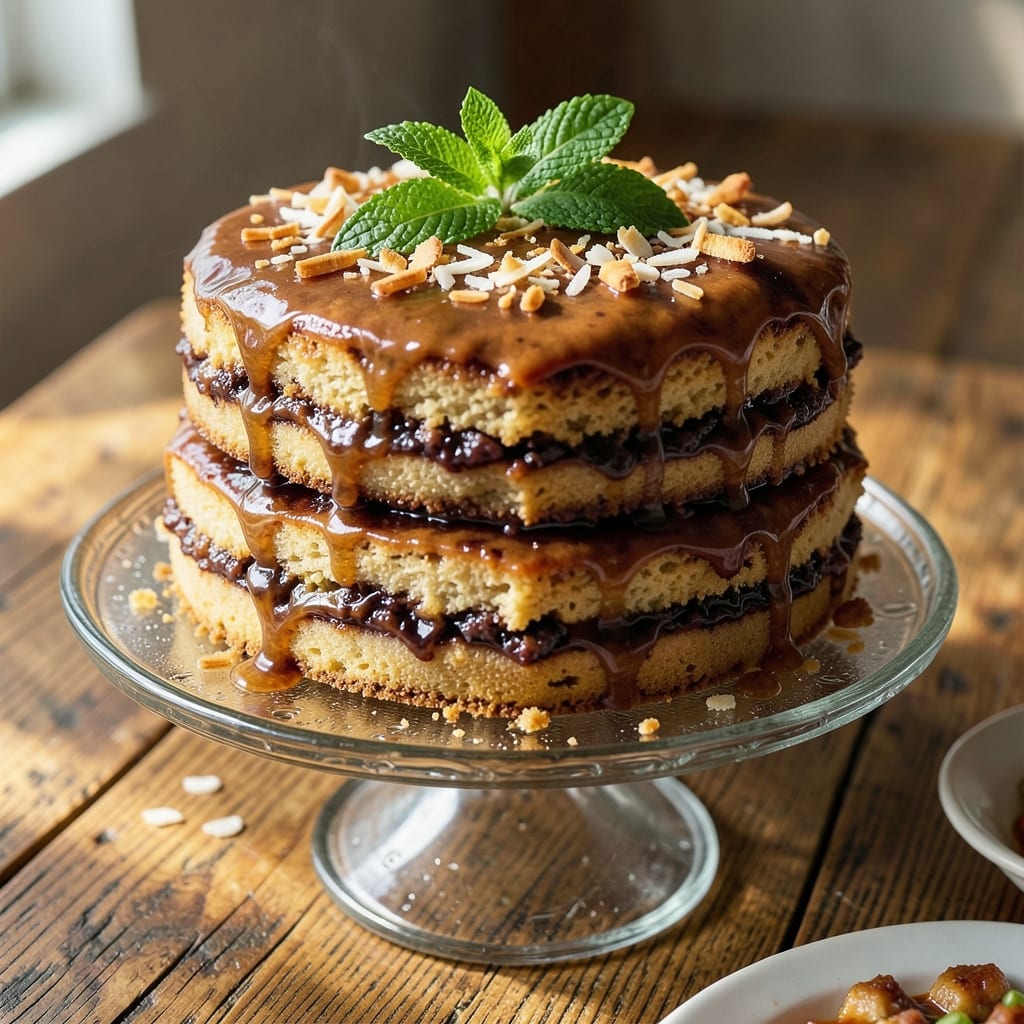
The 1970 Bacardi rum cake recipe brings back that nostalgic, boozy charm of 70s dessert tables—moist layers infused with rum, topped with caramelized magic that turns heads. This isn’t just a cake; it’s a trip down memory lane with every slice, where the alcohol cooks off just enough to leave a subtle, sophisticated kick without overpowering the rich, buttery texture. The secret lies in soaking the layers properly and mastering that signature caramelized top that crackles like a campfire treat.
What makes this recipe stand out is its balance—moist yet not soggy, boozy yet not overwhelming, and rich without being heavy. The cake layers stay tender thanks to a precise blend of flour, sugar, and eggs, while the rum soak adds depth without drying out the texture. And that caramelized top? It’s the showstopper, creating a crispy, golden crust that contrasts beautifully with the soft cake beneath.
Safety is key when baking with alcohol, so we’ll cover how to handle rum properly—from measuring to baking—to ensure your kitchen stays safe while delivering that authentic 70s flavor. The result? A dessert that’s perfect for gatherings, holidays, or just treating yourself to a slice of nostalgia. Let’s get baking!
This recipe isn’t just about the taste—it’s about the experience. The aroma of rum and vanilla filling the kitchen, the crack of the caramelized top when you cut into it, and the way it pairs perfectly with coffee or a glass of dessert wine. Every step is designed to bring that classic Bacardi cake back to life, just like it was meant to be.
Ingredients for 1970 bacardi rum cake
Classic 70s flavors meet modern baking—rich layers, boozy depth, and that signature caramelized crackle.
| Ingredient | Amount | Notes |
|---|---|---|
| All-Purpose Flour 🌾 | 3 cups | Sifted for light texture |
| Granulated Sugar 🍚 | 2 cups | White or light brown |
| Light Brown Sugar 🍚 | 1 cup | Packed firmly |
| Unsalted Butter 🧈 | 1 ½ cups | Room temperature, full-fat |
| Large Eggs 🥚 | 4 whole | Room temperature |
| Bacardi Rum (151 proof) 🍹 | 1 cup | Dark or gold variety |
| Vanilla Extract 🌿 | 2 tsp | Pure, high-quality |
| Baking Powder 🧂 | 2 tsp | Diamond Crystal preferred |
| Salt 🧂 | ½ tsp | Fine sea salt |
| Granulated Sugar (for caramel) 🍚 | 1 cup | For caramelized top |
| Heavy Cream 🥛 | ½ cup | Full-fat for richness |
| Dark Brown Sugar (for caramel) 🍚 | ¼ cup | Packed firmly |
| Vanilla Bean Paste 🌿 | 1 tsp | Optional for depth |
| Pecans (optional garnish) 🌰 | ½ cup | Toasted, chopped |
The rum is non-negotiable for that authentic 70s taste, but Bacardi 151 proof delivers the best balance of flavor and alcohol content. Trader Joe's and World Market carry it reliably, or check the liquor store's rum section. For the caramelized top, dark brown sugar adds depth—don't sub light brown here. The vanilla bean paste isn't mandatory, but it elevates the flavor profile significantly. If you can't find it, double the extract. Pecans are optional but add a lovely crunch if you're feeling fancy.
No Bacardi? Spiced rum or dark rum works in a pinch, though the flavor will differ slightly. For the caramel top, if you're worried about burning, use a candy thermometer and stop at 320°F. The butter must be room temperature—cold butter creates dense layers. For a lighter texture, sift the flour before measuring. And if you're baking for a crowd, double the recipe—this cake reheats beautifully.
Store the cake in an airtight container at room temperature for up to 5 days. For longer storage, wrap tightly in plastic and refrigerate for 1 week. The caramelized top stays crisp for about 24 hours, so serve it the day you bake. If reheating, cover with foil for 10 seconds to prevent over-browning. The rum soak means the cake improves with age—wait 4-6 hours before slicing for the best texture.
Why You'll Love This Recipe
- Pantry-Friendly Magic: I swear by this cake because it uses what’s already in my cupboard—no specialty items, just flour, sugar, and butter. The brown sugar and rum add depth without extra shopping trips.
- Moist Without Fuss: That rich butter-and-egg combo keeps it tender for days, but here’s the kicker: no one suspects how simple it is. The rum soaks in just enough to make every slice feel like a little vacation.
- Birthday or Breakfast: Serve it warm with ice cream for a party, or slice it cold for a weeknight dessert. Honestly, the only wrong time to eat it is never—it’s that reliable.
- Budget Booster: A single cake feeds six, and leftovers? They’re my secret weapon for lazy mornings. The butter and sugar stretch far, so I’m always stocked for emergencies (or cravings).
Step-by-step instructions for 1970 Bacardi rum cake
This classic rum cake delivers legendary moistness and a caramelized top—here's how to nail it every time.
Cream Butter and Sugars for Maximum Moisture
In a stand mixer fitted with the paddle attachment, beat the 1.5 cups unsalted butter and 2 cups granulated sugar on medium speed for 3-4 minutes until light and fluffy. The mixture should nearly triple in volume and become pale, with ribbons forming when the paddle is lifted. This thorough creaming ensures the cake's signature moist texture.
Add the 1 cup light brown sugar and continue mixing for another 2 minutes until fully combined. The brown sugar adds depth of flavor while maintaining the cake's tenderness. Scrape down the sides of the bowl with a rubber spatula to ensure even mixing. I press down gently on the butter mixture during this process—this prevents air pockets that could lead to a dense cake.
Incorporate Eggs and Rum for Rich Flavor
Add the 4 whole large eggs, one at a time, mixing on low speed for 30 seconds after each addition. This gradual addition prevents the eggs from scrambling. After all eggs are incorporated, add the 1 cup Bacardi rum (151 proof) and 2 teaspoons vanilla extract, mixing on low speed for 1 minute until just combined.
Here's the thing—don't rush this step. The rum needs time to fully integrate, and the vanilla should dissolve completely. I've found that using room-temperature eggs prevents curdling and ensures a smoother batter. The rum's bold flavor will infuse throughout the cake, creating that signature boozy character.
Combine Dry Ingredients and Create the Batter
In a separate bowl, whisk together the 3 cups all-purpose flour, 2 teaspoons baking powder, and 0.5 teaspoon salt. Sift the flour mixture directly into the wet ingredients, mixing on low speed for 30-45 seconds until just combined. Overmixing develops gluten, which can make the cake tough.
Remove the bowl from the mixer and gently fold in the 1 teaspoon vanilla bean paste (if using) with a rubber spatula. The vanilla bean paste adds an extra layer of complexity that pure extract can't match. The batter should be thick but pourable—if it looks too stiff, don't worry. The cake will rise beautifully in the oven.
Prepare the Caramel Topping
In a small saucepan, combine the 1 cup granulated sugar (for caramel), 0.25 cup dark brown sugar (for caramel), and 0.5 cup heavy cream. Bring to a boil over medium-high heat, stirring constantly with a wooden spoon. Once boiling, reduce heat to medium and cook for 5-7 minutes, stirring frequently, until the mixture thickens to a golden caramel color.
Remove from heat and stir in the 1 teaspoon vanilla bean paste (if not already added to the batter). The caramel should be glossy and thick enough to hold its shape when poured. If it's too thin, cook it for another minute. This topping is what creates the signature crackly crust—don't skip this step or the cake won't have that authentic 1970s texture.
Bake and Create the Caramelized Top
Preheat your oven to 350°F and grease a 9x13-inch baking dish thoroughly with butter, then dust with flour. Pour half of the batter into the prepared dish and spread evenly. Spoon the caramel topping over the batter, then pour the remaining batter over the caramel. Gently swirl with a knife to create a marbled effect.
Bake for 45-50 minutes until the edges are golden brown and a toothpick inserted in the center comes out clean. The cake should spring back slightly when pressed gently. Here's where it gets magical—the caramel will bubble and create that beautiful crackly top. If the caramel starts to darken too quickly, tent the dish with foil to prevent over-browning.
Cool and Garnish for Perfect Presentation
Remove the cake from the oven and let it cool in the pan for 15 minutes. Then transfer it to a wire rack to cool completely. The cake will be moist and tender, with a crackly caramelized top that's irresistible. Once fully cooled, sprinkle with 0.5 cup toasted, chopped pecans (if using) for added texture and visual appeal.
This cake keeps well at room temperature for up to 3 days, though I promise it won't last that long. The rum flavor intensifies as it sits, making each slice more delicious with time. Serve with a dusting of powdered sugar or a dollop of whipped cream for the ultimate presentation.
Pro Tips For Making 1970 Bacardi Rum Cake
- Cream Butter Properly: The 1970 recipe calls for softened butter, but don’t just eyeball it—press your thumb into the center of a stick. If it springs back slowly, you’re good. If it leaves a dent, it’s too soft (and will make your cake greasy). I learned this the hard way when my cake turned out more like a dense, oily brick.
- Mix Dry Ingredients First: Whisk flour, baking powder, and salt together before adding wet ingredients—this prevents lumps and ensures even distribution. I used to skip this, and my cake always had weird texture pockets. Trust me, 30 seconds of whisking now saves you from a gummy mess later.
- Don’t Overmix the Batter: Once you fold in the rum-soaked cake layers, stop mixing the moment everything is just combined. Overmixing develops gluten and turns your cake tough. I’ve seen people beat this batter like they’re making pancakes—don’t be that person.
- Chill Before Baking: Let the assembled cake sit in the fridge for at least 30 minutes before baking. This keeps the layers from sliding and helps the rum flavor distribute evenly. I was skeptical until I tried it—now I never skip this step. (Yes, even if you’re impatient like me.)
Pro cooking tips for 1970 bacardi rum cake
Rum Safety First
Never bake with alcohol near open flames or high heat—Bacardi 151 proof has a flashpoint of 122°F, meaning it can ignite if exposed to heat sources. Always preheat your oven fully before adding the cake, and avoid placing the rum-soaked batter near the oven's heating elements. I recommend using a candy thermometer when making the caramel topping to prevent overheating. 🔥
For extra safety, measure the rum directly into the batter using a liquid measuring cup—this prevents spills and reduces alcohol fumes in your kitchen. If you're concerned about alcohol content, let the cake cool completely before slicing, as most of the alcohol evaporates during baking. The final product will have a subtle boozy aroma, not a strong one.
Layer Soaking Secrets
The key to a perfectly moist rum cake lies in soaking the layers properly. After baking, poke holes all over the cake with a skewer or fork, then brush 2-3 tablespoons of rum over the top. Let it sit for 10 minutes before repeating—this ensures the rum penetrates deeply without making the cake soggy. I like to do this twice for maximum flavor infusion. 💧
For an even more intense rum flavor, make a simple syrup by combining ½ cup granulated sugar with ½ cup Bacardi rum in a small saucepan. Heat gently until the sugar dissolves, then let it cool before brushing over the cake. This syrup adds moisture and a caramelized depth that takes the cake to the next level.
Caramel Top Mastery
The caramelized top is what makes this cake legendary, but it's also the trickiest part. To achieve that perfect crackly crust, cook the caramel until it reaches 320°F on a candy thermometer—this ensures it's thick enough to hold its shape when poured. If you don't have a thermometer, watch closely: the caramel should pull into soft balls when dropped into cold water. 🌡️
When spreading the caramel over the batter, work quickly but carefully. The caramel sets fast, so pour it evenly and use a spatula to smooth the top before adding the second layer of batter. For a marbled effect, gently swirl the batter and caramel with a knife—this creates visual appeal and balances the flavors in every bite.
Oven Temperature Tips
Your oven's accuracy is critical for this recipe. If your oven runs hot, reduce the temperature to 325°F to prevent over-browning. I test my oven's accuracy by baking a simple cake temperature test (a plain cake batter) and adjusting as needed. A digital oven thermometer is a game-changer—place it near the heating element while preheating to ensure it's at the correct temperature. ⚡
For even baking, rotate the pan halfway through the baking time. This ensures the edges and center cook uniformly. If you notice the caramel browning too quickly, tent the cake with aluminum foil to slow the process. The goal is a golden, crackly top, not a burnt one—patience is key here.
Room-Temp Ingredients
Room-temperature butter and eggs are non-negotiable for this cake. Cold butter creates dense layers, while cold eggs can curdle in the batter. To speed up the process, place butter in a bowl of warm water for 10-15 minutes until soft but not melted. Eggs should sit at room temperature for at least 30 minutes before using. I like to take them out of the fridge while I'm preheating the oven. 🥚
If your kitchen is cold, run warm water in the sink and place the eggs in a bowl for 5-10 minutes—this ensures they're at the right temperature without over-heating. The same goes for the butter: never microwave it, as this can cause uneven melting. The goal is a smooth, creamy texture that mixes effortlessly into the batter.
Post-Bake Perfection
Let the cake cool in the pan for 15 minutes before transferring it to a wire rack. This prevents the caramelized top from cracking as it cools. Once fully cooled, store it in an airtight container at room temperature for up to 5 days. The rum flavor actually improves as it sits, so waiting 4-6 hours before slicing is worth it for the best texture. 💫
For serving, dust the top with powdered sugar or garnish with toasted pecans for extra flair. If you're making this ahead of time, wrap it tightly in plastic wrap and refrigerate—it reheats beautifully in the oven at 300°F for 10-15 minutes to restore the caramel's crispness.
Nutrition facts
Frequently asked questions
Can I substitute Bacardi rum with another type of rum?
You can use other dark or spiced rums, but Bacardi 151 proof delivers that authentic 70s flavor. For a similar effect, try dark rum or spiced rum, though the taste will differ slightly. Avoid light rums—they lack the depth needed for this cake. If substituting, use the same amount (1 cup) for best results.
Why does the cake need to rest before slicing?
Resting allows the rum to fully infuse and the layers to set properly. Waiting 4-6 hours ensures the cake holds its shape and flavor, preventing crumbling. The caramelized top also needs time to firm up slightly—this creates that perfect crackly texture when sliced. Patience here makes all the difference!
How do I prevent the caramel top from burning?
Use a candy thermometer to monitor the caramel's temperature (320°F is ideal). If your oven runs hot, reduce the temperature to 325°F and tent the cake with foil if needed. Work quickly when pouring the caramel—it sets fast! For extra insurance, spread the caramel evenly before adding the second batter layer.
Can I make this cake without alcohol?
Yes! Replace the rum with ½ cup apple juice + ½ cup water to mimic the moisture. For flavor, add 1 teaspoon vanilla extract + 1 teaspoon cinnamon. The texture will still be moist, but the boozy depth will be missing. If serving to kids or non-drinkers, this works beautifully.
How do I store leftovers to keep them fresh?
Store in an airtight container at room temperature for up to 5 days. For longer storage, refrigerate wrapped tightly for 1 week. To revive the caramel top, reheat slices at 300°F for 10-15 minutes covered with foil. The rum flavor actually improves with time, so leftovers often taste even better!