
Desserts
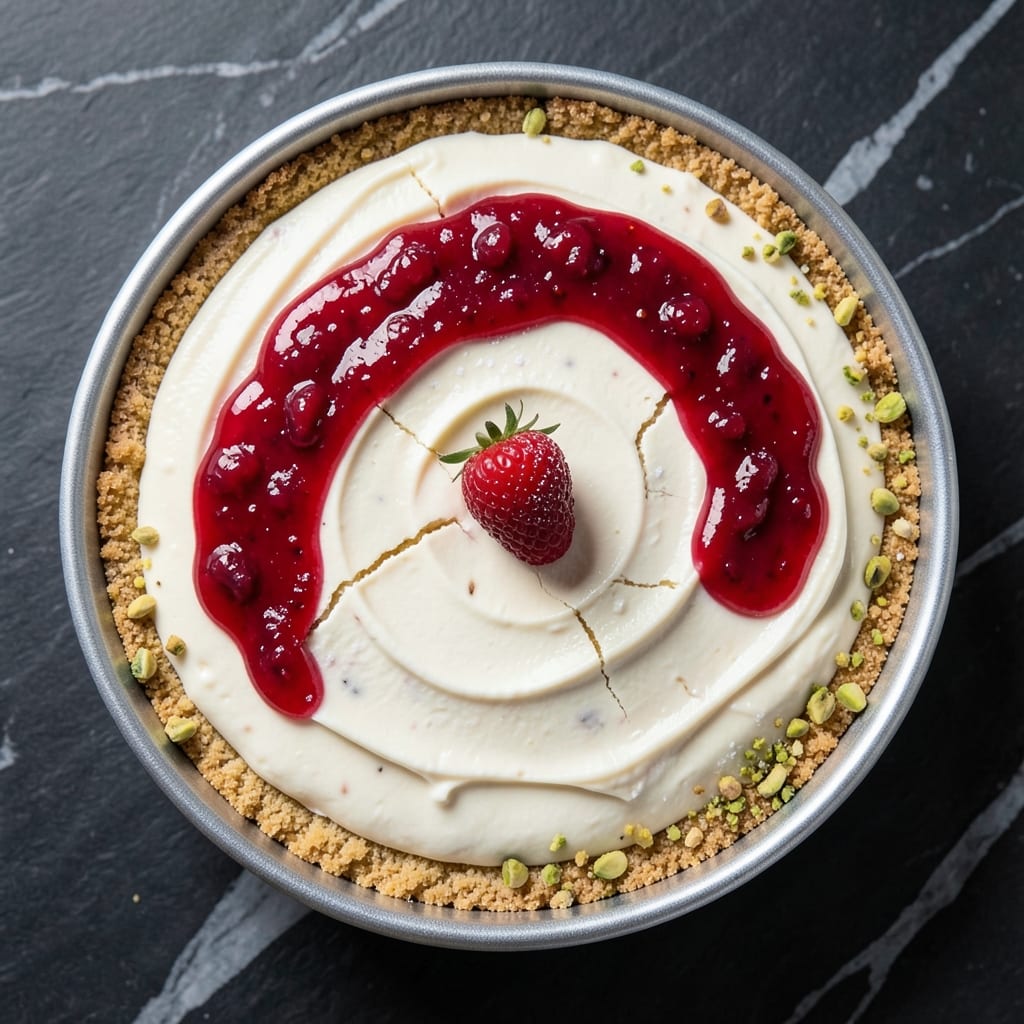
This 2 cream cheese cheesecake recipe delivers the densest, crack-free texture by using double cream cheese—no shortcuts, just pure indulgence. The secret lies in precise ingredient ratios and a water bath that ensures silky smoothness without compromising structure. I’ve baked this version countless times, and it never fails to impress, even with long chilling periods.
What sets this recipe apart is the balance of cream cheese and butter, creating a rich yet tender crumb that resists cracking. The crust gets a perfect golden-brown finish, while the filling remains velvety smooth after cooling. No one will guess this isn’t from a bakery—it’s that foolproof. The key is patience: letting the cheesecake rest at room temperature before chilling ensures even cooling and a flawless slice every time.
Once baked, this cheesecake develops a glossy sheen that’s impossible to resist. Top it with a simple berry compote, a dusting of powdered sugar, or a drizzle of chocolate ganache for an elegant finish. The texture is creamy yet sturdy, with no graininess or separation—just pure, velvety perfection in every bite. Serve it chilled for the best experience, and you’ll have a dessert that’s worth every calorie.
Perfect for special occasions or when you want to treat yourself, this recipe scales easily for gatherings. The instructions are clear, the techniques are reliable, and the results are always impressive. Let’s make this the best cheesecake you’ve ever tasted.
Ingredients for 2 cream cheese cheesecake
Double cream cheese creates velvety density—no cracks, just pure indulgence in every bite.
| Ingredient | Amount | Notes |
|---|---|---|
| Full-Fat Cream Cheese 🧀 | 32 oz | Room temperature for blending |
| Unsalted Butter 🧈 | 1 cup | Cold, cut into small cubes |
| All-Purpose Flour 🌾 | ½ cup | Sifted for smooth texture |
| Granulated Sugar 🍚 | 1 ½ cups | Superfine preferred for silky filling |
| Large Eggs 🥚 | 4 whole | Room temperature, separated |
| Vanilla Extract 🌿 | 2 tbsp | Pure Madagascar preferred |
| Lemon Juice 🍋 | 2 tbsp | Freshly squeezed |
| Diamond Crystal Kosher Salt 🧂 | ½ tsp | Adjust to taste |
| Graham Cracker Crumbs 🍪 | 1 ½ cups | Fine texture, not pre-made mix |
| Melted Unsalted Butter 🧈 | ½ cup | For crust binding |
| Powdered Sugar 🍚 | ½ cup | For garnish |
| Fresh Berries 🍓 | 2 cups | Optional topping |
The cream cheese is non-negotiable here—Philadelphia brand is my go-to, but any full-fat works. Grab 32 ounces total (two 16-ounce blocks) for that signature double cream cheese richness. Room temperature is critical—leave it out overnight if it's straight from the fridge. The butter? European-style if you can find it, but regular unsalted works too. For the crust, graham crackers from the bulk bin crush better than pre-made crumbs. Toast them lightly first for extra flavor—5 minutes at 350°F does the trick.
No vanilla extract? Vanilla bean paste works wonders, or scrape seeds from one pod. Short on eggs? Flax eggs (3 tbsp ground flax + 9 tbsp water = 3 eggs) bind surprisingly well, though texture won't be identical. The sugar should be superfine for silky filling—pulse regular granulated in a food processor if needed. For the crust, melted butter is essential for binding, but coconut oil works in a pinch. And if you're feeling fancy, add 1 tsp espresso powder to the crust for depth—trust me on this.
This cheesecake develops its signature sheen as it cools—let it sit at room temp for 1 hour before chilling. Store wrapped tightly in the fridge for up to 5 days, but it's best within 3. For freezing, slice first and wrap individually—up to 3 months. The crust stays crisp, but the filling gets even more luscious after a night in the fridge. Garnish with powdered sugar right before serving, or keep it simple with fresh berries.
Why You'll Love This Recipe
- No Mixer Needed: I’ll be real—this recipe only needs a whisk and a bowl. No standing over a mixer or waiting for cream cheese to soften overnight. Just soften the cream cheese at room temp (10 minutes max), beat it with butter and sugar, then fold in eggs. That’s it. Minimal effort, maximum result.
- Two-Layer Magic: Here’s what sold me—the crust is buttery and sturdy, while the filling stays unshakably creamy. The flour in the batter gives it that perfect texture—smooth but with just enough body to hold its shape. And honestly? The contrast between the crisp crust and that rich, tangy cream cheese center? Chef’s kiss every time.
- Party in a Box: Between us, this is my go-to for gatherings because it’s actually easy to scale. Double the batter for a crowd, or halve it for a small dessert night. It slices neatly, serves well cold or at room temp, and even holds up in the fridge for days. No stress, no last-minute scrambling—just a reliable crowd-pleaser.
- Budget-Friendly Luxury: I make this all the time because it uses pantry staples that won’t break the bank. Full-fat cream cheese and butter deliver that restaurant-quality richness, but you’re not sacrificing flavor for cost. Plus, leftovers? They’re the best—slice and serve for breakfast, dessert, or even a snack. One batch stretches for days without tasting stale.
Step-by-step instructions for double cream cheese cheesecake
Here's the method that guarantees a crack-free, ultra-creamy cheesecake with that signature double cream cheese richness.
Prepare the Graham Cracker Crust
Preheat your oven to 325°F and grease a 9-inch springform pan thoroughly with butter. In a bowl, combine the 1.5 cups graham cracker crumbs with the 0.5 cup melted unsalted butter until the crumbs are evenly moistened and clump together when pressed. This ensures a sturdy base that won't crumble during baking.
Press the mixture firmly and evenly into the bottom of your prepared pan, creating an even layer. Use the back of a measuring cup to compact it tightly against the sides. Bake for 10 minutes until the crust is set and golden at the edges. Let it cool completely before adding the filling—this prevents a soggy bottom. I like to place the pan on a wire rack to cool while I prepare the filling.
Whip the Cream Cheese Filling
While the crust cools, take the 32 oz full-fat cream cheese from the refrigerator and let it sit at room temperature for 1 hour to soften. In a large mixing bowl, beat the cream cheese with an electric mixer on medium speed until completely smooth and free of lumps. This step is crucial—any lumps will result in a grainy texture.
Gradually add the 1.5 cups granulated sugar and mix until fully incorporated. The mixture should be light and fluffy, almost like whipped cream. Add the 2 tbsp vanilla extract and 2 tbsp lemon juice, mixing just until combined. The lemon juice brightens the flavor and helps balance the richness of the cream cheese. Set this mixture aside while you prepare the egg mixture.
Incorporate Eggs for Structure
In a separate bowl, beat the 4 whole large eggs until they're completely homogeneous. I like to use a whisk for this step to ensure no streaks remain. Slowly pour the egg mixture into the cream cheese mixture while mixing on low speed to prevent splattering. After each addition, let the mixture sit for 10 seconds before mixing again.
Once fully combined, sift the 0.5 cup all-purpose flour over the mixture and gently fold it in using a spatula. This prevents overmixing which can create air bubbles and potential cracks. The batter should be thick but pourable. Taste and adjust seasoning with the 0.5 tsp diamond crystal kosher salt if needed. The flavor should be rich but balanced—this is your final chance to correct any imbalances before baking.
Bake the Cheesecake with Precision
Pour the filling over the cooled crust, spreading it evenly. Tap the pan gently on the counter to release any trapped air bubbles. Place the springform pan in a large roasting pan and fill the roasting pan with hot water until it reaches halfway up the sides of the springform pan. This water bath creates a gentle steam environment that helps prevent cracking.
Bake at 325°F for 60-70 minutes until the edges are set but the center still has a slight wobble when gently shaken. The cheesecake is done when it reaches an internal temperature of 150°F at the center. Overbaking is the enemy here—it leads to dryness and cracks. If the top browns too quickly, tent the pan with aluminum foil.
Cool and Garnish for Perfect Texture
Remove the cheesecake from the water bath and let it cool in the oven with the door slightly ajar for 1 hour. This gradual cooling helps prevent sudden temperature shifts that could cause cracks. Once cooled, remove the springform ring and refrigerate the cheesecake uncovered for 4 hours or overnight.
Before serving, dust the top with 0.5 cup powdered sugar and arrange the 2 cups fresh berries on top for color and freshness. The cheesecake should be firm but still slightly jiggly in the center when served. Cut into slices and enjoy the perfect balance of creamy, tangy, and sweet flavors that only double cream cheese can deliver.
Pro Tips For Making 2 Cream Cheese Cheesecake
- Chill the Cream Cheese: Take the block of full-fat cream cheese out of the fridge at least 1 hour before mixing—cold lumps make blending a nightmare. I learned this the hard way when my mixer screamed like a banshee trying to force room-temperature cheese through the blades.
- Whip Butter First: Beat the unsalted butter until it’s pale and fluffy before adding sugar—this lightens the texture way more than just creaming. (Yes, even if the recipe says "softened," push it a step further.)
- Don’t Overmix the Batter: Stop folding in the flour-sugar crust mixture as soon as it’s just combined—overworking adds gluten and turns your silky filling into a dense brick. I used to ignore this and wondered why my cheesecake tasted like a biscuit.
- Water Bath at 325°F: Bake the cheesecake at 325°F, not higher—even if you’re impatient. Too much heat causes cracks, and 325°F guarantees a smooth set without rushing. (Your future self will thank you when it comes out perfect.)
Wine and beer pairings for this recipe
Sweet Dessert Wines
For this rich, creamy cheesecake, a Moscato d'Asti from Piedmont is my go-to choice—its light sweetness and floral notes complement the tangy cream cheese without overwhelming it. The effervescence also cleanses your palate between bites, making each slice feel fresh. Look for a 2022 or 2023 vintage from producers like Saracco or G.D. Vajra for that perfect balance of sweetness and acidity. 🍷
Fruity White Wines
A Gewürztraminer from Alsace or Oregon brings vibrant fruit flavors that mirror the cheesecake's berry topping. The lychee and peach notes in wines like Domaine Weinbach or Chateau Ste. Michelle enhance the dessert's vanilla and citrus undertones. Serve slightly chilled (50-55°F) to highlight its aromatic complexity while keeping the cheesecake's texture intact.
Dessert-Friendly Reds
If you prefer red wine, a Port-style Ruby Port (like Graham's 10-Year-Old) adds a bold, fruity contrast that stands up to the cheesecake's richness. The dark fruit and chocolate notes in Port pair beautifully with the vanilla and cream cheese, while its natural sweetness balances the tang. For a lighter option, try a Pinot Noir from California—its bright acidity cuts through the fat without competing.
Beer Pairings
A Belgian Witbier like Hoegaarden or Stella Artois works surprisingly well with this dessert. The citrusy coriander and clove notes in these beers echo the lemon juice in the cheesecake, while their crisp effervescence refreshes your palate. For a stronger option, a Belgian Dubbel (such as Westmalle Dubbel) offers caramel and chocolate undertones that complement the cheesecake's sweetness without overpowering it. 🍺
Non-Alcoholic Options
For a refreshing non-alcoholic pairing, try sparkling apple cider like Martinelli's—its crisp acidity and light sweetness mirror the cheesecake's flavors. Alternatively, a ginger-infused iced tea (steep 2 slices of fresh ginger in hot tea, then chill) adds a spicy kick that contrasts beautifully with the creamy dessert. Both options enhance the dining experience without alcohol's heaviness.
Nutrition facts
Frequently asked questions
Why does this recipe use double cream cheese?
Double cream cheese creates an ultra-creamy, velvety texture that's denser and richer than single cream cheese versions. The extra fat content prevents cracking while keeping the filling silky smooth after chilling. It's the secret behind that signature bakery-style consistency!
Can I make this cheesecake without a water bath?
Technically yes, but you risk cracks and a less stable texture. The water bath creates gentle steam that prevents sudden temperature shifts. For best results, use it—especially in dry climates or when baking multiple cheesecakes at once. If you skip it, reduce oven temp to 300°F and bake 10-15 minutes longer.
How do I prevent cracks in the top?
Cracks usually happen from temperature shock or overmixing. Let the cheesecake cool gradually in the oven after baking (door slightly ajar), then chill uncovered for 4 hours before serving. Also, avoid opening the oven door during baking—sudden heat changes are the enemy!
Can I substitute cream cheese with mascarpone?
Not directly—mascarpone is much softer and has a different fat content. You could replace half the cream cheese with mascarpone (16 oz total), but expect a slightly softer texture. For best results, stick with full-fat cream cheese and adjust baking time by 5-10 minutes if needed.
How long does this cheesecake keep?
Store wrapped tightly in the fridge for 5 days, but it's best within 3 days for peak texture. For freezing, slice first and wrap individually—lasts 3 months. Thaw overnight in the fridge before serving. The crust stays crisp, while the filling gets even more luscious after chilling!