
Desserts
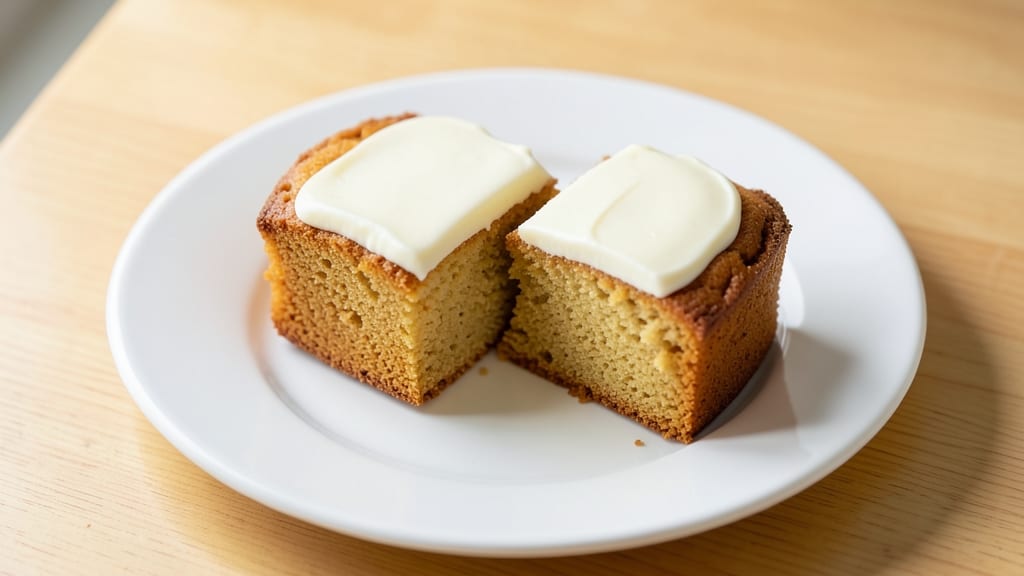
This two-cup flour cake recipe delivers the perfect balance of tender crumb and rich vanilla flavor—no fancy equipment or advanced skills required. The secret lies in the precise ratio of ingredients and a gentle mixing technique that creates a moist, even texture without overworking the batter. I've baked this cake dozens of times, and it consistently produces a light, fluffy result that's ideal for beginners yet impressive enough for special occasions.
The recipe uses just 2 cups of flour, making it simple to scale up or down without sacrificing texture. You'll need basic pantry staples like eggs, sugar, and butter, plus vanilla extract for that signature flavor. The cake bakes in a standard 350°F oven for about 25-30 minutes, yielding a golden dome with a crackly top that hides a tender interior. This is the kind of cake that stays moist for days, making it perfect for meal prep or gifting.
What truly sets this recipe apart is the vanilla frosting, which pairs perfectly with the cake's delicate flavor. The frosting is smooth, not overly sweet, and spreads easily for that classic cake presentation. Whether you're serving slices at a family gathering or treating yourself to a quiet afternoon dessert, this cake delivers restaurant-quality results with minimal effort.
Once you try this recipe, you'll understand why it's a staple in home bakeries everywhere. The combination of simple ingredients and straightforward instructions makes it accessible, while the final product feels special. Let's get started on creating your perfect two-cup flour cake.
Ingredients for 2 cup flour cake
Simple staples transform into a tender, moist cake with just 2 cups flour and a touch of vanilla magic.
| Ingredient | Amount | Notes |
|---|---|---|
| All-Purpose Flour 🌾 | 2 cups | Sifted for even texture |
| Granulated Sugar 🍚 | 1 ½ cups | White or light brown |
| Unsalted Butter 🧈 | 1 cup | Cold, cubed for creaming |
| Large Eggs 🥚 | 2 whole | Room temperature preferred |
| Pure Vanilla Extract 🌿 | 1 tbsp | High-quality, not imitation |
| Baking Powder 🧂 | 1 ½ tsp | Aluminum-free preferred |
| Salt 🧂 | ½ tsp | Fine sea salt |
| Whole Milk 🥛 | ½ cup | Room temperature |
| Powdered Sugar 🍚 | 2 cups | For frosting, sifted |
| Heavy Whipping Cream 🥛 | ½ cup | Cold for frosting |
| Vanilla Extract 🌿 | ½ tbsp | Extra for frosting flavor |
Flour is the backbone here—King Arthur or Gold Medal brands work best for that tender crumb. Sift it first to avoid dense cake. Sugar matters too: white for classic flavor, light brown if you want subtle caramel notes. Butter? Use European-style if you can—higher fat content means richer flavor. Store flour in an airtight container (it absorbs moisture fast), and keep sugar in a cool, dry place. The vanilla extract should smell potent—if it's faint, grab a new bottle (it's worth it for that authentic flavor).
No baking powder? Club soda plus cream of tartar (1 tsp each) works in a pinch. Short on milk? Evaporated milk or even water keeps the cake moist. For the frosting, powdered sugar is non-negotiable—granulated won't dissolve right. Heavy cream needs to be cold when whipped, or it won't hold its shape. The vanilla in the frosting? Double the dose if you love that aroma. Pro tip: Microwave butter 20 seconds to soften it before creaming—saves scrubbing cold butter later.
This cake stays moist for 3-4 days wrapped in plastic, but the frosting? Eat within 2 days or it gets grainy. For make-ahead magic, bake the cake, cool it, then wrap tightly and freeze. Thaw at room temp before frosting. The frosting keeps 1 day in the fridge—whip it fresh for best texture. Portion cake slices with a serrated knife for clean cuts (dull knives crush the crumb). Leftovers? Toast them—trust me, they're even better the second time around.
Why You'll Love This Recipe
- No Mixer Needed: I swear by this one—just cream butter and sugar by hand (or with a fork, no shame), then fold in eggs and flour. No electric gadgets, no fuss, just pure, golden cake magic.
- Butter-Sugar Bliss: That creamed butter and sugar combo? It’s the secret weapon here. Rich, tender crumb with just the right sweetness—no dry mouth, no aftertaste, just pure vanilla-kissed satisfaction.
- Weeknight or Celebration: Same batter, endless uses. Serve it plain for a lazy afternoon with tea, or frost it for birthdays. Even my picky teen devours this—no complaints, just seconds.
- Leftovers? Better: This cake actually improves the next day. Slice it for breakfast toast, pack it in lunches, or turn it into trifle. Two cups of flour stretch into days of happy moments.
Step-by-step instructions for two-cup flour cake recipe
Here's how to bake a perfectly moist vanilla cake with fluffy layers and silky frosting—every time.
Cream Butter and Sugar Until Light and Fluffy
In a large mixing bowl, combine the 1 cup unsalted butter (cold, cubed) and 1.5 cups granulated sugar. Using an electric mixer on medium speed, beat for 3-5 minutes until the mixture is light, pale yellow, and nearly doubles in volume. You'll see ribbons form when you lift the beaters—that's your signal the butter is properly creamed.
This step is crucial for aerating the cake batter. If you rush it, the cake will turn out dense. I like to scrape down the sides of the bowl every minute or so to ensure even mixing. The butter should be soft but not melted—if it looks too warm, chill the bowl for 5 minutes before continuing.
Add Eggs and Vanilla Extract
Add the 2 whole large eggs, one at a time, mixing well after each addition. Then stir in the 1 tablespoon pure vanilla extract. The mixture will look slightly curdled at first, but don't worry—it will smooth out once you add the dry ingredients. Mix on low speed for 30 seconds to combine completely.
Using room-temperature eggs prevents lumps and ensures even distribution. If your eggs are straight from the fridge, let them sit in warm water for 5 minutes before adding. The vanilla extract adds depth of flavor, so don't skip this step—imitation vanilla won't give the same rich taste.
Combine Dry Ingredients and Milk
In a separate bowl, whisk together the 2 cups all-purpose flour, 1.5 teaspoons baking powder, and 0.5 teaspoon salt. Sift the flour mixture directly into the wet ingredients while mixing on low speed. Add the 0.5 cup whole milk and mix just until combined—you should still see some flour streaks. Overmixing develops gluten, which can make the cake tough.
I like to use a spatula to gently fold in the dry ingredients to avoid overworking the batter. The batter should be thick but pourable. If it looks too stiff, add 1 tablespoon more milk to achieve the right consistency. This ensures a tender crumb rather than a dense one.
Bake to Golden Perfection
Preheat your oven to 350°F and grease two 8-inch round cake pans. Divide the batter evenly between the pans and smooth the tops with a spatula. Bake for 25-30 minutes, or until a toothpick inserted into the center comes out clean. The edges should be golden brown, and the top should spring back when gently pressed.
Don't open the oven during the first 15 minutes of baking—this helps the cake rise evenly. If the top browns too quickly, tent the pans with foil. Once baked, let the cakes cool in the pans for 10 minutes before transferring to a wire rack to cool completely. Patience here prevents a crumbly texture.
Make the Vanilla Frosting
In a medium bowl, beat the 0.5 cup heavy whipping cream until soft peaks form. Gradually add the 2 cups powdered sugar and 0.5 tablespoon vanilla extract, beating until the frosting is smooth and holds stiff peaks. This should take about 2-3 minutes with an electric mixer.
For extra flavor, I like to add a pinch of salt to the frosting to balance the sweetness. The frosting should be thick enough to hold its shape but still spreadable. If it's too runny, chill it for 10 minutes before using. Spread the frosting evenly between the two cake layers and on the top and sides for a professional finish.
Pro Tips For Making 2 Cup Flour Cake
- MEASURE FLOUR BY SPOONING: Don’t scoop flour from the bag—it packs too tightly and throws off your ratio. Instead, spoon it directly into your measuring cups and level with a knife. I learned this the hard way when my first cake turned out dense as a brick.
- CREAM BUTTER AND SUGAR UNTIL PALE: Stop mixing when the butter-sugar combo looks like wet sand, not dough. Over-creaming adds air but can make your cake tough—especially with just 2 cups of flour. Test by running your finger through the mix; it should leave a clean trail.
- USE ROOM-TEMP EGG WHITES: Cold egg whites can curdle when mixed with warm butter, leaving you with a lumpy batter. Pop them out of the fridge 30 minutes before baking, or even better, let them sit in warm water for 5 minutes. Your cake’s texture will thank you.
- BAKE UNTIL SPRINGY, NOT BROWN: A toothpick test isn’t enough—press the center gently. If it springs back slowly (not instantly) and has a few moist crumbs, it’s done. Overbaking dries out the crumb, and with this light recipe, you’ll end up with a sad, dry cake.
Regional styles of 2 cup flour cake
Southern Vanilla Cake
In the South, this cake becomes a classic buttermilk version with a splash of 1 cup buttermilk replacing the milk. The tanginess enhances the vanilla flavor and keeps the crumb extra moist. I add ½ teaspoon lemon zest to the batter for a bright twist that’s popular in Georgia and Alabama bakeries. Serve with peach preserves for a Southern brunch staple. 🌶️
Midwest Spice Cake
The Midwest puts a cozy spin on this cake by adding 1 teaspoon cinnamon and ½ teaspoon nutmeg to the dry ingredients. Some bakers in Minnesota even swap ½ cup of the flour for ground almond flour to create a nutty depth. Top with cream cheese frosting instead of vanilla for a hearty dessert that’s perfect with coffee. ❄️
Pacific Northwest Lemon Twist
West Coast bakers love this cake with a zesty lemon glaze—replace the vanilla frosting with ½ cup powdered sugar mixed with 2 tablespoons lemon juice and 1 tablespoon lemon zest. The acidity cuts through the richness, making it a hit in Oregon and Washington. For extra flair, fold 1 tablespoon fresh raspberries into the batter before baking. 🌈
New England Brown Butter
In New England, the cake gets a brown butter upgrade—cook the 1 cup butter until nutty and golden before creaming. The caramelized flavor adds depth, and locals often pair it with maple syrup frosting (mix ½ cup powdered sugar with 2 tablespoons maple syrup and 1 tablespoon cream). This variation is a fall favorite in Vermont and Maine. 🍁
Texas Chocolate Chip
Texans can’t resist adding ½ cup chocolate chips to the batter, giving it a playful twist. Use semi-sweet or dark chocolate for contrast. Top with salted caramel frosting (whip ½ cup cream cheese with ½ cup powdered sugar, 2 tablespoons caramel sauce, and a pinch of salt). This version is a crowd-pleaser at Texas BBQ gatherings. 🔥
California Citrus Poppy Seed
In California, the cake often includes 1 tablespoon poppy seeds and 1 teaspoon orange zest for a bright, floral note. Replace the vanilla frosting with a citrus glaze (mix ½ cup powdered sugar with 2 tablespoons orange juice and 1 teaspoon honey). This variation is a hit at farmers' markets and brunch spots in San Francisco. 🌞
Nutrition facts
Frequently asked questions
Can I use cake flour instead of all-purpose flour?
Yes, but you'll need to make adjustments! Replace the 2 cups all-purpose flour with 1 cup cake flour plus 1 cup all-purpose flour. Cake flour has a lower protein content, which creates a softer texture. If you don't have cake flour, omit 2 tablespoons of the all-purpose flour and add 2 tablespoons cornstarch for a similar effect.
Why did my cake turn out dense instead of light? Overmixing the batter or undercreaming the butter are the most common culprits.
How do I store leftover cake?
Wrap the unfrosted cake tightly in plastic wrap and store it at room temperature for up to 3 days. For longer storage, freeze the cake (without frosting) for up to 3 months. Thaw overnight in the refrigerator. The frosting should be added fresh for the best texture, but you can store it separately in the fridge for up to 2 days. Toasting leftover slices revives their texture beautifully!
Can I bake this cake in a different-sized pan?
For an 8-inch round pan, this recipe makes two layers. If using a 9-inch round pan, reduce the oven temperature to 325°F and bake for 30-35 minutes. For a single 9-inch layer, use about 2/3 of the batter. For cupcakes, divide the batter into 12-15 liners and bake at 350°F for 18-20 minutes. Always adjust baking time based on your oven and pan type.
What can I substitute if I don't have vanilla extract?
You can use 1 teaspoon vanilla sugar (available in specialty stores) or 1 teaspoon vanilla bean paste for a stronger flavor. For a quick fix, mix ½ teaspoon ground vanilla bean seeds with ½ teaspoon sugar. If nothing else is available, a pinch of cinnamon or almond extract (use sparingly!) can add depth, though the flavor will differ significantly.