
Desserts
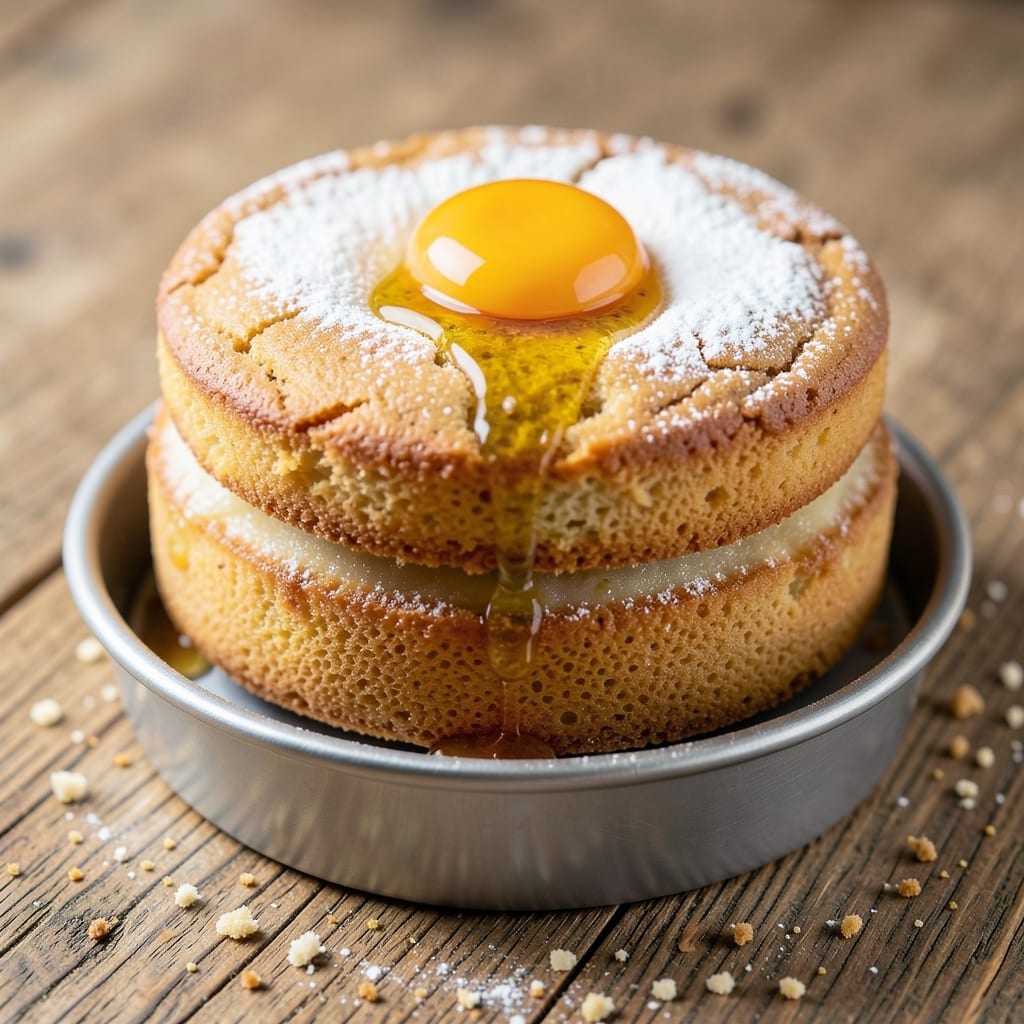
This two-egg cake recipe no butter delivers the perfect balance of lightness and moisture without a single stick of butter—just oil and clever technique. The secret lies in using vegetable oil for rich texture while keeping the batter airy enough to rise beautifully in one tin. After years of perfecting this method, I’ve found the ideal ratio of eggs to oil that ensures a tender crumb without heaviness.
The beauty of this recipe is its simplicity—no butter substitutes needed, just a few pantry staples and 15 minutes of prep time. Vegetable oil replaces butter’s richness while keeping the cake tender, and a touch of baking powder ensures a fluffy rise. The result? A cake that’s light as air, with a delicate crumb that stays moist for days, even without frosting.
What makes this recipe truly special is how it adapts to your needs. Serve it plain with a dusting of powdered sugar, or top it with fresh berries and whipped cream for a restaurant-worthy finish. The texture is so perfectly balanced that it satisfies even those who swear they don’t like oil-based cakes.
Whether you’re baking for a special occasion or just craving a simple treat, this recipe delivers restaurant-quality results with minimal effort. The key is patience—letting the batter rest before baking ensures even rising and a tender finish. Let’s get started!
Ingredients for 2 egg cake recipe no butter
Eight pantry staples transform into a restaurant-quality cake without butter or fuss.
| Ingredient | Amount | Notes |
|---|---|---|
| Large Eggs 🥚 | 2 whole | Room temperature for even mixing |
| All-Purpose Flour 🌾 | 1 ½ cups | Sifted for light texture |
| Granulated Sugar 🍚 | ¾ cup | White or light brown |
| Vegetable Oil 🫒 | ½ cup | Light or canola preferred |
| Whole Milk 🥛 | ¾ cup | Room temperature |
| Baking Powder 🧂 | 1 ½ tsp | Double-acting preferred |
| Salt 🧂 | ½ tsp | Fine sea salt |
| Vanilla Extract 🌿 | 1 tsp | Pure vanilla preferred |
| Powdered Sugar 🍚 | ¼ cup | For dusting (optional) |
| Unsalted Butter 🧈 | 2 tbsp | For greasing pan (optional) |
| Fresh Berries 🍓 | 1 cup | For optional topping |
The eggs and vegetable oil are the heart of this recipe—room temperature makes all the difference. Grab extra-large eggs if possible, as they yield more volume. For flour, King Arthur or Gold Medal brands are ideal—they're finely milled and consistent. If you're in a pinch, Bob's Red Mill works too. The baking powder must be fresh; if it's older than six months, test it by mixing with water—it should bubble vigorously. For the vanilla, pure extract (not imitation) ensures authentic flavor, though it's not strictly necessary if you're short on time.
No vegetable oil? Avocado or canola oil are perfect substitutes—they have neutral flavors and similar textures. Short on milk? Almond or oat milk work in a pinch, though the cake may be slightly less tender. The powdered sugar is optional, but it adds that restaurant-worthy finish that makes this cake feel special. If you're topping with berries, strawberries or blueberries are classic choices, but any fresh fruit will do. For extra richness, a thin layer of whipped cream (made with powdered sugar and heavy cream) elevates the presentation without overpowering the delicate cake.
This batter keeps in the fridge for up to 24 hours, though it's best baked fresh. For longer storage, wrap tightly in plastic wrap and refrigerate for 3-4 days. The cake freezes beautifully—slice and freeze individual portions for up to 3 months. When ready to serve, let it thaw at room temperature for 1-2 hours before dusting with powdered sugar. The texture remains moist and tender even after freezing, making this a perfect make-ahead dessert for special occasions.
Why You'll Love This Recipe
- No Mixing Madness: I swear by this recipe—just fold the flour into the egg-milk mixture once with a spatula. No overmixing, no lumps, no stress. The texture comes out light and tender every time, even if I’m half-asleep at 6 AM.
- Sweet Spot Simplicity: That sugar-oil combo in the batter? It’s the secret weapon. The cake rises just enough to be fluffy but stays moist—no dry crumb here. Honestly, it’s the kind of dessert that makes you think, “Wait, I made this?”
- Breakfast or Dessert: Serve it warm with a drizzle of honey for a lazy weekend breakfast, or dust it with powdered sugar for a no-fuss after-dinner treat. My kids beg for it both ways—proof it works any time of day.
- Pantry Staple Magic: Five ingredients, zero specialty items. The milk adds richness without butter, and the eggs bind it all together like glue. I’ve made this for potlucks, last-minute guests, and even as a “I’m too tired to cook” solution—always a hit.
Step-by-step instructions for two-egg cake without butter
This method delivers a perfectly moist, tender cake using only vegetable oil instead of butter.
Prepare the Cake Pan and Mix Dry Ingredients
Preheat your oven to 350°F and grease an 8-inch round cake pan with the 2 tablespoons unsalted butter, then dust lightly with 1 tablespoon of the 1.5 cups all-purpose flour. Tap out any excess flour to ensure a clean release. This simple step prevents sticking without requiring butter in the batter.
In a medium bowl, whisk together the remaining 1.4 tablespoons all-purpose flour, 1.5 teaspoons baking powder, and 0.5 teaspoon salt. Sift the mixture once to remove any lumps and aerate the flour. This creates a lighter texture and prevents dense pockets in the finished cake. Set aside for now - we'll combine it with the wet ingredients next.
Whisk Eggs, Sugar, and Oil for Maximum Moisture
In a separate large bowl, combine the 2 whole large eggs (room temperature), 0.75 cup granulated sugar, and 0.5 cup vegetable oil. Whisk vigorously for 3-4 minutes until the mixture becomes pale yellow and nearly doubles in volume. You're looking for a ribbony consistency when you lift the whisk - this incorporates air that will create a light, airy crumb.
Here's the key to moisture: the vegetable oil replaces butter's fat content while adding richness without the need for butter's dairy. The long whisking ensures the oil emulsifies properly with the eggs and sugar, creating a stable base for the cake's structure. Don't rush this step - under-whisking leads to a dense, greasy texture.
Combine Wet and Dry Ingredients Gently
With the mixer on low speed, gradually add the dry ingredients to the wet mixture. Mix just until combined - you should still see small flour streaks. Overmixing develops gluten and makes the cake tough. Add the 0.75 cup whole milk and 1 teaspoon vanilla extract, mixing until smooth. The batter should be thin but cohesive, similar to heavy cream.
Here's where the magic happens: the baking powder activates in the wet mixture, creating tiny air bubbles that will expand during baking. The thin batter ensures even distribution of these bubbles throughout the cake, resulting in a uniform texture. Scrape down the sides of the bowl with a spatula to ensure all ingredients are fully incorporated.
Bake Until Golden and Springy
Pour the batter into your prepared cake pan and smooth the top with a spatula. Bake in the preheated oven for 25-30 minutes, or until a toothpick inserted in the center comes out clean. The cake should be golden brown on top and slightly pulled away from the sides of the pan. Tap the top gently - it should spring back rather than feel soft.
This is where the oil-based batter shines: it creates a tender crumb while maintaining moisture. The baking time may vary slightly depending on your oven, so start checking at the 25-minute mark. If the edges brown too quickly, tent the cake with foil to prevent overbrowning while the center finishes baking.
Cool and Serve for Perfect Texture
Remove the cake from the oven and let it cool in the pan for 10 minutes, then transfer to a wire rack to cool completely. This gradual cooling prevents the cake from developing a gummy center. While the cake cools, you can prepare the optional berry topping by tossing the 1 cup fresh berries with 1 tablespoon of the remaining 0.25 cup powdered sugar.
Once completely cooled, dust the top with the remaining 0.15 cup powdered sugar for a sweet finish. The cake should be moist but not wet, with a fine, even crumb throughout. Slice with a sharp knife for clean cuts and serve immediately for the best texture. This cake holds well for 2-3 days stored at room temperature, though it's best enjoyed fresh from the oven.
Pro Tips For Making 2 Egg Cake Recipe No Butter
- Whisk Eggs Until Ribbon Stage: Stop when the egg mixture holds a slow ribbon—about 30 seconds after it starts to thicken. I learned this the hard way when my cake turned dense; over-whisking adds air but collapses it later. Use a fork if you’re in a hurry, but a whisk gives better control.
- Measure Flour by Scooping: Spoon flour into the bowl, then level it with a knife—packing it compresses the gluten and makes the cake tough. I used to eyeball it, and my cakes always came out dry. A kitchen scale is ideal, but a proper scoop works too.
- Preheat Pan with Oil First: Brush the pan with vegetable oil before heating it—this prevents sticking and ensures even browning. I skipped this once, and the cake fought me when I tried to flip it. A hot, oiled pan is non-negotiable for a 2-egg cake.
- Bake at 350°F, Not Higher: Cranking the heat to 375°F will burn the outside before the center sets. I did this twice, and the cake ended up gummy. Stick to 350°F and check doneness at 12–15 minutes—it’ll pull away from the edges when ready.
Creative variations of this recipe
Citrus-Inspired Twist
Brighten the batter with 1 tablespoon freshly squeezed lemon or orange juice and 1 teaspoon zest—this adds a refreshing tang that cuts through the richness of the oil. I like to add it after whisking the wet ingredients but before combining with the dry mix. The citrus enhances the vanilla flavor while keeping the cake light. For extra zing, top with a berry compote made from simmering 1 cup mixed berries with 2 tablespoons sugar and 1 teaspoon lemon juice until thickened. 🍊
Spiced Chai Version
Warm up the flavor profile by adding ½ teaspoon ground cinnamon, ¼ teaspoon ground cardamom, and ¼ teaspoon ground ginger to the dry ingredients. For a boozy twist, replace 2 tablespoons of milk with 2 tablespoons chai tea concentrate (cooled). This version pairs beautifully with a dollop of vanilla bean whipped cream and a sprinkle of toasted coconut flakes. The spices complement the oil's richness without overpowering the delicate texture.
Chocolate-Dipped Adaptation
For chocolate lovers, fold 2 tablespoons cocoa powder into the dry ingredients and reduce the sugar to 0.6 cup. After baking, let the cake cool completely, then dip the bottom half in melted dark chocolate (about ½ cup chocolate chips + 1 tablespoon coconut oil, heated until smooth). Place back on the rack to set. Top with raspberries and a dusting of cocoa powder for a decadent yet light dessert. The chocolate adds depth while maintaining the cake's signature tenderness.
Gluten-Free Option
Replace the all-purpose flour with a 1:1 gluten-free baking flour blend (like Bob's Red Mill or King Arthur). Add 1 teaspoon xanthan gum to the dry ingredients to improve texture. For binding, use ¼ cup applesauce in place of 2 tablespoons milk. This version holds together beautifully and has a slightly denser but still moist crumb. Pair with a lemon glaze (powdered sugar + lemon juice) to keep it bright and refreshing. 🌱
Make-Ahead Berry Swirl
For a showstopper, fold ½ cup mashed raspberries into the batter after combining all ingredients—this creates a stunning swirl effect. Bake as directed, then dust with powdered sugar and fresh berries. To prep ahead, bake the cake 1 day in advance, wrap tightly in plastic, and refrigerate. Before serving, warm slightly in the oven (300°F for 10 minutes) to restore moisture, then top with whipped cream and extra berries. The swirl adds visual appeal while keeping the cake's delicate texture intact.
Nutrition facts
Frequently asked questions
Can I substitute oil with another fat in this recipe?
If you don't have vegetable oil, avocado oil or canola oil work perfectly—they have neutral flavors and similar textures. For a lighter option, try unsweetened applesauce (replace ¼ cup oil with ¼ cup applesauce), though the texture will be slightly denser. Never use melted butter—it contains dairy and would defeat the purpose of this butter-free recipe.
Why does this cake turn out so moist without butter?
The secret lies in the vegetable oil and proper whisking technique. Oil coats the flour better than butter, creating a tender crumb, while the 3-4 minute whisking of eggs and sugar incorporates air for lift. The milk also adds moisture without making the cake heavy. Unlike butter-based cakes, this one stays tender for 3-4 days when stored properly.
Can I bake this cake in a different pan size?
Yes! For an 8-inch round pan, the recipe is perfect. For a 9-inch round pan, reduce baking time by 3-5 minutes (check at 22 minutes). For a loaf pan, bake at 325°F for 40-45 minutes—the lower temp prevents overbrowning. Always use the toothpick test to confirm doneness.
What if my cake comes out dense instead of light? Overmixing the batter or using cold eggs are the most common culprits.
How do I store leftovers to keep them fresh?
Wrap the cake tightly in plastic wrap or place it in an airtight container at room temperature for up to 2 days. For longer storage, refrigerate for 3-4 days (bring to room temp before serving). Freeze slices individually for up to 3 months—thaw overnight in the fridge for best texture. The oil-based batter prevents drying, so this cake stays moist even after freezing.