
Desserts
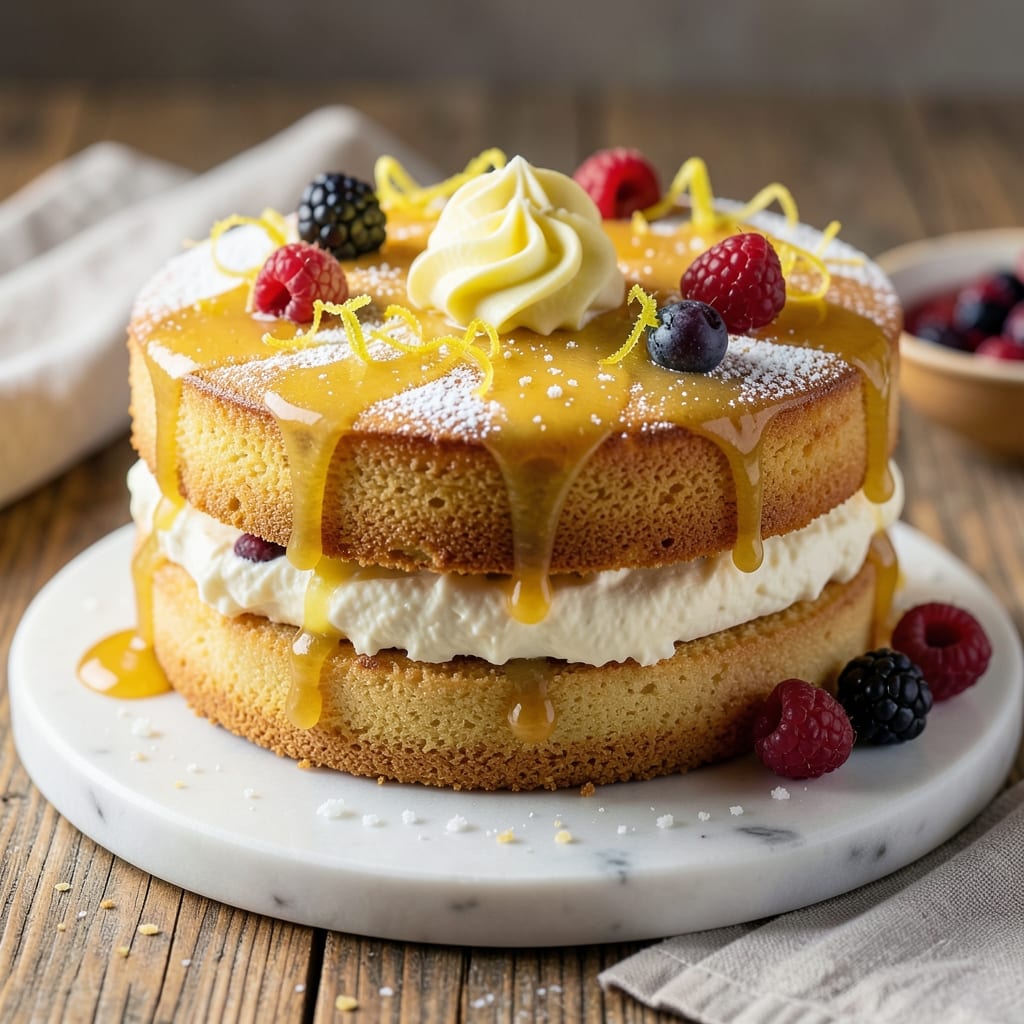
This 2-layer lemon cake recipe delivers the perfect balance of bright citrus and rich vanilla—every slice is a harmonious burst of flavor. The secret lies in a tender crumb that stays moist for days, thanks to a simple technique of folding in sour cream and lemon zest. I've perfected this recipe over years of baking, ensuring the layers are even and the frosting stays luscious without cracking.
The cake itself is a study in contrast: the first layer bursts with zesty lemon flavor from fresh juice and zest, while the second layer adds a subtle vanilla note that complements rather than competes. The buttercream frosting is where the magic happens—smooth, creamy, and perfectly sweetened to let the lemon shine through. This isn't just dessert; it's a showstopper that tastes as good as it looks.
What sets this recipe apart is the attention to detail in layering and frosting. You'll learn how to level the cake perfectly, create clean edges, and assemble it without a mess. The result is a cake that holds its shape, stays moist, and delivers that signature lemony tang with every bite. No fancy equipment required—just patience and precision.
Whether you're baking for a celebration or treating yourself to a midweek indulgence, this cake delivers restaurant-quality results at home. The frosting can be piped for a classic look or spread smoothly for a more rustic finish. Let's get started on creating your perfect slice of citrusy perfection.
Ingredients for 2 layer lemon cake
Pantry staples meet citrus sunshine in this perfect 2-layer lemon cake creation.
| Ingredient | Amount | Notes |
|---|---|---|
| All-Purpose Flour 🌾 | 3 cups | Sifted for light texture |
| Granulated Sugar 🍚 | 2 ½ cups | Divided for cake layers |
| Unsalted Butter 🧈 | 1 ½ cups | Room temperature, softened |
| Large Eggs 🥚 | 4 whole | Room temperature, separated |
| Fresh Lemon Juice 🍋 | 1 cup | From 4-5 lemons, freshly squeezed |
| Lemon Zest 🍋 | 2 tbsp | Finely grated, organic preferred |
| Vanilla Extract 🌸 | 2 tsp | Pure Madagascar or bourbon |
| Baking Powder 🧂 | 2 tsp | Diamond Crystal preferred |
| Salt 🧂 | ½ tsp | Fine sea salt |
| Sour Cream 🥛 | ½ cup | Full-fat for moisture |
| Powdered Sugar 🍚 | 4 cups | For buttercream frosting |
| Heavy Whipping Cream 🥛 | 1 cup | Cold for buttercream |
| Vanilla Bean Paste 🌸 | 1 tbsp | For enhanced vanilla flavor |
The butter matters here—unsalted, room-temperature is non-negotiable. Grab a European-style butter like Plugrá if you can, but any good brand works. For the lemons, organic is best—the zest has more flavor and no wax residue. I always buy a full bag of lemon juice concentrate from Trader Joe's for backup when fresh isn't available. The sour cream should be full-fat for that perfect tender crumb, and La Creme brand is my go-to for consistency. Measure your flour properly—spoon it into the cup and level off, don't scoop directly from the bag.
No fresh lemons? Concentrate works in a pinch—just dilute it with water to make 1 cup of juice. Running low on vanilla extract? Vanilla bean paste gives deeper flavor and you can scrape out every last bit. The buttercream can be made ahead—store it covered in the fridge for up to 3 days, just re-whip before using. For the cake layers, level them perfectly with a serrated knife—no one wants uneven slices. The baking powder is crucial—Diamond Crystal measures differently than other brands, so use the amount listed, not what's on the box.
This cake stays fresh for 3-4 days at room temperature, wrapped tightly in plastic. For longer storage, freeze the fully assembled cake for up to 3 months—thaw overnight in the fridge before serving. The frosting can be made 2 days ahead and stored in the fridge. If your kitchen gets warm, chill the cake layers 10 minutes in the freezer before frosting to prevent melting. Always bring the frosting to room temperature before spreading for that perfect smooth finish.
Why You'll Love This Recipe
- No Fuss, No Stress: I’ll be real—this cake takes maybe 45 minutes from start to finish, and half that time is just waiting. Cream butter and sugar? Five minutes. Whisk eggs and flour? Another five. The real magic happens while it bakes, leaving you free to sip lemonade (or wine) and pretend you’re a domestic goddess.
- Tangy Magic: That bright, zesty lemon juice—fresh, not bottled—cuts through the richness of the butter and sugar like a summer breeze. The top layer stays light as a cloud, while the bottom stays moist enough to make you want to eat it straight from the pan. (Yes, I’ve done it.)
- Weekend or Weeknight: This cake is my go-to for birthdays, brunch, or just because. Serve it plain for a light dessert, or pile on whipped cream and berries for a fancy touch. Even better? It travels well—pack slices in a tin for potlucks, and no one will guess how little effort it took.
- Budget-Friendly Luxury: You’re using pantry staples here: flour, sugar, butter—things you already own. That lemon juice? A single fruit lasts for three cakes. And the best part? Leftovers? None. It disappears faster than I can say “second slice.”
Step-by-step instructions for 2-Layer lemon cake
Here's the method for a perfectly balanced lemon cake with moist layers and velvety buttercream.
Prepare the Cake Batter
Preheat your oven to 350°F and grease two 8-inch round cake pans, then line the bottoms with parchment paper. In a medium bowl, whisk together the 3 cups all-purpose flour, 2 tsp baking powder, and 0.5 tsp salt. Sift the mixture to remove any lumps and set aside.
In a large mixing bowl, cream together the 1.5 cups unsalted butter and 1 cup granulated sugar (half of the total) on medium speed until light and fluffy—about 3-4 minutes. This step incorporates air, which helps create a tender crumb. Add the 4 whole large eggs, one at a time, mixing well after each addition.
Combine the 1 cup fresh lemon juice, 2 tbsp lemon zest, 2 tsp vanilla extract, and 0.5 cup sour cream in a separate bowl. Gradually add this wet mixture to the butter-sugar mixture while mixing on low speed. Finally, alternate adding the dry ingredients and the remaining 1.5 cups granulated sugar, mixing just until combined after each addition. Overmixing can make the cake dense, so stop as soon as the batter is smooth.
Bake the Cake Layers
Divide the batter evenly between the prepared cake pans, spreading it out to create level tops. Bake for 25-30 minutes, or until a toothpick inserted into the center comes out clean. The edges should be golden brown, and the tops should spring back when gently pressed.
Let the cakes cool in the pans for 10 minutes, then transfer them to a wire rack to cool completely. This gradual cooling prevents cracking. While the cakes cool, prepare the buttercream by beating the 1.5 cups unsalted butter (softened) with the 4 cups powdered sugar, 1 cup heavy whipping cream, and 1 tbsp vanilla bean paste until smooth and fluffy.
Assemble the Cake
Once the cakes are completely cool, place the first layer on a cake stand or plate. Spread a thin layer of buttercream over the top to create a "crumb coat." This helps prevent crumbs from getting into the final frosting. Place the second layer on top and gently press down to ensure even contact.
Spread the remaining buttercream evenly over the entire cake, creating a smooth surface. Use a spatula to smooth out any imperfections, and chill the cake in the refrigerator for 30 minutes before slicing. This step ensures clean cuts and prevents the frosting from sliding off.
Final Touches and Serving
Before serving, decorate the cake with additional lemon zest or fresh berries for a pop of color and extra citrus flavor. Slice the cake into 12 equal portions using a sharp serrated knife. The cake should have a moist, tender crumb with a bright lemon flavor balanced by the buttery sweetness of the frosting.
Serve immediately for the best texture, but the cake can be stored in an airtight container at room temperature for up to 2 days or refrigerated for up to 4 days. Bring it to room temperature before serving to enjoy the full flavor and texture.
Pro Tips For Making 2 Layer Lemon Cake
- WEIGH THE FLOUR: I learned this the hard way—scooping flour from the bag packs too much air, and your cake will turn out dense. Use a kitchen scale for 225g (1 ½ cups) and spoon it in gently; don’t pack it down. The buttercream will thank you later.
- ZEST THE LEMON FIRST: Fresh lemon juice is non-negotiable, but don’t skip the zest—it’s where the real magic hides. Grate the zest of 1-2 lemons (about 1 tsp) and fold it into the batter. Skip this, and you’re missing half the flavor punch.
- BAKE UNTIL COOLER THAN YOU THINK: I used to pull the cake out at 205°F (96°C), but it was still too wet. Let it cool to 190°F (88°C) before removing from the pan—this prevents collapsing layers. A toothpick test is good, but don’t rely on it alone.
- CHILL THE BUTTERCREAM: Whipping buttercream too fast or at room temperature? You’re asking for graininess. Chill the bowl and beaters for 10 minutes before starting, then add the lemon juice gradually. Patience here makes the cream silky.
Best sauces and condiments for these flavors
Classic Lemon Curd
This silky lemon curd is the perfect companion to your cake—intensifying the citrus flavor while adding a tangy contrast. Simmer ½ cup fresh lemon juice, 3 egg yolks, ½ cup granulated sugar, and ¼ cup unsalted butter (cut into pieces) over low heat, stirring constantly until thickened. Strain through a fine-mesh sieve for a smooth finish. Spread a thin layer between the cake layers or drizzle over the top for a restaurant-worthy touch. 🍋
Honey-Glazed Berries
Fresh berries like strawberries, raspberries, and blueberries add vibrant color and a juicy burst of fruit. Toss 2 cups mixed berries with 2 tbsp honey and 1 tsp lemon juice, then simmer for 3 minutes to create a glossy glaze. Arrange them on top of the cake just before serving to keep them fresh and bright. This topping pairs beautifully with the cake’s buttery richness.
Whipped Cream Alternative
For a lighter option, replace the buttercream with lightly sweetened whipped cream. Whip 1 cup heavy whipping cream with ¼ cup powdered sugar and 1 tsp vanilla extract until soft peaks form. Pipe swirls or dollops over the cake for an elegant finish. This topping is especially refreshing when served chilled, balancing the cake’s density with airy texture. 🥛
Citrus Glaze Finish
A simple lemon glaze elevates the cake’s presentation and flavor. Mix ½ cup powdered sugar with 2 tbsp fresh lemon juice and a pinch of salt until smooth. Drizzle over the top of the cake just before serving. The glaze adds a glossy sheen and a burst of citrus that cuts through the sweetness. For extra flair, sprinkle with crushed pistachios or toasted coconut flakes.
Chocolate Ganache Drizzle
For a decadent twist, add a dark chocolate ganache. Melt ½ cup dark chocolate chips with ¼ cup heavy cream, then let cool slightly before drizzling over the cake. The deep, bittersweet chocolate contrasts beautifully with the bright lemon, creating a sophisticated flavor profile. This pairing works especially well for chocolate-loving guests.
Cream Cheese Frosting
Swap out the buttercream for a cream cheese frosting that adds a tangy, velvety layer. Beat 8 oz cream cheese (softened) with ½ cup unsalted butter, 3 cups powdered sugar, and 1 tsp vanilla extract until smooth. This frosting is richer and creamier, perfect for those who love a bold, creamy texture. Pipe it into rosettes or spread it evenly for a classic look. 💛
Nutrition facts
Frequently asked questions
Can I substitute store-bought lemon juice for fresh?
Yes, but with a few adjustments! Use 1 cup concentrated lemon juice diluted with 1 cup water to match the fresh juice's volume. For best flavor, add an extra 1 tbsp lemon zest to compensate for the lost brightness. The texture will be slightly less vibrant, but it still works in a pinch.
Why did my cake layers crack after baking?
Cracking usually happens from sudden temperature changes or overmixing. Let your cakes cool in the pans for 10 full minutes before removing, then transfer to a wire rack. Also, avoid opening the oven door too early—heat loss causes uneven cooling. For extra insurance, chill the assembled cake for 30 minutes before slicing.
How do I make this cake gluten-free?
Replace the all-purpose flour with a 1:1 gluten-free baking flour blend (like Bob's Red Mill) plus 1 tsp xanthan gum. Reduce the sour cream to ¼ cup since gluten-free batters absorb more liquid. Expect a slightly denser texture, but the lemon flavor will still shine. Test with a small batch first!
Can I bake just one layer?
Use a single 9-inch round pan and bake for 20-25 minutes (check with a toothpick). The same batter recipe works perfectly—just halve the buttercream. This makes a great single-serving dessert or perfect for small gatherings. The flavor won't change, just the presentation!
What's the best way to store leftover cake?
Wrap the cake tightly in plastic wrap and store at room temperature for up to 2 days. For longer storage, refrigerate for 4-5 days or freeze the whole cake (unfrosted) for up to 3 months. Always bring it to room temperature before serving to restore the perfect texture. The frosting stays fresh longer when chilled!