
Desserts
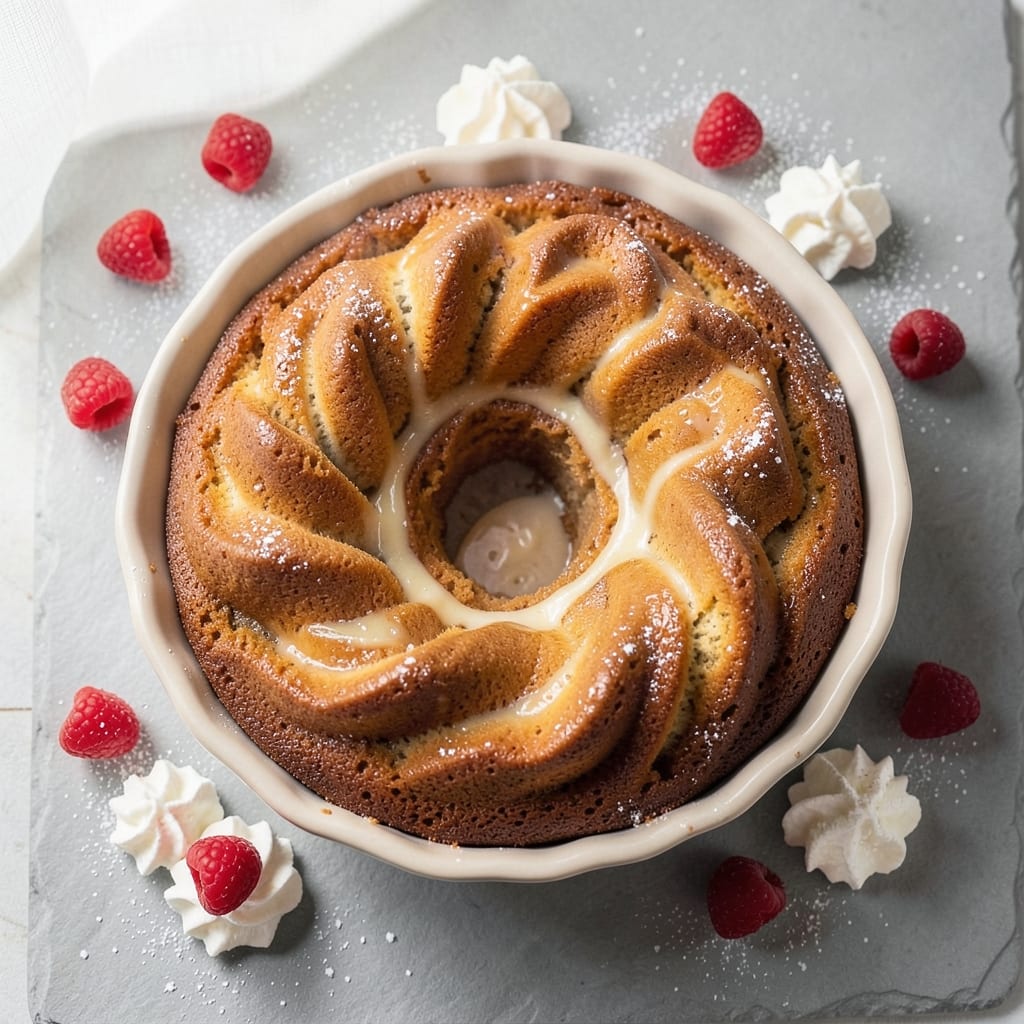
This 3 cup Bundt cake recipe delivers the perfect balance of simplicity and show-stopping results—moist layers, golden swirls, and that signature Bundt pan shape that makes every slice feel special. The secret lies in precise ingredient ratios and a gentle baking technique that ensures even cooking without drying out the cake. I've baked this recipe dozens of times, and it never fails to impress, whether for a weekend brunch or a holiday dessert table.
The beauty of this recipe is its foolproof nature: just 3 cups of flour, basic pantry staples, and a few key techniques (like mixing the batter thoroughly and avoiding overmixing the swirl batter) transform simple ingredients into a cake that looks like it came from a bakery. The triple-layered swirl isn’t just decorative—it adds texture and flavor with every bite, making this cake both visually stunning and irresistibly tender.
What you’ll end up with is a golden-brown Bundt cake with a crackly top and moist, even layers that hold their shape perfectly. The vanilla swirls stay distinct, creating pockets of flavor that make each slice worth savoring. Serve it warm with a dusting of powdered sugar, or glaze it for a professional finish—either way, this cake is guaranteed to disappear quickly.
Ready in about 60 minutes (including baking time), this recipe is perfect for beginners and seasoned bakers alike. The key is patience—letting the cake cool gradually in the pan ensures it doesn’t fall apart when you turn it out. Once you try this, you’ll never buy a Bundt cake again. Let’s get baking!
Ingredients for 3 cup bundt cake
Just 12 ingredients transform simple pantry staples into a stunning triple-layered Bundt masterpiece.
| Ingredient | Amount | Notes |
|---|---|---|
| All-Purpose Flour 🌾 | 3 cups | Sifted for smooth batter |
| Granulated Sugar 🍚 | 1 ½ cups | White or light brown |
| Unsalted Butter 🧈 | 1 cup | Room temperature, full-fat |
| Large Eggs 🥚 | 3 whole | Room temperature, separated |
| Pure Vanilla Extract 🌿 | 2 tsp | High-quality, not imitation |
| Baking Powder 🧂 | 2 tsp | Diamond Crystal preferred |
| Salt 🧂 | ½ tsp | Fine sea salt |
| Milk 🥛 | 1 cup | Whole milk for richness |
| Vanilla Swirl Batter 🍰 | 1 ½ cups | Made with 1 egg yolk, 0.5 cup sugar, 1 tsp vanilla, 0.5 cup milk |
| Powdered Sugar 🍚 | 1 cup | For dusting or glaze |
| Lemon Juice 🍋 | 1 tbsp | Freshly squeezed |
| Bundt Pan 🍰 | 1 whole | Nonstick, 10-12 cup size |
The flour is your foundation—King Arthur or Gold Medal are my go-tos for that tender crumb. Butter? Use full-fat, never margarine, and let it sit out for 30 minutes before mixing. Eggs should be room temperature for even baking, so pull them out 15 minutes before starting. Whole milk adds richness that 2% just can't match, and Diamond Crystal baking powder gives that extra lift. For the swirl batter, don't skip the egg yolk—it keeps the swirls bright and distinct. If you're short on time, microwave the butter 40 seconds to just melt it for easier mixing.
No vanilla extract? Vanilla bean paste works too, or scrape seeds from a pod. Running low on milk? Evaporated milk at half quantity gives similar richness. The swirl batter needs to be slightly thicker than the main batter—if yours is too runny, add 1 tbsp more flour. For a citrus twist, swap lemon juice for orange juice. And if you don't have a Bundt pan? Tube pan or angel food cake pan works in a pinch. Just grease it well and dust with flour.
Batter keeps 24 hours in the fridge if covered tightly—perfect for make-ahead baking. The cake stays moist 3 days at room temperature, wrapped in plastic. For glaze, mix powdered sugar with 1-2 tbsp milk or lemon juice until smooth. I always bake two cakes—one for serving, one for freezing. Freeze fully cooled cake for up to 3 months—thaw overnight at room temperature before serving.
Why You'll Love This Recipe
- Just Three Ingredients: I swear, the name isn’t a typo—this cake actually uses just three cups of flour, sugar, and butter. No measuring chaos, no forgotten spices. Honestly, I’ve made it while scrolling through my phone, and it still comes out golden and tender every time.
- Butter-Sugar Magic: That rich, creamy butter mixed with sugar until it’s light and fluffy? It’s the secret to a cake that’s moist but not heavy, with a crumb so fine it almost melts in your mouth. Between us, the vanilla extract ties it all together—warm, sweet, and just a little bit indulgent.
- Weeknight Hero: Slice it for breakfast with coffee, pack it for lunch, or serve it at a last-minute gathering. It keeps well for days (yes, even on a Tuesday night), and the bundt shape means individual portions—no awkwardly sized slices. My go-to when I need something reliable but still feels special.
- Budget-Friendly Luxury: You’re using pantry staples here—flour, sugar, butter—stuff you already own. No fancy substitutions, no wasted ingredients. I’ll be real: I’ve made this for under $5 and still felt like I served something worthy of company. That’s the kind of deal that makes me happy.
Step-by-step instructions for triple-layered vanilla swirl Magic
Master this classic bundt technique for a showstopping cake with perfect layers.
Prepare the Vanilla Swirl Batter
In a medium bowl, whisk together the 1 egg yolk, 0.5 cup granulated sugar, 1 teaspoon pure vanilla extract, and 0.5 cup milk until smooth and fully combined. This batter will create the signature swirls throughout your cake. The mixture should be thin enough to flow easily when poured but thick enough to hold its shape when layered.
Set this batter aside while you prepare the main cake batter. The contrast between the rich vanilla cake and the lighter swirls is what makes this bundt cake truly special. Don't worry if the batter looks slightly curdled—it will come together perfectly when mixed with the dry ingredients.
Mix the Cake Batter to Perfect Consistency
Preheat your oven to 350°F and grease the bundt pan thoroughly with butter or baking spray, then dust with flour. In a large mixing bowl, combine the 3 cups all-purpose flour, 1.5 cups granulated sugar, 2 teaspoons baking powder, and 0.5 teaspoon salt. Whisk these dry ingredients together until evenly distributed—this ensures even rising and a tender crumb.
In a separate bowl, cream the 1 cup unsalted butter and 3 whole large eggs together until light and fluffy, about 3-4 minutes using an electric mixer. Gradually add the dry ingredients to the wet mixture, alternating with the 1 cup milk, mixing just until combined. Overmixing develops gluten, which can make the cake dense. Stop mixing as soon as the batter comes together smoothly.
Layer and Swirl the Batter
Pour approximately half of the cake batter into the prepared bundt pan, tilting the pan gently to spread it evenly along the sides. Using a spoon or small ladle, carefully pour half of the vanilla swirl batter over the cake batter, allowing it to flow naturally down the sides. This creates the first layer of swirls.
Repeat the process, adding the remaining cake batter, then the remaining vanilla swirl batter. Gently swirl the pan in a circular motion to create the signature marbled effect. The batter should fill the pan about ¾ full—this ensures the cake rises properly without overflowing. Tap the pan gently on the counter to release any air bubbles.
Bake to Golden Perfection
Bake the bundt cake in the preheated oven for 50-60 minutes, or until a toothpick inserted into the center comes out clean. The cake is done when the top is golden brown and springs back slightly when pressed gently. Avoid opening the oven door during the first 30 minutes of baking—this prevents the cake from sinking.
Once the cake is fully baked, remove it from the oven and let it cool in the pan for 10 minutes. Then, carefully invert the cake onto a wire rack to cool completely. This gradual cooling process prevents the cake from cracking as it sets. While the cake cools, prepare the powdered sugar glaze by whisking together the 1 cup powdered sugar and 1 tablespoon lemon juice until smooth.
Glaze and Serve
Once the cake is completely cool, drizzle the powdered sugar glaze evenly over the top, allowing it to drip down the sides for a beautiful finish. The glaze should be thin enough to coat the cake without pooling. Serve the bundt cake at room temperature for the best texture and flavor. Each slice will reveal the stunning layers of vanilla swirl, making this cake a true showstopper.
Pro Tips For Making 3 Cup Bundt Cake
- Grease the Pan Right: Use 2 tablespoons melted butter plus 2 tablespoons flour mixed together—rub it all over the bundt pan, then tap out the excess. I learned this the hard way: skipping the flour step means sticky cake that fights the pan like a toddler refusing nap time.
- Whisk Eggs Until Ribbon-Thick: Beat those eggs for a full 2 minutes after they’re pale—you’re aiming for a ribbon that holds its shape when you lift the whisk. I used to stop when they looked “done,” but this ensures your cake rises smoothly instead of sinking like a lead balloon.
- Skip Overmixing the Batter: Fold in the flour just until combined—lumps are fine, but don’t turn it into pancake batter. Overmixing develops gluten, and your bundt cake will turn out dense enough to double as a doorstop.
- Test Doneness with a Toothpick: Insert a toothpick into the center and the thickest part of the bundt—if it comes out clean both times, pull it. I’ve pulled cakes too soon (crusty outside, raw inside) and too late (dry as a bone), so don’t guess.
Storing and reheating this dish
Room Temperature Storage
Your freshly baked bundt cake stays moist and delicious for up to 3 days at room temperature when stored properly. Wrap it tightly in plastic wrap or place it in an airtight container with a paper towel underneath to absorb excess moisture. I like to store it on the countertop rather than the fridge—this preserves that perfect tender crumb. For extra protection, cover the cake with a clean kitchen towel before wrapping to maintain its shape. 🌟
Refrigerator Refresh
If you need to store your bundt cake longer than 3 days, pop it in the fridge for up to 5 days. The cake will firm up slightly, so bring it back to room temperature for 30-60 minutes before serving. To revive the texture, warm it gently in the microwave for 10-15 seconds (covered with a damp paper towel) to soften any dryness. This works especially well if you've glazed the cake—just re-glaze after reheating for that restaurant-fresh look. ✨
Freezer-Friendly Secrets
For maximum freshness, freeze your bundt cake fully cooled in an airtight container or heavy-duty freezer bag. I recommend wrapping it tightly in plastic wrap first, then placing it in the container to prevent freezer burn. This cake freezes beautifully for up to 3 months—just thaw it overnight in the fridge before serving. Pro tip: Freeze individual slices if you prefer to enjoy it piecemeal without thawing the whole cake. 🧊
Reheating Like a Pro
To reheat a slice, microwave it for 8-10 seconds on 50% power—this keeps the cake moist without drying it out. For a stovetop approach, wrap the slice in aluminum foil and warm it in a 350°F oven for 5-7 minutes. If you're reheating the whole cake, cover it loosely with foil and warm at 300°F for 10-12 minutes. Always check for doneness—you want it warm through but not soggy. 🔥
Glaze Revival Tips
If your glazed bundt cake loses its shine after storage, simply reheat the glaze by mixing 1 tablespoon milk or lemon juice with ½ cup powdered sugar until smooth. Drizzle it over the cake just before serving to restore that glossy finish. For extra flair, add a pinch of vanilla extract or a sprinkle of citrus zest to the glaze for a fresh twist. This works wonders for cakes that have been refrigerated or frozen. 💫
Nutrition facts
Frequently asked questions
Why does this recipe use 3 cups of flour?
This ratio creates the perfect balance between structure and tenderness for a classic bundt cake. The 3 cups all-purpose flour provides just enough gluten development for a light crumb without making the cake dense. It's also the ideal quantity for a 10-12 cup bundt pan, filling it about ¾ full to allow proper rising. Too little flour would make the cake collapse, while too much would dry it out.
Can I make this cake without a bundt pan?
Use a tube pan or angel food cake pan instead—the swirl technique works the same way. Just grease it thoroughly and dust with flour. For a different shape, a 9-inch round pan works too, though the layers won't be as dramatic. The key is to pour the batter in the same alternating pattern to create those signature swirls.
How do I prevent the cake from cracking when removing it from the pan?
Let the cake cool in the pan for 10 minutes first, then invert it onto a wire rack. Tap the pan gently on the counter before turning it out to loosen the cake. For extra insurance, run a thin knife around the edges of the pan before inverting. If cracks still appear, it might be overbaked—check with a toothpick at 50 minutes instead of waiting for the full 60 minutes.
What's the best way to make the swirls look perfect?
Use a spoon or small ladle to pour the swirl batter in a steady stream down the sides of the pan. After adding both layers, gently tilt the pan in a circular motion to create the marbled effect. The batter should fill the pan about ¾ full—overfilling can cause overflow. For extra definition, chill the pan in the fridge for 10 minutes before baking to slow the batter's spread.
Can I substitute butter with oil?
Not recommended for this recipe—the butter adds richness and moisture that oil can't replicate. If you must substitute, use ¾ cup melted butter (cooled) plus ¼ cup oil for similar texture. For a lighter version, you could use ½ cup Greek yogurt plus ½ cup oil, but the flavor will differ slightly. The butter also helps create that perfect golden-brown top.