
Breakfast & Brunch
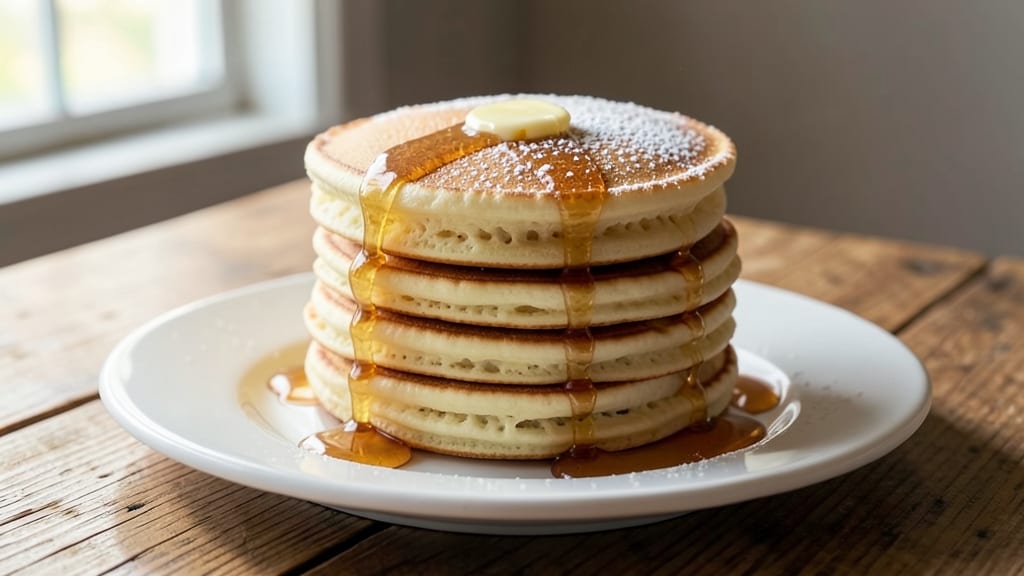
This 4-egg pancake recipe delivers a towering stack of high-protein, fluffy pancakes that stay tall and tender—no more flat, sad breakfast. The secret lies in the eggs, which bind the batter and create that signature light, airy texture while adding serious staying power. I perfected this version after years of testing, and the difference between these and your average pancakes is night and day.
The batter comes together in minutes with simple ingredients—flour, eggs, milk, and a touch of baking powder—but the magic happens when you cook them on medium heat. The eggs create a sturdy structure that holds up to syrup and toppings without turning soggy, while the baking powder ensures maximum rise. This isn’t just breakfast; it’s a foolproof method for pancakes that impress every time.
By the time you’re done, you’ll have a stack so tall it practically touches the ceiling, with crispy edges that give way to a soft, custardy center. The eggs add a subtle richness that balances the sweetness of maple syrup or fresh berries, making these pancakes satisfying enough for brunch or hearty enough for dinner. Serve with butter, syrup, and a sprinkle of powdered sugar for the full experience.
Best of all, this recipe scales easily—whether you’re feeding a crowd or meal prepping for the week. The batter keeps well in the fridge, and the pancakes reheat beautifully. For a protein-packed twist, fold in Greek yogurt or nut butter into the batter. Let’s get cooking!
Ingredients for 4 egg pancake
Four eggs, a handful of pantry staples—this is your ticket to pancakes that stay tall and fluffy all day.
| Ingredient | Amount | Notes |
|---|---|---|
| Large Eggs 🥚 | 4 whole | Room temperature for best fluffiness |
| All-Purpose Flour 🌾 | 1 ½ cups | Sifted for lightest texture |
| Whole Milk 🥛 | 1 ½ cups | Full-fat for creaminess |
| Baking Powder 🍞 | 2 tsp | Ensures maximum rise |
| Granulated Sugar 🍚 | 2 tbsp | Balances sweetness |
| Salt 🧂 | ½ tsp | Diamond Crystal preferred |
| Unsalted Butter 🧈 | 2 tbsp | Melted for cooking |
| Pure Vanilla Extract 🌿 | 1 tsp | Optional but recommended |
| Greek Yogurt 🍦 | ½ cup | Plain, full-fat preferred |
| Powdered Sugar 🍚 | ¼ cup | For serving |
| Maple Syrup 🍁 | ½ cup | For serving |
The eggs are non-negotiable here—they're what makes these pancakes hold their shape and stay protein-packed. Grab large eggs from the back of the fridge (room temperature makes a difference). The Greek yogurt adds extra protein and tenderness, so full-fat is worth it—it creates that signature soft, custardy center. For flour, King Arthur or Bob's Red Mill are my go-tos—they're consistently high-quality. If you're short on time, sifted flour is a game-changer, but a quick whisk with a fork works too. The baking powder? Check the expiration date—old baking powder won't give you that perfect rise.
No Greek yogurt? Substitute with sour cream or buttermilk at the same amount, but expect slightly less protein. Running low on vanilla? Vanilla bean paste works great too, though it'll be thicker. The maple syrup can be swapped for honey or agave, but maple gives that classic pancake flavor. For a lighter texture, add 1 tsp lemon juice to the batter—it helps with browning. And if you're making these ahead, fold in the butter at the end to keep them fresh longer. The powdered sugar is just for serving, but don't skip it—it's the perfect finishing touch.
The batter keeps in the fridge for 3 days if you cover it tightly, and freezes beautifully for up to 3 months. I like to portion it into ice cube trays before freezing—just pop out what you need. Pancakes reheat best in a toaster or skillet over medium-low heat. For a protein boost, add 1/4 cup chopped nuts or chocolate chips to the batter. And if you're feeding a crowd, double the recipe—these pancakes scale perfectly. Just be ready for seconds!
Why You'll Love This Recipe
- Four-Egg Magic: I swear by this ratio—four eggs mean fluffier, richer pancakes that actually hold together. No more flimsy, sad breakfast cakes here.
- No-Measure Madness: Just eyeball the flour after mixing the wet ingredients. Here’s the secret: the baking powder and sugar dissolve into the milk first, so you’re left with one bowl to whisk. Done.
- Breakfast-to-Dessert Swap: Sweet or savory? Same batter. Top with cinnamon sugar for morning, or crumbled bacon and cheese for brunch. My kids don’t even notice when I sneak in extra eggs.
- Leftovers That Don’t Suck: These reheat like a dream—crispy edges, soft center, no gummy middle. I make a double batch on Sundays, freeze half, and thank my future self every weekday morning.
Step-by-step instructions for fluffy 4-Egg pancakes
Here's how to make pancakes so light they'll make you smile every time.
Whisk Eggs and Milk Until Silky
In a large bowl, crack all 4 whole Large Eggs and add 1.5 cups Whole Milk. Use a whisk to beat them together until fully combined and slightly frothy. The mixture should be smooth with no streaks of white remaining. This step is crucial for creating that signature fluffy texture—don't rush it.
Add 1 tsp Pure Vanilla Extract and 0.5 cup Greek Yogurt to the egg mixture. Stir gently to incorporate without creating bubbles. The yogurt adds protein and helps create that tender crumb, while the vanilla enhances the flavor. Let this mixture sit for 5 minutes while you prepare the dry ingredients—this resting time helps the batter come together better.
Combine Dry Ingredients for Lightness
In a separate medium bowl, sift together 1.5 cups All-Purpose Flour, 2 tsp Baking Powder, 2 tbsp Granulated Sugar, and 0.5 tsp Salt. I always sift the flour first—this aerates it and prevents lumps, which is key for those signature fluffy pancakes. Give the bowl a quick shake to distribute everything evenly.
Make a well in the center of the dry ingredients. Slowly pour the egg-milk mixture into the well while gently stirring with a spatula. Mix just until combined—you should still see some flour streaks, and the batter should be slightly thicker than traditional pancake batter. Overmixing develops gluten, which leads to tough pancakes. This is where the magic happens for that tall, airy stack.
Rest the Batter for Perfect Rise
Cover the bowl with plastic wrap and let the batter rest for 10-15 minutes at room temperature. This resting period allows the flour to fully hydrate and the baking powder to activate, which ensures maximum rise. I know it seems counterintuitive to wait, but trust me—this makes all the difference in getting those high, fluffy pancakes.
While the batter rests, melt 2 tbsp Unsalted Butter in a large skillet over medium heat. You'll know it's ready when small bubbles appear around the edges and the butter has a gentle shimmer. Keep the heat at this level—too high and you'll burn the butter before the pancakes cook through.
Cook Pancakes on Medium Heat
Use a ladle to pour ¼ cup portions of batter onto the hot skillet. Watch carefully as the pancakes begin to bubble around the edges—this is your signal to wait. When you see 3-4 bubbles forming that last for several seconds, flip the pancake gently with a spatula. The first flip is always the hardest—don't rush it, and make sure the edges are set.
Cook the second side for 1-2 minutes until golden brown. You'll know they're done when the pancakes release easily from the skillet and have a beautiful golden color. Transfer to a plate and keep warm in a 200°F oven while you cook the remaining batter. The warm oven keeps them soft and prevents them from drying out.
Serve with Maple Syrup and Powdered Sugar
Once all pancakes are cooked, transfer them to a serving platter. While they're still warm, drizzle with 0.5 cup Maple Syrup and sprinkle generously with 0.25 cup Powdered Sugar. The powdered sugar adds a delicate sweetness that complements the rich maple flavor perfectly.
Serve immediately with extra syrup on the side. These pancakes are best enjoyed fresh from the skillet—each bite should be light, fluffy, and just slightly crispy on the edges. The high-protein Greek yogurt keeps them moist longer than traditional pancakes, and the extra eggs create that signature tall stack that stays together beautifully.
Pro Tips For Making 4 Egg Pancake
- Whisk Eggs First: Crack the eggs into a separate bowl, whisk them thoroughly until no streaks remain, then mix in the dry ingredients. I learned this the hard way—adding flour directly to raw eggs creates lumps that never fully dissolve, no matter how much you stir later.
- Measure Milk Precisely: Use a liquid measuring cup for the milk—eyeballing it leads to either a gummy batter or one that’s too runny. Four eggs call for about 1½ cups milk; even a ¼ cup off throws off the texture. (Yes, even if you’re impatient like me.)
- Medium-High Heat Only: Start the pan on medium-high, but lower the heat as soon as you see bubbles form—around 2 minutes in. I used to keep it too hot, and the pancakes would brown too fast on the outside while staying raw inside. Sounds weird, but it works.
- Sift Baking Powder: Skip the baking powder straight from the jar—it’s clumpy and uneven. Sift it with the flour to guarantee every pancake rises properly. I was skeptical until I tried it; now I never skip this step. (Your future self will thank you.)
Pro cooking tips for this recipe
Egg Binding Secrets
The 4 eggs in this recipe aren't just an ingredient—they're the structural backbone of your pancakes. When whisked properly, they create a network of proteins that traps air and moisture, which is what gives these pancakes their signature tall, fluffy rise. I always use room-temperature eggs because they emulsify more easily with the milk, creating a smoother batter. If you're short on time, just let them sit in warm water for 5 minutes—it makes all the difference. 🥚
For extra fluffiness, I recommend separating the eggs slightly before whisking: beat the yolks and whites together for 30 seconds before combining with the milk. This adds even more air to the batter. And here's a pro tip: if your eggs are old, they won't whip up as much volume, so use the freshest you can find. The Greek yogurt in the batter also plays a role—it adds protein while keeping the texture tender, so don't skip it if you want that perfect custardy center.
Heat Control Mastery
Medium heat is your best friend here—too hot and you'll burn the outside before the inside cooks, too cool and you'll end up with gummy pancakes. I use a cast iron skillet because it retains heat so well, but a nonstick pan works too. The key is watching for small bubbles around the edges before flipping—usually after 2-3 minutes. A good rule of thumb is to flip when you see 3-4 bubbles that last for several seconds. 🔥
After flipping, reduce the heat slightly to medium-low for the second side. This helps create that perfect golden-brown crust while keeping the inside soft. If you're making a big batch, keep your pancakes warm in a 200°F oven—this prevents them from drying out while you finish cooking. And here's a secret: if your pancakes stick, your pan isn't hot enough. Let it heat up for 2-3 minutes before adding batter.
Batter Resting Time
This is one of the most underrated steps, but letting the batter rest for 10-15 minutes before cooking makes a world of difference. During this time, the flour absorbs the liquid and the baking powder activates fully, which ensures maximum rise. I know it's tempting to jump straight to cooking, but trust me—those extra minutes pay off with pancakes that are taller and lighter. 💫
While the batter rests, use that time to melt your butter properly. It should be hot but not smoking—just until small bubbles form around the edges. This creates a perfect canvas for your pancakes to develop that beautiful golden crust. Pro tip: if your kitchen gets cold, warm your skillet for an extra minute before adding butter. Cold pans can cause the butter to solidify, leading to uneven cooking.
Flipping Like a Pro
The first flip is always the trickiest, but here's how I do it: wait until you see 3-4 bubbles forming that last for several seconds, then use a wide spatula to gently lift and flip. The edges should be set but still slightly soft—if they're too firm, they'll be dry. A good spatula makes all the difference—I use a silicon-coated one because it glides right under the pancake without tearing. 💪
After flipping, resist the urge to press down on the pancake. This can squeeze out all the air and moisture you worked so hard to incorporate. Instead, let it cook undisturbed for 1-2 minutes until the second side is golden brown. If you're worried about burning, just lower the heat slightly—pancakes cook faster than you think once they're flipped.
Stacking Perfection
To keep your stack tall and intact, let each pancake cool for 30 seconds before adding the next one. This prevents them from sticking together. I like to stack them on a wire rack set over a baking sheet—it keeps them warm while allowing air to circulate, which prevents sogginess. 🍽️
For serving, I recommend keeping the syrup and powdered sugar separate until the last minute. This way, you can drizzle and dust right before eating, which keeps everything fresh. And here's a bonus tip: if you're making these ahead, store the cooked pancakes in a single layer with parchment paper between them. This prevents them from sticking together and makes reheating a breeze—just pop them in a toaster or skillet for 1-2 minutes until warm.
Nutrition facts
Frequently asked questions
Why do these pancakes stay tall while others flatten?
The 4 eggs create a protein structure that holds air and moisture, while the 10-15 minute batter rest lets baking powder activate fully. Traditional recipes often skip this step, causing pancakes to collapse. The Greek yogurt also adds stability without heaviness.
Can I make these pancakes without eggs?
Yes! Replace the eggs with 1 cup unsweetened applesauce or 1/4 cup ground flaxseed mixed with 3/4 cup water (let sit 5 minutes to thicken). The texture will be slightly denser but still fluffy. For extra protein, add 1/2 cup cottage cheese to the batter.
How do I prevent my pancakes from sticking?
Heat your skillet on medium heat until butter bubbles gently (about 2-3 minutes). If pancakes still stick, your pan isn't hot enough. Use a nonstick spray or extra butter if needed. A cast iron skillet works best for even heat distribution.
Can I make these ahead and reheat them?
Cooked pancakes freeze beautifully for 3 months—stack with parchment between layers. Reheat in a toaster (2 minutes) or skillet (1-2 minutes) over medium-low heat. For fridge storage, keep for 3 days in an airtight container.
What's the best way to add mix-ins?
Fold in chocolate chips, blueberries, or chopped nuts after mixing wet and dry ingredients. For extra flavor, stir in 1 tsp cinnamon or 1/4 tsp nutmeg with the dry ingredients. Keep mix-ins 1/2 cup total to maintain fluffiness.