
Desserts
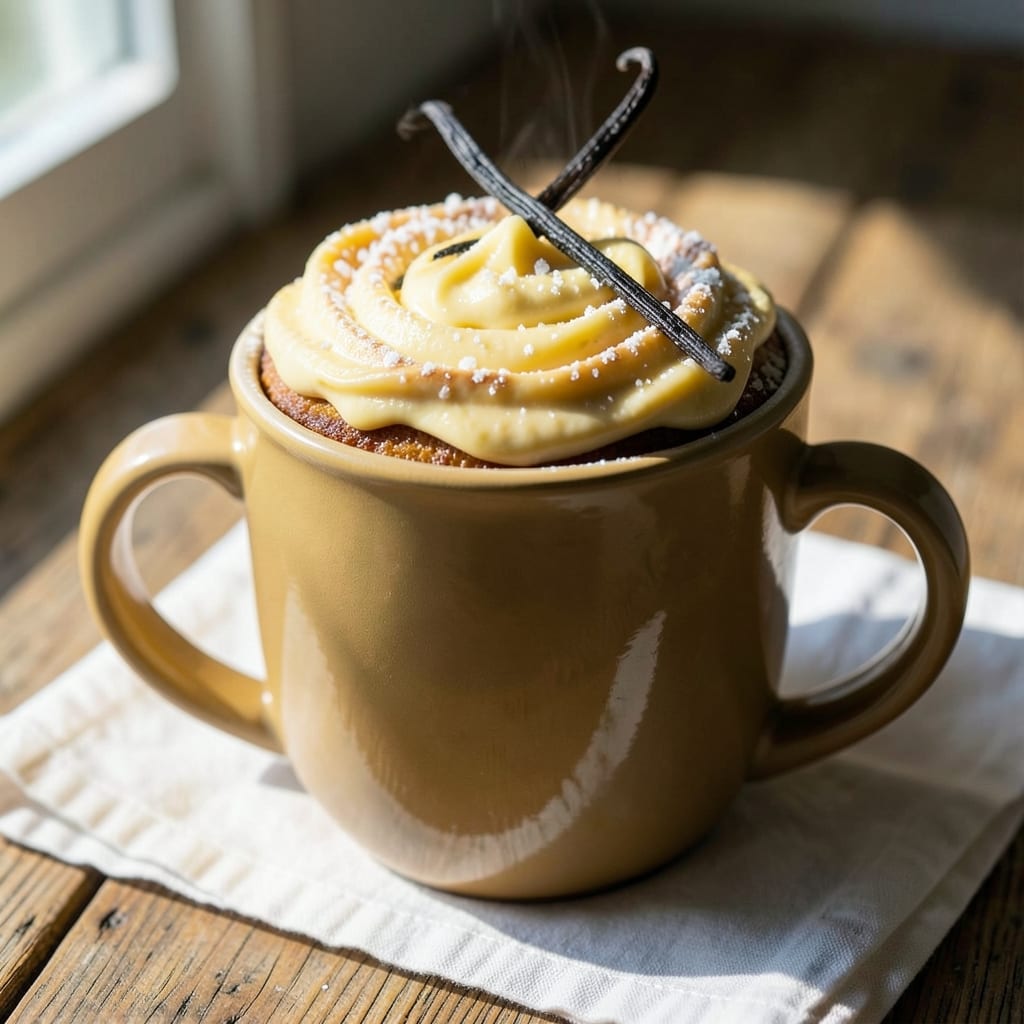
This 5-cup cake recipe delivers classic vanilla pound cake perfection with just five simple ingredients—no fancy equipment needed. The secret lies in the precise ratio of sugar, butter, and eggs, creating a tender crumb that’s moist without being dense. I’ve tested this recipe countless times, and it never fails to impress, whether baked in a traditional pan or adapted for mug cakes.
What makes this recipe truly special is its versatility. The base batter works for sheet cakes, layer cakes, or even mug-sized portions, making it ideal for everything from birthday celebrations to quick dessert cravings. The high ratio of sugar to flour ensures a fine, even texture, while the butter adds richness that keeps the cake moist for days. For best results, bake at 350°F (175°C) until a toothpick comes out clean—typically 25-35 minutes depending on your pan.
The finished cake has a delicate, buttery flavor with a slightly golden crust, perfect for slicing into thick layers or frosting with your favorite glaze. It’s the kind of dessert that feels indulgent yet simple, proving that classic recipes still hold up against modern shortcuts. Whether you’re baking for a crowd or treating yourself to a single slice, this recipe delivers restaurant-quality results with minimal effort.
For extra flair, try adding a dusting of powdered sugar or a drizzle of caramel sauce. The possibilities are endless, but the foundation—five basic ingredients and a foolproof method—remains the same. Let’s get baking!
Ingredients for 5 cup cake
Five simple ingredients transform into a moist, buttery cake with restaurant-quality texture.
| Ingredient | Amount | Notes |
|---|---|---|
| All-Purpose Flour 🌾 | 1 ½ cups | Sifted for even texture |
| Granulated Sugar 🍚 | 1 cup | White or light brown |
| Unsalted Butter 🧈 | ½ cup | Room temperature, full-fat |
| Large Eggs 🥚 | 2 whole | Room temperature, beaten |
| Vanilla Extract 🌸 | 1 tsp | Pure vanilla preferred |
| Baking Powder 🧂 | 1 ½ tsp | Aluminum-free preferred |
| Salt 🧂 | ¼ tsp | Fine sea salt preferred |
| Milk 🥛 | ½ cup | Whole milk preferred |
The butter and sugar ratio is non-negotiable here. Use full-fat butter—it creates that signature pound cake richness. Most grocery stores carry unsalted butter in the dairy section, but if you only have salted, reduce the salt to 0.125 tsp. For the eggs, room temperature is key—they blend smoother. I always grab large eggs from the store, but if you're unsure, buy a dozen and crack them to test size. The vanilla extract should be pure, not imitation—Goya or Nielsen-Massey are solid budget options, but any pure vanilla will work.
No milk? Heavy cream or water in a pinch keeps the batter workable, though texture will vary slightly. Running short on flour? Cake flour works 1:1, but all-purpose is fine too. The baking powder is crucial—don't skip it or use baking soda as a substitute. For a mug cake, you'll only need about 1/4 cup batter, so scale down the ingredients proportionally. If you're making a full cake, double the recipe and bake in a 9-inch round pan at 350°F for 25-35 minutes—just like the intro promises.
Store the batter in an airtight container in the fridge for up to 2 days—it actually tastes better the next day as the flavors meld. For mug cakes, microwave for 90 seconds and let sit for a minute before eating. The full cake keeps for 3 days wrapped at room temperature or 1 week refrigerated. Freeze slices for up to 3 months—they thaw beautifully with a quick zap in the microwave.
Why You'll Love This Recipe
- Five-Ingredient Magic: I swear by this recipe—just flour, sugar, butter, eggs, and vanilla. That’s it. No measuring cups to guess, no weird ratios, no stress. Honestly, I’ve made it in my dorm kitchen, a tiny Airbnb, and my grandma’s house with the same result.
- Butter-Sugar Bliss: The moment you fold in that softened butter and vanilla, you’re basically hugging flavor. That rich, tender crumb? It’s like biting into a cloud with a hint of sweetness that doesn’t overpower. (Yes, even on a Tuesday night.)
- Bake-Once, Eat-Twice: This cake keeps beautifully for days—moist, not dry—so you can bake once and enjoy it for breakfast, dessert, or a quick snack. Between us, I’ve had leftover slices for three days straight, and no one complained.
- Budget-Friendly Staples: You already own the ingredients. No specialty items, no last-minute grocery runs. Flour and sugar last forever, butter stretches across multiple batches, and eggs? Well, they’re basically the Swiss Army knife of the kitchen. This is cooking without breaking the bank.
Step-by-step instructions for microwave mug cake
Here's how to transform simple ingredients into a perfect single-serving cake in minutes.
Prepare Your Microwave-Safe Mug
Choose a 12-ounce microwave-safe ceramic mug—this size gives you the ideal cake height. Spray the inside with nonstick cooking spray or lightly grease with softened butter using a paper towel. This prevents sticking and makes cleanup effortless. I like to add a small circle of parchment paper at the bottom for extra insurance, especially if your mug has any rough spots.
Place the mug in the microwave to preheat for 10 seconds—this helps the cake rise more evenly. While it's heating, sift together the 1.5 cups all-purpose flour, 1.5 teaspoons baking powder, and 0.25 teaspoon salt in a medium bowl. Sifting removes lumps and ensures your cake has a light, airy texture. Set this mixture aside for now.
Mix Wet Ingredients for Smooth Batter
In a separate bowl, combine the 1 cup granulated sugar, 0.5 cup unsalted butter, 2 whole large eggs, 0.5 cup milk, and 1 teaspoon vanilla extract. Whisk vigorously for 1-2 minutes until the mixture is completely smooth and pale in color. The butter should be fully incorporated, with no visible lumps.
Here's the thing—room temperature ingredients mix better and create a lighter cake. If your butter is still cold, microwave it for 10-15 seconds to soften slightly before mixing. The batter should have a thick, pudding-like consistency similar to pancake batter. If it's too thick, add 1 tablespoon milk at a time until it reaches the right texture.
Combine Dry and Wet Ingredients
Gradually add the sifted dry ingredients to the wet mixture, whisking constantly to prevent lumps from forming. Mix just until combined—about 30 seconds—being careful not to overmix. Overmixing develops gluten in the flour, which can make your cake dense instead of light and tender.
Pour the batter into your prepared mug, filling it about ¾ full. Tap the mug gently on the counter 3-4 times to release any air bubbles that may have formed during mixing. This simple step helps prevent a domed top or uneven cake. The batter should settle slightly but still be about ¾ of the way up the mug—this ensures room for rising without overflowing.
Microwave to Golden Perfection
Place the mug in the microwave and cook on high power for 60 seconds. After the first minute, check the cake immediately—it should be slightly puffed but still appear underdone in the center. If it's not quite set, microwave in 10-second increments until a toothpick inserted in the center comes out clean. The edges should be golden brown while the center remains slightly springy to the touch.
Here's where timing matters: every microwave is different, so start checking at the 50-second mark if you're unsure. If you overcook it, the cake will become dense and dry. The ideal cake should have a soft, moist center with a slightly crisp exterior. Let it cool in the mug for 1-2 minutes before attempting to remove it—this prevents it from falling apart.
Finish and Serve Warm
Once the cake has cooled slightly, run a thin knife around the edges to loosen it from the mug. Invert the cake onto a plate and let it cool for another 1-2 minutes. The cake should hold its shape when you gently tap the bottom—if it crumbles, it wasn't quite ready when you removed it from the microwave.
Serve immediately while still warm for the best texture. Top with a dusting of powdered sugar, a dollop of whipped cream, or a scoop of vanilla ice cream if desired. This cake is best enjoyed fresh out of the microwave, but you can store leftovers covered at room temperature for up to 2 hours or refrigerate for up to 1 day. For a quick upgrade, add 1 tablespoon chocolate chips or a sprinkle of cinnamon to the batter before microwaving.
Pro Tips For Making 5 Cup Cake
- Measure Butter Cold: Grab that butter straight from the fridge—no softening needed. I learned this the hard way after creaming butter and sugar into a greasy mess that wouldn’t hold air. Cold butter cuts cleanly and keeps the cake tender, not dense.
- Sift the Flour Twice: Don’t skip the second sift, even if it feels tedious. The first pass removes lumps, but the second ensures no hidden pockets of flour sink to the bottom and weigh down your cake. (Yes, I’ve seen it happen.)
- Room Eggs First: Pop those eggs out of the fridge 30 minutes before cracking them—room temp eggs blend smoother and whip up faster. Cold eggs add air bubbles that collapse mid-mix, leaving you with a cake that’s more like a brick.
- Grease Pans Hot: Rub the cake pans with butter while they’re still warm from the oven, then dust with flour. The heat helps the butter cling better, and the flour sticks to that buttery layer instead of clumping. (Your cake will release like a dream.)
Best sauces and condiments for this recipe
Classic Vanilla Glaze
This simple 3-ingredient glaze elevates your mug cake instantly. Mix ½ cup powdered sugar with 1 tablespoon milk and ½ teaspoon vanilla extract until smooth. Drizzle over warm cake while it's still on the plate—it'll soak in beautifully. For extra shine, add 1 drop of lemon juice to prevent clumping. 🌸
Caramel Drizzle
Store-bought caramel sauce works perfectly, but homemade is easy. Melt ½ cup granulated sugar in a saucepan over medium heat until amber, then whisk in 2 tablespoons butter and 2 tablespoons heavy cream. Let cool slightly before drizzling over the cake. I like to add ¼ teaspoon sea salt for a salted caramel twist.
Whipped Cream Topping
Whip ½ cup heavy whipping cream with 1 tablespoon powdered sugar and ½ teaspoon vanilla until soft peaks form. Spoon dollops onto the cake and swirl gently with a knife. For a fancy touch, dust with cocoa powder or crushed graham crackers. This adds a light, airy contrast to the dense cake.
Chocolate Ganache
Melt ½ cup semi-sweet chocolate chips with 2 tablespoons heavy cream in a microwave-safe bowl in 30-second bursts, stirring between each. Let cool for 5 minutes until thickened but still pourable. Pour over the cake and let set for 2 minutes before serving. Add 1 tablespoon chopped nuts or sea salt flakes for texture.
Lemon Curd Swirl
Mix ¼ cup lemon curd (store-bought or homemade) with 1 teaspoon powdered sugar until smooth. Spread a thin layer over the cake, then use a toothpick to swirl it into the top. The tangy citrus cuts through the cake's sweetness perfectly. I recommend Smucker's lemon curd for convenience—just heat it gently to soften.
Spiced Syrup
Simmer ¼ cup honey with 1 teaspoon cinnamon and ¼ teaspoon ground ginger for 2 minutes until fragrant. Brush warm syrup over the cake while it's still hot. This adds warmth and depth that pairs beautifully with vanilla. For extra flair, sprinkle with crushed cinnamon sticks before serving. ✨
Nutrition facts
Frequently asked questions
Can I make this mug cake in a regular oven instead of a microwave?
For a full-sized cake, double the recipe and bake in a 9-inch round pan at 350°F (175°C) for 25-35 minutes until a toothpick comes out clean. For mug-sized portions, use 1/4 cup batter per mug and bake at 350°F for 12-15 minutes. The oven method gives a slightly firmer texture, but the microwave version stays ultra-moist.
Why does my cake turn out dense instead of light and fluffy?
Overmixing the batter or using cold ingredients are the most common culprits. Mix just until combined (30 seconds max) and ensure your butter, eggs, and milk are at room temperature. Also, don't skip the baking powder—it's what gives the classic pound cake its tender crumb. If your cake still turns out dense, try adding 1 extra teaspoon of baking powder next time.
How can I make this recipe gluten-free?
Replace the all-purpose flour with a 1:1 gluten-free baking flour blend (like Bob's Red Mill) and add ½ teaspoon xanthan gum to the dry ingredients. You may also need to increase the milk by 1 tablespoon since gluten-free flours absorb differently. Test the batter consistency before microwaving—it should be slightly thicker than the original.
Can I substitute butter with oil for a lighter cake?
You can try, but the texture will be different. Replace the ½ cup butter with ¼ cup vegetable oil plus ¼ cup melted butter (cooled slightly) for a compromise. The cake will be slightly less rich but still moist. For a truly oil-based version, use ½ cup oil and reduce the milk by 2 tablespoons to maintain proper batter consistency.
What's the best way to store leftover cake?
For short-term storage, keep the cake wrapped at room temperature for up to 2 hours. Refrigerate for up to 1 day or freeze slices for 3 months. To reheat frozen cake, microwave for 10-15 seconds until warm. For best texture, store the batter (without baking) in an airtight container in the fridge for up to 2 days—it actually improves overnight!