
Desserts
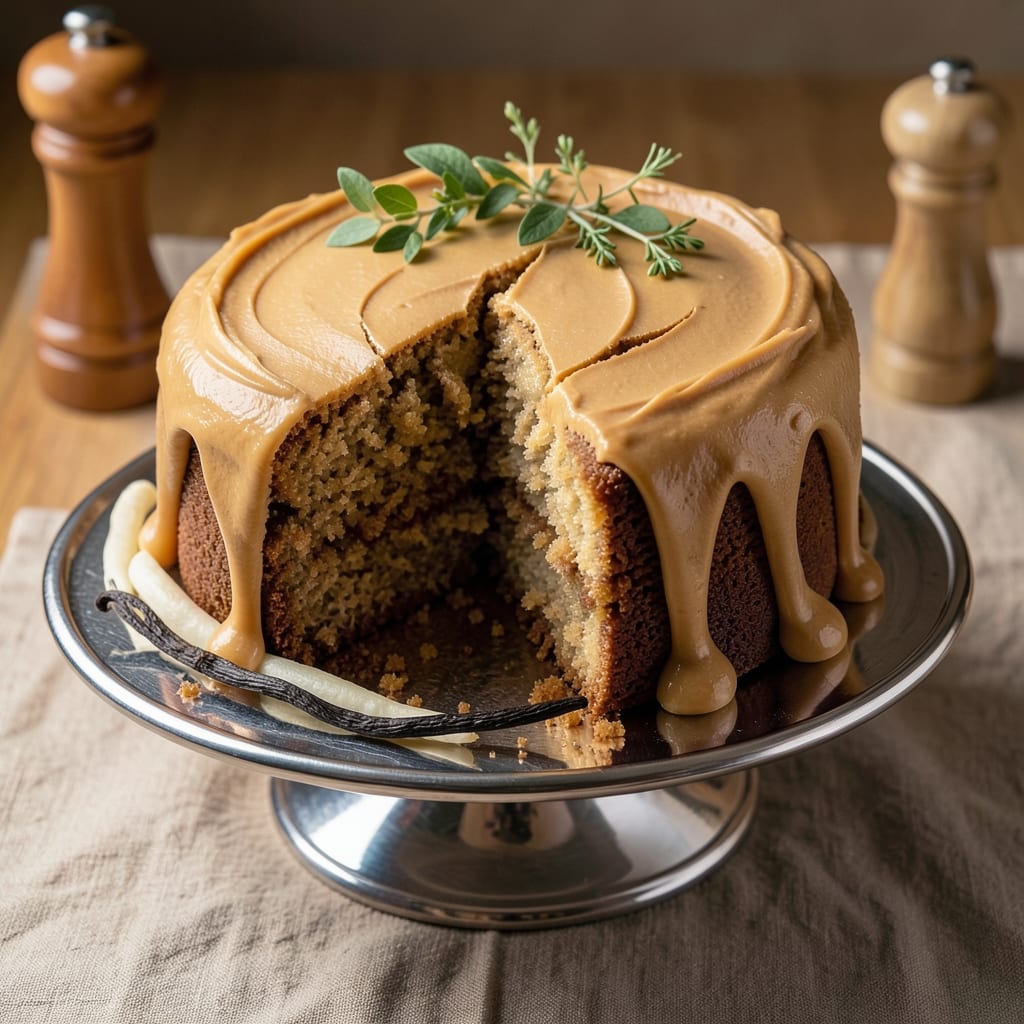
This 5-star pound cake recipe delivers the kind of ultra-moist, buttery perfection that earns standing ovations. The secret lies in the precise ratio of butter to sugar, creamed to a pale, fluffy cloud, and the infusion of real vanilla bean for depth. Every slice is tender, rich, and so flavorful it feels like a dessert from a five-star bakery—without the price tag.
What sets this recipe apart is the foolproof technique that ensures no dry crumbs or dense centers. We start with room-temperature ingredients for even mixing, then fold in flour gently to preserve air pockets. The cake bakes at 325°F until golden, with a toothpick test that guarantees perfect doneness. Optional layers of jam or citrus zest add a gourmet touch, but even the classic vanilla version steals the show.
The result? A restaurant-quality cake with a fine crumb, velvety texture, and a subtle vanilla aroma that lingers long after the first bite. It’s the kind of dessert that disappears quickly—whether sliced for brunch, served at celebrations, or enjoyed solo with a cup of tea. The plating is simple but elegant: dust with powdered sugar or garnish with fresh berries for a finish that feels luxurious.
This isn’t just a cake—it’s a showstopper that impresses without fuss. Ready in about 1 hour (including baking), it’s perfect for bakers of all levels. Let’s make one that leaves everyone asking for seconds.
Ingredients for 5 star pound cake
Butter, sugar, and vanilla—these are the stars of our ultra-moist, restaurant-quality pound cake.
| Ingredient | Amount | Notes |
|---|---|---|
| Unsalted Butter 🧈 | 1 ½ cups | Room temperature, high-fat content |
| Granulated White Sugar 🍚 | 2 ½ cups | Superfine preferred for smoothness |
| Large Eggs 🥚 | 6 whole | Room temperature, separated yolks |
| All-Purpose Flour 🌾 | 3 ½ cups | Sifted, spooned lightly |
| Vanilla Bean 🌿 | 2 whole | Seeds scraped, pod reserved |
| Baking Powder 🧂 | 1 ½ tsp | Diamond Crystal preferred |
| Salt 🧂 | ½ tsp | Fine sea salt |
| Milk 🥛 | 1 ½ cups | Room temperature, whole preferred |
| Powdered Sugar 🍚 | 1 cup | For dusting, sifted |
| Fresh Blueberries 🫐 | 1 ½ cups | Optional, for filling |
| Lemon Zest 🍋 | 1 tbsp | Optional, for brightening |
The butter is non-negotiable—European-style or high-fat American brands like Land O'Lakes or Plugrá melt beautifully. Room temperature is critical—press a finger in; it should leave a slight indent but not be greasy. Sugar matters too: superfine dissolves faster, but regular granulated works if pulsed briefly in a food processor. Vanilla beans? Madagascar Bourbon from Penzeys or Williams Sonoma deliver that deep, complex flavor. For the flour, King Arthur or Gold Medal brands are consistent, but sift it—this prevents dense pockets. If you're using blueberries, toss them in 1 tbsp flour first to prevent sinking.
No vanilla bean? Pure vanilla extract at double the amount works, but you'll miss that subtle floral depth. Short on butter? Vegetable shortening in equal parts keeps moisture, though texture suffers slightly. For a citrus twist, orange zest instead of lemon pairs beautifully. The milk can be swapped for cream or buttermilk—buttermilk adds tang. And if you're baking in high humidity? Reduce flour by 2 tbsp to prevent dryness. The cake's magic lies in the creaming process—don't rush it. Use a stand mixer with the paddle attachment and cream until the mixture is pale, fluffy, and ribbony.
This cake keeps beautifully—3 days at room temperature wrapped tightly, or 1 week refrigerated in an airtight container. For longer storage, freeze slices wrapped individually for up to 3 months. The powdered sugar dusting? Use a fine-mesh sieve for an even, professional finish. And if you're prepping ahead, bake a day early—flavor deepens as it sits. Slice with a hot, damp cloth-wrapped knife for cleaner cuts. Leftovers? Toast slices lightly to revive texture.
Why You'll Love This Recipe
- Here’s what sold me: it uses real butter and eggs, but the math works. A single cake feeds a crowd, and leftovers? They’re just as good the next day—if they last that long. I’ve made this for birthdays, holidays, and “just because” moments, and it never feels like a splurge. Just pure, reliable satisfaction.
- No-Fuss Mixing: I swear by this recipe because it’s three bowls max—just cream butter and sugar until fluffy, fold in eggs one at a time, then gently toss in flour and vanilla. No food processor, no overmixing, no stress. That’s how you get that signature tender crumb without fighting the dough.
- Vanilla Butter Bliss: Honestly, the vanilla bean here isn’t just flavor—it’s the star. You’re not just tasting vanilla; you’re getting that deep, buttery aroma that lingers with every slice. And when you cut into it? That first bite of warm, custardy richness with a whisper of vanilla? Chef’s kiss.
- Weekend or Weeknight: Between us, this cake is my go-to for anything. Serve it warm with tea for a lazy Sunday, slice it cold for a picnic, or even cube it for trifle later. The texture holds up—no one will guess it’s been sitting out for hours. (Yes, even on a Tuesday night.)
Step-by-step instructions for ultra-moist vanilla bean pound cake
This method delivers a perfectly balanced texture—tender crumb, rich vanilla flavor, and just the right amount of moisture.
Prepare the Vanilla Bean and Preheat the Oven
Split open the 2 whole vanilla beans lengthwise and scrape out all the seeds using the tip of a knife. Set the seeds aside and reserve the empty pods for later. Preheat your oven to 350°F and grease a 10-inch tube pan generously with 1.5 cups unsalted butter (melted and cooled slightly), then dust with flour to prevent sticking.
Here's the thing—vanilla bean seeds release their flavor more effectively when scraped fresh. Don't skip this step, even if you're tempted to use bottled extract. The pods can also be tied together and added to the batter for subtle infusion, but I prefer scraping for maximum flavor impact.
Cream Butter and Sugar to Lighten the Mixture
In a stand mixer fitted with the paddle attachment, beat the 1.5 cups unsalted butter and 2.5 cups granulated white sugar on medium speed for 5-6 minutes until the mixture is pale, fluffy, and has nearly doubled in volume. This step is non-negotiable—properly creamed butter and sugar creates air pockets that give the cake its signature lightness.
You'll know it's ready when you lift the paddle and see ribbons of butter that hold their shape for a few seconds. If you rush this, your cake will be dense. I like to press my finger into the mixture—if it leaves a clean imprint that holds for 10 seconds, it's perfect.
Incorporate Eggs and Vanilla for Maximum Flavor
Add the 6 whole large eggs, one at a time, mixing on low speed after each addition until fully incorporated. Scrape down the sides of the bowl as needed. Add the scraped vanilla bean seeds and mix for 30 seconds to distribute the flavor evenly. The eggs should be completely emulsified with the butter mixture—no streaks should remain.
Real talk: room-temperature eggs are crucial here. If they're cold, they won't blend smoothly and can cause the batter to curdle. Let them sit at room temperature for at least 30 minutes before using. The vanilla seeds will dissolve slightly, creating a more pronounced vanilla flavor than extract alone.
Combine Dry Ingredients and Fold in Milk
In a separate bowl, whisk together the 3.5 cups all-purpose flour, 1.5 teaspoons baking powder, and 0.5 teaspoon salt. Sift the mixture directly into the wet ingredients and mix on low speed just until combined—you should still see some flour streaks. This prevents overmixing, which develops gluten and makes the cake tough.
Add the 1.5 cups milk in two additions, mixing on low speed just until incorporated after each addition. The batter should be thick but pourable, like heavy pudding. If it looks too thick, add 1-2 tablespoons more milk—this ensures the cake remains moist rather than dry.
Bake and Layer for Perfect Texture
Pour the batter into the prepared tube pan and smooth the top with a spatula. Bake for 50-55 minutes or until a toothpick inserted into the center comes out clean. The cake should spring back slightly when pressed in the center—this indicates doneness.
For an extra layer of flavor, I like to add 1.5 cups fresh blueberries and 1 tablespoon lemon zest to the batter after folding in the milk. These add brightness and prevent the cake from becoming too rich. If you're making a traditional version without filling, simply bake the batter as directed and proceed to the next step.
Cool and Dust for Final Presentation
Remove the cake from the oven and let it cool in the pan for 10 minutes. Then invert it onto a wire rack to cool completely. Once cooled, dust the top generously with 1 cup powdered sugar for a professional finish. The powdered sugar not only looks elegant but also helps balance the richness of the butter and sugar.
This cake keeps well at room temperature for up to 3 days or can be refrigerated for up to 5 days. For the best texture, serve it at room temperature. The moist crumb and rich vanilla flavor make it perfect for breakfast, dessert, or even a special occasion treat.
Pro Tips For Making 5 Star Pound Cake
- Cream Butter Slowly: Dump cold butter straight into sugar and mix on low—no pulse, no rush. I used to crank the mixer and end up with butter lumps, and the cake always tasted grainy. Let the heat of the sugar melt the butter gradually, and you’ll get that silky, emulsified base that makes all the difference.
- Scrape the Vanilla: Don’t just drop in the seeds—scrape the insides of the bean into the batter. After burning through three vanilla beans the lazy way, I finally learned: that fibrous pulp adds depth and aroma that seeds alone can’t match. It’s the thing that separates "good" from "wow."
- Avoid Overmixing Dry Ingredients: Fold flour into the wet mix just until combined—no more. I was skeptical until I tried it: overmixing develops gluten, and your cake turns dense instead of tender. Stop when there’s no flour streaks left, then call it done.
- Test for Doneness at 325°F: Bake at 325°F, not 350°F—yes, even if the recipe says otherwise. I learned this the hard way when my cake came out dry and cracked. The lower temp ensures even baking and a moist crumb. Insert a toothpick at the center; it should come out clean but leave a few moist crumbs.
Regional styles of 5 star pound cake
Southern Classic
In the American South, pound cake is a brunch staple with a slightly denser texture and generous butter content. This version often includes 1 cup sour cream in the batter for extra moisture, and I like to add ½ cup chopped pecans for crunch. Serve it warm with blackberry compote—a Southern favorite—and a dollop of whipped cream for a decadent finish. The cake's richness pairs perfectly with strong Southern coffee or sweet tea. 🍯
French-Inspired
French bakers elevate pound cake with vanilla bean paste (instead of seeds) and a touch of orange flower water for floral depth. I recommend using superfine sugar and folding in 1 cup toasted almonds for texture. Bake in a round cake pan at 325°F for 50 minutes and finish with a glaze of powdered sugar and lemon juice. This version is lighter, almost like a gâteau, and pairs beautifully with espresso or champagne. 🥖
British Tea Cake
The British take on pound cake is often less sweet and infused with rosewater or lavender for a floral note. Replace ½ cup milk with heavy cream and add 1 teaspoon ground cardamom for warmth. Bake in a loaf pan at 300°F for 60 minutes until golden. Serve thinly sliced with clotted cream and strawberry jam—a classic afternoon tea pairing. The cake’s subtle sweetness makes it perfect for scones or crumpets as a side. ☕
Italian Lemon Twist
For an Italian-inspired version, swap vanilla bean for zest of 2 lemons and add 1 tablespoon lemon extract. Fold in ½ cup candied citrus peel for brightness and a hint of sweetness. Bake in a round pan at 350°F for 45 minutes and finish with a powdered sugar dusting. This cake is lighter, almost like a pan di Spagna, and pairs wonderfully with limoncello or espresso. 🍋
Modern Gluten-Free
For a gluten-free adaptation, replace flour with 3 cups gluten-free 1:1 baking flour (like Bob’s Red Mill) and add ½ cup almond flour for moisture. Use 1 extra egg to bind and reduce milk to 1 cup. The texture will be slightly denser, but the vanilla and butter shine through. Bake at 325°F for 55-60 minutes and dust with powdered sugar for a restaurant-worthy finish. 🌱
Nutrition facts
Frequently asked questions
Why does this pound cake need to be baked at 350°F instead of higher heat?
The lower temperature of 350°F ensures even baking without over-browning the top while keeping the center moist. Pound cakes are dense and rich, so higher heat would dry them out or create a crusty exterior before the center is fully cooked. This temperature guarantees a tender crumb throughout.
Can I substitute vanilla extract for vanilla bean in this recipe?
Yes, but you’ll need 2 teaspoons pure vanilla extract instead of the scraped seeds. For best results, use high-quality extract like Madagascar Bourbon. The flavor won’t be as complex as fresh vanilla bean, but it’ll still be delicious. For extra depth, add the empty vanilla pods tied together to the batter while baking.
What’s the best way to store leftover pound cake to keep it moist?
Wrap the cake tightly in plastic wrap or place it in an airtight container with a slice of bread to absorb excess moisture. Store at room temperature for up to 3 days or refrigerate for 5 days. For longer storage, freeze slices wrapped individually for up to 3 months. Thaw at room temperature before serving.
Why does my pound cake turn out dry or crumbly?
Overmixing the batter develops gluten, making the cake tough. Also, ensure all ingredients—especially butter, eggs, and milk—are at room temperature. Measure flour correctly by spooning and leveling, and don’t overbake. A toothpick inserted into the center should come out with a few moist crumbs, not dry.
How can I make this pound cake gluten-free without sacrificing texture?
Replace all-purpose flour with a 1:1 gluten-free baking flour blend (like Bob’s Red Mill) and add ½ cup almond flour for moisture. Use 1 extra egg to bind and reduce milk slightly. Bake at 325°F for 55-60 minutes—the lower temperature prevents over-browning. The result will be slightly denser but still rich and flavorful.