
Desserts
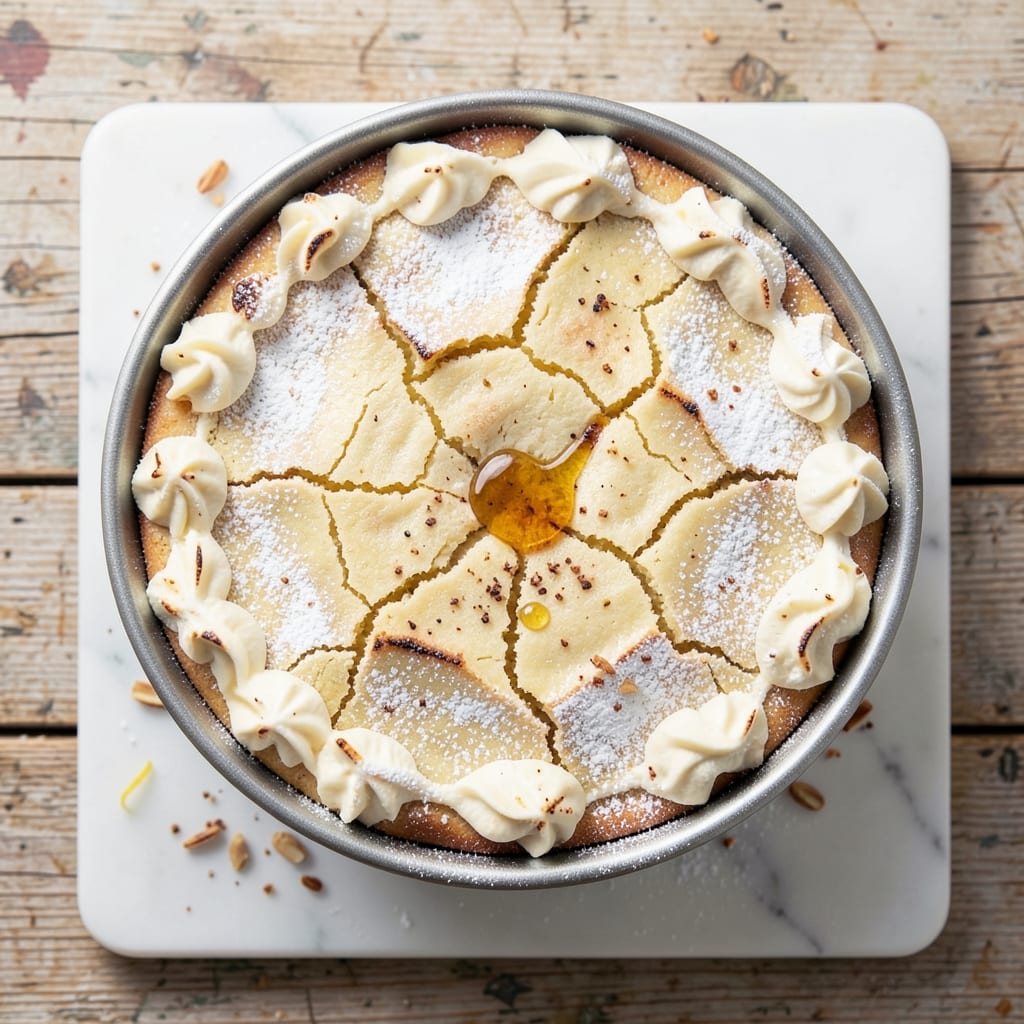
This 6-egg cake recipe delivers a perfectly moist, tender crumb with golden edges—no fancy equipment needed, just one tin and a few essential ingredients. The secret lies in the egg-to-flour ratio, which creates that signature lightness while keeping the texture rich and velvety. I developed this version after years of baking, and it’s the one my family requests for birthdays and holidays.
The beauty of this recipe is its simplicity: vanilla buttercream rivers swirl through the batter, adding pockets of sweetness without overpowering the delicate cake. It bakes in just 30 minutes at 350°F, making it ideal for last-minute celebrations. The high egg content ensures a stable structure, so it won’t collapse like some lighter cakes.
What you’ll end up with is a cake that’s rich yet light, with a fine crumb and a subtle vanilla aroma that fills your kitchen. The buttercream rivers create a marbled effect that’s both beautiful and delicious—no frosting required, though a dusting of powdered sugar adds a professional touch.
Serve it plain for a classic dessert or add fresh berries and whipped cream for a festive twist. This cake is versatile enough for any occasion but simple enough for weeknight treats. Let’s get baking!
Ingredients for 6 egg cake
Six eggs, one tin, and these 12 ingredients transform into a showstopping cake with golden edges and vanilla buttercream swirls.
| Ingredient | Amount | Notes |
|---|---|---|
| Large Eggs 🥚 | 6 whole | Room temperature for even mixing |
| All-Purpose Flour 🌾 | 2 ½ cups | Sifted for light texture |
| Granulated Sugar 🍚 | 1 ½ cups | Superfine preferred for smoothness |
| Unsalted Butter 🧈 | 1 cup | Cold, cubed for proper creaming |
| Pure Vanilla Extract 🌿 | 2 tsp | High-quality Madagascar bourbon |
| Baking Powder 🧂 | 1 ½ tsp | Freshly measured for lift |
| Salt 🧂 | ½ tsp | Fine sea salt for balance |
| Whole Milk 🥛 | ½ cup | Room temperature for smooth batter |
| Vanilla Buttercream Filling 🍰 | 1 ½ cups | Made with 8 oz softened butter |
| Powdered Sugar 🍚 | 3 cups | For dusting and buttercream |
| Fresh Blueberries 🫐 | 1 cup | Optional for berry rivers |
| Lemon Zest 🍋 | 1 tsp | Brightens the flavor profile |
The eggs are the star here—room temperature is non-negotiable for that signature tender crumb. Grab the large eggs from the middle of the carton for consistent size, and if you're feeling fancy, Kirkland Signature or Organic Valley brands deliver the best flavor. For flour, King Arthur or Bob's Red Mill are my go-tos—they're sifted and light, which prevents dense cake. The butter should be cold when you measure it; pull it from the fridge 30 minutes before starting. As for vanilla, Madagascar bourbon extract from McCormick or Lake Champlain gives that authentic depth you can't get from imitation.
No vanilla extract? Vanilla bean paste at half the amount works in a pinch, though it'll be slightly thicker. Running short on milk? Evaporated coconut milk mimics the richness without altering the texture. The baking powder must be fresh—if it's older than six months, test it in a small bowl with water; it should fizz vigorously. For the buttercream rivers, you can use store-bought Betty Crocker vanilla frosting if you're in a hurry, but homemade with European-style butter (like Plugrá) makes all the difference. The blueberries? Use whatever's in season—frozen works too if you toss them in a sieve to drain excess liquid first.
This cake keeps beautifully for 3 days in an airtight container at room temperature, though it's best enjoyed fresh. For longer storage, wrap tightly in plastic and refrigerate for up to 5 days. The buttercream rivers soften slightly in warm weather, so I always chill the cake 1 hour before slicing. If you're prepping ahead, make the batter and refrigerate it overnight—just let it sit at room temperature for 30 minutes before baking. The powdered sugar dusting? Use a fine-mesh sieve for that professional look, and store any leftovers in a sealed jar for dusting future desserts.
Why You'll Love This Recipe
- No Mixer Needed: I swear by this recipe when my mixer’s on strike—just whisk those eggs and flour by hand until smooth. The butter and sugar melt together so effortlessly, you’ll forget how little work went into it.
- Vanilla Butter Bliss: That vanilla extract? It’s not just flavor—it’s the star. The butter gets infused with it while melting, and every bite tastes like a warm hug from a bakery. (Yes, even on a Tuesday night.)
- Leftover Goldmine: This cake keeps beautifully for days, so I bake it once and enjoy it twice. Slice it for breakfast, pack it for lunches, or serve it cold with whipped cream—it’s always a win.
- Budget Baking: Six eggs mean rich, tender layers without breaking the bank, and the rest of the ingredients are pantry staples. Honestly, I make this instead of store-bought cake all the time—same (or better) taste for way less.
Step-by-step instructions for one-tin vanilla blueberry cake
This recipe delivers a tender, moist cake with rivers of vanilla buttercream—all baked in a single tin.
Prepare the Cake Batter
Preheat your oven to 350°F and grease an 8-inch round cake tin generously with butter, then dust with flour. In a large mixing bowl, whisk together the 6 whole Large Eggs and 1.5 cups Granulated Sugar over a double boiler or in a microwave-safe bowl until the mixture reaches 110°F and becomes pale and thick—about 5-7 minutes. This step ensures a light, airy texture.
Remove from heat and let cool slightly, then whisk in the 1 cup Unsalted Butter, 2 tsp Pure Vanilla Extract, and 1 tsp Lemon Zest until fully combined. In a separate bowl, sift together the 2.5 cups All-Purpose Flour, 1.5 tsp Baking Powder, and 0.5 tsp Salt. Gently fold the dry ingredients into the egg mixture in three additions, alternating with the 0.5 cup Whole Milk, until just combined. Avoid overmixing—lumps are fine, but don’t develop gluten.
Bake the Cake
Pour the batter into the prepared tin and smooth the top. Bake for 35-40 minutes until a toothpick inserted into the center comes out clean and the edges pull away slightly from the pan. The cake should be golden on top but still tender—overbaking leads to dryness. If the top browns too quickly, tent loosely with foil after 20 minutes to prevent overcoloring.
Let the cake cool in the tin for 10 minutes, then transfer to a wire rack to cool completely. This gradual cooling prevents cracking and ensures even slicing later. While the cake cools, prepare the 1.5 cups Vanilla Buttercream Filling by whipping the 8 oz softened butter (from the buttercream recipe) with 3 cups Powdered Sugar and 2 tsp Pure Vanilla Extract until light and fluffy.
Create the Berry Rivers
Once the cake is fully cooled, place it on a cake stand or plate. Spread a thin layer of the Vanilla Buttercream Filling over the top, leaving a ½-inch border uncovered. Arrange the 1 cup Fresh Blueberries in a circular pattern, slightly overlapping, about 1 inch apart. Press gently to create small indentations for the buttercream to flow through.
Pipe the remaining buttercream in a zigzag pattern over the blueberries, starting from the center and working outward. The buttercream should ooze through the gaps, creating natural rivers as it sets. Chill the cake in the refrigerator for 30 minutes to firm up the buttercream before slicing. This step is where the magic happens—those golden rivers of vanilla buttercream make this cake irresistible.
Serve and Enjoy
Slice the cake into 8 equal wedges using a serrated knife dipped in hot water and wiped clean between cuts. The rivers of buttercream will glisten and pull slightly as you cut, revealing the tender cake beneath. Serve immediately for the best texture—each bite delivers a perfect balance of moist cake, sweet berries, and creamy buttercream.
For extra flair, dust the top with Powdered Sugar just before serving. This cake keeps well at room temperature for 2 days or refrigerated for 4 days, though the buttercream rivers are best enjoyed fresh. The lemon zest adds a subtle brightness that cuts through the richness of the buttercream, making every slice feel special.
Pro Tips For Making 6 Egg Cake
- Whisk Eggs Like Crazy: Don’t just stir those six eggs—whisk them vigorously for 2-3 minutes until the yolks and whites blend into a pale, ribbon-like consistency. I learned this the hard way: skipping this step leaves your cake dense and unevenly baked, no matter how perfectly you measure the rest.
- Melt Butter Slowly: Warm the butter in the pan over low heat until it’s just melted and foamy—not browned or bubbling. After burning three batches, I finally figured out that rushing this turns the butter into a greasy mess that ruins the cake’s texture. Let it melt gently, then remove from heat before adding flour.
- Sift Flour Twice: Dump the flour into a sieve and shake it twice—once before mixing, once after—even if it looks fine. My grandmother swore by this, and she was right: clumps in flour make your cake lumpy, no matter how much you fold. It’s tedious, but it guarantees a smooth batter every time.
- Test Doneness with a Toothpick: Stick a clean toothpick into the center and pull it out—if it comes out slightly sticky but no wet batter clings, it’s done. Resist the urge to underbake hoping for extra moisture; this cake needs that firmness to hold its shape. Overbaking dries it out, so trust the toothpick, not the timer.
Regional styles of this recipe
Classic British Sponge
The British version of this cake replaces buttercream with a delicate clotted cream drizzle and fresh raspberries instead of blueberries. After baking the same base batter, fold in 1 cup whipped clotted cream and arrange 1 cup fresh raspberries in a circular pattern. The cream creates a lighter, airier texture compared to buttercream, and the tart raspberries balance the richness beautifully. 🌍
Italian Lemon Zest Twist
In Italy, this cake often incorporates lemon zest more prominently, along with a ricotta filling instead of buttercream. After baking the base, spread 1 cup whipped ricotta mixed with 2 tbsp powdered sugar and 1 tsp lemon zest over the top. Top with thin lemon slices and bake for an additional 10 minutes at 325°F to caramelize the fruit. The result is a bright, citrusy cake with a creamy center.
French Vanilla Bean Version
French bakers elevate this cake by using vanilla bean paste instead of extract and adding a chocolate ganache drizzle. After baking, make a simple ganache by heating ½ cup heavy cream and pouring it over 4 oz chopped dark chocolate. Drizzle over the cooled cake and chill for 30 minutes to set. The deep vanilla flavor from the bean paste shines through, while the ganache adds a luxurious touch. 🌟
German Apfelkuchen Style
For a German-inspired twist, replace the blueberries with thinly sliced apples and add cinnamon to the batter. After baking, arrange the apple slices in a circular pattern and drizzle with a caramel sauce made from ½ cup brown sugar and 2 tbsp butter. The warm spices and caramelized apples create a cozy, comforting dessert perfect for autumn gatherings.
Japanese Matcha Green Tea
In Japan, this cake often features matcha powder for a vibrant green hue and earthy flavor. Replace the vanilla extract with 1 tbsp matcha powder and reduce the sugar to 1 cup. After baking, top with a white chocolate ganache and fresh strawberries. The matcha adds a subtle bitterness that pairs beautifully with the sweetness of the berries and buttercream. A dusting of powdered sugar enhances the presentation.
Nutrition facts
Frequently asked questions
Can I use fewer eggs to make this cake?
The six eggs are essential for this recipe's signature tender crumb and stable structure. Using fewer eggs (like 4-5) will make the cake denser and more prone to cracking. If you're avoiding eggs, consider a different recipe—this one relies on the high egg content for its signature lightness.
Why does the recipe call for room-temperature eggs?
Room-temperature eggs incorporate better into the batter, creating a smoother texture and preventing lumps. Cold eggs can cause the batter to curdle or develop uneven pockets of air. Simply take the eggs out of the fridge 30 minutes before starting—this small step makes a huge difference in the final texture.
Can I bake this cake in a different-sized pan?
For best results, stick to an 8-inch round tin—this ensures proper baking time and even heat distribution. If you must use a different size, adjust the baking time by 2-3 minutes per inch of depth difference. For example, a 9-inch pan would need about 5-8 minutes less total baking time.
How do I fix if my cake cracks while baking?
Cracking usually happens from rapid heat changes or overmixing. To prevent it, avoid opening the oven door early and let the cake cool gradually in the pan for 10 minutes before transferring. If it cracks, don't worry—just cover it with extra buttercream rivers! The flavor won't be affected, and the filling will mask any imperfections.
Can I make this cake without blueberries?
Skip the blueberries and simply spread the buttercream directly over the cake. For extra flavor, add 1 tsp lemon juice or 1 tbsp chopped nuts to the batter. The cake will still be delicious—it's the buttercream rivers that make it special, not the berries.