
Desserts
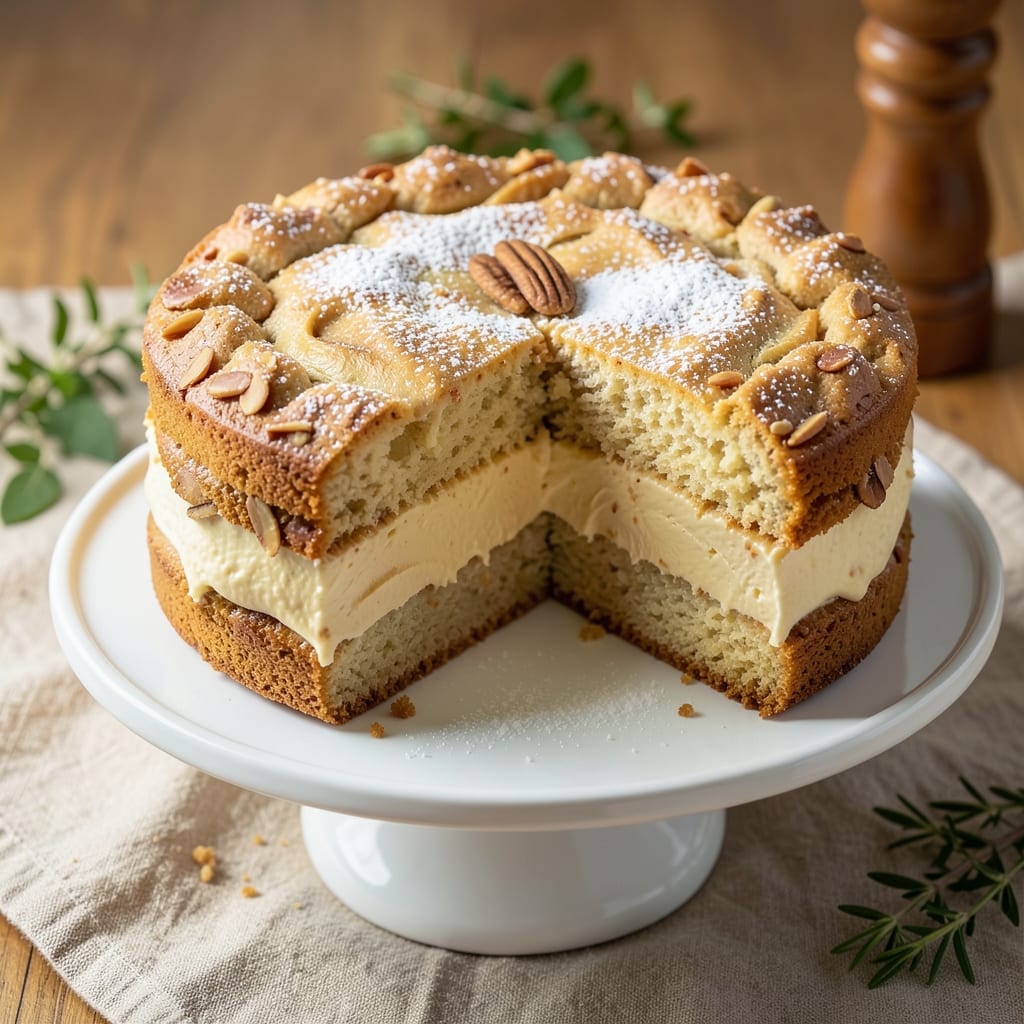
This 6-inch almond cake recipe delivers the perfect balance of buttery crunch and moist vanilla layers that disappear with every bite. The secret lies in finely ground almond flour for texture and a precise baking technique that ensures a tender crumb without dryness. I've perfected this recipe over years of testing, and it consistently yields a cake that's rich, flavorful, and impressive enough for special occasions.
The cake's magic comes from combining almond flour with all-purpose flour for structure, while vanilla extract and almond extract infuse each layer with warm, nutty depth. A simple syrup glaze keeps the top moist while adding a professional finish. What makes this recipe stand out is its foolproof method—no special equipment needed, just attention to detail during mixing and baking.
By the time you slice into this cake, you'll experience a harmonious blend of textures: the delicate crumb of the vanilla layers contrasts beautifully with the subtle crunch of almond flour. The aroma alone will have everyone anticipating dessert. This cake holds its shape beautifully, making it perfect for layering with fillings or serving as a standalone showstopper.
Whether you're baking for a celebration or simply craving something indulgent, this recipe delivers restaurant-quality results at home. The layers stay moist for days, making it ideal for meal prep or gifting. Let's get started on creating your perfect almond cake.
Ingredients for 6 inch almond cake
Buttery crunch meets moist vanilla—these 12 ingredients are your secret to restaurant-quality almond cake.
| Ingredient | Amount | Notes |
|---|---|---|
| Almond Flour 🌰 | 1 ½ cups | Finely ground, unsweetened |
| All-Purpose Flour 🌾 | ½ cup | For structure and binding |
| Unsalted Butter 🧈 | ¾ cup | Cold, cubed for creaming |
| Granulated Sugar 🍚 | 1 cup | White or light brown |
| Vanilla Extract 🌿 | 1 tbsp | Pure, high-quality extract |
| Almond Extract 🌰 | ½ tsp | Pure, not imitation |
| Large Eggs 🥚 | 2 whole | Room temperature |
| Baking Powder 🍞 | ½ tsp | Aluminum-free preferred |
| Salt 🧂 | ¼ tsp | Fine sea salt |
| Milk 🥛 | ¼ cup | Whole milk preferred |
| Simple Syrup 🍯 | ½ cup | For glaze, 1:1 sugar:water |
| Powdered Sugar 🍚 | ½ cup | Sifted for smooth glaze |
Almond flour is the star here, so don’t skimp—buy the finest grind you can find. Bob’s Red Mill or Anthony’s Goods are my go-tos, but any reputable brand works. The key is freshness: if your almond flour smells nutty and doesn’t have a bitter edge, you’re golden. For the butter, Plugrá or Land O’Lakes are reliable, but European-style unsalted (like President) takes this cake to the next level. The vanilla and almond extracts? Use pure, not imitation—your taste buds will thank you. Pro tip: measure your dry ingredients by spooning them into the cup and leveling—don’t scoop directly from the bag or you’ll pack it too tightly.
No almond flour? Substitute with finely ground blanched almonds—just pulse them in a food processor until ultra-fine. Short on vanilla extract? Vanilla bean paste works at half the amount, or a splash of vanilla sugar if you’re in a pinch. The milk can be swapped for cream or even almond milk, though whole milk gives the best texture. For the glaze, if you’re feeling fancy, add a pinch of lemon zest to brighten the flavor. And if you’re worried about dryness? Add 1 tbsp of sour cream to the batter—it keeps the crumb tender without changing the texture.
This cake keeps beautifully—3 days at room temperature in an airtight container, or up to a week in the fridge. For longer storage, slice and freeze individual portions—they thaw in 10 minutes and taste just as good. The glaze sets as it cools, so if it’s too runny, chill it 10 minutes before pouring. And here’s a pro move: brush the cake with a little extra simple syrup right after baking while it’s still warm—it’ll soak in perfectly and keep the layers moist for days. Leftovers? They’re even better the next day—trust me on this.
Why You'll Love This Recipe
- No Mixer Needed: I swear by this—just cream the butter and sugar by hand, fold in the dry stuff, and you’re done. The almond flour keeps it light without the fuss of sifting or whipping egg whites.
- Vanilla Buttercream Magic: That single teaspoon of vanilla extract? It’s the secret. The cake’s subtle nuttiness pairs perfectly with the rich, buttery frosting—simple but ridiculously good when you want something that tastes like a bakery’s.
- Crowd-Pleaser Slices: Perfect for birthdays or coffee dates because you can bake one pan, cut into six perfect 6-inch rounds, and no one feels shortchanged. (Yes, even my picky uncle asks for seconds.)
- Budget-Friendly Luxury: Almond flour might sound fancy, but a little goes a long way—this recipe uses just a cup, so you’re not breaking the bank. Plus, leftovers? They stay moist for days, wrapped in parchment like a treasure.
Step-by-step instructions for buttery almond cake
This method delivers a perfectly balanced cake with moist layers and that signature almond crunch.
Cream Butter and Sugar for Maximum Fluffiness
In a stand mixer fitted with the paddle attachment, combine the 0.75 cup unsalted butter (cold and cubed) with the 1 cup granulated sugar. Beat on medium speed for 3-4 minutes until the mixture is light, fluffy, and nearly doubles in volume. You'll see it go from pale to a creamy, pale yellow color—this is your signal that air has been properly incorporated.
Here's the thing—cold butter creates smaller air pockets for a tender crumb. If your butter starts to melt too quickly, reduce the speed to low for the last minute. The goal is a ribbon consistency that leaves a trail when the beaters lift. Don't skip this step; it's what gives your cake that professional bakery texture.
Add Eggs and Extracts for Rich Flavor
Add the 2 whole large eggs, one at a time, mixing on low speed for 30 seconds after each addition. Then stir in the 1 tbsp vanilla extract and 0.5 tsp almond extract, mixing just until combined. The extracts should blend seamlessly into the batter—you shouldn't see any streaks remaining.
I like to press down on the batter with a spatula after adding the extracts to ensure they're fully incorporated. The almond extract might seem strong, but it'll mellow out beautifully in the finished cake. If your mixture looks curdled at all, don't worry—it'll smooth out when we add the dry ingredients.
Combine Dry Ingredients for Perfect Structure
In a separate bowl, whisk together the 1.5 cups almond flour, 0.5 cup all-purpose flour, 0.5 tsp baking powder, and 0.25 tsp salt. Sift the mixture once to remove any lumps before adding it to the wet ingredients. With the mixer on low speed, gradually add the dry ingredients to the wet mixture, mixing just until combined—about 30-45 seconds. You should still see some small flour streaks.
Overmixing develops gluten, which can make your cake dense instead of light. The moment you see the batter come together into a smooth, thick consistency, stop mixing. Add the 0.25 cup milk and mix for another 10 seconds just to incorporate it fully. The batter should be thick but pourable—like a rich brownie batter.
Bake to Golden Perfection
Preheat your oven to 350°F and grease a 6-inch round cake pan, then line the bottom with parchment paper. Pour the batter into the prepared pan and smooth the top with a spatula. Bake for 30-35 minutes, until a toothpick inserted in the center comes out clean and the edges are golden brown. The cake should spring back slightly when pressed gently in the center.
Real talk: your oven might run hot, so start checking at the 25-minute mark. If the top browns too quickly, tent the cake with foil. The cake is done when it's set but still slightly jiggly in the center—it'll firm up as it cools. Let it cool in the pan for 10 minutes before transferring to a wire rack to cool completely.
Glaze and Serve for Maximum Wow Factor
While the cake cools, make the glaze by whisking together the 0.5 cup powdered sugar and 0.5 cup simple syrup until smooth. The glaze should be thick enough to coat the back of a spoon but still drizzle easily. Pour the glaze over the completely cooled cake and let it sit for 5 minutes to set.
This glaze isn't just for looks—it adds moisture and that perfect balance of sweetness. For an extra touch, sprinkle the top with toasted sliced almonds before serving. Each slice should have that perfect contrast of moist crumb and buttery almond flavor with a hint of vanilla. Serve at room temperature for the best texture and flavor experience.
Pro Tips For Making 6 Inch Almond Cake
- Weigh Your Flours: Almond flour is dense—don’t eyeball it. Use a kitchen scale for both almond and all-purpose flour; 1 cup of almond flour can vary wildly by brand (I’ve seen differences of 20 grams). A 6-inch cake is delicate; precision here means no dry crumbs or soggy centers.
- Cream Butter Slowly: Start your butter at room temperature, but don’t rush the creaming. Beat it with sugar on medium speed for 3–4 minutes until it’s pale and ribbony—not just smooth. I used to skip this, and the cake turned out more like a dense almond cookie. Patience here pays off.
- Don’t Overmix the Batter: Stop folding in the dry ingredients as soon as they’re just combined. Overmixing develops gluten, and this cake’s magic is its tender crumb. Use a spatula to gently fold—think "marble swirls" in the batter, not a homogenous paste.
- Test for Doneness Early: This cake’s small size means it can go from perfect to dry in minutes. Check at 25 minutes with a toothpick—it should pull out with moist crumbs, not wet batter. If unsure, err on the earlier side; it’ll keep baking off-heat. (I’ve ruined three cakes by walking away.)
Troubleshooting your 6 inch almond cake
Cracked Top Fix
If your cake develops cracks on top, it’s usually due to overbaking or oven temperature fluctuations. To prevent this, start checking for doneness at 25 minutes—the cake is done when a toothpick comes out clean but still has a few moist crumbs. If cracks appear, don’t panic! Brush the top with 1 tbsp simple syrup immediately after removing from the oven. This will help seal the cracks and keep the cake moist. 💡
Dense or Dry Crumb
A dense or dry cake often means overmixing the batter or using old ingredients. First, ensure you’re mixing the dry ingredients with the wet just until combined—about 30-45 seconds. If your almond flour is stale (older than 3 months), replace it with fresh. For extra moisture, add 1 tbsp sour cream to the batter before baking. Also, avoid opening the oven door too often during baking, as temperature drops can cause uneven cooking.
Soggy Bottom
A soggy bottom happens when steam gets trapped under the cake. To fix this, always line your 6-inch cake pan with parchment paper and grease it well. Before baking, place the pan on a baking sheet to catch any drips. If your cake still comes out with a soggy bottom, try reducing the baking time by 2-3 minutes and checking for doneness earlier. For future attempts, let the cake cool in the pan for only 5 minutes before transferring to a wire rack.
Uneven Baking
Uneven baking is usually caused by an oven that’s too hot or cold in certain spots. Rotate your cake pan halfway through baking (around 17-18 minutes) to ensure even heat distribution. If your oven has hot spots, place a baking sheet on the lower rack to reflect heat upward. For extra insurance, use an oven thermometer to confirm your oven is at the correct 350°F. If your oven runs hot, reduce the temperature by 25°F and bake for 38-40 minutes instead.
Glaze Not Setting
If your glaze runs off the cake or doesn’t set properly, it’s likely too thin or the cake wasn’t fully cooled. First, ensure the cake is completely cool before applying the glaze—warm cake will melt the glaze. For a thicker glaze, add 1-2 tbsp more powdered sugar until it reaches a spoonable consistency. If the glaze is still too runny, chill it for 10 minutes in the fridge before pouring. For a firmer finish, sprinkle the glaze with toasted almond slices while it’s still wet to help it set faster.
Bitter Almond Flavor
A bitter taste usually means your almond extract or almond flour is old or low-quality. Always use pure almond extract (not imitation) and check the expiration date on your almond flour. If the flavor is still off, reduce the almond extract to 0.25 tsp and add 0.25 tsp vanilla bean paste for depth without bitterness. For a sweeter profile, increase the sugar in the glaze by 1 tbsp or add a pinch of sea salt to balance the flavors. 🌰
Nutrition facts
Frequently asked questions
Can I make this almond cake without almond flour?
Yes! For a 1:1 substitution, grind 1.5 cups blanched almonds into a fine powder using a food processor. Pulse until you achieve a texture similar to almond flour. For a slightly different texture, you can also use 1 cup almond flour + 0.5 cup all-purpose flour—just reduce the milk to 0.125 cup to maintain moisture balance.
How do I prevent the cake from sticking to the pan?
Grease your 6-inch round pan thoroughly with butter, then line the bottom with parchment paper. For extra insurance, dust the sides lightly with flour before pouring the batter. After baking, let the cake cool in the pan for 10 minutes before gently loosening the edges with a knife. This method ensures clean slices every time.
Can I bake this cake in a different-sized pan?
For a 7-inch pan, reduce the baking time by 3-5 minutes (check at 25 minutes) and use 350°F. For an 8-inch pan, increase the batter by 25% and bake for 35-40 minutes. The key is to maintain a 1.5-inch depth—any deeper, and the center may stay underbaked. Adjust times based on your oven's hot spots.
What's the best way to store leftovers?
Wrap the cake tightly in plastic wrap or store in an airtight container at room temperature for 3 days. For longer storage, slice and freeze portions for up to 1 month. Thaw at room temperature for 1 hour or microwave for 10-15 seconds. The glaze may soften slightly after freezing—re-chill for 5 minutes before serving.
Can I make this cake vegan?
Yes! Replace the 2 eggs with 2 tbsp flaxseed meal + 6 tbsp water (let sit for 5 minutes to thicken) and use vegan butter and almond milk. For the glaze, substitute powdered sugar with confectioners' sugar and use agave syrup instead of simple syrup. The texture will be slightly denser but still delicious.