
Desserts
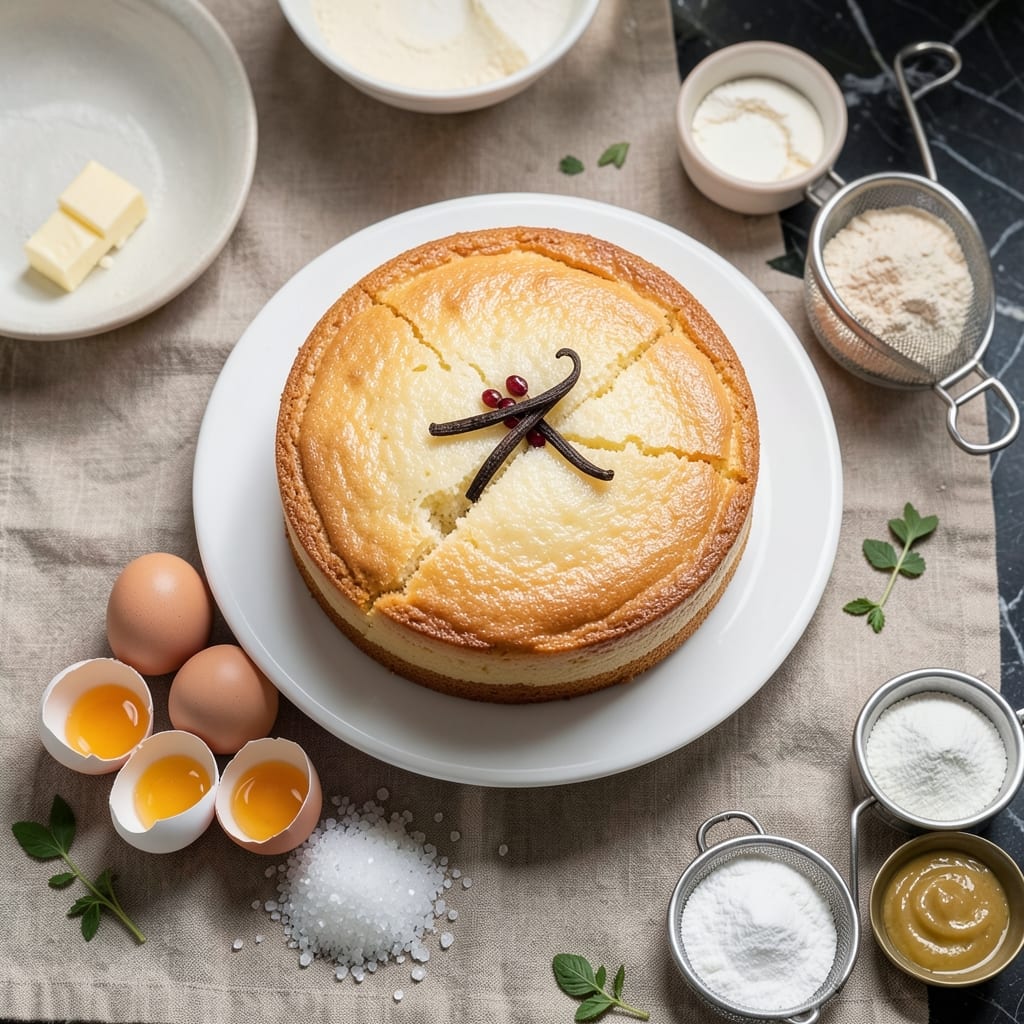
This 6-inch genoise cake recipe delivers the perfect balance of lightness and vanilla richness—ideal for elegant desserts or layering with fillings. The secret lies in precise egg incorporation and vanilla bean infusion, creating airy layers that defy density. I've perfected this technique after years of baking, ensuring consistent results every time.
What sets this recipe apart is the foolproof method for achieving a tender crumb without overmixing, paired with a vanilla bean infusion that elevates flavor beyond basic extracts. The cake's delicate structure makes it perfect for trifles, layered desserts, or even a simple dusting of powdered sugar. With just 15 minutes of prep and 25-30 minutes of baking, it's surprisingly efficient for such a refined result.
The final product boasts golden, even layers with a tender yet sturdy texture—critical for slicing cleanly. The vanilla bean's aromatic depth transforms this into a dessert worthy of special occasions, though its simplicity makes it perfect for weeknight treats. Whether you're a beginner or an experienced baker, this recipe delivers restaurant-quality results at home.
For presentation, consider dusting with powdered sugar, adding fresh berries, or layering with pastry cream. The cake's neutral flavor also pairs beautifully with citrus zest or caramel drizzles. Let's get started on creating your perfect genoise.
Ingredients for 6 inch genoise cake
Six essential ingredients transform into the lightest, most elegant genoise cake layers.
| Ingredient | Amount | Notes |
|---|---|---|
| Large Eggs 🥚 | 6 whole | Room temperature for best results |
| Granulated Sugar 🍚 | 1 cup | Superfine preferred for smooth texture |
| Unsalted Butter 🧈 | ½ cup | Melted, room temperature |
| Vanilla Bean 🌿 | 1 whole | Seeds scraped, pod reserved |
| All-Purpose Flour 🌾 | ¾ cup | Sifted for lightness |
| Cake Flour 🍞 | ¼ cup | For ultra-tender crumb |
| Baking Powder 🧂 | ½ tsp | Aluminum-free preferred |
| Salt 🧂 | ¼ tsp | Fine sea salt |
| Vanilla Extract 🍯 | 1 tsp | Pure alcohol-free if preferred |
| Whole Milk 🥛 | ¼ cup | Room temperature |
| Powdered Sugar 🍚 | ½ cup | For dusting presentation |
| Fresh Blueberries 🫐 | ½ cup | Optional for filling |
The vanilla bean is non-negotiable here—Madagascar Bourbon from Williams Sonoma delivers that signature depth. If you're using seeds only, scrape every last bit from the pod for maximum flavor. The eggs? Room temperature is critical—cold eggs create dense layers. I always buy pasture-raised eggs from Trader Joe's for the richest yolks. For the flours, Bob's Red Mill cake flour gives that signature tender crumb, but if you're substituting, blend all-purpose with cornstarch (2 tbsp per cup). The butter? European-style like Plugrá melts beautifully without greasing the pan.
No vanilla bean? Double the vanilla extract—but trust me, it's not the same. Short on cake flour? Mix 1 tbsp cornstarch with 1 cup all-purpose flour. The baking powder must be fresh—if it's over 6 months old, replace it completely. For the milk, any variety works, but whole milk gives the best moisture. The powdered sugar is purely for presentation—Confectioners' sugar from Domino dissolves beautifully. Blueberries can be swapped for raspberries or blackberries, but don't skip the toss in lemon juice first to prevent sinking. And for the love of baking, measure your flour by weight if you can—cups vary wildly.
Store the cake in an airtight container with parchment between layers for up to 3 days at room temperature. For longer storage, wrap tightly in plastic and refrigerate for 1 week. Freeze for up to 3 months—thaw at room temperature before serving. The magic of genoise is its versatility: slice thin for trifles, layer with pastry cream, or dust with powdered sugar for a simple yet stunning dessert. Pro tip: Brush the layers with simple syrup before assembling for extra moisture—game-changer for slicing.
Why You'll Love This Recipe
- No Whisk Fatigue: This recipe only needs a bowl and a whisk—no stand mixer, no food processor. I’ve made it three times while chatting with friends, and the eggs and sugar just glide together. That vanilla bean paste? One quick scrape, and you’ve got depth without fuss.
- Butter-Soft Magic: The ratio of butter to eggs here creates this insane texture—light as air but rich enough to make you pause. Honestly, the first time I sliced into mine, I nearly dropped the knife. That’s how good it is.
- Fits Any Plan: Need a single-serving treat? Done. Hosting four people? Bake two pans. It’s the cake that works when you’re not sure what you’re doing—whether it’s a last-minute dessert or your go-to breakfast cake with berries.
- Pantry Staple Power: You’re already using eggs, sugar, and flour for half your kitchen experiments. This recipe just adds butter and a vanilla bean (or paste if you’re short on time). No specialty ingredients, no wasted money—just pure, reliable cake.
Step-by-step instructions for light, airy vanilla bean genoise
Here's how to achieve that signature cloud-like texture and rich vanilla infusion every time.
Whisk Eggs and Sugar Until Ribbon Stage
In a heatproof bowl, combine the 6 whole large eggs and 1 cup granulated sugar. Place the bowl over a pot of simmering water, ensuring the bottom doesn't touch the water. This gentle heat creates a stable base for whipping. Whisk constantly for 8-10 minutes until the mixture reaches 160°F and forms soft ribbons when the whisk is lifted.
This slow warming process prevents curdling and creates the perfect foundation for that signature genoise texture. You'll know it's ready when the mixture thickens noticeably and leaves clear trails in the batter. Here's the thing—don't rush this step. The temperature must climb gradually to avoid scrambling the eggs.
Incorporate Melted Butter and Vanilla
Remove the bowl from the heat and let it cool slightly for 2 minutes. Stir in the 0.5 cup melted unsalted butter and the scraped seeds from the 1 whole vanilla bean (reserve the pod for later). Add the 1 teaspoon vanilla extract and whisk until fully combined. The mixture should be smooth and slightly thickened.
Here's where it gets fun—the vanilla bean seeds add depth that extract alone can't match. I always scrape the pod thoroughly to capture every bit of flavor. The butter should blend seamlessly, creating a velvety base for the dry ingredients we'll add next.
Fold in Dry Ingredients Gently
In a separate bowl, sift together the 0.75 cup all-purpose flour, 0.25 cup cake flour, 0.5 teaspoon baking powder, and 0.25 teaspoon salt. With a rubber spatula, gently fold one-third of the dry mixture into the egg mixture, then fold in another third. This gradual incorporation prevents overmixing and maintains that delicate airiness.
After incorporating two-thirds, add the 0.25 cup whole milk, then gently fold in the remaining dry ingredients. Stop folding when just combined—you should still see some flour streaks. Overmixing develops gluten and makes the cake dense. The batter should be smooth but slightly thick, like heavy pudding.
Bake in a Preheated Pan
Preheat your oven to 375°F. Lightly grease a 6-inch round cake pan and line the bottom with parchment paper. Pour the batter into the prepared pan and smooth the top with a spatula. Bake for 18-22 minutes until the top springs back when gently touched and a toothpick inserted comes out clean.
This is the moment that matters: the cake should be golden on top with slightly domed edges. If you open the oven too early, the cake will collapse. If you wait too long, it may dry out. The ideal doneness is when it's just set but still tender—like a perfect cloud.
Cool and Layer for Ultimate Texture
Remove the cake from the oven and let it cool in the pan for 5 minutes, then transfer to a wire rack to cool completely. For the optional blueberry filling, gently press 0.5 cup fresh blueberries between two layers of cake. Dust the top and sides with 0.5 cup powdered sugar for that classic genoise finish.
Here's the secret to that signature lightness: never skip the cooling step. A warm cake will release too much moisture and become gummy. The powdered sugar dusting isn't just for looks—it creates a delicate barrier that keeps the cake tender for days. This technique transforms simple ingredients into something truly extraordinary.
Pro Tips For Making 6 Inch Genoise Cake
- WEIGH YOUR EGGS: I learned this the hard way—using volume for eggs in a genoise means inconsistency every time. A 6-inch cake needs precision: weigh your eggs (10 large eggs = ~500g) instead of eyeballing them. The ratio of sugar to eggs is everything here, and even a few grams off throws off the texture.
- SIFT THE FLOUR FIRST: Skip the flour pile in the bowl—sift it directly into your mixing vessel before adding anything else. This prevents lumps and ensures even distribution, which matters in a delicate genoise where flour is just 10% of the mix. (Yes, even if you’re impatient like me.)
- DON’T OVERMIX THE BATTER: After folding in the flour, stop when the batter is just combined—no streaks, but no extra mixing either. Overworking it develops gluten, and your cake will turn out dense instead of light. Two gentle folds with a spatula, maximum.
- USE ROOM-TEMP BUTTER: Cold butter from the fridge won’t emulsify properly with the eggs, leading to a greasy, uneven texture. Let it sit out for 1–2 hours until it’s soft but not melted—press a finger into it; it should leave a slight indent. This guarantees a silky, tender crumb.
Perfect pairings for 6 inch genoise cake
Fruit Compote Pairings
Fresh berries like blueberries or raspberries create a perfect contrast to the cake's delicate vanilla flavor. Toss 1 cup berries with 1 tbsp lemon juice and 1 tbsp granulated sugar, then simmer for 5 minutes until juicy. Spread between cake layers or serve on top for a burst of color and acidity. 🫐
For a tropical twist, try mango and passionfruit compote. Blend 1 cup ripe mango with 2 tbsp passionfruit pulp and 1 tbsp honey, then strain for a silky texture. This combination adds vibrant sweetness that complements the genoise's subtle vanilla notes beautifully.
Creamy Fillings
Classic vanilla pastry cream is the gold standard for genoise layering. Whisk 1 cup heavy cream, 2 egg yolks, ½ cup sugar, and 1 tbsp cornstarch until thickened, then infuse with 1 vanilla bean while cooling. This rich filling balances the cake's lightness perfectly. 🍮
For a lighter option, try lemon curd. Cook ½ cup lemon juice, ½ cup sugar, 3 egg yolks, and ¼ cup butter until thick. The bright citrus cuts through the vanilla's richness, creating a refreshing contrast that keeps each bite interesting.
Chocolate Accents
A thin layer of dark chocolate ganache between cake layers adds luxurious depth. Melt ½ cup dark chocolate with ¼ cup heavy cream, then spread between cooled cake layers. This creates a sophisticated flavor profile that appeals to chocolate lovers. 🍫
For presentation, drizzle the top with melted chocolate or add chocolate shavings. The contrast between the cake's delicate vanilla and the bold chocolate creates a memorable flavor experience that feels indulgent yet balanced.
Citrus Zest Finishes
Fresh orange or lemon zest sprinkled on top adds a bright, aromatic finish. Use 1 tsp zest per cake layer, either mixed into the batter or dusted over the finished cake. The citrus oils enhance the vanilla's natural sweetness while adding a refreshing note. ✨
For an elegant touch, create a citrus glaze by mixing ½ cup powdered sugar with 1 tbsp lemon juice and 1 tsp orange zest. Drizzle over the cake just before serving to keep it looking fresh and vibrant.
Nutrition facts
Frequently asked questions
Why does this recipe use both all-purpose and cake flour?
The combination creates the perfect texture—all-purpose flour provides structure while cake flour (with its higher starch content) keeps the crumb ultra-tender. This ratio prevents a dense cake while maintaining just enough stability for clean slices. For a shortcut, replace the cake flour with 0.25 cup all-purpose flour + 2 tbsp cornstarch.
Can I make this cake without a vanilla bean?
Yes, but you'll miss the depth! Use 2 teaspoons high-quality vanilla extract instead. For extra flavor, add a pinch of vanilla bean powder (available at specialty stores). The recipe still works, but the vanilla bean's aromatic compounds elevate it to restaurant-quality.
What's the best way to test for doneness?
Insert a toothpick into the center—it should come out clean with a few moist crumbs. The top should spring back when gently pressed, not stick to your finger. Open the oven 2 minutes before the estimated time to check, as ovens vary. If the cake pulls away from the edges too soon, tent with foil to prevent overbrowning.
How do I prevent the cake from cracking?
Cracks usually happen from uneven baking or opening the oven too early. Always preheat your oven fully, and avoid opening the door during the first 15 minutes. For extra insurance, tap the pan gently on the countertop before baking to settle the batter. If cracks appear, they're purely cosmetic—just cover with frosting or powdered sugar!
Can I bake this in a different-sized pan?
For best results, stick to a 6-inch pan—this recipe is calibrated for that size. If you must adjust, use a 7-inch pan and reduce baking time by 3-4 minutes, or a 5-inch pan and increase by 2-3 minutes. The cake height will vary, so monitor closely. For layering, always bake to the same thickness.