
Desserts
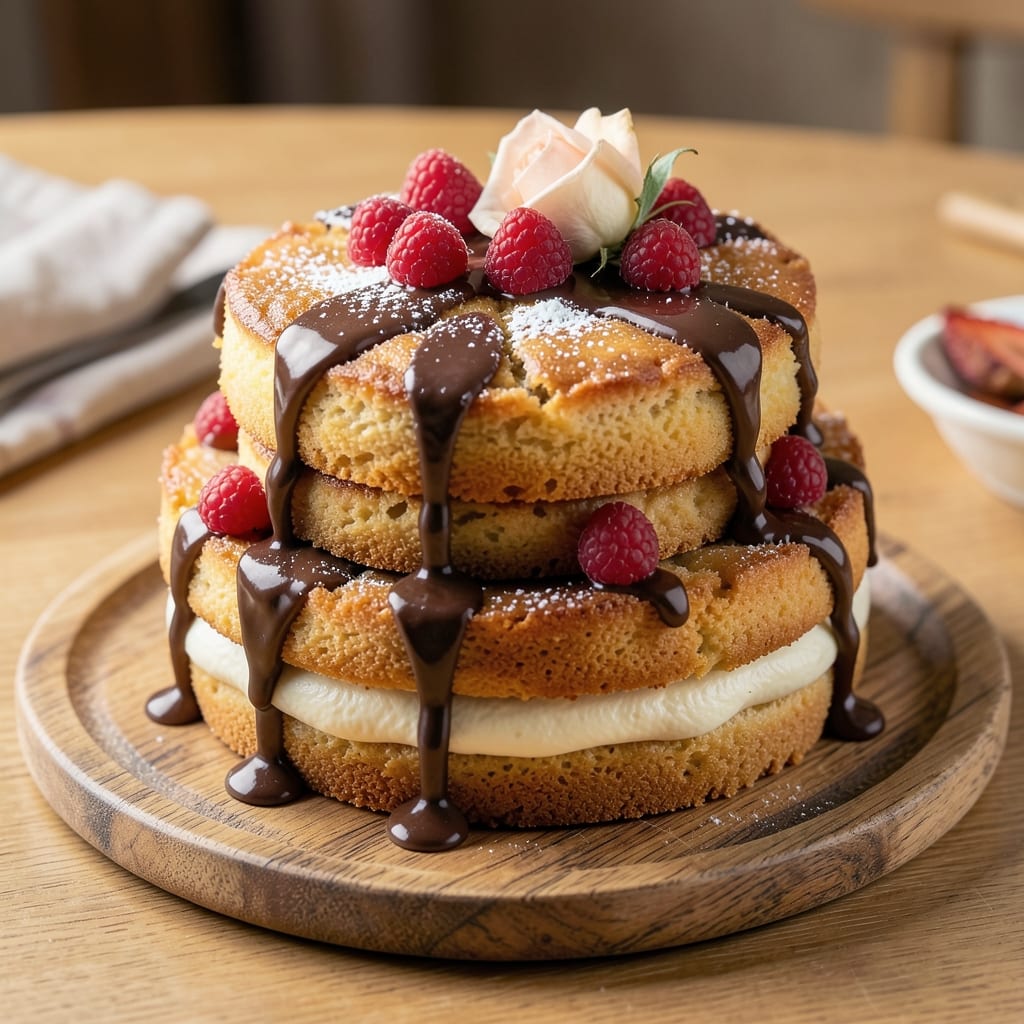
This 7-cup cake recipe in Tamil brings home-style comfort with fluffy vanilla layers and a coconut crunch top—perfect for festivals or family gatherings. 🌟 The secret lies in the one-bowl simplicity and traditional Tamil flavors like jaggery or coconut, making it both nostalgic and foolproof for beginners. I’ve baked this version countless times, and it never fails to impress, whether served at weddings or as a sweet treat after meals.
The beauty of this recipe is its versatility—adjust sweetness with jaggery or refined sugar, and customize the coconut topping with toasted nuts or cardamom for extra aroma. Baking time is under an hour, and the layers stay moist for days when stored properly. What sets this apart is the light, airy texture achieved by folding dry ingredients gently, ensuring no dense spots ruin the tender crumb.
Imagine slicing into golden layers that reveal vanilla-infused crumb and a crispy coconut top, all balanced in a single bite. This cake is ideal for occasions or everyday cravings, and the recipe scales easily for larger gatherings. Whether you’re a seasoned baker or trying your hand at Tamil desserts, this no-fuss method delivers restaurant-quality results at home.
Pair it with fresh coconut milk drizzle or a dusting of powdered sugar for an authentic Tamil touch. Let’s get baking—your taste buds will thank you!
Ingredients for 7 cup cake recipe in tamil
Traditional Tamil flavors meet one-bowl simplicity with these 12 ingredients for fluffy layers and crisp coconut top.
| Ingredient | Amount | Notes |
|---|---|---|
| All-Purpose Flour 🌾 | 2 ½ cups | Sifted for light texture |
| Granulated Sugar 🍚 | 1 ½ cups | Refined or jaggery for traditional flavor |
| Unsalted Butter 🧈 | 1 cup | Room temperature, full-fat preferred |
| Large Eggs 🥚 | 2 whole | Room temperature for even baking |
| Vanilla Extract 🌿 | 2 tsp | Pure extract for authentic aroma |
| Baking Powder 🧂 | 1 ½ tsp | Diamond Crystal preferred |
| Salt 🧂 | ½ tsp | Fine sea salt for balance |
| Shredded Coconut 🥥 | 2 cups | Sweetened, unsweetened works too |
| Melted Butter 🧈 | ¼ cup | For coconut topping |
| Powdered Sugar 🍚 | ½ cup | For dusting and topping |
| Cardamom Pods 🌿 | 4 whole | Lightly crushed for aroma |
| Milk 🥛 | ½ cup | Whole milk for richness |
The shredded coconut makes or breaks this recipe—Trader Joe's or Whole Foods carry the best quality, but any sweetened coconut works in a pinch. For the vanilla extract, McCormick or Nielsen-Massey deliver consistent flavor. Diamond Crystal baking powder is a must—it's lighter than other brands, ensuring that signature airy crumb. The cardamom pods should be lightly crushed to release their aroma without bitterness. If you can't find cardamom, 1 tsp ground cardamom works, but fresh is ideal for that authentic Tamil touch. Unsalted butter is non-negotiable here—full-fat ensures moisture and richness, while low-fat versions can leave your cake dry.
No jaggery? Refined sugar works perfectly—just measure carefully since it's slightly finer. Short on shredded coconut? Toasted almonds or walnuts add crunch, though they won't match the sweetness. Powdered sugar can be swapped for confectioners' sugar (same thing), but avoid granulated—it won't dissolve properly. The milk can be dairy-free if needed, but whole milk gives the best texture. For the coconut topping, if you burn the butter, start over—it needs to be smooth and golden, not browned. Cardamom substitutes include 1 tsp cinnamon, though it won't be identical. The eggs must be room temperature, or they'll create dense pockets in the batter.
Store the cake in an airtight container at room temperature for up to 3 days, though it's best enjoyed fresh. For longer storage, wrap tightly in plastic and refrigerate for 5-7 days. The coconut topping stays crisp for 24 hours before softening—make it fresh if serving guests. Freeze the cake for up to 3 months by wrapping each layer separately. To reheat, microwave for 20 seconds or warm at 350°F for 5 minutes to revive the coconut crunch. Portion ahead if serving a crowd—this cake disappears fast!
Why You'll Love This Recipe
- Uses what you already have: flour, sugar, butter, eggs. No weird ingredients or last-minute grocery runs. And leftovers? They last days—if they even make it that far.
- No Mixer Needed: The name’s in the recipe—just 7 cups of flour and sugar, no measuring cups, no fuss. I swear by this: dump, fold, bake. My hands are always sticky, but the cake’s light as air.
- Butter-Sugar Magic: That creamed butter and sugar combo? It’s what makes this cake melt-in-your-mouth soft. The vanilla ties it all together—honestly, skip it and you’re missing out on that cozy, bakery-shop vibe.
- Party in a Box: Slice it for tea time, pack it for picnics, or freeze slices for lazy mornings. Between us, I’ve even used it as a base for trifle—just add fruit and whipped cream. Works every time.
Step-by-step instructions for 7-Cup cake recipe in Tamil
Master this classic Tamil cake with tender layers and a signature coconut crunch topping.
👨🍳 Step 1: Prepare the Dry and Wet Ingredients Separately
In a medium bowl, sift together the 2.5 cups all-purpose flour, 1.5 tsp baking powder, and 0.5 tsp salt. Set aside. This sifting ensures a light, aerated texture that's essential for that signature fluffy crumb. I like to give the flour mixture a quick whisk to remove any remaining lumps before proceeding.
In a separate large bowl, cream together the 1 cup unsalted butter (at room temperature) and 1.5 cups granulated sugar using an electric mixer on medium speed for 3-4 minutes. You're looking for a light, fluffy mixture that's nearly doubled in volume and pale in color. This creaming process incorporates air, which creates the cake's signature tenderness. Scrape down the sides of the bowl with a rubber spatula to ensure even mixing.
🍳 Step 2: Combine Wet Ingredients and Add Aromatics
Add the 2 whole large eggs one at a time, mixing well after each addition. Then stir in the 0.5 cup milk and 2 tsp vanilla extract. The mixture should be smooth and slightly thick. Here's the thing—adding the eggs gradually prevents curdling and ensures a stable batter.
In a small bowl, lightly crush the 4 whole cardamom pods with the flat side of a knife or rolling pin. Add the crushed pods to the wet mixture and mix just until combined. Cardamom adds that distinctive South Indian aroma that makes this cake special. Don't overmix here—just enough to distribute the spices evenly.
🥘 Step 3: Fold in Dry Ingredients for a Light Batter
With the mixer on low speed, gradually add the dry ingredients in three parts, mixing just until each addition is incorporated. Be careful not to overmix—stop as soon as the flour disappears. Overmixing develops gluten, which can make the cake dense. The batter should be smooth and slightly thick, like heavy pudding.
For the coconut topping, in a separate bowl, mix together the 2 cups shredded coconut and 0.25 cup melted butter. The coconut should be evenly coated but not soggy. If it looks too dry, add 1-2 teaspoons of milk to help the butter bind everything together. This topping is what gives the cake its signature crunch and sweet contrast.
🔥 Step 4: Bake in Layers for Perfect Texture
Preheat your oven to 350°F and grease two 8-inch round cake pans or line them with parchment paper. Divide the batter evenly between the pans. For that classic layered look, I recommend using two pans rather than one large one. Bake for 25-30 minutes or until a toothpick inserted in the center comes out clean.
While the cakes bake, prepare the final topping by mixing the 0.5 cup powdered sugar with 1 tablespoon milk to form a glaze. Once the cakes are done, remove them from the oven and immediately spread 1 cup of the coconut mixture evenly over each cake. The coconut should be warm but not melted—this helps it adhere better. Return the cakes to the oven for 3-5 minutes to toast the coconut slightly and set the glaze.
⏰ Step 5: Layer and Cool for Maximum Fluffiness
Allow the cakes to cool in their pans for 10 minutes, then transfer to a wire rack to cool completely. Once cooled, place one cake layer on a serving plate and spread a thin layer of the remaining coconut mixture over it. Top with the second cake layer and press gently. Spread the remaining coconut mixture evenly over the top and sides of the cake.
For the final touch, dust the entire cake with the remaining powdered sugar glaze using a fine-mesh sieve. This creates that signature dusting that makes the cake look as beautiful as it tastes. Serve at room temperature for the best texture—each slice should reveal tender layers with a perfect balance of sweet coconut crunch and fluffy vanilla cake.
Pro Tips For Making 7 Cup Cake Recipe In Tamil
- Weigh the Butter: I learned this the hard way—measuring butter by cups leads to guesswork. For this 7-cup cake, use a kitchen scale: 1 cup of butter actually weighs about 225 grams. Too much butter makes the cake greasy; too little makes it dry. Precision here keeps the texture light and tender.
- Whip Eggs at Room Temp: Cold eggs from the fridge won’t incorporate properly, and you’ll end up with dense batter. Let the eggs sit in warm water for 5 minutes before whipping—this makes a real difference in how fluffy the cake turns out. Trust me, your mixing bowl will thank you.
- Don’t Overmix the Batter: The moment the flour disappears into the wet ingredients, stop mixing. I used to think extra mixing meant better blending, but this cake relies on gentle folding. Overmixing develops gluten, which turns your cake into a tough, chewy brick instead of a soft, pillowy delight.
- Use a Toothpick Test: The classic "spring back" test is unreliable for this recipe. Instead, insert a toothpick into the center—if it comes out with a few moist crumbs but no wet batter, it’s done. Overbaking dries out the cake faster than you’d think, especially in hot climates. Pull it out just before you think it’s ready.
Flavor customization for 7 cup cake recipe in tamil
Jaggery Swap
Replace the 1.5 cups granulated sugar with 1.25 cups jaggery (palmyra or coconut jaggery works best) for a traditional Tamil flavor profile. Jaggery adds a caramel-like depth and subtle earthiness that complements the coconut beautifully. I recommend heating the jaggery gently in a saucepan with 2 tbsp water until fully melted and smooth, then cooling before using in the recipe. This swap requires no other adjustments—just measure carefully since jaggery is denser. 🌿
Spiced Coconut Topping
Infuse the coconut topping with warmth by adding ½ tsp ground cinnamon and ¼ tsp freshly grated nutmeg to the 2 cups shredded coconut before mixing with melted butter. For extra aroma, toast the coconut in a dry pan over medium heat for 3-4 minutes until fragrant before adding the butter. This spiced variation pairs perfectly with cardamom in the cake layers, creating a cohesive flavor experience. 🌶️
Chocolate-Dipped Layers
Take this cake to the next level by adding a hidden chocolate surprise. After baking and cooling the first layer, spread ½ cup melted dark chocolate (60% cocoa) over the cake before adding the second layer. The chocolate will create a thin, rich layer between the cakes that melts slightly when sliced, adding a decadent contrast to the vanilla and coconut. Use Guittard or Ghirardelli dark chocolate bars for the best flavor. 🍫
Rosewater Enhancement
For a fragrant twist, add 1 tsp rosewater to the wet ingredients along with the vanilla extract. This floral note is commonly used in Tamil desserts and pairs wonderfully with cardamom. Be cautious—rosewater is potent, so start with ½ tsp if you're unsure about the flavor. The aroma will intensify as the cake cools, making each slice smell like a South Indian garden. ✨
Nutty Crunch Variation
Swap out half the shredded coconut for 1 cup toasted chopped pistachios or cashews in the topping. Toast the nuts in a dry pan over medium heat for 2-3 minutes until golden, then chop coarsely. This adds a sophisticated nutty crunch that balances the sweetness. For extra flair, lightly toast ½ cup flaked almonds and sprinkle them over the top after baking. 🌰
Citrus Zest Brightness
Add a refreshing twist by zesty the batter with 1 tbsp lemon zest (about 1 lemon) and 1 tsp lemon juice when combining the wet ingredients. The citrus brightens the vanilla flavor and cuts through the richness of the coconut. For a more intense flavor, use orange zest and juice instead. This variation works especially well during summer festivals when citrus notes are celebrated in Tamil cuisine. 🍋
Nutrition facts
Frequently asked questions
Why does this Tamil cake recipe use only 7 ingredients?
This "7-cup" name refers to the 7 cups of total dry ingredients (flour, sugar, coconut) rather than the actual ingredient count. The simplicity makes it perfect for beginners while delivering professional results. The key to success lies in proper mixing techniques and oven temperature control, not ingredient complexity.
Can I make this cake in a single layer instead of two?
Yes, but you'll need a 9-inch round pan instead of 8-inch pans. Bake for 35-40 minutes at 350°F until a toothpick comes out clean. The coconut topping will be more generous, but the texture will be slightly denser since there's no layer separation. For best results, stick with two layers for that classic Tamil cake experience.
What's the secret to preventing a dense cake?
Three critical factors:
- Don't overmix the batter after adding flour,
- Use room-temperature butter (it should dent when pressed), and
- Bake at the correct temperature (350°F is non-negotiable). Also, let the batter rest for 10 minutes before baking to allow gluten to relax. Overmixing is the #1 cause of dense cakes!
How do I store leftovers to keep them fresh?
Wrap the cake tightly in plastic wrap and store at room temperature for 2-3 days. For longer storage, refrigerate for up to 5 days or freeze for 3 months. To revive stale cake, warm slices at 300°F for 5 minutes or microwave for 10 seconds. The coconut topping stays crisp for 24 hours before softening.
Can I substitute jaggery for sugar in this recipe?
Use 1.25 cups jaggery instead of sugar, but melt it first with 2 tbsp water until smooth. Jaggery adds a caramel-like depth that complements the coconut beautifully. For best results, use palmyra or coconut jaggery—they're commonly used in Tamil desserts. The cake will have a slightly denser texture but richer flavor.