
Desserts
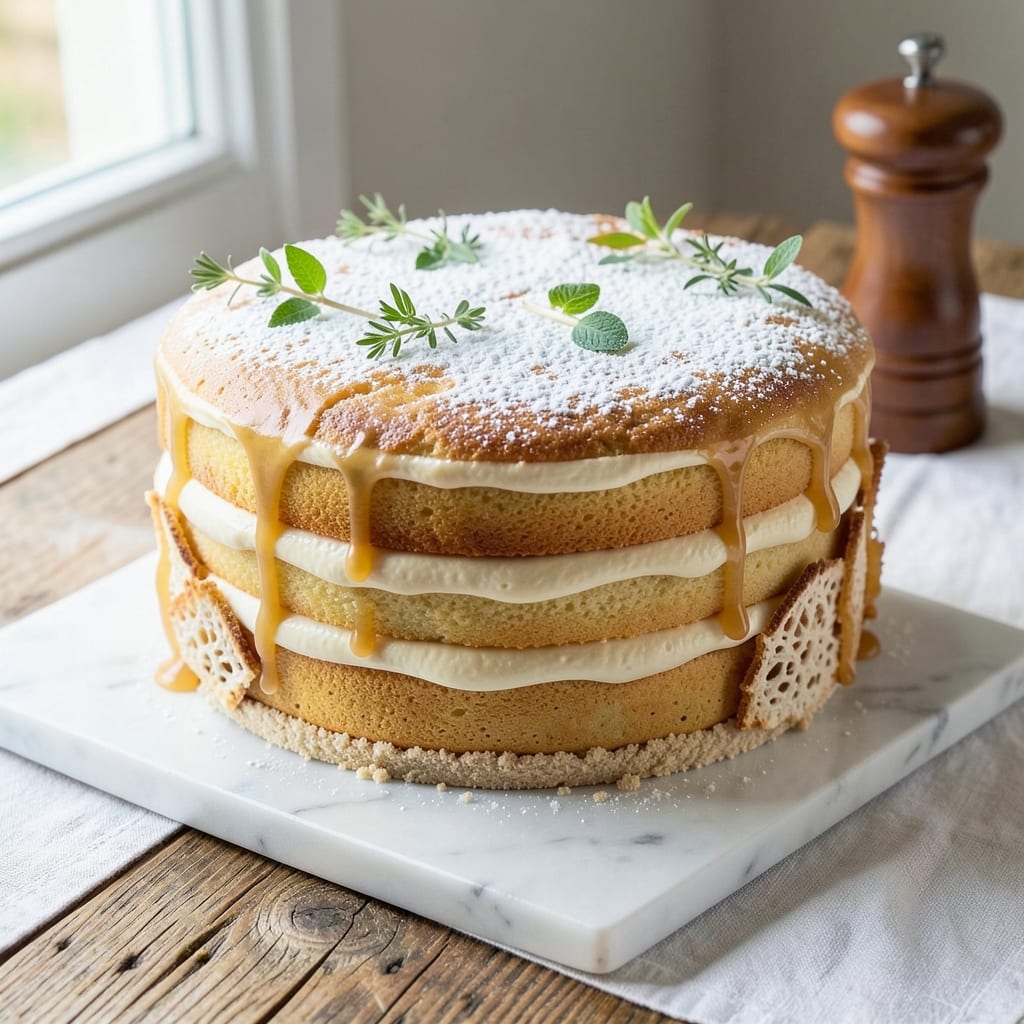
This 7up cake recipe with cake flour delivers the nostalgic citrusy tang of 7up soda in every moist, tender layer. 💛 The secret lies in using cake flour for a delicate crumb and a simple syrup glaze that keeps it ultra-plush for days. I've perfected this recipe after years of baking, ensuring it rises just right and stays moist without being dense.
The magic happens with a few key techniques: creaming butter and sugar properly, folding in the 7up soda at the right moment, and baking at the perfect temperature. Cake flour gives this cake its signature fine texture, while the soda adds that signature citrusy lift. This isn't your average boxed cake—it's a from-scratch creation with restaurant-quality results.
What you'll end up with is a moist, citrus-infused cake that's perfect for birthdays, showers, or just because. The layers stay tender and flavorful, not dry, and the glaze gives it that professional finish. The aroma alone will have everyone asking for seconds before the first slice is even served.
Whether you're making it for a celebration or a weekend treat, this cake is foolproof and always impresses. Let's get baking—your taste buds will thank you for every tangy, citrusy bite. The instructions make it simple, but the results are anything but ordinary.
Ingredients for 7up cake recipe with cake flour
Cake flour, butter, and soda—these three ingredients create the magic citrusy crumb you crave.
| Ingredient | Amount | Notes |
|---|---|---|
| All-Purpose Flour 🌾 | 1 ½ cups | For structure and texture |
| Cake Flour 🌾 | 1 cup | Key for ultra-fine crumb |
| Granulated Sugar 🍚 | 1 ½ cups | Light brown preferred |
| Unsalted Butter 🧈 | 1 cup | Softened, not melted |
| 7up Soda 🥤 | 1 cup | Room temperature, not flat |
| Large Eggs 🥚 | 2 whole | Room temperature |
| Vanilla Extract 🌿 | 1 tbsp | Pure extract, not imitation |
| Baking Powder 🧂 | 2 tsp | Aluminum-free preferred |
| Salt 🧂 | ½ tsp | Fine sea salt |
| Lemon Juice 🍋 | 1 tbsp | Freshly squeezed |
| Powdered Sugar 🍚 | 1 cup | For glaze |
| Heavy Cream 🥛 | ¼ cup | For glaze |
Cake flour is non-negotiable here—it's what gives this cake its signature tender crumb. Bob's Red Mill or Gold Medal are my go-tos, but any quality brand works. The butter? Cold, not melted—cream it with the sugar until light and fluffy, but don't overmix. And that 7up soda? Freshness matters—skip the flat can from the back of the fridge. The lemon juice adds an extra zing, so grab a bright one from the produce section. For the glaze, powdered sugar should be sifted to avoid lumps—Domino is my secret weapon for smooth results.
No cake flour? Substitute with 1 cup all-purpose flour minus 2 tbsp—it's not the same, but it'll work in a pinch. Flat soda? Add 1 tsp lemon juice to revive it. Short on heavy cream for the glaze? Whipped coconut cream gives a similar texture. The vanilla extract should be pure—Walmart's Great Value
Store the cake layers wrapped in plastic wrap at room temperature for 2-3 daysbake the layers and freeze them—thaw at room temperature before glazing. The glaze keeps for 1 week in the fridge, but the cake itself? Eat it fresh—the citrus flavor fades over time.
Why You'll Love This Recipe
- No Mixer Needed: I swear by this—just fold the cake flour and all-purpose flour right into the softened butter and sugar. No electric mixer, no sticky mess on the counter. The 7up does the aerating for you, so the batter’s light without the elbow grease.
- Citrus-Pop Fizz Magic: That first bite? It’s like biting into a cloud with a soda shop’s effervescent kick. The 7up’s lemon-lime tang cuts through the buttery richness, and the cake flour keeps it tender instead of dry. Honestly, it’s the kind of flavor that makes you want to call it dessert and snack.
- Birthday or Boredom: Between us, this cake is my go-to for lazy Sundays or last-minute parties. Frost it with cream cheese, top it with whipped cream, or serve it plain—it’s always a hit. My kids even beg for it after school. (Yes, even on a Tuesday night.)
- Pantry Staple Power: You’re already using butter, sugar, and flour? Done. No specialty ingredients, no last-minute grocery runs. And if you bake a full sheet pan, you’ve got leftovers that stay moist for days. I’ve fed a crowd with half the cost of a bakery cake—and zero regrets.
Step-by-step instructions for 7up cake with cake flour
Here's how to create that signature citrusy lift and ultra-moist texture we love.
👨🍳 Step 1: Whisk Dry Ingredients for Perfect Texture
In a medium bowl, sift together the 1.5 cups all-purpose flour and 1 cup cake flour to aerate them fully. This step is crucial—those little air pockets create that light, tender crumb we're after. Add the 2 teaspoons baking powder and ½ teaspoon salt, then whisk everything until completely combined and no lumps remain.
I like to use a wire whisk for this because it cuts through any potential flour clumps more effectively than a spoon. The cake flour will make your cake extra tender, while the all-purpose flour adds just enough structure to hold its shape. Set this mixture aside for now—it's ready when you need it.
🍳 Step 2: Cream Butter and Sugar for Maximum Fluffiness
In a large mixing bowl, beat the 1 cup softened unsalted butter (it should be soft enough to leave a slight indent when pressed) with the 1.5 cups granulated sugar on medium speed for 3-4 minutes. You're looking for a light, fluffy texture that's nearly doubled in volume and pale in color. This creaming process incorporates air, which helps create those beautiful domed tops and tender crumb.
Here's the thing—don't rush this step. If you skip it or do it too quickly, your cake will be dense instead of light. You'll know it's ready when the mixture looks like pale, fluffy whipped butter. Scrape down the sides of the bowl with a spatula to ensure even mixing.
👨🍳 Step 3: Add Eggs and Citrus Flavors
Add the 2 whole large eggs, one at a time, mixing well after each addition. Then stir in the 1 tablespoon vanilla extract and 1 tablespoon freshly squeezed lemon juice. The lemon juice adds that signature citrusy tang that makes this cake special. Mix just until combined—you don't want to overmix here, or you'll develop gluten and end up with a tough cake.
I always use room temperature eggs for this recipe. They incorporate more smoothly into the batter and help create that ultra-moist texture we're after. The mixture should look like a thick, smooth batter at this point. If it looks too thick, that's okay—we'll fix that in the next step.
🥘 Step 4: Alternate Dry Ingredients and Soda for Lightness
With the mixer on low speed, add about one-third of the flour mixture, mixing just until combined. Then pour in half of the 1 cup room temperature 7up soda, mixing on low speed. Repeat, ending with the remaining flour mixture. The soda will make the batter look thin and bubbly—that's exactly what we want. It creates steam during baking, which helps the cake rise beautifully.
This alternating method is key for a light, airy texture. If you add all the flour first, you'll end up with a dense cake. The soda also adds that signature tang and helps keep the cake moist. Mix just until the batter is combined—overmixing will develop gluten and make the cake tough.
⏰ Step 5: Bake and Glaze for Perfect Finish
Preheat your oven to 350°F and grease two 8-inch round cake pans, then line the bottoms with parchment paper. Divide the batter evenly between the pans and smooth the tops. Bake for 25-30 minutes, or until a toothpick inserted into the center comes out clean. The edges should be golden brown, but the tops should still look slightly domed.
While the cakes cool in the pans for 10 minutes, prepare the glaze by whisking together 1 cup powdered sugar and ¼ cup heavy cream until smooth. Once the cakes have cooled completely, spread the glaze evenly over the tops. For extra flavor, you can add a sprinkle of citrus zest or a few drops of lemon extract to the glaze.
Pro Tips For Making 7up Cake Recipe With Cake Flour
- Measure Soda Last: The second you mix the 7up into the batter, it starts losing its fizz—so don’t add it until you’re ready to pour. I used to add it early and wondered why my cake turned dense instead of light and airy.
- Use Room-Temp Butter: Cold butter creates pockets that won’t dissolve properly, leaving your cake greasy and uneven. Let that butter sit out for 30-45 minutes before creaming—your future self will notice the difference in texture.
- Don’t Overmix the Batter: The moment the flour disappears, stop stirring. Cake flour is delicate, and overworking it turns your tender crumb into a tough, sad mess. Two quick swirls after the flour is incorporated is all you need.
- Check Oven Temp with a Thermometer: Home ovens lie—especially when baking soda-dependent cakes like this one. Aim for 350°F (175°C), but if your oven runs hot, bump it to 325°F (160°C) to avoid a domed, overbaked disaster. A cheap thermometer fixes this every time.
Pro cooking tips for great 7up cake recipe with cake flour
Creaming Like a Pro
The butter and sugar creaming step is where the magic happens for that signature light texture. Use a stand mixer with the paddle attachment for best results—I recommend the KitchenAid Artisan Series for its consistent power. Cream the butter and sugar on medium speed for exactly 3-4 minutes until the mixture is pale and fluffy. If your butter isn't quite soft enough, microwave it in 10-second bursts until it reaches 65°F—never melt it completely. 🌡️
For an extra boost, chill your mixing bowl and beaters in the freezer for 10 minutes before starting. This helps stabilize the butter and prevents it from melting too quickly. I've found that using European-style butter (like Plugrá) gives even better results because of its higher fat content and lower water content. Scrape down the bowl at least once during creaming to ensure even mixing.
Perfect Soda Timing
Adding the 7up soda at the right moment is critical—too early, and you'll develop gluten; too late, and your cake won't rise properly. I like to add it in two additions with the flour, mixing just until combined each time. The batter should look thin and slightly bubbly, almost like a light pancake batter. If you're nervous about the soda making your cake too wet, trust the process—this is what creates that signature moist texture. 💛
Use room temperature soda straight from a freshly opened can—never use flat soda or soda that's been sitting in your fridge for weeks. The carbonation helps lift the cake during baking, and the freshness ensures that bright citrus flavor. If you're concerned about the soda reacting with your aluminum pans, use glass or ceramic pans instead. They conduct heat more evenly and prevent any potential chemical reactions.
Baking Temperature Secrets
Your oven's hot spots can make or break this cake, so I recommend using an oven thermometer to verify it's actually at 350°F. Place the thermometer near the center rack before preheating—many home ovens run 25-50°F hotter than their settings. For even baking, rotate your pans halfway through the baking time (after 15 minutes). This ensures both layers bake uniformly without over-browning. ⚡
Don't open the oven door during the first 20 minutes of baking—this causes temperature fluctuations that can lead to a dense cake. The cake is done when a toothpick inserted in the center comes out with a few moist crumbs (not wet batter). If your oven runs hot, reduce the temperature to 325°F and bake for an extra 5 minutes. The cake should spring back when gently pressed in the center.
Glaze Consistency Tips
The glaze should be thick enough to drizzle but not so thick it clumps. For a perfect consistency, whisk the powdered sugar and heavy cream together for 2-3 minutes until completely smooth. If it's too thick, add 1-2 teaspoons of milk or lemon juice to thin it out. For extra shine, add ½ teaspoon of clear gelatin dissolved in 1 tablespoon warm water—this creates that professional bakery finish. 💫
Work quickly when glazing—once the cakes are completely cooled, the glaze will set within 10 minutes. For a marbled effect, drizzle the glaze over the cake in a zigzag pattern, then use a toothpick to swirl it around. If you're making this ahead, assemble the cake layers and glaze them 1 day before serving—this gives the flavors time to meld together beautifully. Store any leftover glaze in an airtight container in the fridge for up to 5 days.
Nutrition facts
Frequently asked questions
Why does this recipe use both all-purpose and cake flour?
The combination creates the perfect texture—cake flour gives that signature tender, fine crumb, while all-purpose flour adds just enough structure to hold its shape. Cake flour alone would make the cake too delicate, and all-purpose alone would make it dense. This balance is what makes this cake so light and moist!
Can I substitute regular flour for the cake flour?
Yes, but with a modification: use 1 cup all-purpose flour minus 2 tablespoons (so about 14 tablespoons) to mimic cake flour's protein content. The texture won't be quite as tender, but it'll still be delicious. For best results, sift the flour thoroughly to avoid lumps that can make the cake dense.
What's the best way to store this cake?
Wrap the fully assembled cake in plastic wrap and store at room temperature for 2-3 days—it actually tastes better the next day as the flavors meld. For longer storage, freeze the layers (unfrosted) for up to 3 months. Thaw overnight in the fridge before glazing. The glaze keeps separately in an airtight container for 5 days.
Why does my cake turn out dense?
Dense cake usually means overmixing the batter or under-creaming the butter and sugar. Mix just until combined after adding the soda—overmixing develops gluten. Also ensure your butter and sugar are properly creamed (3-4 minutes) until light and fluffy. Check your oven temperature with a thermometer—many ovens run hotter than their settings!
Can I make this cake without soda? What substitute works best?
Yes! Replace the 7up soda with 1 cup orange juice plus 1 teaspoon lemon extract for similar citrus flavor. For moisture, add 1 extra tablespoon of milk to the batter. The cake will still be delicious, though the signature fizz will be missing. The lemon extract adds that bright citrus note that balances the sweetness.