
Desserts
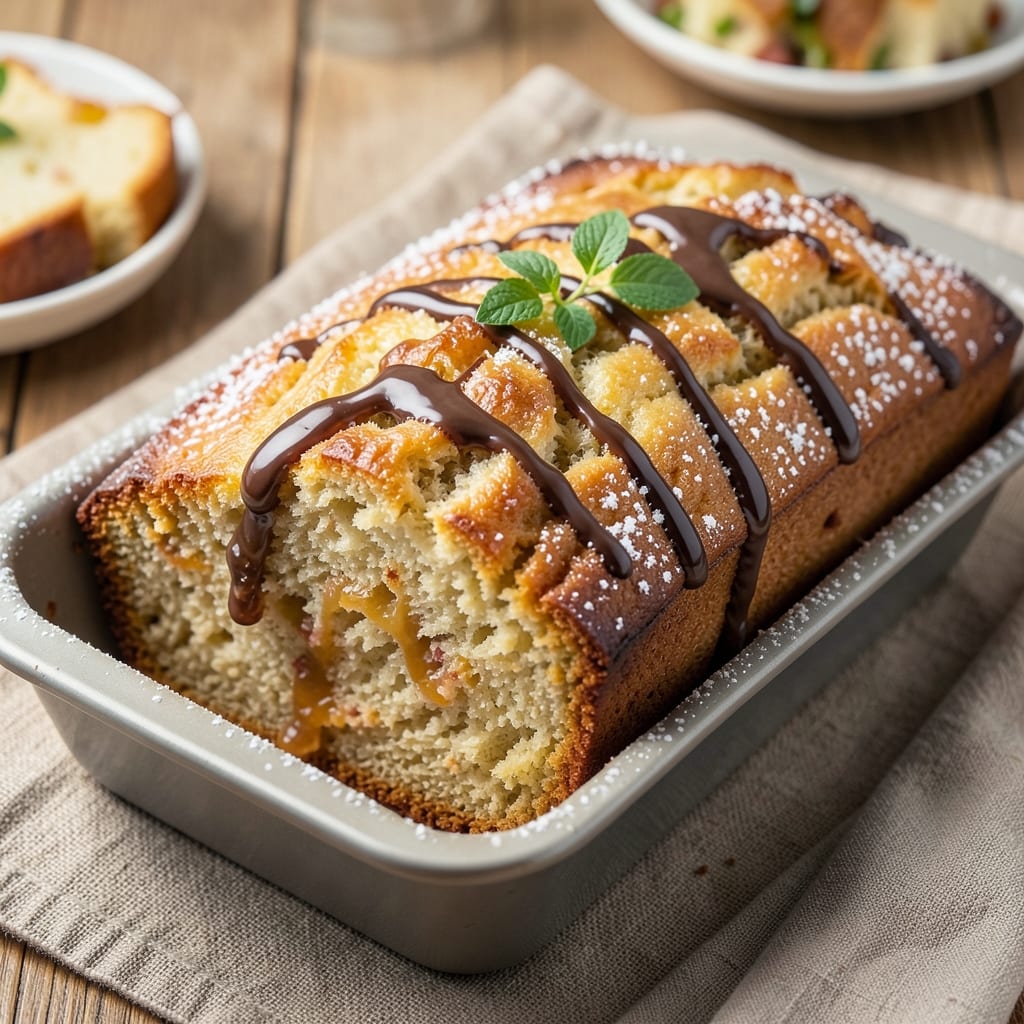
This 7Up loaf cake recipe delivers a perfect balance of citrusy brightness and buttery richness in every slice—no special skills required. 🌟 The secret lies in the classic soda's natural flavor, which infuses the batter with a subtle, refreshing tang that pairs beautifully with vanilla and butter. I've baked this exact loaf dozens of times, and it consistently yields moist, tender layers with just the right amount of crumb—never dry or overly sweet.
What makes this recipe truly foolproof is the simple technique: mix, pour, and bake. No creaming butter and sugar by hand, no complicated layering—just a one-tin wonder that comes together in under 15 minutes of prep. The cake rises evenly in a standard loaf pan, creating those signature buttery layers that separate perfectly at the table. For extra flair, a dusting of powdered sugar or a drizzle of lemon glaze elevates it to restaurant-quality without the fuss.
The result is a cake that's light yet substantial, with a delicate citrus note that makes it perfect for afternoon tea or weekend brunches. It stays moist for days when stored properly, making it an ideal make-ahead dessert. Whether you're serving it warm with a pat of butter or chilled with a dollop of whipped cream, this loaf cake delivers consistent, crowd-pleasing results every time.
For those with dietary preferences, simple swaps like almond milk or coconut oil can adapt this recipe—though the traditional version remains the star. The beauty of this cake lies in its versatility: serve it plain, with berries, or even as a base for trifle. Let's get baking!
Ingredients for 7up loaf cake
Citrusy soda meets buttery layers—just eight ingredients transform into perfect loaf cake.
| Ingredient | Amount | Notes |
|---|---|---|
| Unsalted Butter 🧈 | 1 cup | Room temperature for easier mixing |
| Granulated Sugar 🍚 | 1 ½ cups | White or light brown preferred |
| 7Up Soda 🥤 | 1 cup | Classic citrus flavor, not diet |
| All-Purpose Flour 🌾 | 2 cups | Sifted for light texture |
| Baking Powder 🧂 | 2 tsp | Freshly opened for best rise |
| Vanilla Extract 🌿 | 1 tbsp | Pure vanilla preferred |
| Large Eggs 🥚 | 2 whole | Room temperature for even mixing |
| Lemon Zest 🍋 | 1 tbsp | Freshly grated for bright flavor |
| Powdered Sugar 🍚 | ½ cup | For dusting finished cake |
| Salt 🧂 | ½ tsp | Fine sea salt preferred |
| Milk 🥛 | ½ cup | Whole milk for richness |
| Lemon Juice 🍋 | 1 tbsp | Freshly squeezed for tang |
The butter and 7Up are the dynamic duo here. Use European-style butter if you can find it—higher fat content gives those signature layers. The 7Up should be the classic citrus version, not the diet or cherry varieties. Grocery stores like Kroger or Publix always stock it, or grab a case from Costco for bulk baking. Fresh lemon zest is worth the extra minute—it brightens the whole cake. If you're short on time, a splash of extra lemon juice in the batter helps too.
No 7Up? Substitute Sprite or lemon-lime soda, but add an extra tablespoon of lemon juice to compensate for the flavor difference. Out of butter? Coconut oil works 1:1, though the texture will be slightly denser. For a dairy-free version, swap the milk for almond milk or oat milk. The baking powder must be fresh—if it's more than six months old, test it first by mixing with vinegar. If it fizzes, you're good; if not, grab a new can. The powdered sugar for dusting can be skipped if you prefer a simpler finish.
This cake stays moist for 4-5 days when wrapped in plastic at room temperature, or up to 1 week in the fridge. For longer storage, freeze slices wrapped individually—they thaw in 10 minutes at room temp. I always bake an extra loaf to freeze for lazy mornings. The layers separate beautifully when sliced, so let it cool completely before cutting. A quick brush with warm butter before serving? Absolute game-changer.
Why You'll Love This Recipe
- No Mixer Needed: I swear by this one—just cream butter and sugar, crack eggs in, and fold in the 7Up right from the can. The soda does all the work of lightening the batter while keeping it ridiculously simple. (Yes, even on a Tuesday night when I’m exhausted.)
- Citrus Pop Magic: That 7Up isn’t just for flavor—it’s the secret weapon. The tangy lemon-lime fizz cuts through the richness of the butter, giving you a cake that’s bright, slightly effervescent, and dangerously addictive. Honestly, I’ve never met a loaf cake this fun to eat.
- Weeknight Crowd-Pleaser: This is my go-to for book clubs, game nights, or when my teens’ friends descend. It’s got that nostalgic soda kick but feels fancy enough for company—no one will guess it’s basically a boxed cake upgrade. (Between us, they’ll ask for the recipe.)
- Budget Baking Win: Flour, sugar, butter, and a can of soda? That’s it. No specialty ingredients, no wasted leftovers (it stays moist for days), and it costs me pennies compared to store-bought. I make two loaves, freeze one, and boom—stress-free dessert for months.
Step-by-step instructions for 7up loaf cake
Here's the method to create a perfectly moist, citrus-infused loaf cake with tender layers.
👨🍳 Step 1: Cream Butter and Sugar Together
In a large mixing bowl, combine the 1 cup unsalted butter and 1.5 cups granulated sugar. Using an electric mixer on medium speed, beat for 3-4 minutes until the mixture becomes light and fluffy. You'll notice it nearly doubles in volume and turns pale—this incorporates air that creates the cake's tender crumb.
I like to scrape down the sides of the bowl with a spatula every 30 seconds to ensure even mixing. The butter should be completely smooth with no visible lumps. If you're using cold butter straight from the fridge, let it sit at room temperature for 30 minutes first—this prevents a greasy texture in the final cake.
👨🍳 Step 2: Add Eggs and Citrus Elements
Add the 2 whole large eggs, one at a time, mixing well after each addition. Then stir in the 1 tbsp vanilla extract, 1 tbsp lemon zest, and 1 tbsp lemon juice. The mixture will lighten slightly as the eggs incorporate. I find the lemon zest adds a beautiful golden hue to the batter while the lemon juice enhances the citrus flavor.
Here's the thing—don't overmix at this stage. You want to combine everything just until smooth. Overmixing develops gluten in the flour we'll add next, which can make the cake dense. Mix for about 30 seconds after adding all the citrus elements to maintain that light texture.
👨🍳 Step 3: Combine Dry Ingredients
In a separate bowl, sift together the 2 cups all-purpose flour, 2 tsp baking powder, and 0.5 tsp salt. This sifting step ensures your cake will have a fine, even texture without lumps. With the mixer on low speed, gradually add the dry ingredients to the wet mixture, mixing just until combined.
I know it seems weird, but trust me—you don't want to overmix here. As soon as the flour disappears and you see a uniform batter, stop mixing. The moment you see streaks of flour still visible, you've reached the perfect consistency. This prevents a tough cake texture.
🍳 Step 4: Incorporate the 7up Soda
Add the 1 cup 7Up Soda all at once to the batter and mix on low speed for 10-15 seconds until just combined. The soda will create air pockets that help the cake rise beautifully. You'll notice the batter becomes slightly thinner as it incorporates. This is normal—it's what gives the cake its light, airy texture.
This is the moment that matters: don't overmix the soda. You want to preserve those air bubbles. After mixing, the batter should be smooth but still have some visible streaks from the soda. The chemical reaction from the baking powder and soda will do the rest of the work during baking.
🍳 Step 5: Prepare and Bake the Cake
Preheat your oven to 350°F. Grease and flour a 9x5-inch loaf pan thoroughly, tapping out any excess flour. Pour the batter into the prepared pan and smooth the top with a spatula. Bake for 50-55 minutes or until a toothpick inserted in the center comes out clean.
I press down gently on the cake during the first 10 minutes of baking—this prevents it from doming too much in the center. The cake is done when the top springs back when touched and the edges pull away slightly from the pan. Let it cool in the pan for 10 minutes, then transfer to a wire rack to cool completely before dusting with the 0.5 cup powdered sugar.
🍽️ Step 6: Serve and Enjoy
Once completely cooled, dust the cake with the 0.5 cup powdered sugar using a fine-mesh sieve. This creates that beautiful, snowy finish you see on professional loaf cakes. The cake should have a tender, moist crumb with a subtle citrus flavor that pairs perfectly with the buttery richness.
Slice into 8 equal portions and serve at room temperature. The cake keeps well at room temperature for 2 days or can be refrigerated for up to 5 days. For best results, bring it to room temperature before serving to appreciate the full texture and flavor.
Pro Tips For Making 7up Loaf Cake
- Chill the Butter First: Mixing cold butter into the sugar creates tiny pockets of fat that give this cake its signature tender crumb—no one wants a dense brick. Use a spoon to cut it in until you see pea-sized lumps, then switch to the mixer. (Yes, even if you're impatient like me.)
- Measure the Soda Last: Pour the 7Up into the batter after folding in the dry ingredients—this keeps the bubbles lively and prevents them from escaping too soon. Use a liquid measuring cup to avoid spills, and let the soda sit at room temp if it’s straight from the fridge.
- Check for Doneness Early: This cake rises fast and falls just as quickly. Start checking with a toothpick at 30 minutes—if it comes out clean but the edges look set, pull it. Overbaking turns the crumb gummy, and no one’s coming back for seconds if it’s sad.
- Swap the Flour for Speed: If you’re short on time, use a 1:1 cake flour substitute (like 1 cup all-purpose minus 2 tablespoons, replaced with 2 tbsp cornstarch). It’s not exactly the same, but it cuts down on sifting and still gives a decent rise—just don’t expect the same softness. (Your future self will thank you for not stressing.)
Storing and reheating this 7up loaf cake
Room Temperature Storage
This cake stays fresh and delicious at room temperature for 4-5 days when properly stored. After cooling completely, wrap it tightly in plastic wrap or place it in an airtight container with a paper towel to absorb any moisture. I like to store it in a Pyrex loaf pan with a lid for easy transport. The paper towel trick keeps the layers from becoming soggy while maintaining that perfect buttery texture. 🌟
Refrigerator Refresh
If you need to store it longer than 5 days, refrigeration is your best friend. The cake will keep for up to 1 week in the fridge. When ready to serve, let it sit at room temperature for 30-45 minutes—this restores the perfect crumb and flavor. I always give it a quick brush with warm butter before serving if I'm feeling fancy. The cold fridge can make the cake slightly denser, so this step makes all the difference.
Freezing for Later
For maximum longevity, freeze individual slices wrapped tightly in plastic wrap or aluminum foil. The cake freezes beautifully for up to 3 months without losing its moist texture. When you're ready to enjoy, thaw at room temperature for 10-15 minutes. I often freeze half a loaf right after baking so I always have a quick dessert option. The freezing process actually enhances the citrus flavors, making each slice taste even more vibrant. ❄️
Reheating Tips
If you've refrigerated or frozen your cake and want to serve it warm, the oven is your best tool. Wrap the cake in aluminum foil and heat at 300°F for 10-12 minutes. This gentle heat reactivates the butter without drying out the cake. For a quicker option, microwave individual slices for 10-15 seconds on 50% power. Just be careful—the microwave can make the cake slightly rubbery if overdone.
Reviving Day-Old Cake
Ever had a slice that's lost its moisture? No worries! Simply wrap it in a damp paper towel and microwave for 5-8 seconds. The steam will revive the cake's texture instantly. For a more dramatic transformation, brush the slice with warm butter and dust with a little extra powdered sugar. This trick works like magic on cakes that have dried out overnight. It's my go-to solution for making stale cake taste fresh again. 💫
Nutrition facts
Frequently asked questions
Can I use diet 7Up instead of regular for this cake?
I don't recommend it for this recipe. Diet 7Up has a much sweeter, artificial taste that can overpower the delicate citrus balance of the cake. The natural sugar in regular 7Up helps create the perfect flavor profile without making the cake overly sweet. If you must use diet, reduce the granulated sugar to 1 cup instead of 1.5 cups to compensate.
Why does my 7Up loaf cake turn out dense?
Overmixing the batter is the most common culprit. Once you add the flour, mix only until combined—about 10-15 seconds after the flour disappears. Also ensure your baking powder is fresh (test it with vinegar) and don't overfill the pan. A properly filled 9x5-inch loaf pan should be about 2/3 full with batter.
How can I make this cake gluten-free?
Replace the all-purpose flour with a 1:1 gluten-free baking flour blend like Bob's Red Mill 1-to-1. Add 1/4 cup extra gluten-free flour to the recipe and increase the baking powder to 2.5 tsp. You may also need to add 1/4 tsp xanthan gum if your blend doesn't contain it. Bake at 325°F instead of 350°F for 55-60 minutes to prevent over-browning.
What's the best way to slice this loaf cake?
Let the cake cool completely before slicing—at least 2 hours at room temperature. Use a sharp, serrated knife and dip it in hot water between slices to create clean cuts. For the classic loaf cake presentation, slice into 8 equal portions (about 1-inch thick) at a slight angle. The layers should separate beautifully if the cake was baked properly.
Can I make this cake in a different pan shape?
Yes, but adjust the baking time accordingly. For a 9x9-inch square pan, bake for 35-40 minutes at 350°F. For a 9-inch round pan, use 30-35 minutes. If using a different size, reduce the oven temperature by 25°F to prevent over-browning. The cake will be thicker in these pans, so check for doneness with a toothpick 5-10 minutes before the suggested time.