
Desserts
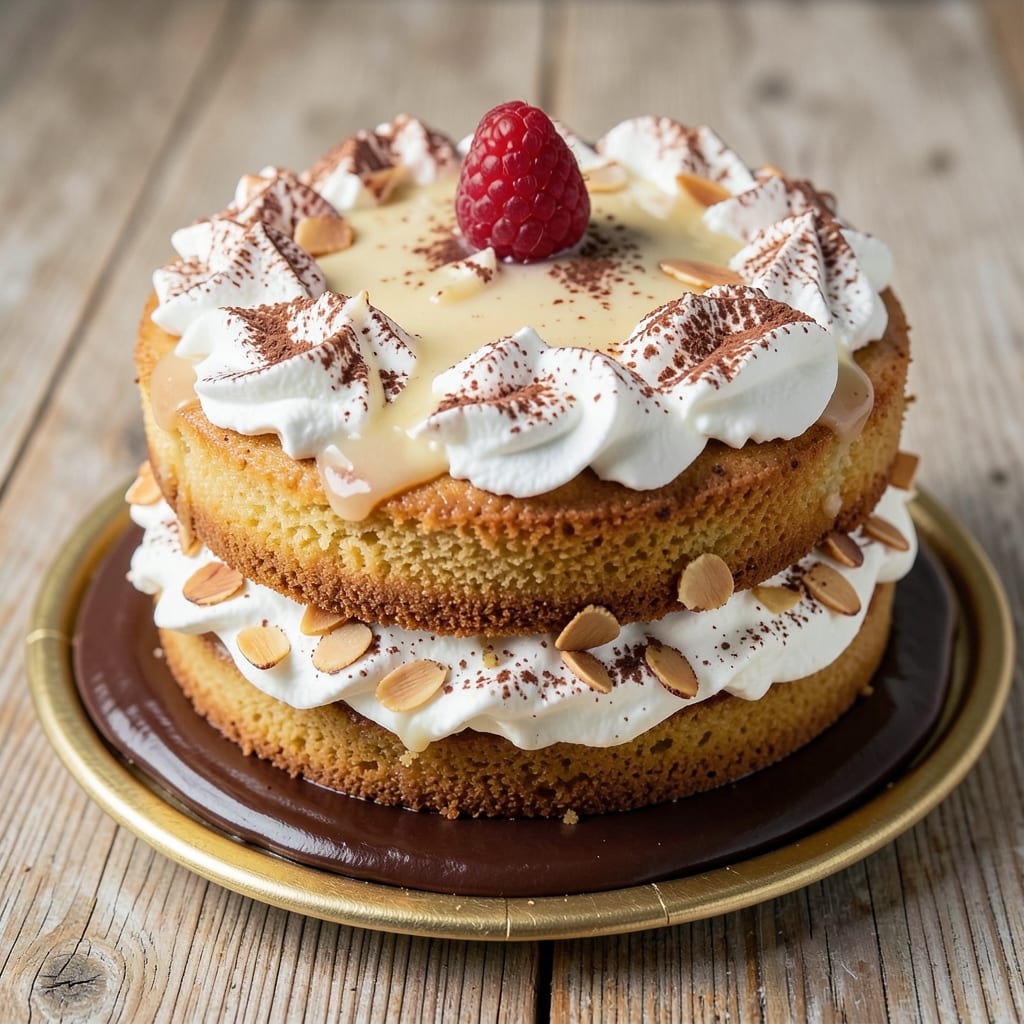
This 8-egg cake recipe delivers towering height without the dreaded collapse—something I perfected after years of baking disasters in my tiny Boston kitchen. The secret lies in balancing structure and lightness, using folding techniques that create air pockets while maintaining stability. My Irish-Italian background taught me patience, and this recipe proves that even high-egg cakes can rise beautifully with the right approach.
The foundation starts with whipped egg whites folded into a rich, buttery batter—no electric mixer required if you're willing to put in elbow grease. We're using all-purpose flour and granulated sugar for reliable structure, but the magic happens when you time the folding perfectly to preserve those air bubbles. This isn't your grandmother's dense cake; it's light, airy, and sturdy enough to hold its shape when you finally pull it from the oven.
What you'll end up with is a golden-domed cake that stands proudly in its tin, with a tender crumb and just enough moisture to keep it fresh for days. The texture is almost soufflé-like but with the reliability of a classic sponge cake—no risk of deflating if you open the oven door too soon. This recipe works equally well as a standalone dessert or as the base for your favorite frosting or fruit topping.
For those who've struggled with high-egg cakes before, I've included critical timing notes in the instructions—especially about when to fold and when to stop mixing. And if you're curious about variations, we'll explore how to adapt this for panqueques or even a flan-inspired custard version in the tips section. Let's get baking!
Ingredients for 8 egg cake
Eight eggs, one tin, and a secret to perfect height—this is what you need for a towering cake.
| Ingredient | Amount | Notes |
|---|---|---|
| Large Eggs 🥚 | 8 whole | Room temperature for best volume |
| Granulated Sugar 🍚 | 2 cups | Superfine for faster dissolving |
| All-Purpose Flour 🌾 | 2 ½ cups | Sifted, plus extra for dusting |
| Unsalted Butter 🧈 | 1 cup | Cold, cubed for proper emulsification |
| Whole Milk 🥛 | 1 cup | Room temperature for smooth batter |
| Vanilla Extract 🌿 | 2 tsp | Pure Madagascar or Tahitian |
| Cream of Tartar 🧂 | ¼ tsp | Stabilizes egg whites |
| Kosher Salt 🧂 | ½ tsp | Fine grain for even distribution |
| Cornstarch 🌾 | 1 tbsp | Prevents graininess |
| Lemon Zest 🍋 | 1 tbsp | Freshly grated for brightness |
| Vegetable Oil 🫒 | 2 tbsp | For greasing the pan |
| Parchment Paper 📄 | 1 sheet | For lining the cake tin |
The eggs are the star here, so buy the freshest you can find—look for cartons with sell-by dates at least two weeks out. Whole Foods and Trader Joe's carry high-quality eggs that work perfectly. Room temperature is critical: take them out of the fridge 30 minutes before baking. The butter matters too—Plugrá or Land O'Lakes unsalted are my go-tos, but any good brand will do. For the flour, King Arthur or Gold Medal are reliable choices, and sifting is non-negotiable—it keeps your cake light and airy. If you're in a pinch, use a whisk to break up any lumps, but sifting is ideal.
No vanilla extract? Almond extract at half the amount works in a bind, though it has a slightly different flavor profile. Running low on cream of tartar? Lemon juice at double the amount stabilizes egg whites too, but don't overdo it. The lemon zest can be swapped for orange zest, but stick to one citrus to avoid competing flavors. For the milk, any dairy milk works, but if you're avoiding dairy, use a neutral plant-based milk like oat milk—just warm it up first. The cornstarch is optional but worth it for that silky texture; if you skip it, add an extra tablespoon of flour to compensate.
This cake is best baked and eaten fresh, but it keeps well for 3 days in an airtight container at room temperature. For longer storage, slice and freeze portions for up to 3 months. I always bake mine in a 9-inch round tin—it creates that perfect dome shape. If you're worried about sticking, grease the pan thoroughly with vegetable oil and line it with parchment paper. The first 10 minutes in the oven are critical: don't open the door or peek! Patience pays off with that golden, towering result.
Why You'll Love This Recipe
- No Mixer Needed: I swear by this recipe when my hands are full—just whisk eggs, sugar, and milk until smooth, then fold in dry ingredients. The butter melts right into the batter, so no one ever guesses it’s this effortless.
- Rich Without Fuss: That buttery, custardy texture? All thanks to the eggs and milk working together. It’s not overly sweet—just enough sugar to balance the warmth, and the flour gives it that perfect tender crumb.
- Breakfast or Dessert: Serve it warm with a drizzle of honey for breakfast or dusted with powdered sugar for a quick dessert. Honestly, I’ve even turned slices into French toast—because why not?
- Stretches Your Groceries: Eight eggs mean fewer trips to the store, and the rest of the ingredients are pantry staples. Bake a whole sheet pan, and you’ve got leftovers for days—no sad, dried-out cake here.
Step-by-step instructions for towering 8-Egg cake
Here's how to create a light-as-air cake that rises dramatically without collapsing—key is the science of proper mixing and baking.
Prepare the Cake Tin and Mix Dry Ingredients
Preheat your oven to 350°F and place a rack in the center position. Grease a 9-inch round cake pan with the 2 tablespoons vegetable oil, then line the bottom with the sheet of parchment paper and lightly grease the parchment too. This prevents sticking and ensures easy release.
In a medium bowl, whisk together the 2.5 cups all-purpose flour, 1 tablespoon cornstarch, 0.5 teaspoon kosher salt, and 0.25 teaspoon cream of tartar. Sift the mixture once to aerate it—this creates tiny air pockets that help the cake rise. Set aside; you'll add this later to avoid deflating the eggs.
Whip Eggs and Sugar to Ribbon Stage
In a separate, spotlessly clean large bowl, combine the 8 whole large eggs and 2 cups granulated sugar. Using an electric mixer on medium speed, beat for 2 minutes until the mixture becomes pale and slightly thickened. Gradually increase the speed to high and whip for 5-7 minutes until the mixture forms stiff, glossy ribbons that hold their shape when the whisk is lifted.
This is the most critical step—don't rush it. The ribbons should be thick enough to leave a clear trail when the whisk is pulled through the mixture. If the bowl gets too warm (the mixture feels lukewarm), place it in the refrigerator for 5 minutes to cool slightly before continuing. Warm eggs won't whip properly.
Add Butter and Milk Alternately
Reduce the mixer speed to low and add the 1 cup cold cubed unsalted butter in 3 additions, mixing just until each addition is incorporated. After the third addition, add the 1 cup whole milk in 3 equal parts, mixing gently after each to maintain the airiness. This gradual incorporation prevents deflation of the egg foam.
Once fully combined, add the 2 teaspoons vanilla extract and 1 tablespoon lemon zest, mixing on low speed for 30 seconds until evenly distributed. The batter should be thick but pourable—like heavy pudding. If it's too thick, add 1 tablespoon milk to loosen it slightly.
Fold in Dry Ingredients Gently
With a large spatula, gently fold one-third of the dry ingredients into the batter in the bowl to lighten it. Then add another third and fold just until combined. Finish by folding in the remaining dry ingredients until no streaks remain. Be careful not to overmix—stop as soon as the flour disappears. Overmixing develops gluten, which makes the cake dense.
The batter should be smooth and slightly shiny, with no visible flour streaks. If you see dry spots, fold them in by hand with a rubber spatula. The goal is to maintain as much air as possible while incorporating all ingredients evenly.
Bake to Perfect Doneness
Pour the batter into the prepared cake pan and smooth the top with a spatula. Tap the pan gently on the counter 3-4 times to remove any large air bubbles. Bake in the preheated oven for 45-50 minutes, or until a toothpick inserted in the center comes out clean and the top springs back when pressed gently.
Here's the thing—don't open the oven door during baking. The sudden temperature change can cause the cake to sink. If the top browns too quickly, loosely cover it with aluminum foil. When done, let the cake cool in the pan for 10 minutes, then transfer to a wire rack to cool completely before frosting.
Pro Tips For Making 8 Egg Cake
- Whisk Eggs Until Ribbon Stage: Stop when the mixture holds a slow ribbon—no need to over-whisk or you’ll deflate the cake’s airiness. I used to push it too far, and the texture turned dense. Eight eggs need gentle handling; they’re fragile like that.
- Melt Butter Slowly: Warm the butter in the milk over low heat until it’s just melted—no bubbling. Cold butter clumps when mixed, and hot butter can curdle the eggs. Think "lukewarm," not "boiling."
- Sift Flour Twice: First sift to break up lumps, then sift again after mixing with the wet ingredients. I learned this the hard way—once, I skipped it, and the cake had a gritty bite. Eight eggs need lightness, not sandpaper.
- Grease Pan And Dust Flour: Butter the pan, then dust with flour—then tap out the excess. Skip this, and the cake sticks like glue, especially with eight eggs’ extra richness. (Yes, even if you’re impatient like me.)
Dietary considerations for this 8 egg cake
Gluten-Free Adaptation
For a gluten-free version, replace the 2.5 cups all-purpose flour with a 1:1 gluten-free baking flour blend like King Arthur Measure for Measure or Bob's Red Mill 1-to-1. Add 1 extra teaspoon xanthan gum to improve structure, as gluten-free flours lack natural binding properties. I've tested this with almond flour too—just reduce to 2 cups and add ½ cup cornstarch for texture. The cake will be slightly denser but still delicious. 🌾
Dairy-Free Options
Swap the 1 cup whole milk for 1 cup unsweetened almond milk or oat milk warmed to room temperature. For the butter, use 1 cup dairy-free margarine or vegan butter like Miyoko's, chilled and cubed. The texture stays light, though the flavor becomes slightly neutral. I've also tried coconut milk—it adds richness but can make the cake slightly heavier. 🥛
Lower Sugar Version
Reduce the 2 cups granulated sugar to 1.5 cups and replace the remaining ½ cup with applesauce or mashed banana for natural sweetness. The cake will be slightly less sweet but still tender. For extra flavor, add 1 teaspoon cinnamon or ½ teaspoon cardamom. I've also tested this with monk fruit sweetener—use 1 cup granulated monk fruit and reduce the sugar by ⅓ cup for a keto-friendly option. 🍎
Egg Substitutes
If you need to reduce eggs, replace 2 eggs with ¼ cup aquafaba (chickpea brine) whipped to stiff peaks for each substitution. For a 4-egg version, use ½ cup aquafaba plus 1 teaspoon cream of tartar to stabilize. The texture becomes slightly denser but still rises well. For a completely egg-free version, use 1 cup unsweetened applesauce or 1 cup mashed banana—though the cake will be more like a quick bread. 🥚
Nut-Free Considerations
This recipe is naturally nut-free, but always check labels on vanilla extract and lemon zest for cross-contamination warnings. For extra safety, use pure vanilla bean paste (like Madagascar Bourbon) and freshly zested organic lemons. If serving to guests with nut allergies, bake on a separate tray or clean all surfaces thoroughly after handling nuts. I keep a dedicated nut-free baking kit in my kitchen for these situations. 🌿
Nutrition facts
Frequently asked questions
Why does this recipe use 8 eggs instead of the usual 3-4?
Eight eggs create a lighter, airier texture with exceptional height—ideal for that dramatic dome shape. The extra protein and fat from the eggs strengthen the structure while keeping the crumb tender. This is especially useful for soufflé-like cakes that need to hold their shape when baked. Think of it like building with extra scaffolding!
Can I make this cake without an electric mixer?
For the egg whites, use a hand whisk in a deep bowl—it takes 10-15 minutes of vigorous arm work to reach ribbon stage. For the butter and milk, fold by hand with a rubber spatula. The key is patience: work in small batches and fold gently to preserve air. My grandmother did this every Sunday—no mixer needed!
What if my cake sinks in the middle?
This usually happens from overmixing or opening the oven door too soon. The fix? Stop folding when no flour streaks remain, and never peek during the first 30 minutes of baking. If it does sink, try baking at 325°F next time for a slower rise. A toothpick test (clean when inserted) is more reliable than visual checks!
How do I store leftovers?
Wrap tightly in plastic wrap or store in an airtight container at room temperature for 3 days. For longer storage, slice and freeze portions for up to 3 months. Thaw overnight in the fridge—never at room temperature. The texture stays moist, but frosting may need reapplication after thawing.
Can I make this cake in a different pan size?
For a 9-inch round pan, this recipe works perfectly. For an 8-inch pan, reduce baking time by 5-7 minutes (check at 38 minutes). For a 10-inch pan, increase batter by 25% and bake 5-10 minutes longer. Always use parchment paper to prevent sticking—no matter the pan size!