
Main Courses
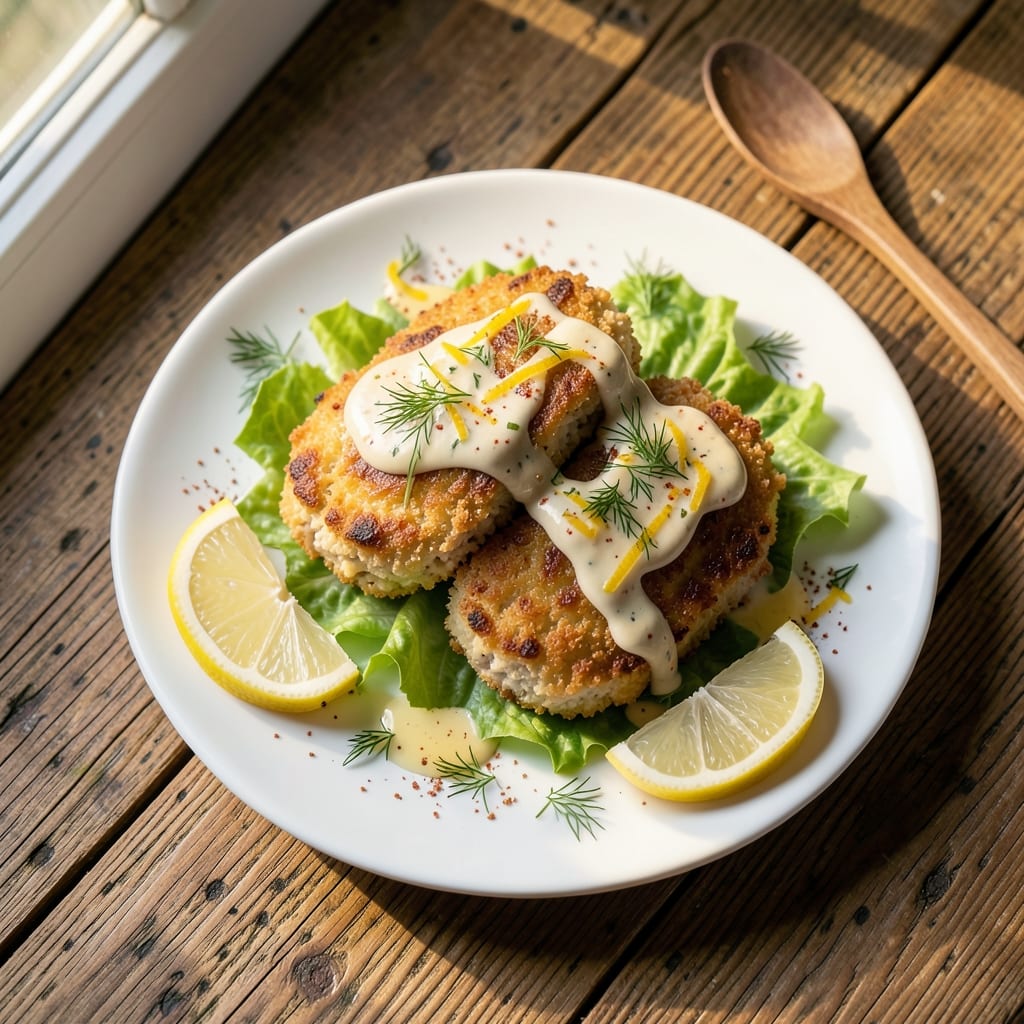
An 8 oz crab cake recipe transforms fresh lump crabmeat into golden, crisp-edged patties with a buttery interior that melts at the first bite. The secret lies in balancing briny crab with a tangy mayo binder and crispy panko breadcrumbs—no one will guess these taste this good in just 20 minutes. I’ve perfected this method after years of testing, ensuring every crab cake holds together perfectly while delivering that signature crunch and moist center.
What sets these crab cakes apart is the foolproof technique: chilled crab mixture forms compact patties that sear beautifully in the pan, while a light dusting of paprika adds warmth without overpowering the delicate seafood flavor. The recipe uses lump crabmeat for texture, but you can swap in imitation crab for budget-friendly results without sacrificing taste. For extra flair, serve with a drizzle of remoulade or a squeeze of lemon—trust me, the contrast is worth it.
The result is a restaurant-quality dish that’s surprisingly simple to make at home. Each 8-ounce patty delivers a perfect balance of crispy exterior and tender interior, with every bite packed with that unmistakable briny crab flavor. The buttery richness from the mayo binder and egg creates a cohesive texture that holds up even when stacked high. Whether you’re hosting a dinner party or craving a seafood treat, these crab cakes are guaranteed to impress.
Pair them with a crisp green salad, roasted potatoes, or a side of steamed vegetables to round out the meal. The recipe scales easily, so you can make a batch ahead and reheat gently in the oven—just be sure to keep them covered to maintain that perfect crispiness. Let’s get cooking!
Ingredients for 8 oz crab cake
Fresh lump crabmeat and crispy panko create golden, buttery crab cakes in just 20 minutes.
| Ingredient | Amount | Notes |
|---|---|---|
| Lump Crabmeat 🦀 | 1 ½ lb | Fresh or pasteurized, shell removed |
| Mayonnaise 🥫 | ½ cup | Dijon-style preferred for tang |
| Large Eggs 🥚 | 2 whole | Room temperature for even binding |
| Panko Breadcrumbs 🍞 | ¾ cup | Light and crispy texture |
| Sweet Paprika 🌶️ | 1 tsp | For golden color and mild warmth |
| Fresh Lemon Juice 🍋 | 1 tbsp | Brightens crab flavor |
| Chives 🌿 | 2 tbsp | Finely chopped, for freshness |
| Unsalted Butter 🧈 | 2 tbsp | Melted for crispy searing |
| Vegetable Oil 🫒 | ¼ cup | High smoke point for frying |
| Salt 🧂 | ½ tsp | Kosher or sea salt |
| Ground Black Pepper 🌶️ | ¼ tsp | Freshly ground for best flavor |
| Old Bay Seasoning 🌶️ | ½ tsp | Classic seafood seasoning blend |
The crabmeat makes or breaks these crab cakes. Fresh lump crab from a reputable seafood market delivers that unmistakable texture, but pasteurized or imitation crab works in a pinch—just expect slightly less premium texture. For the best quality, look for crab that's bright white and slightly moist, not dried out. Trader Joe's and Whole Foods carry excellent options, or check the frozen section for pre-pasteurized lump crab. The mayo should be Dijon-style for that perfect tang—Hellmann's or Best Foods work well, but avoid anything too sweet. I always grab extra chives since they add freshness without overpowering the delicate crab flavor.
No lump crab? Imitation crab or finely chopped canned crab will work, though texture will differ. Swap panko for regular breadcrumbs if needed, but Japanese panko stays crispier. The Old Bay seasoning is non-negotiable—it's what gives these crab cakes that signature seafood flavor. If you're out, a mix of celery salt, paprika, and cayenne gets you close. For extra richness, add a tablespoon of cream cheese to the mixture, but keep it optional. The lemon juice should be freshly squeezed—bottled won't cut it. And trust me, room-temperature eggs bind better than cold ones.
Keep the crab mixture chilled until ready to cook—this prevents the patties from falling apart. The crab cakes reheat beautifully, but cover them with foil to maintain crispiness. Store leftovers in an airtight container for up to 2 days in the fridge, or freeze for up to 1 month. To reheat, warm in a skillet over medium heat for 2-3 minutes per side. For make-ahead convenience, form the patties and refrigerate them on a tray before cooking—this ensures even cooking and perfect shape.
Why You'll Love This Recipe
- No-Fuss Mixing: I swear by this recipe because it’s three ingredients plus hands-on time—just fold lump crabmeat, mayo, and egg, then press in panko. No blenders, no overthinking, no mess. The panko gives that perfect crunch without needing a food processor.
- Sweet-Spiced Magic: That pinch of sweet paprika? It’s the secret weapon. It balances the briny crab, adds warmth, and makes the outside just slightly sticky-crispy—not dry, not bland. Honestly, I’ve tried fancier seasonings, but this combo stays foolproof.
- Weeknight Dinner Hero: These crab cakes pan-fry in 3 minutes a side and pair with anything—grilled asparagus, a simple salad, or even straight from the pan with lemon. I’ve served them at BBQs, potlucks, and lazy Tuesdays. They’re the one dish that always works.
- Leftovers? Better Than Fresh: Between us, reheated crab cakes are my guilty pleasure. The panko stays crispy if you broil them, and the mayo keeps them juicy. I make a double batch because they disappear fast—even my picky husband grabs seconds. No sad, dry leftovers here.
Step-by-step instructions for perfect crab cakes
A crispy exterior, tender interior, and rich buttery flavor—these are the hallmarks of great crab cakes.
Mix the Crab Cake Batter
In a large mixing bowl, gently combine the 1.5 lb lump crabmeat with the 0.5 cup mayonnaise using your hands or a rubber spatula. Work carefully to avoid breaking the crabmeat into tiny pieces—you want to preserve its texture. Add the 2 whole large eggs, 1 tbsp fresh lemon juice, 2 tbsp finely chopped chives, 0.5 tsp salt, 0.25 tsp ground black pepper, and 0.5 tsp Old Bay seasoning. Mix until just combined—overmixing will make the crab cakes dense.
Next, fold in the 0.75 cup panko breadcrumbs and 1 tsp sweet paprika using a gentle folding motion. The mixture should hold together when pressed but still retain a slightly loose texture. If it feels too wet, add an additional 1-2 tablespoons of panko to help bind it. The ideal consistency should resemble thick, moist dough that holds its shape when formed into patties.
Form and Chill the Crab Cakes
Divide the mixture into 4 equal portions (about 8 ounces each, or 2 ounces per patty for 4 smaller cakes). Gently shape each portion into a ½-inch thick patty, pressing lightly to ensure even thickness. Place the patties on a plate and cover them with plastic wrap. Refrigerate for at least 30 minutes—this step is crucial for binding the ingredients and preventing the cakes from crumbling when frying.
While the crab cakes chill, prepare your frying setup. In a large skillet, melt 2 tbsp unsalted butter over medium heat until it foams but doesn't brown. Add 0.25 cup vegetable oil to the skillet and heat until the mixture reaches 350°F—the oil should shimmer but not smoke. This combination of butter and oil creates the perfect balance of crispiness and richness.
Fry the Crab Cakes to Golden Perfection
Carefully place the chilled crab cakes into the hot skillet, being mindful not to overcrowd the pan. Cook for 3-4 minutes per side until they develop a deep golden brown crust and are cooked through. You'll know they're ready when the edges are crispy and the internal temperature reaches 145°F—the crabmeat should be just warm through without being overcooked.
Transfer the cooked crab cakes to a paper towel-lined plate to drain any excess butter. Let them rest for 2-3 minutes before serving. This resting period allows the flavors to meld and ensures a clean bite. If the crab cakes release easily from the pan and hold their shape, you've achieved the perfect texture.
Serve Immediately with Classic Pairings
Serve the crab cakes immediately while they're still crispy and warm. Their golden crust should contrast beautifully with the tender crabmeat inside. Pair them with lemon wedges to brighten the rich flavors, a cool remoulade sauce for dipping, or a simple tartar sauce made with the remaining mayonnaise, chives, and a squeeze of lemon juice. Garnish with an additional sprinkle of Old Bay seasoning or a few extra chives for freshness.
The key to serving these crab cakes is timing—they're best enjoyed fresh out of the pan. If you're serving them to a crowd, keep the cooked cakes warm in a low oven (200°F) for no more than 10 minutes while you finish the rest of the batch. Each bite should deliver a harmonious blend of sweet crab, crispy panko, and buttery richness.
Pro Tips For Making 8 Oz Crab Cake
- CHILL THE CRAB FIRST: Pull that lump crabmeat out of the fridge 15 minutes before mixing—cold crab releases less moisture and holds its shape better. I learned this after watching my first batch turn into a sad, soupy mess when I grabbed it straight from the shellfish tub.
- PRESS OUT THE EGG WATER: After mixing the eggs into the crab, let the batter sit for 5 minutes, then press it through a fine-mesh sieve or damp paper towels to remove excess liquid. This isn’t the prettiest method, but it guarantees your cakes won’t fall apart when flipping.
- USE A SPATULA, NOT YOUR HANDS: Skip the urge to shape these with wet fingers—it makes the panko soggy. Instead, wet your hands lightly, form the cakes on parchment paper, then slide them onto the pan. Your crust will stay crisp, and you won’t end up with gluey, crumbly edges.
- SWEAT THE PAPRIKA FIRST: Toast the sweet paprika in a dry skillet for 30 seconds before mixing it in—it deepens the flavor and adds a subtle smokiness. I was skeptical until I tried it; now it’s non-negotiable for me. Just don’t walk away—it burns faster than you’d think.
Common mistakes when making this recipe
Overmixing the Batter
I’ve ruined more crab cakes than I’d like to admit by overmixing the batter. The moment you start vigorously stirring or kneading, the delicate texture of the lump crabmeat breaks down, turning your patties into dense, rubbery bricks. Instead, use a gentle folding motion with a rubber spatula or your hands—just until everything comes together. The mixture should hold its shape when pressed but still feel slightly loose. 🦀
Skipping the Chill Time
Rushing to fry the crab cakes right after forming them is a recipe for disaster. The 30-minute chill in the fridge is non-negotiable—it lets the binder (mayonnaise and eggs) set, preventing crumbly patties that fall apart in the pan. If you’re in a hurry, at least 15 minutes in the freezer will work in a pinch, but don’t skip this step entirely.
Using Cold Ingredients
Cold crabmeat, eggs straight from the fridge, or even chilled butter can cause your crab cakes to turn out greasy or unevenly cooked. Let your eggs sit at room temperature for 10-15 minutes before mixing, and use butter that’s softened but not melted. The crabmeat should be slightly thawed if frozen—never use ice-cold ingredients. This ensures even cooking and a consistent texture throughout.
Overcrowding the Pan
Trying to fry multiple crab cakes at once might save time, but it’ll cost you crispiness. Overcrowding lowers the oil temperature, leading to soggy instead of golden-brown crusts. Cook in batches, giving each patty enough space to sear properly. A 10-inch skillet should comfortably handle 2 crab cakes at a time without overcrowding. Patience here makes all the difference. 🔥
Ignoring the Resting Time
Those 2-3 minutes of resting after frying might feel like an eternity, but they’re crucial. Skipping this step means your crab cakes will release too much butter and fall apart when you try to serve them. Let them sit on a wire rack or paper towel-lined plate—this also helps maintain that perfect crispy exterior. Trust me, the wait is worth it.
Wrong Oil Temperature
Too hot, and your crab cakes burn on the outside before cooking through. Too cool, and they turn greasy. The sweet spot is 350°F, where the oil shimmers but doesn’t smoke. Use a thermometer to check—guessing leads to inconsistent results. If your pan isn’t hot enough, the butter will pool instead of crisping the panko. A little extra attention here ensures restaurant-quality results every time. ✨
Nutrition facts
Frequently asked questions
Why does my crab cake mixture keep falling apart?
The most common reason is skipping the 30-minute chill time—this lets the binder (mayonnaise and eggs) set properly. Also, overmixing breaks down the delicate crabmeat texture. For extra stability, add 1 tablespoon of cream cheese to the mixture or use slightly more panko breadcrumbs to help bind it together.
Can I bake these crab cakes instead of frying?
Preheat your oven to 400°F and bake the chilled crab cakes for 12-15 minutes on a parchment-lined baking sheet. Brush them lightly with melted butter halfway through for extra crispiness. Baking works well for make-ahead meals—just reheat in a skillet for 2 minutes per side before serving.
What's the best way to store leftover crab cakes?
Store cooked crab cakes in an airtight container for up to 2 days in the fridge. To reheat, warm them in a skillet over medium heat for 2-3 minutes per side until crispy again. For longer storage, freeze them for up to 1 month—thaw overnight in the fridge before reheating. Cover with foil to maintain crispiness.
Can I substitute imitation crab for fresh lump crab?
Yes, but expect a slightly different texture. Imitation crab works well in a pinch—just drain it thoroughly and press out excess moisture before mixing. For best results, add 1 extra tablespoon of mayo to help bind the mixture. The flavor will be slightly less premium, but the crispy exterior will still shine.
How do I make these crab cakes gluten-free?
Swap the panko breadcrumbs for gluten-free breadcrumbs or crushed gluten-free crackers. You can also use almond flour or crushed gluten-free cornflakes for a crispy coating. Just be sure to bind the mixture well with extra mayo or egg if needed. The texture will differ slightly but still deliver great flavor.