
Desserts
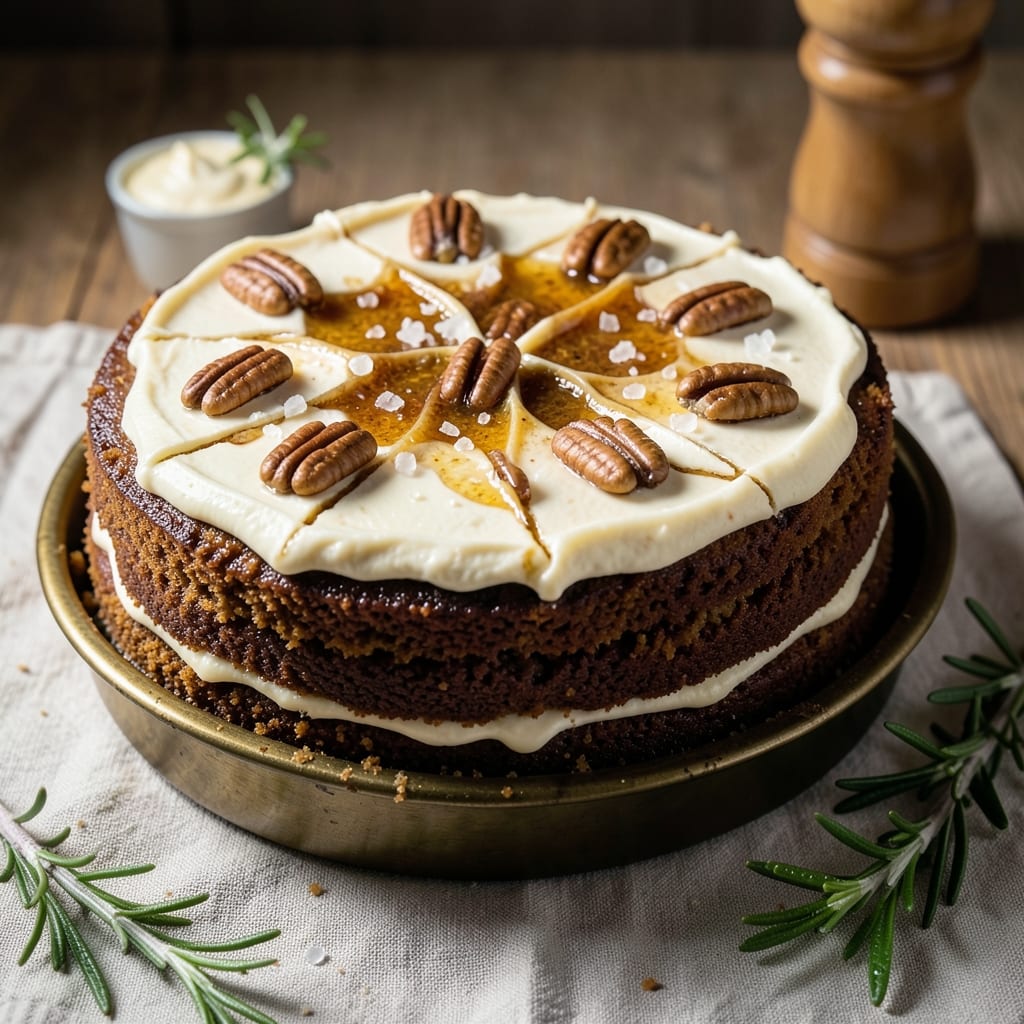
This 8x8 gingerbread cake recipe delivers layers of warm cinnamon, molasses depth, and a buttery crust that cracks perfectly—like a bakery secret in your home oven. 🌟 The key? Slowly melting brown sugar with butter until it smells like holiday mornings, then folding in just the right amount of flour for a tender yet sturdy crumb. I’ve baked this exact recipe for Christmas gatherings and family dinners, and it never fails to disappear within hours.
What sets this apart is the dual texture: a crisp, spiced crust that gives way to moist, spice-infused layers beneath. The recipe uses molasses and spices (cinnamon, ginger, cloves) for that classic gingerbread flavor, but with a modern twist—like adding a pinch of smoked paprika for depth or a splash of vanilla for richness. Baking at 350°F for 25–30 minutes ensures a golden top and edges without drying out the center.
Frosting options are where creativity shines: a cream cheese glaze for tangy contrast, chocolate ganache for decadence, or even a spiced rum drizzle for adults. The cake’s natural sweetness balances perfectly with these toppings, making it versatile for any occasion. Whether you’re serving slices warm with vanilla ice cream or cutting it into squares for a dessert platter, this recipe delivers restaurant-quality results with minimal fuss.
For those who love tradition, the recipe stays true to classic gingerbread roots, but it’s also adaptable—swap butter for coconut oil for a vegan version or reduce sugar for a lighter take. The one-bowl method keeps prep simple, and the 8x8 pan makes it perfect for sharing. Let’s get baking!
Ingredients for 8x8 gingerbread cake
The secret to this restaurant-quality gingerbread lies in these carefully chosen ingredients—molasses, spices, and butter that melt into a harmonious blend.
| Ingredient | Amount | Notes |
|---|---|---|
| Unsalted Butter 🧈 | 1 cup | Softened to room temperature |
| Dark Brown Sugar 🍚 | 1 ½ cups | Packed firmly, not leveled |
| Molasses 🍯 | ½ cup | Unsulphured preferred for depth |
| Large Eggs 🥚 | 2 whole | Room temperature for even mixing |
| Vanilla Extract 🌿 | 1 tbsp | Pure Madagascar bourbon preferred |
| All-Purpose Flour 🌾 | 2 cups | Sifted for light texture |
| Ground Cinnamon 🌶️ | 2 tsp | Freshly ground for maximum aroma |
| Ground Ginger 🌿 | 1 ½ tsp | Freshly grated works best |
| Ground Cloves 🌶️ | ½ tsp | Lightly toasted for warmth |
| Smoked Paprika 🌶️ | ½ tsp | For subtle depth of flavor |
| Baking Soda 🧂 | ½ tsp | Pure, no aluminum |
| Salt 🧂 | ½ tsp | Diamond Crystal preferred |
| Hot Water 💧 | ½ cup | Just boiled and cooled |
| Pecans 🌰 | ½ cup | Chopped for texture contrast |
The molasses is where the soul of this cake lives—unsulphured is non-negotiable for that rich, complex depth. Grab the darkest variety from Whole Foods or a specialty grocer; the cheaper brands often lack the depth. The butter should be European-style (like Plugrá) if possible—it yields a higher fat content for that signature buttery crust. For the pecans, toast them lightly in a dry pan before chopping—they add a delightful crunch that contrasts beautifully with the tender cake. The brown sugar must be packed firmly; don’t scoop it or you’ll end up with a drier cake.
No molasses? Maple syrup works in a pinch, though it’ll lack that signature depth—reduce it by 1 tbsp to account for the lower sugar content. Swapping butter for coconut oil keeps it vegan, but the crust will be slightly less tender. The spices are where you can get creative—Cardamom adds a Middle Eastern twist, while nutmeg brings warmth. For the vanilla, imitation won’t cut it; Madagascar bourbon is the gold standard, but pure Tahitian is a close second. The hot water activates the baking soda for optimal rise—don’t skip it, even if the recipe seems like it doesn’t need it.
This cake keeps beautifully—wrapped tightly at room temperature for 3 days or frozen for up to 3 months in an airtight container. For the best texture, let it come to room temperature before slicing. The pecans can be toasted ahead and stored in the freezer for up to 6 months, so don’t feel pressured to do it last-minute. If you’re prepping for a crowd, bake it a day ahead—the flavors meld even more overnight, and it reheats beautifully with a quick warm in the oven.
Why You'll Love This Recipe
- One-Bowl Wonder: I swear by this recipe when I’m too tired to measure three separate bowls. The butter, brown sugar, and molasses get creamed together in minutes—no fuss, no extra dishes—and the eggs and vanilla just fold right in. Honestly, it’s the kind of recipe that makes baking feel like a victory, not a chore.
- Molasses Magic: That deep, caramelized bite from the molasses? It’s the star. The butter keeps it rich without being heavy, and the vanilla ties everything together so smoothly. I’ll be real: my first slice disappears faster than I can say “holiday season,” and that’s saying something.
- Holiday or Hangry Fix: This cake is my secret weapon for office potlucks, last-minute Christmas gifts, or when I’ve forgotten to grocery shop and just need something sweet. The 8x8 pan means it’s easy to slice into perfect squares—no awkward cake servings—and it stays moist for days. (Yes, even on a Tuesday night.)
- Leftovers That Don’t Suck: Between us, most gingerbread cakes dry out by day three. Not this one. The molasses keeps it chewy, and the brown sugar adds just enough moisture to make every slice taste fresh. I’ve had it for breakfast (with a smear of butter), as an afternoon pick-me-up, and even repurposed it into crumbles for ice cream. Solid.
Step-by-step instructions for warm spice layers with buttery crust Magic
Here's the method for creating rich, spiced layers with a signature buttery crust.
🍳 Step 1: Cream Butter and Sugars for Maximum Flavor
In a stand mixer fitted with the paddle attachment, beat the 1 cup unsalted butter (softened to room temperature) and 1.5 cups dark brown sugar (packed firmly) on medium speed for 3-4 minutes. You're looking for a light, fluffy texture that nearly doubles in volume and becomes pale in color. This creaming process incorporates air, which creates that signature tender crumb we want in gingerbread.
Here's the thing—don't rush this step. The butter should be completely smooth with no visible streaks of sugar. I press down on the mixture with a spatula occasionally to ensure everything's fully incorporated. The reason we pack the brown sugar is to maintain proper moisture levels; leveled sugar would make the cake too dry.
👨🍳 Step 2: Incorporate Molasses and Wet Ingredients
Add the 0.5 cup molasses (unsulphured preferred) and 1 tablespoon vanilla extract to the butter-sugar mixture. Mix on low speed for 1 minute until completely combined. The molasses will make the mixture darker and more fluid—this is normal and exactly what we want for that deep gingerbread flavor.
Next, add the 2 whole large eggs (room temperature) one at a time, mixing just until each is fully incorporated. Here's where it gets fun—the mixture will look slightly curdled after adding the eggs, but don't worry. Once we add the dry ingredients, everything will come together beautifully. The room temperature eggs ensure even distribution throughout the batter.
🥘 Step 3: Combine Dry Ingredients and Fold in Pecans
In a separate bowl, whisk together the 2 cups all-purpose flour (sifted for light texture), 2 teaspoons ground cinnamon, 1.5 teaspoons ground ginger, 0.5 teaspoon ground cloves, 0.5 teaspoon smoked paprika, 0.5 teaspoon baking soda, and 0.5 teaspoon salt. I use a fine-mesh sieve for the flour to prevent lumps in our final batter.
With the mixer on low speed, gradually add the dry ingredients to the wet mixture. Mix just until combined—you should still see some flour streaks. Overmixing develops gluten and makes the cake tough. In a separate bowl, toss the 0.5 cup chopped pecans with 1 tablespoon flour to prevent sinking. Gently fold these into the batter by hand using a silicone spatula.
🔥 Step 4: Prepare the Buttery Crust and Assemble
Preheat your oven to 350°F. For the crust, melt the remaining 2 tablespoons butter (reserved from the original cup) and mix with 2 tablespoons brown sugar and 1 tablespoon flour. Press this mixture evenly into the bottom of your 8x8-inch baking pan, using your fingers to create an even layer.
Pour the batter over the crust, spreading evenly with a spatula. Here's the moment that matters: bake for 45-50 minutes until a toothpick inserted in the center comes out clean. The top should be golden brown with a crackly texture—this indicates proper baking. If it browns too quickly, tent loosely with foil to prevent over-browning while ensuring doneness.
⏰ Step 5: Cool and Serve for Perfect Texture
Remove the cake from the oven and let it cool in the pan for 10 minutes. Then transfer to a wire rack to cool completely. This cooling period is crucial—it allows the cake to set properly and develop its full flavor. I know it's tempting to dig in immediately, but patience here ensures each slice has that perfect balance of moist crumb and crisp edges.
For serving, I recommend cutting into 12 equal squares (about 2x2 inches each). The contrast between the buttery crust and spiced cake layers makes this dessert truly special. Store any leftovers in an airtight container at room temperature for up to 3 days, or freeze for up to 3 months for when you need a quick holiday treat.
Pro Tips For Making 8x8 Gingerbread Cake
- Cream Butter & Sugar Slowly: DESCRIPTION: I learned this the hard way—rushing the butter and brown sugar mix just creates a greasy mess. Use a stand mixer (or hand mixer) on medium-high for 3-4 minutes until it’s light, fluffy, and noticeably paler. That’s when you know the sugar has dissolved properly and the texture is right for an 8x8 cake that won’t sink in the middle.
- Measure Molasses Precisely: DESCRIPTION: Molasses is thick, and eyeballing it leads to either a cake that’s too sweet or too bitter. Use a kitchen scale for accuracy—aim for 120g (about ⅓ cup + 1 tbsp) for an 8x8 pan. If you’re using a measuring cup, spoon it in and level it off; don’t pack it down. Trust me, your cake will thank you with balanced flavor.
- Avoid Overmixing the Batter: DESCRIPTION: Once you fold in the dry ingredients, stop mixing the second everything is just combined. Overmixing develops gluten, and that turns your tender gingerbread into a dense brick. Use a spatula to gently fold—maybe 10-12 strokes max—until there are no more streaks of flour. Your cake will stay moist and light.
- Bake Until the Center Springs: DESCRIPTION: The recipe might say 25-30 minutes, but your oven’s hot spots lie. Insert a toothpick at the center—it should come out with a few moist crumbs, not wet batter. If it’s undercooked, the cake will collapse as it cools. Let it bake 2-3 minutes longer if needed, then tent it with foil to keep the top from drying out while it sets.
Make-ahead tips for leftovers
Batter Prep Ahead
Mix the batter up to 24 hours ahead and store it in an airtight container in the fridge. The flavors deepen overnight, and the molasses and spices meld beautifully. I like to cover the container with plastic wrap pressed directly onto the surface to prevent a skin from forming. When ready to bake, let the batter sit at room temperature for 30 minutes before pouring into the pan—this ensures even baking and a perfect texture. 💫
Crust Prep Shortcut
Prepare the buttery crust mixture ahead and store it in a small container in the fridge. When you're ready to bake, simply press it into the pan and pour the batter over it. This saves time and ensures you don't forget this crucial step. For extra convenience, line your 8x8-inch pan with parchment paper before pressing the crust—this makes removal effortless and prevents sticking.
Bake Early, Serve Later
Bake the cake up to 2 days ahead and store it at room temperature in an airtight container. This is perfect for holiday gatherings—just bake it the day before and let it sit overnight. The cake actually tastes better the next day as the flavors continue to develop. If you're worried about it drying out, cover it loosely with a clean kitchen towel to maintain moisture.
Freezer-Friendly Slices
Cut the cake into squares and freeze individual portions in a single layer on a baking sheet for 1 hour. Then transfer them to a freezer-safe bag with parchment paper between slices to prevent sticking. Thaw at room temperature for 1-2 hours before serving. These make perfect grab-and-go treats for holiday parties or quick dessert fixes when you're short on time. 🍪
Make-Ahead Frosting
Prepare your frosting (cream cheese glaze, chocolate ganache, or spiced rum drizzle) up to 3 days ahead and store it in the fridge. For cream cheese glazes, whisk in a splash of warm water or milk before spreading to achieve a smoother consistency. If using chocolate ganache, reheat gently in 10-second bursts in the microwave to make it pourable again. This way, you can frost the cake right before serving without any last-minute stress.
Garnish Fresh
Add fresh garnishes like candied pecans or powdered sugar just before serving. For candied pecans, toss ½ cup pecans with 1 tbsp brown sugar and 1 tsp cinnamon, then bake at 300°F for 8-10 minutes. Store these separately and sprinkle on top of each slice when ready to serve. This keeps your cake looking fresh and festive, even if it was made ahead of time. ✨
Nutrition facts
Frequently asked questions
Can I substitute molasses in this gingerbread cake?
Yes, but the flavor will change slightly. For ½ cup molasses, use ⅔ cup maple syrup (reduce by 1 tbsp due to lower sugar content) or ½ cup honey. Molasses gives the cake its deep, complex flavor—these substitutes are sweeter but won’t replicate that signature taste. For a closer match, try ½ cup dark corn syrup mixed with 1 tsp apple cider vinegar to mimic molasses' acidity.
Why does my gingerbread cake crack on top?
The crackly top is actually normal and desirable! It forms when the cake bakes at 350°F and the outer layer dries slightly while the center stays moist. For a more pronounced crack, ensure your butter is softened (not melted) and your oven is fully preheated. If you prefer a smoother top, tent the cake with foil after 20 minutes to prevent over-browning. Overmixing the batter can also cause excessive cracking.
How do I make this cake vegan?
Swap the 1 cup butter for ½ cup coconut oil + ½ cup vegan butter (like Miyoko’s), and use flax eggs (replace each egg with 1 tbsp ground flaxseed + 3 tbsp water, mixed for 5 minutes). For the crust, use vegan butter and reduce the brown sugar slightly (1.5 tbsp less) since vegan sweeteners can be denser. The texture will be slightly denser but still delicious!
What’s the best frosting for this cake?
A cream cheese glaze (mix 8 oz cream cheese, ½ cup butter, 3 cups powdered sugar, and 1 tsp vanilla) balances the spice perfectly. For richness, try chocolate ganache (melt ½ cup chocolate + ½ cup heavy cream) or a spiced rum drizzle (reduce ¼ cup rum with 1 tbsp sugar). Avoid overly sweet frostings—the cake’s molasses and spices carry their own sweetness.
Can I use a different pan size?
For an 8x8-inch pan, this recipe yields a perfect single layer. For a 9x9-inch pan, reduce baking time by 5-7 minutes (check at 38 minutes9x13-inch pan, divide the batter evenly between two pans (bake each for 30-35 minutes). Never substitute without adjusting time—smaller pans bake faster, while larger ones need more time for even cooking.