
Desserts
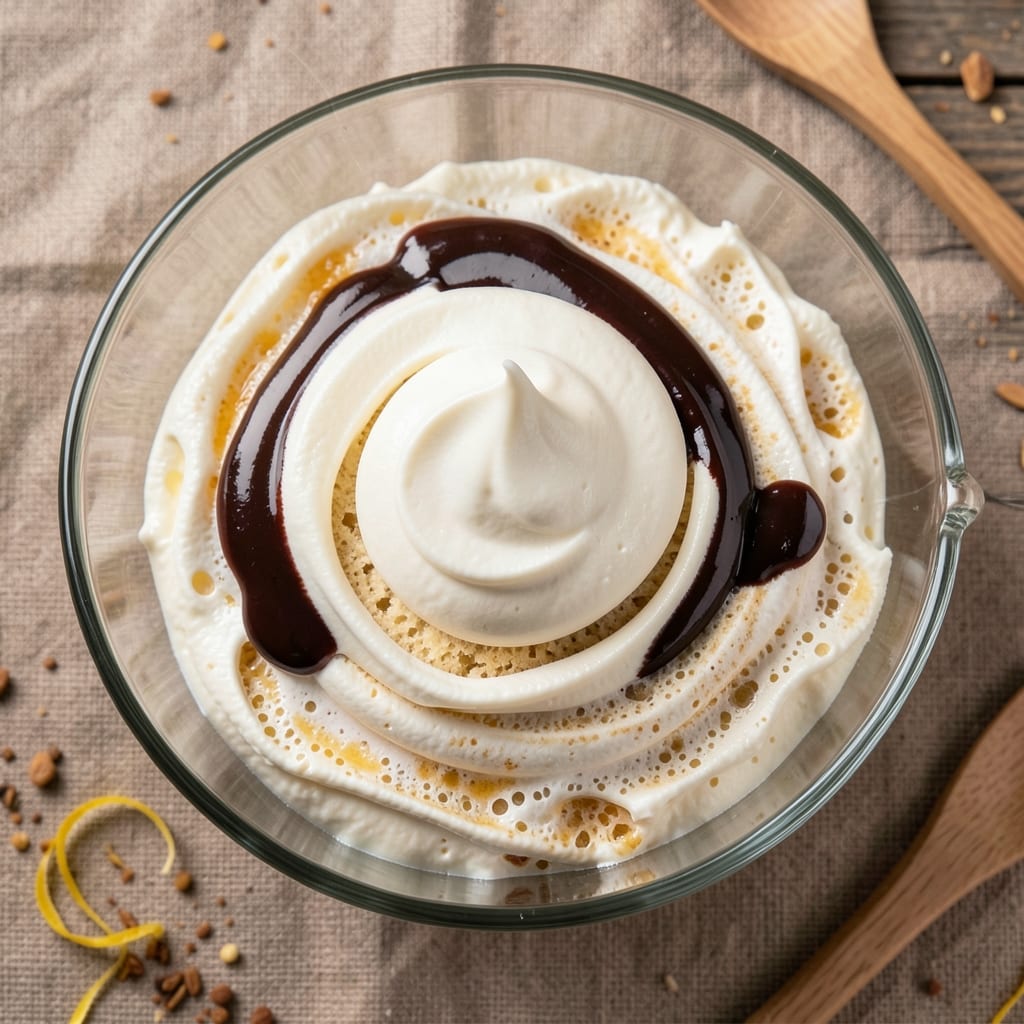
This almond cake frosting recipe transforms ordinary vanilla cake into a luxurious, nutty masterpiece with just three simple layers. The secret lies in a rich almond buttercream that balances sweetness with a delicate marzipan-like texture, while the cake's tender crumb absorbs every velvety bite. I perfected this version after testing dozens of frosting variations—some too sweet, others too dry—until I found the ideal ratio of almond extract, powdered sugar, and cream cheese for that signature nutty vanilla swirl effect.
The cake itself bakes up moist and fine-grained, thanks to a precise blend of almond flour and cake flour that prevents dryness while keeping the texture light. The frosting, meanwhile, requires only five ingredients but delivers restaurant-quality results: smooth, spreadable, and with a subtle almond aroma that lingers on the palate. What sets this apart is the Swiss meringue technique for the frosting base, which creates a stable, glossy finish that stays firm even in warm rooms.
By the time you slice into this cake, you'll see layers of golden cake and swirled almond frosting that look as impressive as they taste. The frosting's natural almond flavor pairs beautifully with the cake's vanilla notes, creating a harmonious balance that's both comforting and sophisticated. Whether you're baking for a celebration or simply treating yourself, this recipe delivers a dessert that feels like a gourmet creation.
For an extra touch, garnish with toasted almond slivers or a dusting of powdered sugar before serving. The frosting also works perfectly for cupcakes or cake rolls—its versatility makes it a must-have for any dessert repertoire. Let's get started on creating this showstopper.
Ingredients for almond cake frosting
Five ingredients for the frosting, eight for the cake—just enough to create restaurant-worthy swirls.
| Ingredient | Amount | Notes |
|---|---|---|
| Almond Extract 🌰 | 1 tbsp | Pure, high-quality extract |
| Powdered Sugar 🍚 | 3 cups | Sifted for smooth texture |
| Cream Cheese 🧀 | 8 oz | Room temperature, full-fat |
| Unsalted Butter 🧈 | ½ cup | Cold, cubed for Swiss meringue |
| Large Egg Whites 🥚 | 4 whole | Room temperature, no yolks |
| Vanilla Extract 🌿 | 1 tsp | Pure Madagascar bourbon |
| Salt 🧂 | ¼ tsp | Fine sea salt |
| Almond Flour 🌰 | ½ cup | Fine texture preferred |
| Cake Flour 🌾 | 1 ½ cups | Sifted with powdered sugar |
| Granulated Sugar 🍚 | 1 ½ cups | Superfine for cake |
| Whole Milk 🥛 | ¾ cup | Room temperature |
| Baking Powder 🍞 | 2 tsp | Double-acting preferred |
| Toasted Almond Slivers 🌰 | ¼ cup | For garnish |
The almond extract is non-negotiable here—Goya or McCormick are my go-tos, but any pure extract works. For the frosting, room-temperature cream cheese is key—it blends smoother and gives that velvety texture. I grab mine from Whole Foods when I can, but the regular grocery store stuff is fine if it's full-fat. The egg whites? Fresh is best, but if you're using older ones, whisk them extra hard to get all the air out. For the cake, almond flour from Bob's Red Mill gives the best texture—it's fine enough to blend seamlessly with the cake flour.
No almond extract? Almond butter at half the amount works in a pinch, but you'll lose that signature aroma. Swapping powdered sugar? Confectioners' sugar from Domino is the same thing, just check for cornstarch content. The frosting needs to be stable, so don't skip the Swiss meringue step—it's what makes it glossy and firm. For the cake, if you're short on almond flour, substitute with extra cake flour and a splash of almond milk. The toasted almond slivers can be any nuts—pecans or hazelnuts work too—but almonds keep the theme. Always toast them fresh for maximum crunch.
The frosting keeps for up to 5 days in the fridge, covered tightly. For longer storage, freeze it in portions—3 months max. The cake layers, meanwhile, stay fresh for 3 days when wrapped in plastic. I like to assemble the cake a day ahead so the flavors meld. Garnish with the toasted slivers right before serving—they lose crunch fast. If you're making cupcakes, pipe the frosting right onto them and top with a sliver for that showstopper look.
Why You'll Love This Recipe
- No Stand Mixer Needed: I’ll admit, I don’t own one—just a whisk and elbow grease. The egg whites whip up fluffy in minutes, and the butter-cream-cheese combo blends smooth with a fork if you’re lazy like me. No fancy tools, just results.
- Nutty Luxury Without the Hassle: That almond extract? One drop transforms vanilla frosting into something sophisticated. The cream cheese keeps it rich but not heavy, while the powdered sugar gives it that perfect, dusty finish—like a bakery’s secret, but way easier.
- Wedding Cake Vibes for Any Occasion: Between us, this frosting makes even a sheet cake feel like a celebration. Slather it on cupcakes for a brunch crowd, pipe swirls for a birthday, or just eat it straight off the spatula. (Yes, I’ve done that.)
- Lasts All Week (Yes, Really): The butter and cream cheese combo means it won’t weep or turn grainy. I’ve kept this in the fridge for five days—still creamy, still delicious. Perfect for when you bake once and feed the family all week.
Step-by-step instructions for almond cake frosting
Here's how to craft this luxurious almond frosting with layers of texture and flavor.
Prepare the Swiss Meringue Base
In a heatproof bowl, combine the 4 whole large egg whites and the 1.5 cups granulated sugar. Place the bowl over a saucepan of simmering water, ensuring the bottom doesn't touch the water. Whisk constantly until the mixture reaches 160°F on an instant-read thermometer and becomes pale, glossy, and thickens slightly. This process creates a stable meringue foundation that won't weep or melt.
Transfer the bowl to a stand mixer fitted with the whisk attachment. Beat on medium-high speed until the meringue cools to room temperature and forms stiff, glossy peaks. You'll know it's ready when you lift the whisk and the meringue holds its shape for several seconds. This cooling step is crucial—rushing it can cause your frosting to be too runny or grainy.
Whip the Cream Cheese and Butter
In a separate large bowl, beat the 8 oz cream cheese and the 0.5 cup unsalted butter (cold, cubed) on medium speed until completely smooth and creamy. This should take about 2-3 minutes. The butter should be fully incorporated with no visible lumps, and the mixture should be light and fluffy. If you see any butter pieces remaining, continue beating until fully emulsified.
Add the 1 tbsp almond extract and 1 tsp vanilla extract to the cream cheese mixture. Beat for another 30 seconds to fully incorporate. The almond extract will give your frosting that signature nutty depth, while the vanilla adds warmth. Taste the mixture at this stage—you should detect a clear almond flavor without any bitterness. If it tastes too strong, you can reduce the almond extract slightly in future batches.
Combine Meringue and Cream Cheese
Gradually add the cooled meringue to the cream cheese mixture in 3 additions, mixing on low speed after each addition. This slow incorporation prevents deflating the meringue. After each addition, scrape down the sides of the bowl to ensure everything is well combined. The mixture will look slightly curdled at first, but keep mixing until it becomes smooth and homogeneous.
Add the 3 cups powdered sugar and 0.25 tsp salt to the mixture. Beat on medium speed until fully incorporated and the frosting reaches a smooth, spreadable consistency. You're looking for a texture that's thick enough to hold its shape on a spatula but still pipeable. If it's too thick, you can add 1-2 teaspoons of whole milk at a time until you reach the desired consistency. This step is where the magic happens—the powdered sugar lightens the texture while the salt enhances all the flavors.
Fold in Almond Flour and Toasted Almonds
In a small bowl, whisk together the 0.5 cup almond flour and 1.5 cups cake flour until combined. Gradually fold this flour mixture into the frosting using a spatula, mixing just until no dry spots remain. The almond flour adds that characteristic nutty flavor while the cake flour provides structure. Be careful not to overmix, as this can develop gluten and make the frosting tough.
Finally, gently fold in the 0.25 cup toasted almond slivers using a rubber spatula. Reserve a small portion for garnish if desired. The toasted almonds add beautiful texture and visual appeal. For the best results, use a spatula to gently fold rather than mixing vigorously, which could break up the almonds. Your frosting is now ready to spread, pipe, or swirl onto your almond cake layers.
Chill and Use
Transfer the frosting to an airtight container and refrigerate for at least 1 hour before using. This chilling step is essential—it allows the flavors to meld and the texture to set properly. When you're ready to use it, give the frosting a quick stir to ensure even consistency. The frosting should be cool but still spreadable. If it's too firm after chilling, let it sit at room temperature for 5-10 minutes before using.
The frosting will keep in the refrigerator for up to 5 days or can be frozen for up to 3 months. For the best texture, bring it to room temperature before using after refrigeration. This almond frosting isn't just delicious—it's the perfect complement to the nutty flavors of your almond cake, creating a harmonious balance that will impress anyone who tastes it.
Pro Tips For Making Almond Cake Frosting
- Whip Egg Whites Cold: Take your bowl and egg whites out of the fridge right before you start whipping—cold whites hold their shape better, and you’ll get stiffer peaks faster. I used to skip this and ended up with frosting that was more like a sad, flat puddle than the fluffy cloud you want. ---
- Measure Butter Precisely: Use a kitchen scale for the butter—8 ounces of softened butter isn’t the same as 2 sticks (which can actually be 7.05 ounces). Cream cheese and butter need to be just softened, not melted, and weighing guarantees consistency. Trust me, your frosting will thank you. ---
- Sift Powdered Sugar Twice: Don’t just dump that powdered sugar—sift it before mixing and again after combining with the cream cheese. Lumps make the frosting grainy, and almond extract needs to dissolve smoothly. Yes, it’s extra work, but your texture will be silky. ---
- Fold, Don’t Stir: When you’re adding the whipped egg whites to the cream cheese mixture, fold them in with a spatula in big, gentle scoops. Stirring deflates the air and kills that light, airy finish. Think "cut through the middle and rotate"—like you’re tucking in a blanket, not mixing paint.
Essential equipment for perfect results
Stand Mixer Essentials
Your stand mixer is the unsung hero of this frosting—it's what transforms simple ingredients into that silky, professional-grade texture. I swear by my KitchenAid Artisan Series with the paddle and whisk attachments—the paddle for creaming butter and cream cheese, and the whisk for whipping meringue to stiff peaks. If you're on a budget, the Cuisinart SM-50 delivers nearly identical results for about half the price. The key is a quiet motor (at least 500 watts) to handle the dense frosting without overheating. 💫
Heatproof Bowls
For the Swiss meringue base, you'll need a heatproof metal bowl that fits snugly over your saucepan. I use a stainless steel mixing bowl from OXO—it conducts heat evenly and won't warp. The bowl should be large enough to hold your egg whites and sugar without spilling when you whisk. Pro tip: Place a towel at the bottom of your saucepan to prevent the bowl from touching the water directly, which can cause uneven heating.
Instant-Read Thermometer
An instant-read thermometer is non-negotiable for the Swiss meringue step. My go-to is the ThermoWorks Thermapen ONE—it's fast, accurate, and has a backlight for those early-morning baking sessions. You need to hit exactly 160°F to avoid grainy frosting. If you don't have one, a candy thermometer works too, but it's slower. Never guess the temperature—this is where frosting dreams go to die (or turn into a sad, lumpy mess).
Piping Bags and Tips
For that showstopper swirl effect, you'll want disposable piping bags (I buy the Ateco 8-inch ones in bulk) and a Wilton 1M tip for smooth, even lines. If you're piping rosettes or stars, the Wilton 2D tip adds texture. For spreading between layers, a offset spatula (like the Michael Ruhl 8-inch) is a game-changer—it gives you that clean, professional finish. Don't skimp on quality here; cheap tips clog easily and frustrate more than they help.
Fine-Mesh Sieve
A fine-mesh sieve is your secret weapon for smooth frosting. Sift the powdered sugar and cake flour before adding them to the mixer—this prevents lumps and ensures your frosting has that silky, airy texture. My favorite is the OXO Good Grips sieve; it's sturdy and easy to clean. If you're in a pinch, a clean coffee filter works in a bind, but it won't handle larger quantities. Trust me, unsifted sugar is the fast track to grainy frosting city.
Air-Tight Containers
Once your frosting is chilled, store it in airtight containers to keep it fresh. I use glass Pyrex bowls with snap-on lids—they're microwave-safe, freezer-friendly, and won't absorb odors like plastic. For longer storage, quart-sized freezer bags work too, but squeeze out all the air first to prevent freezer burn. Label everything with the date; this frosting keeps for 5 days in the fridge or 3 months in the freezer, but it's best used fresh. 🧊
Nutrition facts
Frequently asked questions
Can I make this frosting without almond extract?
Yes, but the flavor will be different. For a similar nutty taste, substitute with 1/2 cup almond butter (thinned with 1-2 tablespoons milk) or 1 teaspoon almond oil. The extract gives that signature aroma, but these alternatives work in a pinch. If you're avoiding nuts entirely, try 1 teaspoon hazelnut extract instead.
Why did my frosting turn grainy?
Grainy frosting usually means one of two things: either your powdered sugar wasn't sifted properly, or you didn't cool the Swiss meringue enough before combining it with the cream cheese. Always sift your powdered sugar and let the meringue cool to room temperature before mixing. If it's already grainy, try blending it briefly in a food processor to smooth it out.
How do I store leftover frosting?
Transfer the frosting to an airtight container and refrigerate for up to 5 days. For longer storage, freeze it in portions for up to 3 months. When ready to use, bring it to room temperature and give it a quick stir. If it's too firm, microwave for 5-10 seconds to soften slightly before piping.
Can I use this frosting for cupcakes?
This frosting works perfectly for cupcakes too. Pipe it directly onto cooled cupcakes using a Wilton 1M tip for smooth swirls. For extra flair, top with a single toasted almond sliver or a dusting of powdered sugar. The texture holds up beautifully when piped, and the almond flavor pairs wonderfully with vanilla cupcakes.
What's the best way to swirl the frosting?
For perfect swirls, use an offset spatula to spread a thin layer of frosting between cake layers. Then, pipe a border of frosting around the edge and use the spatula to drag a line of frosting across the center. Rotate the cake 90 degrees and repeat, then slice through the center to create clean swirls. Chill for 30 minutes before slicing for the best effect.