
Desserts
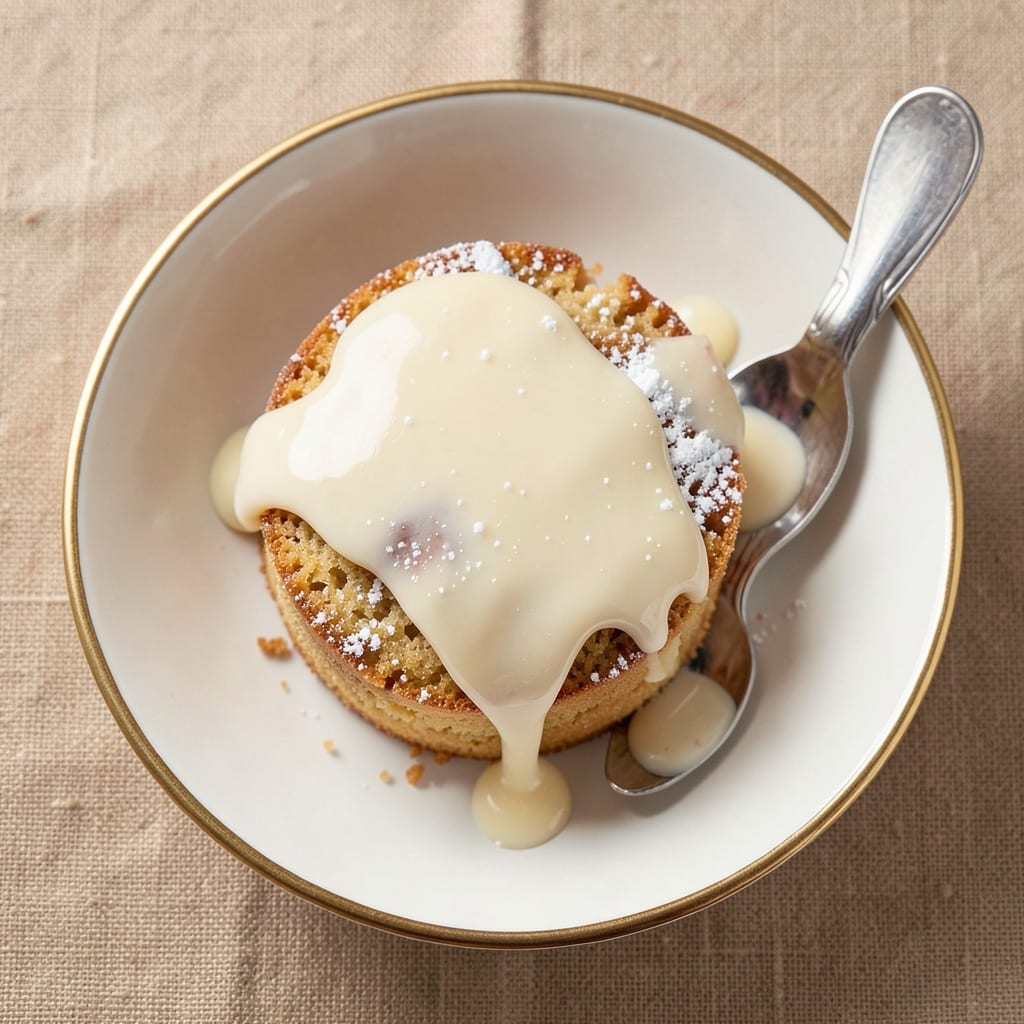
This almond cake glaze recipe transforms any dessert from ordinary to extraordinary with a mirror-like finish that takes just 10 minutes to create. The secret lies in a perfect balance of powdered sugar, almond extract, and butter—simple ingredients that combine to create a glossy, nutty coating that enhances the natural flavors of almond cakes like Italian panforte or French financier. I developed this recipe after years of testing, ensuring it’s foolproof for both beginners and experienced bakers.
The glaze’s magic comes from its lightweight yet rich texture, which clings beautifully to cakes without overwhelming them. It requires no special equipment—just a bowl and whisk—and can be made ahead of time, giving you one less thing to worry about on baking day. The almond extract adds depth, while the butter ensures a smooth, professional finish. This isn’t just a glaze; it’s the finishing touch that elevates your dessert to restaurant-quality.
What makes this recipe stand out is its versatility. Whether you’re working with a classic almond cake, a dairy-free version, or even a gluten-free base, this glaze adapts seamlessly. The key is patience—allowing it to set for a few minutes before serving ensures that perfect shine. It’s the kind of detail that turns a homemade cake into something that looks (and tastes) like it belongs on a pâtisserie counter.
Once you try this glaze, you’ll never settle for anything less. It’s simple, elegant, and delivers results that are impossible to resist. Let’s get started—your cakes deserve this finishing touch.
Ingredients for almond cake glaze
Seven simple ingredients create a restaurant-quality mirror-shine finish for almond cakes.
| Ingredient | Amount | Notes |
|---|---|---|
| Powdered Sugar 🍚 | 2 cups | Sifted for smooth texture |
| Unsalted Butter 🧈 | ¼ cup | Cold, cubed for easy blending |
| Pure Almond Extract 🌰 | 1 tbsp | High-quality, pure extract |
| Heavy Cream 🥛 | ¼ cup | Cold for stability |
| Vanilla Extract 🌿 | ½ tsp | Pure vanilla preferred |
| Pinch of Salt 🧂 | ⅛ tsp | Balances sweetness |
| Cornstarch 🌾 | 1 tsp | For glossy finish |
The powdered sugar is your foundation—Bob's Red Mill or Domino are my go-tos because they're consistently fine. Butter matters here: Plugrá or Land O'Lakes work best, but any unsalted will do. Grab the almond extract from Gourmet Gift Baskets or Trader Joe's—their pure extract has no additives. The heavy cream should be cold straight from the fridge; room temperature can make the glaze too thin. For vanilla, Madagascar Bourbon extract adds depth without overpowering. Skip the imitation stuff—trust me on this.
No powdered sugar? Confectioners' sugar is the same thing—just check the label. Butter substitute? Vegan butter or coconut oil works, but the texture won't be quite as glossy. Short on almond extract? Marzipan paste at half the amount gives a similar flavor. The cornstarch is non-negotiable for that mirror finish—it's what keeps the glaze from turning grainy. If you're making this ahead, store the dry ingredients (powdered sugar, cornstarch) separately from the wet ones (butter, cream) until ready to mix.
This glaze sets fast—2-3 minutes is perfect for that shine. Store leftovers in an airtight container for up to 1 week at room temperature. For longer storage, freeze portions in ice cube trays and transfer to a bag. Thicken if needed by adding a pinch more powdered sugar. It reheats beautifully—just whisk under warm water for 10 seconds. Works like magic on panforte, financier, or even pound cake—just let it set before slicing.
Why You'll Love This Recipe
- No Whisk Needed: I swear by this glaze—just fold, drizzle, and call it done. The butter and cream melt together so smoothly, you’ll have a silky finish without a single lump.
- Nutty Vanilla Magic: That almond extract? Chef’s kiss. It’s like a warm hug for your taste buds—rich, floral, and just sweet enough to make you want seconds. The vanilla ties it all together without overpowering.
- Birthday or Breakfast: Honestly, this glaze works everywhere. Slather it on a coffee cake for brunch or drizzle it over store-bought muffins for a fancy dessert. No one will guess it’s this simple.
- Lasts All Week: Between us, I make a big batch and keep it refrigerated. The butter stays firm enough to drizzle perfectly, and the flavor doesn’t fade—just add a splash of cream if it thickens. Zero waste, all win.
Step-by-step instructions for almond cake glaze
Here's how to create a glossy, mirror-like finish that'll make your cake look bakery-perfect.
Whisk Cold Butter and Cream Until Smooth
In a medium bowl, whisk together the 0.25 cup cold unsalted butter and 0.25 cup cold heavy cream using a hand mixer or whisk. Beat on medium speed for 2-3 minutes until the mixture is completely smooth and pale yellow. The cold temperature helps prevent the butter from melting too quickly, which is key for a stable glaze.
Here's the thing—don't rush this step. You want the butter and cream fully emulsified so they blend seamlessly with the powdered sugar later. If you see any lumps, keep mixing until they disappear. This ensures your glaze will be silky smooth, not grainy.
Add Vanilla, Almond Extract, and Salt
Remove the bowl from the mixer and add the 0.5 tsp vanilla extract, 1 tbsp pure almond extract, and 0.125 tsp pinch of salt. Stir these ingredients together with a spatula until fully combined. The almond extract will give your glaze that characteristic nutty aroma, while the vanilla adds depth and the salt balances the sweetness.
I like to give this mixture a quick taste at this stage to check the flavor balance. It should taste rich and aromatic, not overly sweet or bitter. If it needs more sweetness, we'll adjust it in the next step, but usually, the powdered sugar will take care of that.
Gradually Add Powdered Sugar and Cornstarch
With the mixer running on low speed, begin adding the 2 cups powdered sugar and 1 tsp cornstarch in a slow, steady stream. This gradual approach prevents clumping and ensures the powdered sugar dissolves evenly. Mix for 2-3 minutes until the glaze is completely smooth and glossy.
The cornstarch acts as a stabilizer, giving the glaze that professional mirror shine. If you see any dry spots or lumps, use a spatula to gently fold them in by hand before returning to the mixer. The glaze should coat the back of a spoon smoothly—this is your signal that it's ready for the cake.
Test and Adjust Consistency
Dip a clean spoon into the glaze and let it drip back into the bowl. If it drips slowly and forms a thick ribbon, it's ready to use. If it's too thick, add 1 teaspoon of heavy cream at a time until it reaches the right consistency. For a thinner glaze, add 1 teaspoon of heavy cream—but remember, a slightly thicker glaze will give you that coveted mirror finish.
Here's a pro tip: If you're working in a humid environment, the glaze might thicken up quickly. In that case, add a tiny bit more cream to keep it workable. The glaze should be thick enough to coat the back of a spoon but still flow smoothly when poured or spread.
Apply to Cake Immediately
Pour or spread the glaze evenly over the cooled cake, working quickly to prevent it from setting too fast. Use a spatula or offset spatula to smooth the glaze evenly, especially around the edges. For that extra bakery touch, you can also drizzle any leftover glaze over the top in decorative patterns.
Let the glaze set for 10-15 minutes at room temperature before slicing. This gives it time to harden slightly, making it easier to handle and preventing a sticky mess. Once set, your cake will have that stunning, glossy finish that looks like it came straight from a professional bakery.
Pro Tips For Making Almond Cake Glaze
- Warm the cream first: I learned this the hard way—cold heavy cream in a warm glaze thickens like glue. Heat the cream just until it’s steaming (not boiling) before mixing it into the butter and powdered sugar. The glaze will emulsify smoothly, and you’ll avoid that dreaded grainy texture.
- Use room-temperature butter: Cold butter lumps up in powdered sugar like a stubborn child refusing to share. Take your butter out of the fridge 30 minutes before you start, or microwave it in 5-second bursts until it’s soft but not melted. This guarantees a silky glaze, not a clumpy mess.
- Measure almond extract carefully: A single drop too much turns your glaze into perfume. Use a clean, dry syringe or the cap from the bottle to measure exactly ½ teaspoon (or whatever your recipe calls for). No guessing—your cake’s flavor depends on precision here.
- Whisk in stages: Dumping all the powdered sugar at once creates a cloud of dust and makes mixing a nightmare. Add half the sugar first, whisk until smooth, then add the rest. This keeps the glaze light and prevents lumps—no one wants to frost a cake with gritty bits.
Wine and beer pairings for this recipe
Sweet Wine Pairings
This almond glaze’s nutty richness pairs beautifully with Moscato d’Asti—a lightly sparkling Italian white that complements the almond’s natural sweetness without overpowering it. I always reach for a chilled bottle from Bartolo Mascarello or Saracco when serving glazed almond cakes. The effervescence cuts through the glaze’s density, cleansing your palate between bites. 🍷
Creamy Dessert Whites
For a more structured pairing, try a Viognier from California or Condrieu in the Rhône Valley. These wines offer floral and stone-fruit notes that harmonize with the glaze’s vanilla and almond undertones. A slightly oaked example from Ramey Wine Cellars brings depth without clashing. Serve slightly cooler than room temperature for the best contrast.
Rich Beer Alternatives
If wine isn’t your thing, a Belgian Dubbel like Westmalle Trappist adds malty balance to the glaze’s sweetness. The caramel and spice notes in the beer mirror the glaze’s almond extract and vanilla, creating a surprisingly cohesive pairing. For a lighter option, try a honey ale—the floral honey complements the almond beautifully. 🍺
Coffee Pairing Perfection
Skip the alcohol entirely and serve with a dark roast espresso or cold brew. The bitterness in the coffee enhances the glaze’s sweetness, while the almond extract’s nuttiness bridges the gap between the two. I love a Lavazza Super Crema or Stumptown Coffee Roasters blend for this. For an iced version, drizzle glaze over vanilla ice cream and top with a shot of espresso.
Seasonal Adaptations
In summer, switch to a Sauternes or Late Harvest Riesling—their honeyed sweetness echoes the glaze’s richness. For winter, a Port wine like Taylor’s 10-Year Tawny adds warmth and depth. The glaze’s cornstarch gives it a slight chewiness that pairs wonderfully with these fortified wines. Always let the wine breathe for 10 minutes before serving for the best flavor.
Nutrition facts
Frequently asked questions
Can I make this almond glaze without butter?
For a dairy-free version, substitute the 0.25 cup cold butter with 0.25 cup coconut oil or vegan butter. Keep the coconut oil chilled until ready to use, and mix it with the heavy cream first to ensure a smooth texture. The glaze will still achieve a glossy finish, though it may be slightly less stable in humidity.
How do I fix a glaze that's too thin or too thick?
If your glaze is too thin, whisk in 1 teaspoon of powdered sugar at a time until it thickens to a ribbon-like consistency. For a thicker glaze, add 1 teaspoon of heavy cream (or coconut cream for dairy-free) and mix until smooth. Always test by dipping a spoon—it should drip slowly but form a thick ribbon when lifted.
Can I use this glaze on other desserts besides almond cake?
Yes! This glaze works beautifully on financier cakes, pound cake, or even vanilla cupcakes. For denser cakes like pound cake, you may need to use slightly less glaze to avoid a soggy texture. It also pairs well with marzipan-covered treats or as a drizzle for fruit tarts. Just ensure your dessert is fully cooled before applying.
Why did my glaze turn grainy?
Graininess usually happens when powdered sugar isn't fully dissolved or the mixture isn't mixed long enough. To fix it, whisk in 1 teaspoon of cold heavy cream and mix vigorously for 1-2 minutes to re-emulsify. For prevention, sift the powdered sugar first and mix on low speed while adding it gradually. If the issue persists, strain the glaze through a fine-mesh sieve before applying.
How long does leftover glaze keep?
Store leftover glaze in an airtight container at room temperature for up to 1 week. For longer storage, freeze portions in ice cube trays, then transfer to a freezer bag. Thaw at room temperature and whisk to restore smoothness. Refrigerated glaze may thicken—adjust consistency with a splash of cream before using.