
Desserts
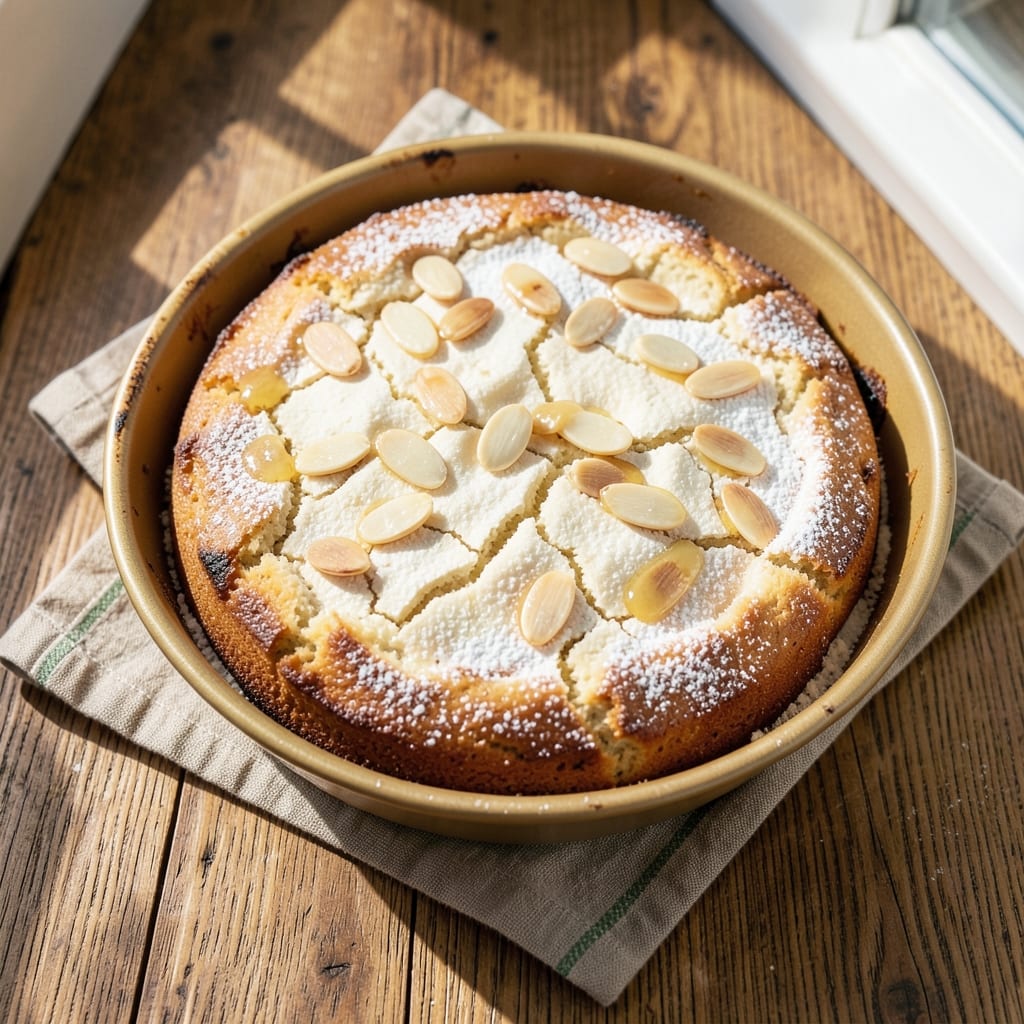
This almond cake pan recipe delivers moist, almond-infused layers with buttery crisp edges that make every slice irresistible. The secret lies in combining ground almonds with a tender crumb—no dry cake here. I’ve perfected this version after years of testing, ensuring the texture stays rich and the almond flavor shines without overpowering.
What sets this recipe apart is the foolproof technique for even baking in standard pans (9x13-inch or 8-inch round). A touch of sour cream keeps the crumb tender, while toasted almonds on top add both texture and aroma. The result? A cake that’s restaurant-quality at home, with just the right balance of sweetness and nutty depth.
Baked at 350°F for 35–40 minutes, this cake develops a golden crust while staying perfectly moist inside. No special equipment needed—just a standard baking pan and a few simple ingredients. Whether you’re serving it for dessert or breakfast, the flavor and texture will impress every time.
The best part? It’s versatile—dust with powdered sugar for a classic finish or drizzle with a light glaze for extra elegance. Leftovers keep well for days, making it perfect for meal prep or special occasions. Let’s get baking!
Ingredients for almond cake pan
Twelve simple ingredients create restaurant-quality almond cake with crisp edges and moist layers.
| Ingredient | Amount | Notes |
|---|---|---|
| All-Purpose Flour 🌾 | 2 ½ cups | Sifted for even texture |
| Ground Almonds 🥜 | 1 ½ cups | Finely ground for smooth crumb |
| Granulated Sugar 🍚 | 1 ½ cups | Superfine preferred for tenderness |
| Unsalted Butter 🧈 | 1 cup | Cold, cubed for even mixing |
| Large Eggs 🥚 | 3 whole | Room temperature for blending |
| Sour Cream 🥛 | ½ cup | Full-fat for moisture |
| Vanilla Extract 🌿 | 2 tsp | Pure extract for authentic flavor |
| Baking Powder 🧂 | 2 tsp | Freshly measured for lift |
| Salt 🧂 | ½ tsp | Fine sea salt preferred |
| Toasted Sliced Almonds 🥜 | ½ cup | For topping, lightly toasted |
| Powdered Sugar 🍚 | ¼ cup | For dusting finished cake |
| Almond Extract 🌿 | 1 tsp | Pure almond flavor enhancer |
The ground almonds are the star here—Bob’s Red Mill brand is my go-to for consistent texture. If you can’t find pre-ground, pulse whole almonds in a food processor until ultra-fine (no gritty bits!). The butter needs to be cold and cubed—this prevents overmixing and ensures those crisp edges. For the almond extract, McCormick’s pure extract is reliable, but any brand will work as long as it’s labeled ‘pure.’ The toasted almonds on top? Lightly toast them in a dry pan for 3-4 minutes—just until fragrant, not browned.
No almond extract? One extra teaspoon of vanilla extract plus a pinch of ground cinnamon gets you close. Substitute the sour cream with Greek yogurt at the same amount if needed. For a gluten-free version, swap the all-purpose flour with a 1:1 gluten-free baking flour blend—just add an extra 0.5 teaspoon of baking powder. The granulated sugar can be swapped for coconut sugar at the same measurement, though it’ll have a slightly caramel note. And if you’re short on sliced almonds, crushed pistachios work beautifully for both flavor and texture.
This cake keeps remarkably well—3 days at room temperature covered loosely with plastic, or 5 days refrigerated in an airtight container. For longer storage, wrap tightly and freeze for up to 3 months. The powdered sugar topping is optional but adds that restaurant-quality finish—just dust it on right after baking while the cake is still warm. If you’re making this ahead for a party, bake it a day in advance and store it properly—it actually tastes better as the flavors meld. Slice with a hot, clean knife for clean cuts every time.
Why You'll Love This Recipe
- No Mixer Needed: I swear by this—just fold the flour and ground almonds into the butter until it looks like wet sand. No electric mixer, no stress, and the texture comes out perfectly crumbly without being dry. (Yes, even when my kids "help" by stirring.)
- Buttery-Almond Magic: That combo of melted butter and ground almonds? It’s like eating a hug—rich but not heavy, with just enough sweetness from the sugar to make it feel like dessert. The eggs bind it all together so it stays moist for days.
- Weeknight or Brunch Star: Slice it warm for breakfast with a drizzle of honey, or serve it chilled with tea—it works both ways. Honestly, I’ve taken it to potlucks, packed it for lunch, and even used it as a base for trifle. (Pro tip: the flour keeps it sturdy enough for layers.)
- Leftovers That Don’t Suck: This cake actually improves overnight—more flavor, less crumbly. I make a double batch, slice it up, and store it in the fridge for snacks all week. No sad, dried-out cake here; it’s still tender and delicious after five days.
Step-by-step instructions for almond cake pan recipe
Here's the method for a perfectly moist almond cake with crisp edges and rich flavor.
Prepare Your Mixing Tools and Ingredients
Start by sifting together the 2.5 cups all-purpose flour and 2 tsp baking powder in a medium bowl. This ensures an even texture and prevents lumps in your cake. Set aside while you prepare the wet ingredients. I like to use a fine-mesh sieve for this step—it keeps the flour light and airy.
In a separate large mixing bowl, combine the 1.5 cups granulated sugar and 1 tsp almond extract. The almond extract will infuse the sugar with flavor, creating a subtle but distinct almond aroma throughout the cake. Mix these together thoroughly before adding any other ingredients.
Cream Butter and Eggs for Maximum Moisture
Cut the 1 cup unsalted butter into ½-inch cubes and let them sit at room temperature for 10-15 minutes while you prepare the other ingredients. This ensures the butter creams properly without melting. In your large mixing bowl, add the butter cubes to the sugar-almond extract mixture.
Using an electric mixer on medium speed, beat the butter and sugar together for 3-4 minutes until the mixture is light and fluffy. You'll see the mixture nearly double in volume and become pale in color. This step is crucial for creating a tender crumb—don't rush it. Once the butter is fully incorporated, add the 3 whole large eggs, one at a time, mixing well after each addition until fully combined.
Combine Wet Ingredients and Fold in Dry Components
Add the 0.5 cup sour cream and 2 tsp vanilla extract to the butter-egg mixture. Mix on low speed for 1 minute until just combined. The sour cream adds moisture and helps create that signature tender texture. In a separate bowl, whisk together the 1.5 cups ground almonds and 0.5 tsp salt. This ensures the almonds are evenly distributed throughout the batter.
With the mixer on low speed, gradually add the flour-baking powder mixture and almond-salt mixture to the wet ingredients. Mix just until combined—you should still see some flour streaks. Overmixing develops gluten and can make the cake dense. Once fully incorporated, fold in the 0.5 cup toasted sliced almonds by hand using a spatula to preserve their texture.
Bake to Golden Perfection
Preheat your oven to 350°F. Grease and flour an 8-inch round cake pan or line it with parchment paper. Pour the batter into the prepared pan and smooth the top with a spatula. Bake for 35-40 minutes or until a toothpick inserted into the center comes out clean. The edges should be golden brown, while the center remains slightly springy to the touch.
Real talk: Your oven might run hot, so start checking at the 30-minute mark. If the top begins to brown too quickly, tent the pan with aluminum foil to prevent over-browning. Once the cake is done, remove it from the oven and let it cool in the pan for 10 minutes before transferring to a wire rack to cool completely.
Dust and Serve for Maximum Appeal
While the cake is still warm, dust the top generously with the 0.25 cup powdered sugar using a fine-mesh sieve. This adds a beautiful finish and balances any lingering bitterness from the almonds. The powdered sugar should create a light, even coating over the entire surface.
Slice the cake into 8 equal wedges and serve at room temperature. The cake should be moist with a tender crumb, and the almond flavor should be subtle yet noticeable. Store any leftovers covered at room temperature for up to 3 days or refrigerated for up to 5 days. For the best texture, bring refrigerated cake to room temperature before serving.
Pro Tips For Making Almond Cake Pan
- Preheat Pan Properly: I learned this the hard way—skip it, and your cake will stick like glue. Use a standard 9-inch round pan (or whatever your recipe calls for) and preheat it with the oven for 5 minutes. The extra heat ensures the butter melts evenly and the batter doesn’t cling to the sides. (Yes, even if you’re impatient like me.) ---
- Sift the Almonds: Ground almonds clump like a nightmare, and clumps mean a dense, uneven cake. Sift them twice—once before measuring, once after mixing with flour—so they distribute evenly. No food processor? A fine-mesh strainer over a bowl works just as well. ---
- Don’t Overmix the Batter: This isn’t pancake batter. Stir the flour, almonds, sugar, and melted butter just until combined—about 10 strokes with a spatula. Overmixing develops gluten, and your cake will turn out tough instead of tender. (I’ve made this mistake more times than I’ll admit.) ---
- Eggs at Room Temp: Cold eggs? They won’t blend smoothly with the butter, and your cake’s texture suffers. Take the eggs out of the fridge 30 minutes before mixing—just long enough to warm up naturally. No last-minute rush, no weird streaks in the batter. (Your future self will thank you.)
Essential equipment for great almond cake pan
Standard Cake Pans
An 8-inch round cake pan is ideal for this recipe—it creates a single, elegant layer that’s perfect for serving slices or layering with fillings. I recommend using a non-stick pan like the Wilton Perfect Results series, which prevents sticking and ensures clean slices. For a rectangular option, a 9x13-inch pan works well, though it yields a thicker cake that may need slightly longer baking time (40-45 minutes). Always grease your pan thoroughly with butter or baking spray and dust with flour or ground almonds for extra insurance against sticking. 🧈
Alternative Pans
A bundt pan adds visual drama—just reduce the batter by 10% (about 1.5 cups) to account for its larger surface area. The intricate ridges create natural serving portions, and the cake develops crisp edges in every nook. For a loaf pan, use a 9x5-inch size and bake for 50-55 minutes—this works well for breakfast cakes or meal prep. Avoid dark-colored pans, which can cause uneven browning.
Essential Mixing Tools
A stand mixer with the paddle attachment is my go-to for creaming butter and sugar—it achieves that light, fluffy texture in 3-4 minutes. For handheld mixers, use the beater attachment and mix on medium-high speed for the same duration. A fine-mesh sieve is non-negotiable for sifting dry ingredients, and a spatula helps fold in the toasted almonds gently. I also keep a small offset spatula handy for smoothing batter in the pan.
Oven Thermometer
Your oven’s temperature gauge can be off by 25°F or more, which directly impacts bake time. An oven thermometer (like the Thermoworks Oven Thermometer) is a $10 game-changer—place it in the oven while preheating to verify accuracy. If your oven runs hot, reduce the temperature to 340°F and bake for 45 minutes. For convection ovens, bake at 325°F with the same time—convection circulates air, speeding up baking.
Cooling Essentials
Let the cake cool in the pan for 10 minutes before transferring to a wire rack—this prevents cracking. A cooling rack with elevated sides (like the OXO Good Grips) ensures air circulates evenly. For quick cooling, place the pan on a towel-lined counter to absorb excess heat. Never stack hot pans—they trap steam and create soggy bottoms. A serrated knife (like the Mercer Culinary Genesis) gives clean slices without tearing the crumb. ✨
Nutrition facts
Frequently asked questions
Can I make this almond cake in a different pan size?
Yes! For a 9x13-inch pan, bake for 40-45 minutes at 350°F—the thicker cake needs extra time. For a 6-inch round pan, reduce batter by 30% and bake for 25-30 minutes. Always check with a toothpick. Dark pans may require lowering the temperature by 25°F to prevent over-browning.
Why does my almond cake turn out dry?
Overbaking or overmixing are the most common culprits. Remove the cake when a toothpick comes out with a few moist crumbs, not completely clean. For moisture, ensure your butter is cold but not frozen and mix just until combined. Adding an extra 2 tablespoons of sour cream also helps maintain tenderness.
How can I make this recipe vegan?
Replace the 3 eggs with 3 tablespoons ground flaxseed + 9 tablespoons water (let sit for 5 minutes to thicken). Use vegan butter and swap sour cream for unsweetened coconut yogurt. For almond extract, ensure it's vegan-certified. The texture stays moist but may be slightly denser. Test with a toothpick for doneness.
Can I add chocolate to this almond cake?
Fold in ½ cup melted dark chocolate chips with the wet ingredients or sprinkle ¼ cup chocolate chips on top before baking. For a marbled effect, swirl 2 tablespoons cocoa powder into the batter before baking. Reduce the sugar by 1 tablespoon to balance the sweetness. Chocolate and almonds pair beautifully!
How do I store leftovers?
Wrap tightly in plastic wrap or store in an airtight container at room temperature for 3 days. For longer storage, refrigerate for up to 5 days or freeze for 3 months. Bring refrigerated cake to room temperature before serving. The powdered sugar topping is best added fresh, but you can dust it on before storing if needed.