
Desserts
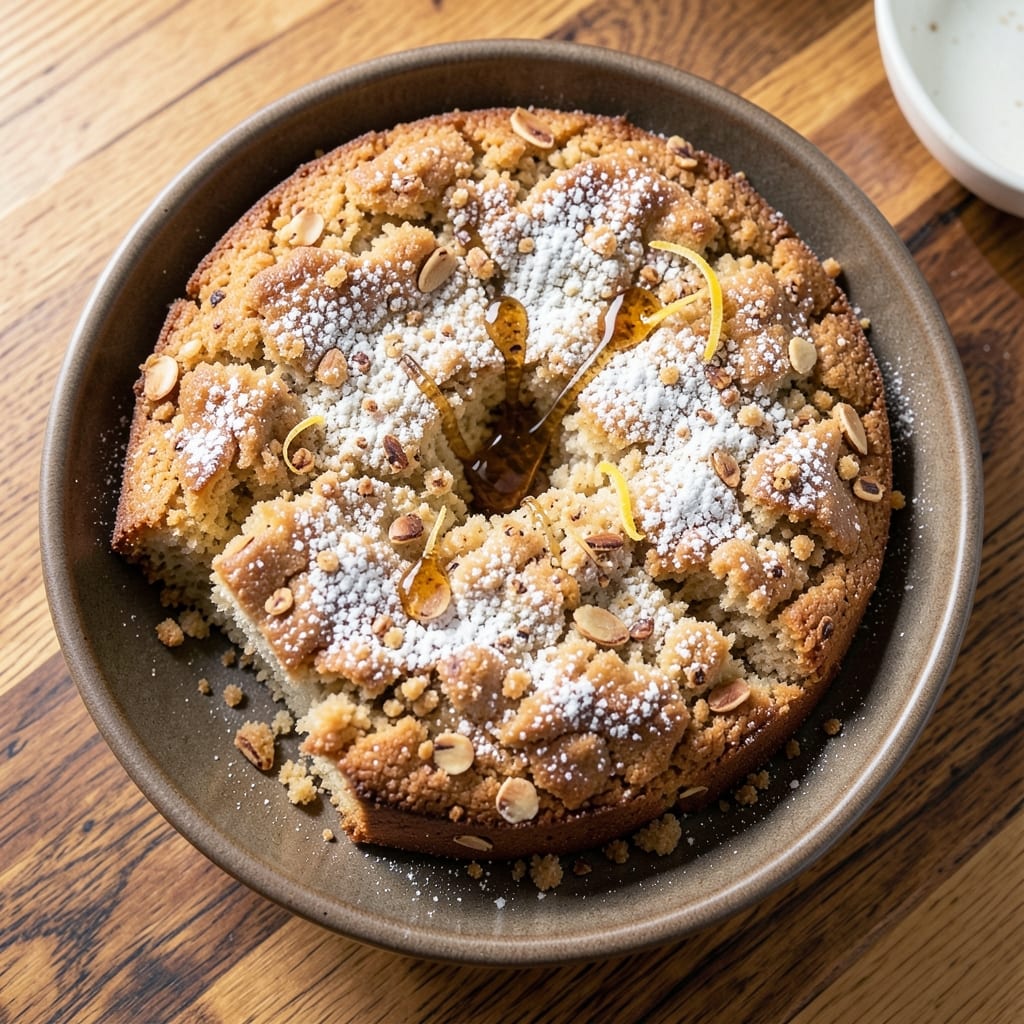
This almond cornmeal cake recipe delivers a perfect balance of nutty richness and rustic texture—ideal for dessert lovers who crave depth without sweetness overload. The secret lies in the cornmeal's natural grit paired with toasted almonds, creating a moist yet structured crumb that stays fresh for days. I developed this version after years of experimenting with Southern-style cakes, where cornmeal adds subtle earthiness while almonds bring buttery elegance.
The cake's vanilla infusion elevates the nutty base, ensuring each bite offers warmth and complexity. Unlike dense pound cakes, this version stays light thanks to a precise leavening system—no heavy-handed mixing required. The result? A cake that's sturdy enough for slicing but tender enough to melt in your mouth, with a golden crust that begs for butter. Perfect for brunch, afternoon tea, or as a showstopper dessert.
What sets this recipe apart is its versatility—it works equally well as a standalone treat or paired with fresh berries and whipped cream. The almond flour adds natural sweetness while keeping the texture rich, and the cornmeal provides that satisfying bite. Whether you're baking for a crowd or treating yourself, this cake delivers restaurant-quality results with minimal effort.
Ready in just 45 minutes from start to finish, this recipe requires standard pantry ingredients and a single bowl for mixing. The oven time is critical—watch for that golden hue to ensure perfect doneness without drying out. Serve warm or at room temperature for the best experience. Let's get baking!
Ingredients for almond cornmeal cake
Toasted almonds and cornmeal team up for a cake that’s nutty, moist, and packed with Southern charm.
| Ingredient | Amount | Notes |
|---|---|---|
| All-Purpose Flour 🌾 | 1 ½ cups | Sifted for even texture |
| Cornmeal 🌽 | 1 cup | Fine grind preferred |
| Almond Flour 🥜 | 1 ½ cups | Toasted for enhanced flavor |
| Granulated Sugar 🍚 | 1 ½ cups | Light brown preferred |
| Unsalted Butter 🧈 | 1 cup | Room temperature, full-fat |
| Large Eggs 🥚 | 2 whole | Room temperature, beaten |
| Pure Vanilla Extract 🌿 | 2 tsp | High-quality, Madagascar |
| Baking Powder 🍞 | 2 tsp | Aluminum-free preferred |
| Salt 🧂 | ½ tsp | Fine sea salt |
| Milk 🥛 | ½ cup | Whole milk preferred |
| Toasted Sliced Almonds 🥜 | ½ cup | For topping, lightly toasted |
| Powdered Sugar 🍚 | 2 tbsp | For dusting, optional |
The almond flour is non-negotiable here—it’s what gives this cake its signature buttery richness. Bob’s Red Mill or King Arthur brands are my go-tos for consistent texture, but any finely ground almond flour will work. Toasting the almonds before blending (or even topping) deepens their flavor—just spread them on a baking sheet at 350°F for 8-10 minutes until fragrant. Cornmeal adds that rustic bite, so grab the fine grind for a smoother crumb. As for the butter, Plugrá or Land O’Lakes are reliable, but any unsalted brand will do—just make sure it’s room temperature for easy mixing.
No almond flour? Substitute with ground walnuts or cashews, but expect a slightly denser texture. Running short on cornmeal? Oat flour or extra almond flour works in a pinch, though the texture will shift slightly. The vanilla extract is where you can splurge—Madagascar bourbon vanilla adds a caramel note that’s pure magic, but pure vanilla will still shine. For the sugar, light brown adds moisture, but white sugar plus a splash of molasses mimics the effect. And if you’re feeling fancy, swap the powdered sugar topping for a drizzle of honey or almond syrup for extra decadence.
This cake keeps beautifully—wrap it tightly in plastic wrap or store in an airtight container for up to 5 days at room temperature, or freeze for 3 months for freshly baked flavor anytime. For serving, let it cool completely before slicing—it firms up as it cools, making those clean cuts easier. The almond topping stays crisp for about 2 days if stored separately, so add it fresh when ready to serve. Pro tip: Brush warm slices with a little warmed almond butter for next-level flavor.
Why You'll Love This Recipe
- No-Fuss Mixing: I swear by this recipe because it’s basically a "dump and stir" situation—just fold those dry ingredients together, add the melted butter and a splash of milk if needed, and you’re golden. No whisking until your arm falls off or measuring cups out the wazoo.
- Nutty-Sweet Magic: That almond flour gives it this subtle richness that pairs perfectly with the cornmeal’s earthy crunch, while the butter keeps it moist without being greasy. Honestly, the first bite makes me wonder why I didn’t bake this every weekend.
- Breakfast or Dessert: Serve it warm with a drizzle of honey for a lazy weekend brunch, or dust it with powdered sugar and a scoop of vanilla ice cream for a sneaky-sweet treat. (Yes, even on a Tuesday night when you’re craving something indulgent but don’t want to try too hard.)
Step-by-step instructions for almond cornmeal cake
Here's how to bake a moist, nutty cake with perfect texture—every layer delicious.
Mix Dry Ingredients for Even Texture
In a large mixing bowl, whisk together the 1.5 cups all-purpose flour, 1 cup cornmeal, 1.5 cups almond flour, 2 teaspoons baking powder, and 0.5 teaspoon salt. I like to sift the flour and cornmeal first for a lighter texture, then fold in the almond flour with a spatula to avoid clumps. This combination creates that signature gritty yet tender crumb we're after.
Set aside the dry mixture in the bowl—we'll come back to it. The key here is to avoid overmixing; just combine until there are no more streaks of flour. Overworking the dry ingredients develops gluten, which can make the cake dense instead of light and airy.
Cream Butter and Sugar for Fluffy Structure
In a separate large bowl, beat the 1 cup unsalted butter and 1.5 cups granulated sugar together using an electric mixer on medium speed for about 3-4 minutes. You're looking for a light, fluffy texture that nearly doubles in volume—this incorporates air that helps the cake rise beautifully. I press down on the butter occasionally to ensure it's fully creamed.
Here's the thing—room temperature butter is crucial. If it's too cold, the mixture won't blend smoothly. If it's too soft, you'll end up with a greasy cake. Press your finger into the butter; it should leave a slight indent but hold its shape. The butter should be soft enough to scoop easily but not melted.
Incorporate Wet Ingredients for Perfect Moisture
Add the 2 whole large eggs, one at a time, mixing well after each addition until fully incorporated. Then stir in the 2 teaspoons pure vanilla extract and 0.5 cup milk. The mixture should be smooth and slightly thick—like a thick batter but not too stiff. If it looks too thick, add 1 tablespoon milk at a time until it reaches a pourable consistency.
This is where the cake's moisture balance comes together. The eggs provide structure, the milk adds tenderness, and the vanilla infuses that warm, comforting flavor. I always use room temperature eggs—they blend more smoothly and help create a finer crumb. Don't skip this step; cold eggs can cause the batter to curdle.
Combine Wet and Dry Ingredients Gently
Gradually add the dry ingredient mixture to the wet ingredients, mixing on low speed just until combined. Be careful not to overmix—you should still see some streaks of flour. The batter will be thick but should come together smoothly. Once fully incorporated, fold in the 0.5 cup toasted sliced almonds using a spatula to distribute them evenly throughout.
Here's the moment that matters: the almonds add texture and flavor, but they need to be evenly distributed. If you see clumps, gently fold them in with a rubber spatula. The batter should be thick enough to hold its shape when dropped from a spoon, but still spreadable. This consistency ensures the cake rises properly in the oven without collapsing.
Bake to Golden Perfection
Preheat your oven to 350°F and grease an 8-inch round cake pan or line it with parchment paper. Pour the batter into the prepared pan and smooth the top with a spatula. Bake for 35-40 minutes, or until a toothpick inserted into the center comes out clean. The edges should be golden brown, and the top should spring back when gently pressed.
I know it seems like too much, but trust me—this cake needs that full baking time to develop its signature texture. The cornmeal and almond flour take a bit longer to cook through than regular flour, so don't pull it out early. If the top browns too quickly, tent the pan with foil after 20 minutes to prevent over-browning while still allowing the center to cook through.
Cool and Dust with Powdered Sugar
Remove the cake from the oven and let it cool in the pan for 10 minutes. Then transfer it to a wire rack to cool completely. Once cooled, dust the top generously with 2 tablespoons powdered sugar using a fine-mesh sieve. This step is optional but adds that sweet, snowy finish that makes the cake look even more tempting.
Real talk: the cake will be moist but firm enough to slice after about 1 hour of cooling. If you're serving it warm, you can skip the full cooling time, but I prefer to let it set completely so the texture is perfect with every bite. The nutty, slightly gritty texture pairs beautifully with a cup of coffee or a scoop of vanilla ice cream.
Pro Tips For Making Almond Cornmeal Cake
- Mix Dry Ingredients First: Dump all your dry goods—flour, cornmeal, almond flour, and sugar—into the bowl before adding butter. This keeps the almond flour from clumping into gummy lumps when it touches moisture first. I learned this the hard way after scraping sticky globs off my mixer blades. ---
- Don’t Overmix the Batter: Stop folding in the butter the second everything just comes together—no streaks, no dry bits. Overworking this hybrid batter (with both almond and all-purpose flour) makes the cake dense and tough. Think "shaggy, not smooth." ---
- Use Cold Butter: Pull that butter straight from the fridge and cut it into cubes—no softening needed. Cold butter creates pockets of steam during baking, giving your cake that tender crumb and golden crust. I was skeptical until I tried it; now I never deviate. ---
- Rotate the Pan Early: After 15 minutes in the oven, swap the pan from front to back racks. Cornmeal cakes can dry out unevenly, and this move guarantees the center rises properly while the edges stay moist. Sounds weird, but it works—especially in my always-hot oven.
Troubleshooting your almond cornmeal cake
Dense or Gummy Cake?
If your cake turns out dense or gummy, the issue is likely overmixing or underbaking. The almond flour and cornmeal need gentle handling—once the dry ingredients are combined, mix just until no flour streaks remain. For baking, check doneness at 35 minutes using a toothpick; if it comes out with moist crumbs but no wet batter, it's ready. If the center stays undercooked, bake an additional 5-10 minutes at 325°F to prevent over-browning. 🌡️
Cracked Top?
Cracks usually mean the batter was too dry or the oven temperature fluctuated. Ensure your butter and eggs are room temperature, and add 1 tablespoon milk if the batter looks too thick. Preheat your oven for at least 20 minutes before baking to maintain consistent heat. If cracks appear during baking, tent the pan with foil to slow the rise and prevent further splitting.
Dry or Crumbly Texture
This often happens when the cake overbakes or lacks moisture. Pull it from the oven as soon as a toothpick comes out clean (even if it looks slightly underdone). For extra moisture, brush the warm cake with 2 tablespoons warmed almond butter or a simple syrup made with 2 tablespoons sugar + 2 tablespoons water heated until dissolved. Store leftovers in an airtight container with a slice of bread to retain moisture. 🥖
Pale or Uneven Color
Uneven browning suggests the oven isn't hot enough or the pan isn't properly greased. Rotate the pan halfway through baking for even color. If the top stays pale, broil for 1-2 minutes at the end (watch closely to avoid burning). For a richer hue, toast the almonds before adding them to the batter—their caramelized flavor and color will enhance the cake's appearance.
Soggy Bottom
A soggy bottom is usually caused by steam buildup from undercooked batter. Ensure your pan is properly greased or lined with parchment paper to prevent sticking. For extra insurance, place a baking sheet under the cake pan to absorb excess moisture. If you're using a glass pan, reduce baking time by 5 minutes since glass conducts heat differently than metal.
Flat or Not Rising
If your cake doesn't rise, check your baking powder—it should be fresh (test by mixing 1 tsp baking powder + 1 tbsp hot water**; if it fizzes, it's active). Also, ensure your oven thermostat is accurate (many run 25°F hotter than set). For extra lift, fold 1 tsp whipped egg whites into the batter before baking. If the issue persists, try a different pan—dark metal pans can absorb more heat and affect rise. ✨
Nutrition facts
Frequently asked questions
Can I make this cake without almond flour?
Yes, but the texture will change slightly. Replace the 1.5 cups almond flour with 1.5 cups ground walnuts or cashews for a similar nutty flavor, though the cake may be denser. For a lighter version, use 1 cup all-purpose flour + 0.5 cup cornmeal instead, but you'll lose some of the signature almond richness. Toasting the nuts before grinding enhances flavor!
Why does my cake taste bland?
The almond and cornmeal flavors need time to develop. Always toast the almonds (8-10 mins at 350°F) before using, and use high-quality vanilla extract (Madagascar bourbon adds depth). For extra flavor, add 1 teaspoon almond extract to the wet ingredients or sprinkle 1/4 teaspoon cinnamon into the dry mix.
How do I store leftovers?
Wrap the cake tightly in plastic wrap or store in an airtight container at room temperature for up to 5 days. For longer storage, freeze slices wrapped individually for up to 3 months. To revive, warm in a 300°F oven for 5-10 minutes or microwave for 10-15 seconds—just watch for moisture loss.
Can I make this cake gluten-free?
Replace the 1.5 cups all-purpose flour with 1.5 cups gluten-free 1:1 baking flour (like Bob's Red Mill). Add 1/4 teaspoon xanthan gum if your blend doesn't contain it. The cornmeal and almond flour remain unchanged—this keeps the signature texture while making it safe for gluten-sensitive diets.
What's the best way to serve this cake?
This cake shines warm with whipped cream or vanilla ice cream, but it's also perfect for breakfast with Greek yogurt and honey. For a fancy touch, dust with powdered sugar and garnish with toasted almond slices. The nutty flavor pairs beautifully with black coffee or chai tea for an afternoon treat.