
Desserts
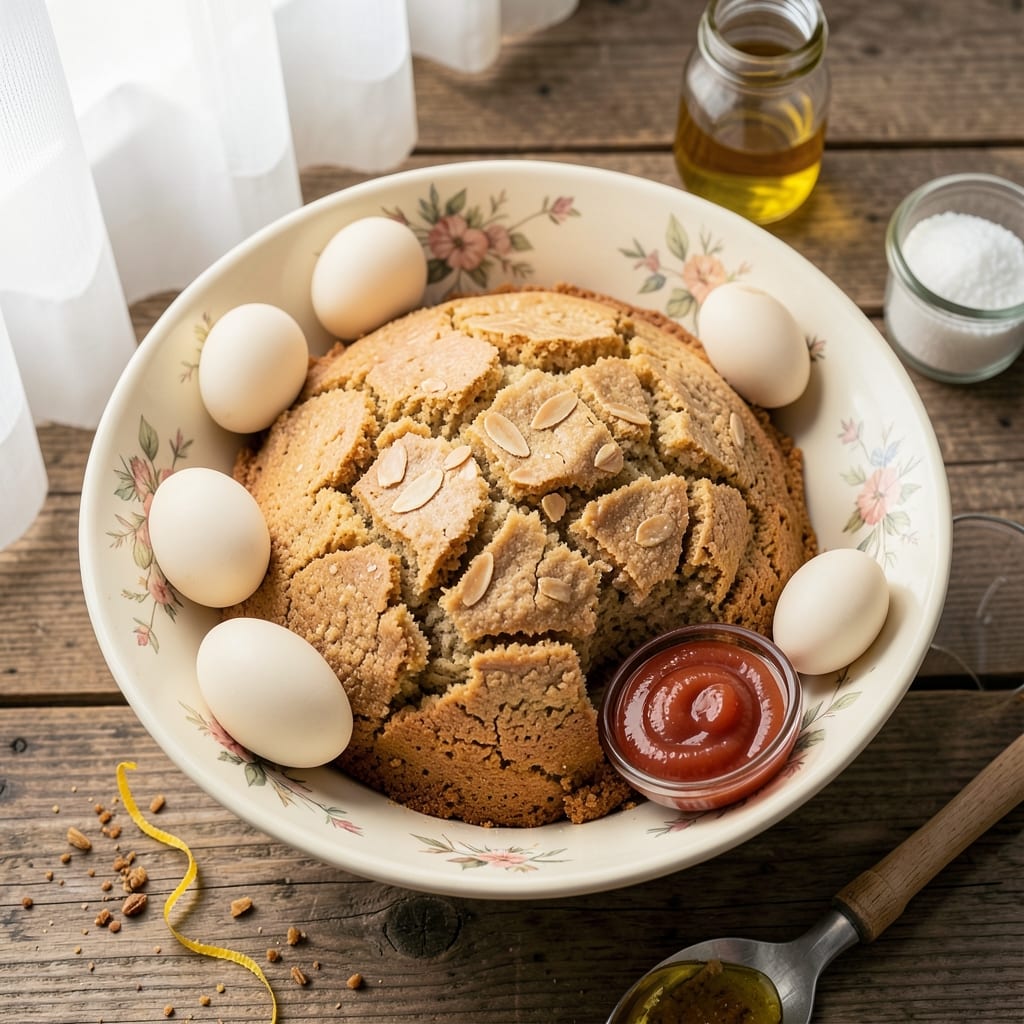
This almond flour cake mix recipe delivers ultra-moist layers without gluten, proving that grain-free baking can be just as tender and satisfying as traditional cakes. The secret lies in blending almond flour with a few key ingredients—like eggs, applesauce, and a touch of coconut oil—that create a light yet sturdy crumb. I developed this recipe after struggling to find a gluten-free cake that didn’t turn out dense or dry, and the results speak for themselves.
The beauty of this recipe is its versatility—it’s naturally gluten-free, grain-free, and can even be adapted for vegan diets with simple swaps. A single bowl comes together in minutes, and the cake bakes up with a delicate texture that’s perfect for celebrations or a quiet afternoon treat. The moistness comes from the almond flour’s natural oils and the applesauce, which keeps every slice tender without needing extra fat.
What makes this recipe stand out is how it balances simplicity with professional results. You’ll end up with a cake that’s light, slightly sweet, and richly moist, thanks to the careful ratio of almond flour to leavening agents. It’s the kind of dessert that pairs beautifully with whipped cream, fresh berries, or a drizzle of caramel—without requiring any fancy techniques.
Whether you’re baking for a dietary restriction or simply love the nutty depth of almond flour, this recipe delivers a cake that’s worth the effort. Ready in about 45 minutes, it’s perfect for those who want a foolproof, restaurant-quality dessert without the complexity. Let’s get baking!
Ingredients for almond flour cake mix
Twelve ingredients blend almond flour's richness with moisture secrets for restaurant-quality cake without gluten.
| Ingredient | Amount | Notes |
|---|---|---|
| Almond Flour 🌰 | 2 ½ cups | Finely ground, blanched preferred |
| Large Eggs 🥚 | 4 whole | Room temperature for even mixing |
| Unsweetened Applesauce 🍎 | 1 cup | Unseasoned, unsweetened variety |
| Granulated Sugar 🍚 | 1 cup | White or light brown preferred |
| Coconut Oil 🥥 | ½ cup | Melted, refined or virgin |
| Vanilla Extract 🌿 | 2 tsp | Pure, high-quality preferred |
| Baking Powder 🧂 | 2 tsp | Aluminum-free for best results |
| Salt 🧂 | ½ tsp | Fine sea salt preferred |
| Almond Milk 🥛 | ½ cup | Unsweetened, for moisture balance |
| Lemon Zest 🍋 | 1 tbsp | Fresh, finely grated |
| Xanthan Gum 🧪 | ¼ tsp | For structural integrity |
| Powdered Sugar 🍚 | ½ cup | For optional glaze |
Almond flour quality is non-negotiable here. Bob's Red Mill or Anthony's Goods deliver the finest grind, essential for that tender crumb. The finer the flour, the lighter your cake—avoid coarse varieties that create dense texture. For coconut oil, Crisco® works in a pinch, but refined coconut oil melts cleaner. Eggs should be large and fresh; room temperature ensures even distribution. The almond milk adds subtle richness without overpowering the nutty base—Silk or Califia Farms are reliable brands for consistent results.
No almond flour? Substitute with 2 cups finely ground blanched almonds (plus 0.25 tsp xanthan gum) for homemade texture. Egg-free? Flax eggs (4 tbsp ground flax + 10 tbsp water) work but may slightly alter crumb structure. Coconut oil unavailable? Melted butter or avocado oil maintain moisture, though coconut's neutral flavor is ideal. The powdered sugar glaze is optional but recommended—use confectioners' sugar (not granulated) for smooth drizzling. For extra moisture, add 1 tbsp extra almond milk, but don't exceed total liquid by more than 0.25 cup.
Store dry ingredients in airtight containers for up to 6 months; refrigerate wet ingredients (like applesauce) for 1 week. The baked cake keeps at room temperature for 3 days wrapped in parchment, or 5 days refrigerated. For longer storage, freeze slices individually wrapped for up to 3 months. The glaze sets best at room temperature—apply just before serving to maintain crispness. This recipe's versatility means it doubles as a base for layer cakes or cupcakes; simply adjust baking times accordingly.
Why You'll Love This Recipe
- No-Mess Mixing: I swear by this recipe when I’m in a hurry—just fold the almond flour, applesauce, and eggs together. No sifting, no overworking, just a smooth batter that pours like a dream.
- Rich, Nutty Depth: That almond flour gives it a buttery, toasted flavor that’s anything but bland. The applesauce keeps it moist without tasting like pie filling, and the coconut oil? Pure velvety richness.
- Weeknight or Dessert Table: Same recipe for breakfast muffins or a fancy dessert—just adjust the sugar or add cocoa. My kids grab these for school snacks, but they’ve also been my go-to for potlucks and brunch.
- Budget-Friendly Leftovers: Uses pantry staples and keeps for days without drying out. I double the batch, freeze half, and still have cake for days—no sad, stale crumbs here.
Step-by-step instructions for ultra-moist almond flour cake
This method delivers tender, ultra-moist layers with perfect texture every time.
Combine Wet Ingredients for Even Moisture
In a large mixing bowl, whisk together the 4 whole Large Eggs, 1 cup Unsweetened Applesauce, and 1 cup Granulated Sugar until fully combined. The applesauce acts as a natural tenderizer while maintaining moisture—don't skip this substitution. Add the 0.5 cup melted Coconut Oil and mix until smooth, ensuring no streaks remain. This base creates the cake's signature moistness.
Next, stir in the 2 tsp Vanilla Extract and 1 tbsp Lemon Zest. The lemon zest adds subtle brightness that balances the richness of the almond flour. Mix thoroughly to distribute the citrus oils evenly throughout the batter. This step ensures each bite carries that delicate citrus note without overpowering the delicate almond flavor.
Incorporate Dry Ingredients with Precision
In a separate bowl, sift together the 2.5 cups Almond Flour, 2 tsp Baking Powder, 0.5 tsp Salt, and 0.25 tsp Xanthan Gum. The xanthan gum is critical here—it mimics gluten's structural role in traditional cakes. Gently fold this dry mixture into the wet ingredients using a spatula, mixing just until combined. Overmixing develops gluten-like proteins in the almond flour, which can make the cake dense.
Add the 0.5 cup Almond Milk gradually while folding, ensuring the batter reaches a smooth, pourable consistency. The almond milk provides additional moisture without altering the cake's delicate flavor profile. At this stage, the batter should be thick but not stiff—it should coat the back of a spoon without being gluey. This texture is ideal for creating tender, even layers.
Prepare and Bake for Perfect Rise
Preheat your oven to 350°F and grease two 8-inch round cake pans with coconut oil or line them with parchment paper. Divide the batter evenly between the pans, filling each about two-thirds full. Tap the pans gently on the counter to remove any air bubbles that may have formed during mixing. This ensures even baking and prevents domed tops.
Bake for 25-30 minutes, until a toothpick inserted into the center comes out clean. The edges should be golden brown, but the tops may appear slightly underbaked—this is normal for almond flour cakes. Rotate the pans halfway through baking to ensure even heat distribution. The cake's internal temperature should reach 205-210°F when done, indicating proper moisture retention.
Cool and Glaze for Finishing Touches
Remove the cakes from the oven and let them cool in the pans for 10 minutes, then transfer to a wire rack to cool completely. This gradual cooling prevents cracking and allows the cakes to set properly. While cooling, prepare the optional glaze by whisking together the 0.5 cup Powdered Sugar with 1-2 tablespoons of almond milk until smooth. The glaze should be thick enough to coat the back of a spoon.
Once completely cool, place one cake layer on a serving plate and spread a thin layer of the glaze on top. Add the second layer and drizzle the remaining glaze over the top and sides. The glaze enhances the cake's presentation while adding a touch of sweetness. Slice and serve immediately to enjoy the cake at its peak moisture and texture—this cake is best enjoyed within 2-3 days when stored properly in an airtight container.
Pro Tips For Making Almond Flour Cake Mix
- MEASURE ALMOND FLOUR BY WEIGHT: Almond flour packs differently than regular flour—scooping it straight from the bag gives you way more than you need. Use a kitchen scale for accuracy; 1 cup of almond flour is about 100-110 grams, not the 120-130 grams you’d get with all-purpose flour. (Yes, even if the recipe says "1 cup"—trust the scale.)
- WHISK EGGS AND SUGAR FIRST: Dumping cold eggs and sugar into melted coconut oil creates lumps that never fully dissolve. Whisk the eggs and sugar together until pale and slightly thickened before mixing in the oil—this ensures a smoother batter and a lighter crumb. (I learned this after pulling apart a dense, gummy cake.)
- DON’T OVERMIX THE BATTER: Almond flour cakes rely on tender texture, not gluten development. Mix just until the applesauce and coconut oil are evenly distributed—about 15-20 strokes with a spatula. Overmixing makes it tough, and you’ll end up with a sad, dense brick instead of a moist, crumbly cake.
- LET THE BATTER REST 10 MINUTES: This isn’t a rushed recipe—give the batter a breather before baking. The almond flour absorbs liquid better after sitting, and the coconut oil has time to fully emulsify. Pop it in the fridge for 10 minutes (yes, even if you’re impatient), and you’ll avoid a cake that caves in the middle.
Perfect pairings for this recipe
Creamy Toppings
Whipped coconut cream is my go-to topping for this cake—it’s light yet rich, complementing the nutty almond flavor beautifully. Use 1 cup chilled coconut cream (from a can of full-fat coconut milk) whipped with 1 tbsp powdered sugar and ½ tsp vanilla extract until fluffy. Dollop it on top of each slice for a tropical twist that feels indulgent without overpowering the cake’s delicate texture. 🥥
Fruit Pairings
Fresh berries cut through the richness of almond flour perfectly. I love arranging raspberries, blackberries, and sliced strawberries on top of the cake for a pop of color and natural sweetness. For a more decadent option, warm ½ cup apricot jam with 1 tbsp orange juice and drizzle it over the cake layers. The jam’s tanginess balances the cake’s subtle sweetness while adding moisture.
Chocolate Variations
Add ½ cup cocoa powder to the dry ingredients for a chocolate twist that keeps all the cake’s signature moisture. For extra richness, fold in ½ cup melted dark chocolate (60-70% cacao) into the wet ingredients. Top with a dusting of cocoa powder or shaved chocolate for a sophisticated finish. This version feels like a classic chocolate cake but with a nutty depth that’s uniquely almond-forward.
Coffee Infusion
For a morning-friendly dessert, stir 1 tbsp instant espresso powder into the dry ingredients along with the baking powder. The coffee enhances the almond flavor while adding a subtle bitterness that pairs wonderfully with a dusting of powdered sugar. Serve with a cup of freshly brewed coffee or a shot of espresso for the ultimate caffeine boost. This variation is perfect for brunch or afternoon tea.
Citrus Glaze Upgrade
Skip the plain powdered sugar glaze and make a citrus-infused version by whisking ½ cup powdered sugar with 2 tbsp fresh lemon juice and 1 tbsp orange zest. Thin with 1 tbsp almond milk until smooth. The bright citrus flavor elevates the cake’s natural notes, making it feel fresh and vibrant. Drizzle generously over the layers and sides for a restaurant-quality finish.
Warm Spiced Compote
Simmer 1 cup mixed berries (like blueberries and raspberries) with 2 tbsp honey, ½ tsp cinnamon, and ¼ tsp cardamom until the fruit softens and releases its juices. Spoon the warm compote over the cake layers just before serving. The spices add warmth that contrasts beautifully with the cake’s neutral almond flavor, while the berries provide a burst of freshness.
Nutrition facts
Frequently asked questions
Can I make this almond flour cake without eggs?
Yes! Replace the 4 eggs with 4 flax eggs (4 tbsp ground flaxseed + 10 tbsp water) or 4 aquafaba (chickpea brine) whipped to stiff peaks. For best results, let the flax mixture sit for 5 minutes to thicken before using. The texture will be slightly denser but still moist.
Why does my almond flour cake turn out dense?
Overmixing the batter or using coarse almond flour are common culprits. Always fold dry ingredients gently and use finely ground almond flour. Also, ensure your baking powder is fresh—old leavening agents can't lift properly. For extra moisture, add 1 tbsp extra applesauce if your kitchen is dry.
How do I store leftovers to keep them moist?
Wrap slices tightly in plastic wrap or store in an airtight container with a slice of bread to absorb excess moisture. Refrigerate for up to 5 days or freeze for 3 months. To revive, warm slices at 300°F for 10 minutes wrapped in foil. Never store at room temperature beyond 2 days.
Can I use this recipe for cupcakes?
Reduce the batter to fill 12 cupcake liners (about ⅓ cup each) and bake at 350°F for 18-22 minutes. The smaller size ensures even baking. For extra height, use ½ tsp extra baking powder. Top with whipped coconut cream or citrus glaze for a festive look.
What's the best way to test doneness?
Insert a toothpick into the center—it should come out with a few moist crumbs (not wet batter). For almond flour cakes, the top may appear slightly underbaked but will firm up as it cools. Check internal temperature with a thermometer: 205-210°F is perfect. If unsure, bake 2-3 minutes longer—almond cakes continue cooking after removal.