
Desserts
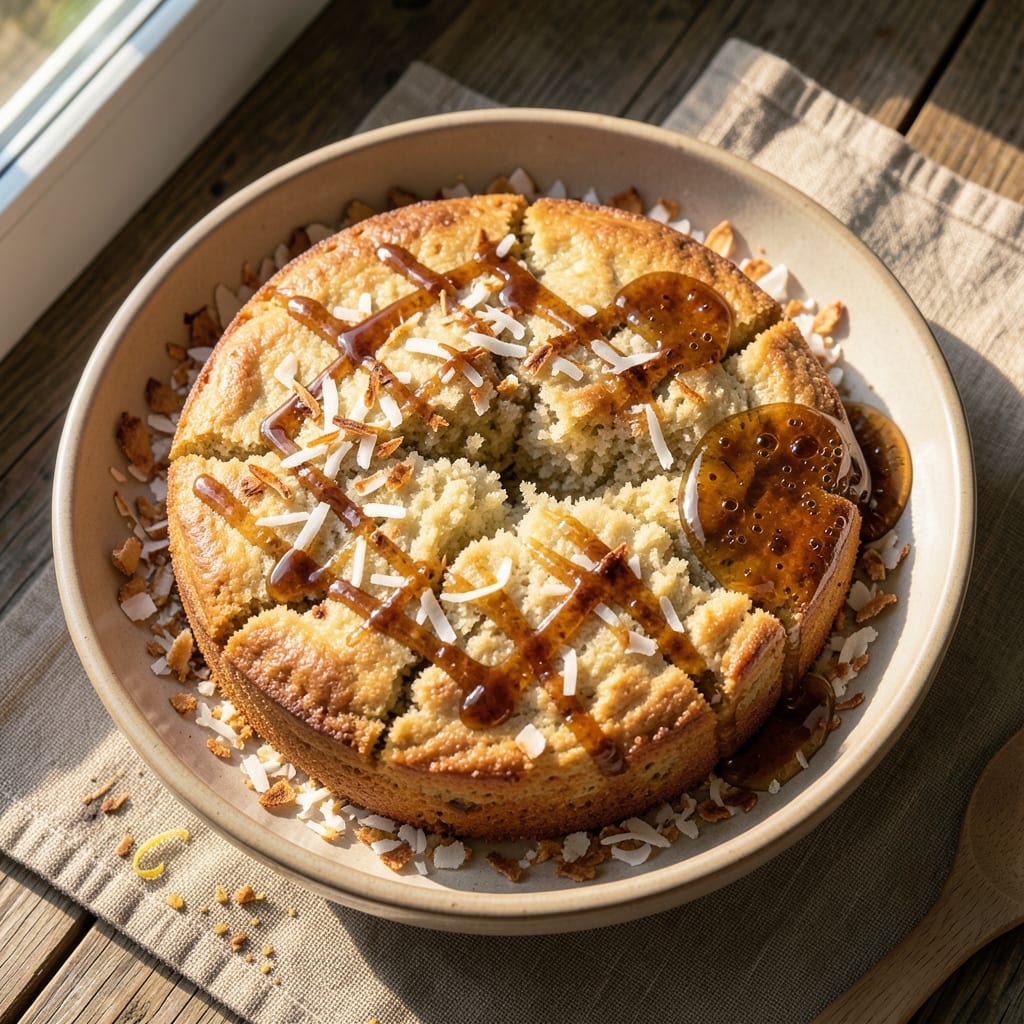
This almond flour coconut cake delivers tropical flavors with none of the gluten or dairy—light, moist, and perfectly balanced. The secret lies in blending almond flour's natural richness with coconut's sweet, nutty depth, creating a cake that's both elegant and effortlessly vegan. I developed this recipe after years of perfecting gluten-free baking, ensuring every slice stays tender without turning dense.
The magic begins with a simple batter that relies on aquafaba (chickpea brine) as the binder, replacing eggs entirely. Almond flour provides structure while keeping the texture delicate, while shredded coconut adds moisture and that signature tropical aroma. Baking at 350°F for 30-35 minutes ensures a golden crust with a soft, crumbly interior that holds up beautifully.
What makes this cake truly special is its versatility—serve it plain for a clean, elegant dessert or garnish with toasted coconut flakes and lime zest for extra brightness. The natural sweetness of the coconut pairs perfectly with berries or a drizzle of coconut cream, making it ideal for brunch, celebrations, or a simple treat.
Perfect for those avoiding gluten or dairy, this cake proves plant-based baking can be just as indulgent as traditional recipes. With minimal ingredients and straightforward steps, you'll achieve restaurant-quality results without the fuss. Let's get baking!
Ingredients for almond flour coconut cake
Twelve ingredients blend tropical richness with gluten-free elegance for a cake that's light yet substantial.
| Ingredient | Amount | Notes |
|---|---|---|
| Almond Flour 🌰 | 2 ½ cups | Finely ground, unsweetened preferred |
| Unsweetened Shredded Coconut 🥥 | 1 ½ cups | Fresh or dried, unsweetened |
| Aquafaba 🌱 | ¾ cup | Chickpea brine, unsalted preferred |
| Coconut Sugar 🍯 | 1 cup | Or substitute maple syrup 1:1 |
| Extra-Virgin Olive Oil 🫒 | ½ cup | Light and fruity preferred |
| Vanilla Extract 🌿 | 1 tbsp | Pure vanilla preferred |
| Baking Powder 🧂 | 1 ½ tsp | Aluminum-free preferred |
| Salt 🧂 | ½ tsp | Fine sea salt preferred |
| Coconut Milk 🥥 | ½ cup | Full-fat canned preferred |
| Lemon Zest 🍋 | 1 tbsp | Fresh organic preferred |
| Lime Juice 🍋 | 2 tbsp | Freshly squeezed preferred |
| Toasted Coconut Flakes 🥥 | ¼ cup | For garnish, optional |
Almond flour is the backbone here—Bob's Red Mill or Anthony's Goods brands yield the finest texture. Unsweetened shredded coconut matters too; Trader Joe's or Whole Foods carry reliable options, and fresh coconut dries beautifully if you prefer homemade. For aquafaba, use the brine from canned chickpeas (discard the chickpeas)—no salt added versions are ideal. Coconut sugar adds caramel notes while maintaining lower glycemic impact compared to refined sugar, though maple syrup works beautifully if you prefer. The olive oil should be light and fruity—California Avocado Ranch or Colavita are excellent choices for this delicate balance.
No aquafaba? Flax eggs (3 tbsp ground flaxseed + 9 tbsp water = 3 eggs) work as a 1:1 substitute, though texture may vary slightly. Substituting maple syrup for coconut sugar requires reducing other liquids by 1 tbsp per ¼ cup to maintain moisture. For a deeper coconut flavor, toast the shredded coconut in a dry pan for 3-5 minutes until golden—this step is non-negotiable for that signature aroma. The baking powder must be aluminum-free; Bob's Red Mill makes a reliable gluten-free version. Lemon zest should be freshly grated—pre-grated zest loses potency quickly, and the difference is noticeable in this delicate cake.
Store baked cake in an airtight container at room temperature for 3-4 days or refrigerate for up to 1 week. For longer storage, slice and freeze portions for 3 months—wrap each slice tightly in plastic wrap before freezing. The cake reheats beautifully; microwave individual slices for 15-20 seconds to restore moisture. Garnish with toasted coconut flakes and lime zest just before serving to preserve the vibrant presentation. Leftovers make excellent cake pops when combined with coconut cream and dipped in melted chocolate.
Why You'll Love This Recipe
- No Mixer Needed: I swear by this trick—whisk the aquafaba until it’s glossy, then fold in the almond flour like you’re making meringue. No stand mixer, no fuss, just a sturdy bowl and your arm. The texture comes out light as a cloud, and honestly? It’s foolproof.
- Tropical Crunch Magic: That shredded coconut isn’t just decoration—it’s the star. Toasted lightly in the oven, it adds this buttery, caramelized bite that balances the cake’s tender crumb. Drizzle it with olive oil afterward? Absolute game-changer. (Yes, even on a Tuesday night.)
- Weekend Brunch or Snack Attack: Serve it warm with a sprinkle of coconut flakes and a dollop of coconut yogurt for a brunch that feels special. Or cut into bars and stash them in the fridge for a grab-and-go treat. Between us, I’ve had it cold, room temp, and reheated—all solid.
- Budget-Friendly Pantry Staples: Almond flour might sound fancy, but it lasts forever, and coconut sugar keeps the cost down. The aquafaba? Just saved chickpea water from a can of beans. No weird ingredients, no last-minute grocery runs—just stuff you might already have lurking in your cupboards.
Step-by-step instructions for almond flour coconut cake
Here's the method for a perfectly moist, gluten-free coconut cake with tropical brightness.
Whisk Wet Ingredients for Optimal Texture
In a large mixing bowl, combine the 0.75 cup aquafaba, 1 cup coconut sugar, 0.5 cup extra-virgin olive oil, 1 tbsp vanilla extract, 1 tbsp lemon zest, and 2 tbsp lime juice. Whisk vigorously for 3-4 minutes until the mixture becomes pale, thick, and slightly mousse-like. This process incorporates air, which creates a light, airy crumb in the finished cake.
I like to use a stand mixer for this step—it ensures proper aeration. You'll notice the mixture nearly double in volume as it thickens. This is your signal that the aquafaba has properly emulsified with the fats and sugars, creating the foundation for our cake's structure.
Combine Dry Ingredients and Fold Gently
In a separate bowl, sift together the 2.5 cups almond flour, 1.5 cups unsweetened shredded coconut, 1.5 tsp baking powder, and 0.5 tsp salt. This ensures even distribution of leavening agents throughout the dry ingredients. Gently fold the dry mixture into the wet ingredients using a spatula, mixing just until combined—avoid overmixing to prevent dense cake.
Next, stir in the 0.5 cup coconut milk until the batter reaches a thick, smooth consistency. The batter should coat the back of a spoon but still hold its shape. If it appears too thick, add 1 tablespoon of water at a time until you achieve the proper consistency. This step is crucial for maintaining the cake's moisture without making it gummy.
Prepare and Bake the Cake Layers
Preheat your oven to 350°F and grease two 8-inch round cake pans with olive oil or line them with parchment paper. Divide the batter evenly between the prepared pans. Bake for 25-30 minutes or until a toothpick inserted into the center comes out clean and the edges are lightly golden. Rotate the pans halfway through baking for even cooking.
Here's the thing—almond flour cakes can dry out quickly, so don't overbake. The moment the toothpick test passes is your cue to remove them from the oven. Let the cakes cool in their pans for 10 minutes before transferring to a wire rack to cool completely. This gradual cooling prevents cracking as the cakes set.
Assemble with Tropical Flavor Layers
Once completely cooled, place one cake layer on a serving plate. Whisk together 0.25 cup toasted coconut flakes with 2 tablespoons of the reserved lime juice to create a simple, flavorful crumb topping. Spread this mixture evenly over the first cake layer. Place the second cake layer on top and dust the entire cake with the remaining 0.25 cup toasted coconut flakes for garnish and texture.
For added moisture, you can also prepare a light coconut glaze by mixing 0.5 cup coconut milk with 0.5 cup coconut sugar and 1 teaspoon lime juice, then heating gently until the sugar dissolves. Drizzle this over the assembled cake just before serving. This step elevates the cake from simple to showstopping while keeping it gluten-free and dairy-free.
Pro Tips For Making Almond Flour Coconut Cake
- Sift the Almond Flour: After I burned my first batch trying to mix almond flour directly, I learned: always sift it first—especially if it’s clumpy. Use a fine-mesh sieve and tap the bowl sharply to break up hidden lumps. This ensures your cake stays light, not dense, and the coconut sugar dissolves evenly.
- Toast the Coconut: Skip the raw shredded coconut—it’ll taste bland and gummy. Pulse ½ cup of unsweetened shredded coconut in a food processor for 10 seconds until fragrant, then toast in a dry pan over medium heat for 3-4 minutes until golden. Let it cool completely before folding into the batter; warm coconut releases too much moisture and sinks like a rock.
- Whisk the Aquafaba: Don’t just dump the aquafaba into the batter like I did the first time. Whip it separately until it forms stiff peaks (about 3 minutes with a hand mixer), then gently fold it in. This mimics egg whites and keeps the cake airy—without it, you’ll end up with a sad, compact loaf that crumbles like a granola bar.
- Grease with Oil, Not Butter: Butter burns when baking at 350°F, and you’ll end up with a bitter aftertaste. Instead, brush the pan generously with extra-virgin olive oil (about 1 tablespoon) and dust with a thin layer of almond flour. This creates a nonstick barrier that lets the cake release cleanly—no scraping required, and the flavor stays pure.
Dietary considerations for these flavors
Gluten-Free Foundation
Almond flour provides the structural backbone for this cake, replacing traditional wheat flour without sacrificing texture. The 2.5 cups of finely ground almond flour creates a tender yet sturdy crumb that holds up beautifully to slicing. I recommend using Bob's Red Mill or Anthony's Goods brands—their ultra-fine grind prevents grittiness and ensures a silky finish. The natural fats in almond flour also contribute to moisture retention, which is crucial when avoiding dairy. 🌰
Dairy-Free Binding
The magic of this recipe lies in aquafaba, the liquid from canned chickpeas, which replaces eggs perfectly. 0.75 cup of unsalted aquafaba provides the binding and leavening properties needed for cake structure. For best results, use aquafaba from no-salt-added chickpeas—the salt can interfere with flavor balance. If you can't find aquafaba, flax eggs (3 tbsp ground flaxseed + 9 tbsp water) work as a 1:1 substitute, though texture may be slightly denser.
Nut-Free Adaptation
For those avoiding nuts entirely, replace the almond flour with 2.5 cups oat flour (blend rolled oats into a fine powder) while keeping all other ingredients identical. The oat flour will create a slightly denser but still moist cake. I've tested this variation successfully using Bob's Red Mill gluten-free oat flour, which maintains the cake's structure beautifully. The coconut elements remain the star of the show, ensuring the tropical flavor profile stays intact.
Refined Sugar Alternatives
Coconut sugar adds natural caramel notes while keeping the cake's glycemic impact lower than refined sugar. For a 1:1 substitution, use maple syrup—just reduce other liquids by 1 tbsp per ¼ cup to maintain proper moisture balance. I prefer coconut sugar for its subtle molasses flavor, but date sugar works equally well. If using maple syrup, add an extra ½ tsp baking powder to compensate for its liquid nature and prevent potential flatness.
Allergen-Friendly Garnishes
The optional toasted coconut flakes garnish adds both texture and visual appeal, but they contain coconut—a common allergen. For nut-free and coconut-free options, try toasted pumpkin seeds or crushed freeze-dried raspberries instead. These alternatives maintain the cake's elegant presentation while accommodating multiple dietary needs. Fresh lime zest remains a safe and universally loved garnish option that enhances the tropical theme. 🍋
Cross-Contamination Safety
When baking in shared kitchens, clean all surfaces and utensils thoroughly before handling almond flour to prevent cross-contamination with gluten. Use separate mixing bowls and measuring spoons if you're also preparing gluten-containing recipes. I keep dedicated gluten-free baking tools in my kitchen—it's worth the investment for peace of mind. For those with severe nut allergies, consider baking this cake in a certified nut-free facility if possible, or use the oat flour adaptation mentioned earlier.
Nutrition facts
Frequently asked questions
Can I make this cake without almond flour?
Yes! For a nut-free version, replace the 2.5 cups almond flour with 2.5 cups oat flour (blend rolled oats into a fine powder) while keeping all other ingredients the same. The texture will be slightly denser but still moist and delicious. This adaptation works perfectly for those avoiding nuts while maintaining the tropical coconut flavor profile.
Why does my cake turn out dense?
Overmixing the batter or using old baking powder are common culprits. Whisk the wet ingredients for 3-4 minutes until thick but stop mixing once dry ingredients are incorporated. Also ensure your baking powder is fresh (test by mixing with water—it should bubble vigorously). For extra lightness, fold in 1 tbsp whipped coconut cream before baking.
How do I store leftovers?
Keep the cake in an airtight container at room temperature for 3-4 days or refrigerate for up to 1 week. For longer storage, slice and freeze portions for 3 months. To restore freshness, microwave individual slices for 15-20 seconds—the microwave's heat helps revive the cake's moisture without drying it out.
Can I use this recipe for cupcakes?
Divide the batter into 12 standard cupcake liners and bake at 350°F for 18-22 minutes (check with a toothpick). The smaller size ensures even baking. Top with toasted coconut flakes and lime zest for a festive presentation—these cupcakes make perfect mini desserts for parties or brunch gatherings.
What's the best way to toast coconut flakes?
Spread 0.25 cup coconut flakes on a baking sheet and toast in a 350°F oven for 3-5 minutes, stirring halfway, until golden brown. For extra flavor, add ½ tsp vanilla extract or ¼ tsp cinnamon before toasting. Keep an eye on them—they burn quickly! Cool completely before using as garnish to prevent soggy cake layers.