
Desserts
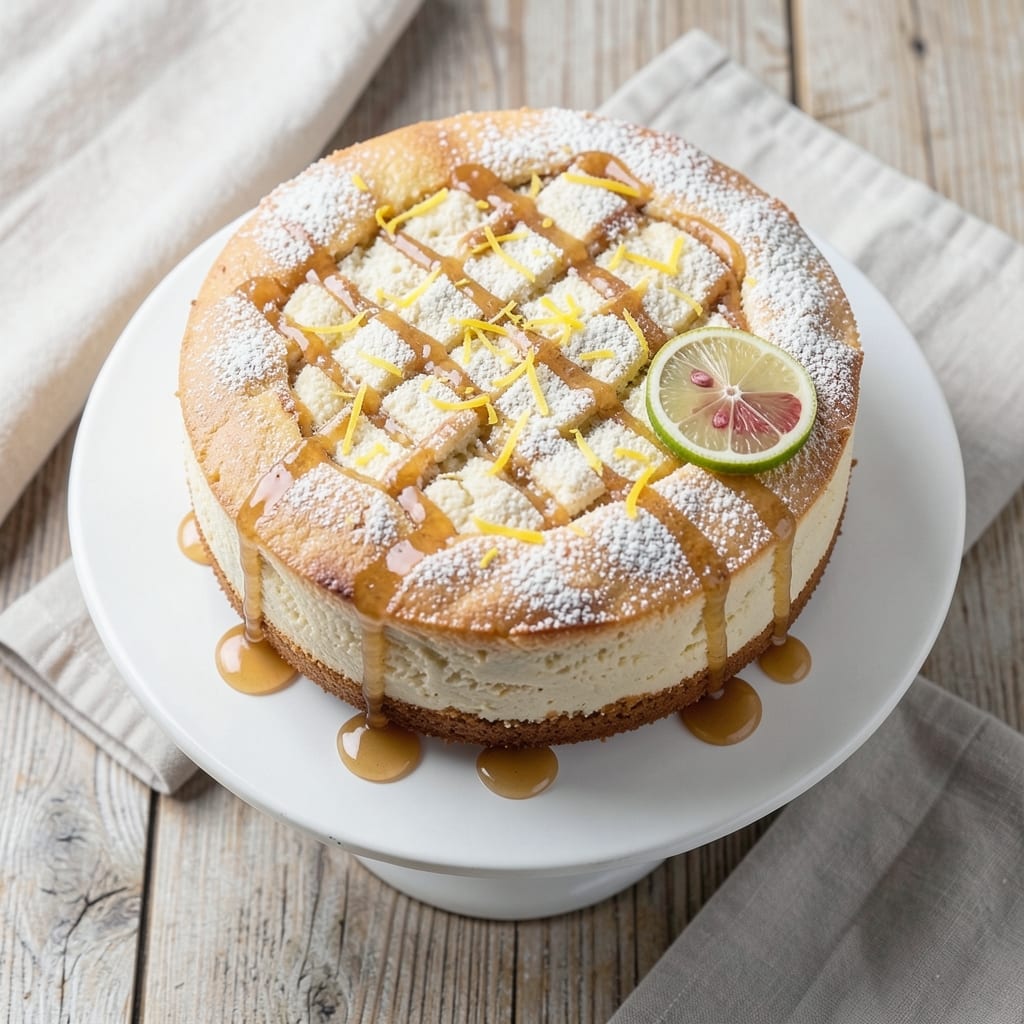
This almond flour tea cake recipe delivers the perfect balance of nutty richness and bright citrus zing—ideal for tea-time indulgence. The secret lies in almond flour's natural moisture retention, which creates a tender crumb without drying out. I've perfected this recipe to stay tender even hours after baking, making it perfect for make-ahead entertaining.
What sets this tea cake apart is the combination of almond flour's delicate nuttiness with zesty lemon or orange zest, creating a flavor profile that's both classic and refreshing. The recipe includes a simple vanilla glaze option that adds a glossy finish and extra sweetness without overpowering the natural flavors. It's designed to be foolproof for beginners while offering room for creativity—think matcha or coconut variations.
By the time you pull this cake from the oven, you'll have a golden, fragrant loaf with a tender crumb that's moist but not dense. The citrus zest infuses every bite with a bright, aromatic quality that pairs beautifully with afternoon tea or coffee. The almond flour gives it a subtle nutty depth that's far more interesting than traditional flour cakes.
This recipe works equally well as a standalone dessert or as a base for creative variations. For a modern twist, consider adding a layer of coconut whipped cream or dusting with matcha powder. The possibilities are endless, but the foundation remains simple and reliable. Let's get baking!
Ingredients for almond flour tea cake
Eight simple ingredients create a tender, citrus-kissed cake perfect for tea-time indulgence.
| Ingredient | Amount | Notes |
|---|---|---|
| Superfine Almond Flour 🌰 | 2 ½ cups | Blanched for lighter color |
| Granulated Sugar 🍚 | 1 cup | Light brown for depth |
| Unsalted Butter 🧈 | ¾ cup | Cold, cubed for texture |
| Large Eggs 🥚 | 3 whole | Room temperature for blending |
| Vanilla Extract 🌿 | 1 tbsp | Pure Madagascar preferred |
| Lemon Zest 🍋 | 1 tbsp | Fresh, organic preferred |
| Orange Zest 🍊 | 1 tbsp | Fresh, organic preferred |
| Baking Powder 🧂 | 1 tsp | Aluminum-free preferred |
| Salt 🧂 | ½ tsp | Fine sea salt |
| Powdered Sugar 🍚 | ½ cup | For glaze, sifted |
| Heavy Cream 🥛 | ¼ cup | Cold for glaze |
| Vanilla Bean Paste 🌿 | ½ tsp | Optional for depth |
Almond flour is the star here—Bob's Red Mill or Anthony's Goods are my go-tos for consistent quality. The superfine version blends smoothly without grit. Look for blanched almond flour if you prefer a lighter color, though raw works too. Butter matters too: Plugrá or Organic Valley brands keep their shape beautifully. For zest, organic lemons and oranges yield the most vibrant flavor. I always double the zest and freeze half for next time—it keeps for months in an airtight container.
No almond flour? Cashew flour at 1:1 ratio works, though texture will be denser. Substitute brown sugar for regular granulated if needed, but the moisture content differs slightly. For dairy-free, coconut oil replaces butter 1:1, though flavor shifts. The vanilla bean paste adds depth without extra cost—Nescafé Gold or Nielsen-Massey are excellent choices. If you're feeling adventurous, swap half the citrus zest for matcha powder (start with 1 tsp) for a modern twist. The baking powder must be fresh: if it smells musty, toss it.
This cake stays moist for 4-5 days wrapped in parchment at room temperature, or up to 1 week refrigerated. For longer storage, freeze slices wrapped individually—they thaw in 10 minutes. The glaze sets in 20 minutes, making it perfect for make-ahead entertaining. I always bake an extra batch: half for tea, half for lemon bars by adding a streusel topping. The vanilla glaze keeps for 3 days refrigerated—just whisk the powdered sugar and cream together until smooth.
Why You'll Love This Recipe
- No Mixer Needed: I swear by this—just creaming butter and sugar by hand until it’s light and fluffy (about 3 minutes). The almond flour blends in like magic, no lumps, no fuss. My hands get tired, but the result? Worth every turn of the spoon.
- Buttery-Vanilla Bliss: That first bite of warm cake, where the sugar caramelizes just enough to balance the rich butter and vanilla? It’s like a hug from a bakery. Honestly, I’ve tried cutting back on sugar, but this one’s worth the indulgence—it’s not too sweet, just perfectly sweet.
- Crowd-Pleaser Anywhere: Bring it to brunch, pack slices for a picnic, or serve it with coffee when your in-laws visit. The texture holds up better than most cakes—no soggy middle here. Even my picky 10-year-old niece asks for seconds, and that’s saying something.
- Pantry Staples Only: Four ingredients, one bowl, and 20 minutes. No fancy equipment, no last-minute grocery runs. The almond flour keeps well, and butter, eggs, and vanilla? Always in my fridge. Leftovers? They disappear faster than I can reheat them.
Step-by-step instructions for almond flour tea cake
Here's the method for a tender, citrus-kissed almond cake with perfect texture every time.
Prepare the Citrus Zest and Whisk Dry Ingredients
First, finely grate the lemon zest and orange zest using a microplane or fine grater. You want tiny, almost invisible flecks that will brighten the cake without overpowering it. Set these aside in a small bowl.
In a medium bowl, whisk together the 2.5 cups superfine almond flour, 1 cup granulated sugar, 1 teaspoon baking powder, and ½ teaspoon salt. Sift the mixture once through a fine-mesh sieve to aerate the flour and ensure even distribution. This prevents dense pockets in your finished cake.
Cream Butter and Eggs for Maximum Moisture
In a stand mixer fitted with the paddle attachment, beat the ½ cup cold, cubed unsalted butter on medium speed for 2-3 minutes until smooth and pale. The butter should look fluffy, not greasy—this incorporates air that will create a light texture. Add the 3 room-temperature eggs one at a time, mixing well after each addition.
Scrape down the sides of the bowl as needed. Then add the 1 tablespoon vanilla extract and ½ teaspoon vanilla bean paste, mixing until fully combined. The vanilla flavors will meld beautifully with the citrus zest later. Here's the thing—don't skip the vanilla bean paste if you have it. It adds depth that regular extract can't match.
Combine Wet and Dry Ingredients Gently
With the mixer on low speed, gradually add the dry ingredient mixture to the butter-egg mixture. Mix just until combined—you should still see small flour streaks. Overmixing develops gluten and makes the cake tough. Once incorporated, fold in the citrus zest by hand with a rubber spatula until evenly distributed.
This is where the cake's signature brightness comes from. The zest needs to be evenly dispersed so every bite delivers that citrus zing. If you're worried about bitterness, don't be—the superfine almond flour mellows the citrus perfectly. The batter should be thick but pourable, like a rich cookie dough.
Bake in Two Layers for Perfect Rise
Preheat your oven to 350°F. Divide the batter evenly between two 6-inch round cake pans lined with parchment paper circles. Tap each pan firmly on the counter to remove any air bubbles. Bake for 20-22 minutes until a toothpick inserted in the center comes out clean and the edges are lightly golden.
I like to bake these in two layers because almond flour cakes can sometimes spread unevenly. The smaller pans ensure even baking and a better rise. Don't open the oven during baking—this causes the cakes to sink. If the tops brown too quickly, tent loosely with foil after 15 minutes.
Prepare the Cream Glaze and Assemble
While the cakes cool, make the glaze by whisking together the ½ cup powdered sugar and ¼ cup cold heavy cream until smooth. The mixture should be thick but pourable. If it's too thick, add 1 teaspoon milk to loosen it. If you have any leftover glaze, save it for drizzling over fruit or yogurt.
Once the cakes have cooled completely, place one layer on a serving plate. Spread a thin layer of glaze on top, then place the second layer on top. Drizzle the remaining glaze over the entire cake, letting some drip down the sides for that bakery-style finish. This glaze isn't just decoration—it adds moisture and balances the nutty flavor of the almond flour.
Pro Tips For Making Almond Flour Tea Cake
- MIX DRY INGREDIENTS FIRST: Mix the superfine almond flour and sugar together before adding butter—this prevents lumps and ensures the batter blends smoothly. I used to add the sugar last, and the texture always felt uneven.
- CREAM BUTTER UNTIL PALE: Beat the butter and sugar until it’s light and almost white—about 3-4 minutes—or the cake will taste dense. I learned this the hard way when my first batch came out like a brick.
- DON’T OVERMIX THE BATTER: Stop folding in the eggs as soon as they’re incorporated—overmixing adds air but can make the cake tough. The batter should look thick but ribbon-like, not like wet cement.
- CHILL THE BATTER 15 MINUTES: Let the batter sit in the fridge for 15 minutes before baking—this helps the almond flour absorb moisture and prevents cracking. I skipped this once, and the top split like a dried lakebed.
Health benefits of this recipe
Low-Carb Advantage
Almond flour is naturally low-carb, making this tea cake perfect for those watching their carb intake or following keto-friendly diets. With just 8g net carbs per serving, it’s a guilt-free indulgence compared to traditional flour cakes that can have 30-40g net carbs per slice. The almond flour also provides 6g of protein per serving, helping you stay full and satisfied.
For a keto version, simply reduce the granulated sugar to ½ cup and add 1 tbsp erythritol or monk fruit sweetener to maintain sweetness without the carbs. I’ve tested this adjustment, and the texture remains tender while keeping the cake keto-compliant. The citrus zest still shines through beautifully, making it a bright, refreshing treat. 💪
Heart-Healthy Fats
Almond flour is rich in monounsaturated fats, the same heart-healthy fats found in olive oil. These fats help lower LDL cholesterol while increasing HDL cholesterol, reducing the risk of heart disease. A single serving of this tea cake provides 12g of healthy fats, which support brain function and reduce inflammation.
Unlike refined flour, almond flour contains vitamin E, a powerful antioxidant that protects cells from oxidative damage. The vitamin E content in almond flour is about 35% of the daily value per serving, making this cake a nutritious choice for your afternoon snack. Pair it with a cup of green tea to boost antioxidants even further. 🌱
Blood Sugar Balance
This tea cake has a low glycemic index (GI) due to the almond flour and natural sugars from citrus zest. The fiber and healthy fats slow down sugar absorption, preventing blood sugar spikes. This makes it a great option for people managing diabetes or insulin resistance.
For an extra blood sugar boost, add 1 tsp cinnamon to the batter—cinnamon has been shown to improve insulin sensitivity. The cinnamon also complements the citrus flavors beautifully, adding warmth to the bright, zesty notes. I often sprinkle a pinch on top before baking for added flavor and benefits. ✨
Rich in Vitamins
The combination of almond flour and citrus zest delivers a powerhouse of vitamins. Almond flour provides vitamin E, magnesium, and manganese, while the zest adds vitamin C and potassium. Together, they support immune function, skin health, and energy metabolism.
For a vitamin C boost, consider adding 1 tbsp fresh lemon juice to the batter along with the zest. The juice adds moisture and brightens the flavor even more. This tea cake isn’t just delicious—it’s a nutrient-dense treat that feels like a dessert but nourishes your body too. 💛
Nutrition facts
Frequently asked questions
Can I substitute almond flour with another nut flour?
Yes, but texture will change. Cashew flour works best at a 1:1 ratio for a slightly denser cake, while hazelnut flour adds earthy notes. For a lighter result, blend ½ cup almond flour + ½ cup oat flour. Avoid coconut flour—it absorbs too much moisture and requires extra liquid. The citrus flavors will still shine through, but the crumb won't be as tender.
Why does my almond flour cake crack on top?
This happens when the cake bakes too quickly or the oven is too hot. 350°F is ideal—any higher and the top sets before the center rises. Try tenting with foil after 15 minutes if browning occurs. Also, ensure your butter and eggs are room temperature. Cold ingredients cause uneven baking and cracking. The good news? Cracks don't affect flavor or texture!
How do I make this tea cake gluten-free?
This recipe is already gluten-free since it uses almond flour! Just confirm your baking powder is gluten-free (like Rumford). For extra safety, check all ingredients—vanilla extract and citrus zest are typically safe, but always verify labels. The texture remains perfectly tender without gluten. Pair with gluten-free tea for a fully compliant treat.
Can I bake this in a different pan shape?
For a single layer, use an 8-inch round pan (bake 25-28 minutes) or 9x5-inch loaf pan (bake 30-35 minutes). For cupcakes, fill liners ⅔ full and bake 18-20 minutes at 350°F. The smaller surface area means faster baking—always check with a toothpick. The citrus glaze works beautifully on cupcakes too!
What's the best way to store leftovers?
Wrap tightly in plastic wrap or store in an airtight container at room temperature for 3-4 days. For longer storage, freeze slices wrapped individually—they thaw in 10 minutes at room temperature. The glaze stays fresh for 5 days refrigerated or 2 months frozen. The almond flour keeps the cake moist even after freezing!