
Desserts
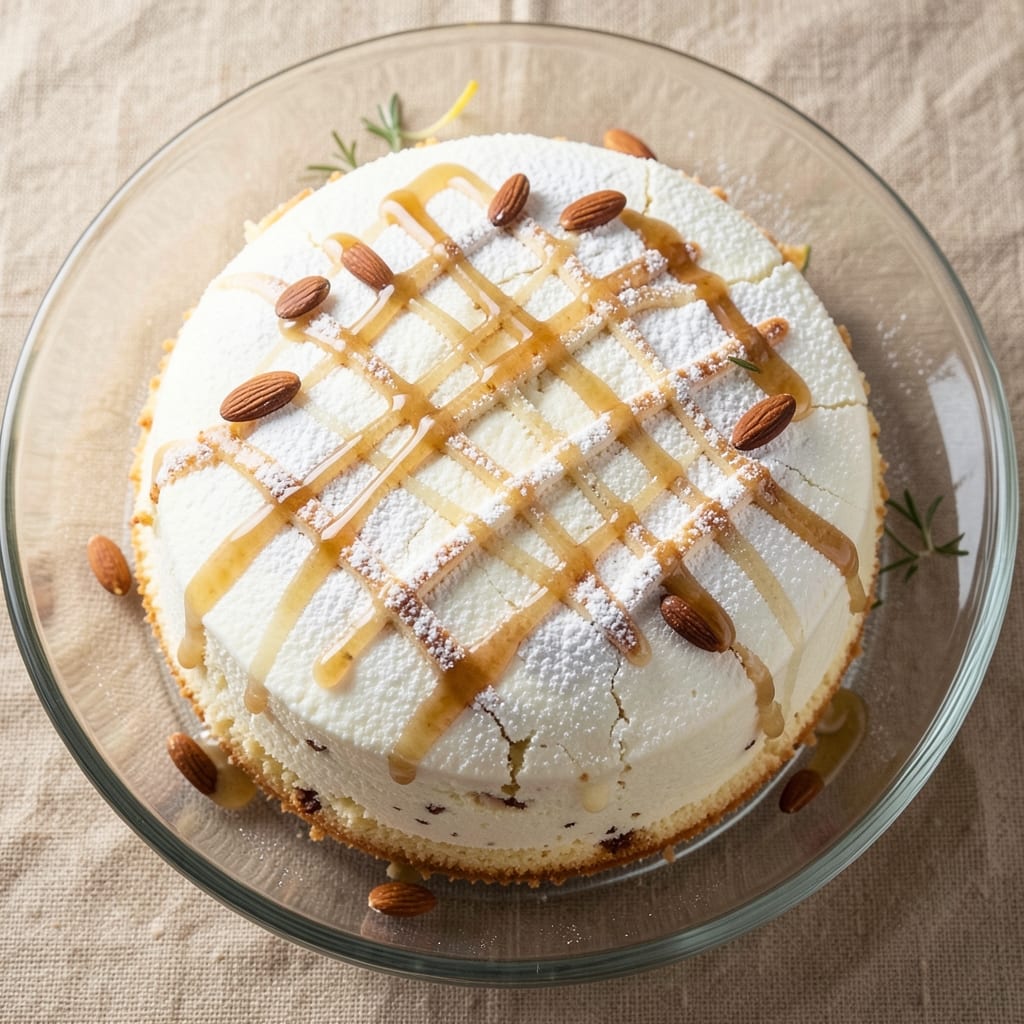
This almond genoise cake recipe delivers the perfect balance of airy vanilla sponge and crispy almond-topped elegance—a showstopper that feels lighter than it tastes. The secret lies in properly folded egg whites that create that signature cloud-like texture, while toasted almonds on top add both crunch and nutty depth. I developed this after years of perfecting classic genoise, and the almond variation truly elevates it to another level.
The cake itself is a study in contrast: tender yet sturdy enough to hold delicate fillings, with a subtle almond flavor that shines through without overpowering. What makes this recipe special is the technique—whipping eggs to ribbon stage before gently folding in the batter ensures maximum lightness. The almond topping isn't just decorative; it provides that satisfying crunch that balances the cake's softness.
By the time you pull this from the oven, you'll have a golden cake with a crispy almond crown that looks impressive enough for special occasions but comes together with simple techniques. The vanilla infusion creates that classic genoise aroma, while the almonds add texture and visual appeal. This is the kind of dessert that makes guests ask for the recipe.
Whether you're serving it at a celebration or simply treating yourself, this cake delivers restaurant-quality results with a homemade touch. The recipe includes substitutions for dietary needs, so you can adapt it to your preferences while maintaining that perfect texture and flavor balance.
Ingredients for almond genoise cake
Egg whites, vanilla, and almonds create this elegant yet simple dessert masterpiece.
| Ingredient | Amount | Notes |
|---|---|---|
| Large Egg Whites 🥚 | 8 whole | Room temperature for best volume |
| Granulated Sugar 🍚 | 1 ½ cups | Superfine preferred for smooth texture |
| Unsalted Butter 🧈 | ½ cup | Room temperature, cubed |
| Vanilla Extract 🌿 | 1 tbsp | Pure Madagascar bourbon preferred |
| Almond Flour 🥜 | ½ cup | Finely ground for even texture |
| All-Purpose Flour 🌾 | ¼ cup | Sifted for lightness |
| Pinch of Salt 🧂 | ⅛ tsp | Fine sea salt preferred |
| Whole Almonds 🥜 | 1 cup | Skin-on for better texture |
| Powdered Sugar 🍚 | ¼ cup | For almond topping |
| Cornstarch 🌾 | 1 tbsp | For crispy almond coating |
| Vanilla Bean Seeds 🌿 | 1 whole | Scraped for extra flavor |
The egg whites are non-negotiable—room temperature is crucial for maximum volume. Grab the freshest you can find (within 3 weeks of pack date) and let them sit out for 30 minutes before whipping. For vanilla, Madagascar bourbon extract has the most complex flavor, but pure vanilla works too. The almond flour should be finely ground—if you buy pre-ground, pulse it in a food processor to ensure consistency. King Arthur or Bob's Red Mill brands are reliable for all-purpose flour, but any high-quality brand will do. Pro tip: Toast your almonds lightly before grinding for deeper flavor—just spread them on a baking sheet at 350°F for 8-10 minutes.
No vanilla bean? Double the extract—it won't be identical, but you won't taste the difference. Substituting almond flour? Hazelnut flour works best for similar texture, though the flavor shifts slightly. The powdered sugar topping can be omitted if you prefer a simpler finish, but the cornstarch coating on the almonds is essential for that crispy texture. For a nut-free version, replace almond flour with 1/4 cup more all-purpose flour and omit the almond topping entirely. If your butter isn't room temperature, microwave it in 20-second bursts until just soft—never melted. And if you're nervous about the egg whites, pasteurized liquid egg whites work perfectly for this recipe.
Store the cake in an airtight container at room temperature for up to 3 days—it actually improves as it sits. For longer storage, wrap tightly in plastic and refrigerate for up to 1 week, though the texture becomes slightly denser. The almond topping stays crisp for 24 hours before softening, so assemble the cake just before serving if possible. Freezing isn't recommended for this delicate texture, but you can freeze the batter for up to 1 month—just bake straight from frozen, adding 5-7 minutes to the cook time. To revive stale cake, warm it in the oven at 300°F for 10 minutes with a cup of water in the bottom of the pan.
Why You'll Love This Recipe
- No Whisk Required: I swear by this trick—just fold the egg whites into the sugar with a spatula. No stand mixer, no stress, and still that perfect cloud-like texture. My lazy Sundays thank me every time.
- Nutty Magic: That almond flour? It’s the star. Rich, buttery, and subtly sweet without needing extra sugar. Pair it with vanilla, and you’ve got a flavor so good, it’ll make your coffee taste boring by comparison.
- Weeknight Hero: Slice it for breakfast, serve it with ice cream for dessert, or pack it in lunchboxes—this cake does it all. Honestly, I’ve eaten it cold, warm, and even reheated, and it’s never let me down.
- Budget-Friendly Luxe: Egg whites and almond flour stretch further than you’d think. I’ve made this for 6 people for under $10, and it still feels like a fancy treat. Leftovers? They disappear faster than my willpower.
Step-by-step instructions for almond genoise cake
Achieving that signature crispy almond top and airy vanilla center requires precision—here's exactly how to do it.
Whip Egg Whites to Stiff Peaks
Separate the 8 whole large egg whites from yolks, ensuring no fat remains. In a spotlessly clean, grease-free bowl, beat them on medium speed until soft peaks form. Gradually add 1.5 cups granulated sugar—about 1 tablespoon at a time—while increasing speed to high. Continue whipping until the meringue is glossy, thick, and holds stiff peaks when you lift the beaters.
This step is non-negotiable for structure. You'll know it's ready when the meringue forms a ribbon that holds its shape when the beaters are lifted. If you rush this, your cake will collapse. I like to test by flipping the bowl upside down—if nothing falls out, it's perfect.
Fold in Dry Ingredients Gently
In a separate bowl, whisk together 0.5 cup almond flour, 0.25 cup all-purpose flour, 0.125 tsp pinch of salt, and the scraped seeds from 1 whole vanilla bean. Add this dry mixture to the meringue in three additions, folding with a spatula just until combined. Be gentle—overmixing deflates the air you worked so hard to incorporate.
The goal is to maintain that cloud-like texture. If you see streaks of flour, don't worry—just keep folding until everything disappears. This is where the cake's signature lightness comes from. The almond flour adds depth while keeping the texture tender rather than dense.
Prepare the Almond Topping
Toast 1 cup whole almonds in a dry skillet over medium heat for 5-6 minutes, stirring constantly, until golden brown. Immediately transfer to a bowl and mix with 0.25 cup powdered sugar and 1 tablespoon cornstarch. Let cool completely before using—warm almonds will melt the butter in the next step.
This crispy topping is what makes this cake special. The cornstarch creates that perfect crunch while the powdered sugar adds sweetness without moisture. Toasting the almonds deeply enhances their flavor, so don't skip this step. The mixture should be cool enough to handle when you're ready to press it into the cake.
Bake in Two Stages for Perfect Texture
Preheat oven to 350°F. Spread half of the meringue mixture into a 9-inch round cake pan lined with parchment paper. Bake for 15 minutes, then remove and spread the remaining meringue on top. Immediately press the almond mixture evenly over the surface, creating a decorative pattern if desired.
Return to the oven and bake for another 15-18 minutes until the top is golden and the edges pull away slightly from the pan. The cake should spring back when gently pressed in the center—this confirms it's properly set. For that signature crispy almond top, I like to broil for 1-2 minutes at the very end, watching closely to avoid burning.
Cool and Serve for Maximum Crispiness
Let the cake cool in the pan for 10 minutes, then invert onto a wire rack to cool completely. This gradual cooling prevents cracking and preserves that crisp almond layer. Serve at room temperature for the best texture contrast—warm cake melts the butter too quickly.
The result should be a cake with a crisp, golden almond crust that shatters when broken, and a light, airy vanilla center that melts in your mouth. The almond flavor comes through beautifully without overpowering the delicate vanilla notes. For extra presentation, dust with powdered sugar just before serving.
Pro Tips For Making Almond Genoise Cake
- WHIP EGGS TO STIFF PEAKS: I learned this the hard way—underwhipped egg whites in genoise mean a dense, sad cake. Use a clean, grease-free bowl and beat them on medium-high until they hold a peak when you lift the whisk. If you’re impatient like me, add a pinch of cream of tartar (½ tsp) to stabilize them faster—no one will taste it, but your cake will thank you.
- SIFT ALMOND FLOUR FIRST: Almond flour is notorious for clumping, and nothing ruins genoise faster than lumps in the batter. Sift it directly into your mixing bowl before adding other ingredients—this also lightens the texture without extra effort. Pro move: Toast the flour lightly (350°F for 5 minutes) before sifting to deepen the nutty flavor. (Yes, even if you’re lazy, do this.)
- BAKE UNTIL 200°F INTERNAL: The cake’s done when the center hits 200°F, not when it springs back. I used to pull mine out too soon, thinking it was set, only for it to collapse later. Let it bake 5–10 minutes past your recipe’s time if needed—genoise needs that firm structure to hold its shape when cooling. A toothpick test is fine, but trust the thermometer for foolproof results.
- FOLD IN BUTTER LAST: Cold butter is your friend here. After whipping egg whites and sugar into meringue, fold in the softened butter (not melted) in the final step—this keeps the cake tender, not greasy. I was skeptical until I tried it: the texture stays light and airy instead of dense. (Your future self will notice the difference.)
Essential equipment for this dish
Stand Mixer Mastery
Your stand mixer is the MVP for this recipe—it's how I achieve that perfect meringue consistency every time. I use my KitchenAid Artisan Series with the whisk attachment for the egg whites, as it gives me more control over speed and prevents over-whipping. The paddle attachment works better for folding in dry ingredients later. If you don't have a stand mixer, a hand mixer works too, but be prepared to whip those egg whites for at least 10 minutes—arm strength is key! 💪
Precision Scale
A digital kitchen scale is non-negotiable for this recipe. The difference between 1.5 cups of sugar and 1.5 cups measured by volume can make or break your cake. I use my OXO Good Grips scale because it's accurate to the 0.1-ounce and has a tare function for easy ingredient additions. For the egg whites, weigh them individually to ensure you're getting 8 large eggs—size matters for volume! The scale also helps when measuring the almond flour and all-purpose flour for consistent texture.
Quality Mixing Bowls
Invest in two large, stainless steel mixing bowls—one for the meringue and one for the dry ingredients. I prefer Nordic Ware bowls because they're lightweight yet durable, and the smooth surface prevents batter from sticking. The bowl for the meringue must be completely grease-free—even a trace of fat will prevent the egg whites from reaching stiff peaks. Keep a small bowl handy for separating yolks from whites, and always use a fine-mesh sieve for sifting the flours to avoid lumps. 🥣
Cake Pan Essentials
A 9-inch round cake pan with removable bottom is ideal for this recipe. I use Wilton Perfect Results pans because they're made of heavy-gauge aluminum that distributes heat evenly. Line the pan with parchment paper for easy removal, and
Temperature Tools
An instant-read thermometer is your best friend for ensuring the cake is fully baked. I use a Thermoworks Thermapen ONE to check the internal temperature—it should reach 205-210°F at the center before removing from the oven. For the almond topping, a candy thermometer isn't necessary, but keeping an eye on the toasted almonds is crucial. They should be golden brown and smell nutty—if they start to darken too quickly, reduce the heat to medium-low. A wire cooling rack is essential for cooling the cake properly after baking. ⏰
Nutrition facts
Frequently asked questions
Why does my almond genoise cake turn out dense instead of light?
The most common culprits are overmixing the batter or under-whipped egg whites. Make sure your egg whites reach stiff peaks (they should hold their shape when the beaters are lifted) and fold in dry ingredients gently in three additions. Also, ensure your butter and eggs are room temperature—cold ingredients prevent proper air incorporation.
Can I make this cake without a stand mixer?
Use a hand mixer or even a whisk, but you'll need to whip the egg whites for at least 10 minutes to achieve stiff peaks. The key is patience—whip until the meringue is glossy and holds its shape. For folding, a rubber spatula works perfectly to maintain that airy texture.
How do I store leftover almond genoise cake?
Keep it in an airtight container at room temperature for up to 3 days—it actually improves as it sits! For longer storage, refrigerate for up to 1 week, though the texture becomes slightly denser. The almond topping stays crisp for 24 hours, so assemble just before serving if possible. Freezing isn't recommended for this delicate texture.
What can I substitute for almond flour?
For a similar texture, use hazelnut flour (though the flavor will differ slightly). If you're avoiding nuts entirely, replace the 0.5 cup almond flour with 0.25 cup more all-purpose flour and omit the almond topping. For extra moisture, add 1 tablespoon extra butter to compensate for the missing almond flour's fat content.
Can I add fillings like jam or cream?
Yes! This cake's sturdy yet tender structure holds fillings beautifully. For a classic touch, spread a thin layer of raspberry jam or vanilla pastry cream between layers before adding the almond topping. Just be sure to chill the cake for 1 hour after baking before assembling to prevent the filling from melting.